View page in desktop
|
Report error
  •   Apple app store icon
  • Google play store icon
Terms of Service
|
Privacy Policy
|
PDPA
|
Site Map
|
Whistleblowing Portal
©2004-2026 Sgcarmart, Singapore. All rights reserved.
  • Home
  • Car Articles
  • news
  • news Listings
  • Audi News
  • Audi and KIT are working on a new recycling method for automotive plastics

    24 Nov 2020

    |

    867 views

    Audi and KIT are collaborating on a project to allow recycled plastics waste to be processed into pyrolysis oil, subsequently be used for new components.


    A large number of components in automobiles are made from plastics. They have to meet exacting safety, heat resistance and quality requirements. That is why, so far, only petroleum-based materials have been suitable for manufacturing plastic components that are subjected to particularly intensive wear.

    Such materials are not recyclable in most cases. Whereas plastics of the same type can often be mechanically recycled, recycling of mixed plastic waste poses a major challenge.
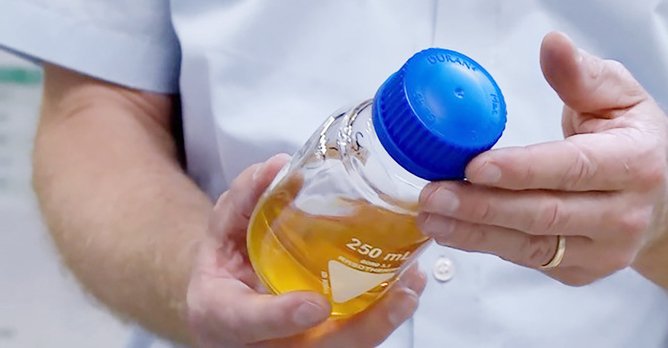
    The collaboration aims to increase the efficiency of the chemical recycling process for plastics, so that the end products can be more widely used
    Audi and the Karlsruhe Institute for Technology (KIT) are therefore launching a pilot project for chemical recycling as part of the 'Industrial Resource Strategies' thinktank, in order to feed such mixed plastic fractions back into a resource-conserving circular system.

    The 'Chemical Recycling of Plastics in Automotive Engineering' pilot project targets the creation of smart circular systems for plastics and to establish this method as a complement to mechanical recycling and replacement of energetic recovery.

    Partnering with KIT, Audi intends to initially test the technical feasibility of chemical recycling and to evaluate the method in terms of its economy and environmental impacts. These evaluations are performed at KIT by teams led by Professor Dieter Stapf at the Institute for Technical Chemistry and Dr. Rebekka Volk at the Institute for Industrial Production.

    For this purpose, Audi provides plastic components that are no longer needed, such as fuel tanks, wheel trim parts and radiator grilles, from Audi models returning from the German dealership network, for example. These plastic components are processed into pyrolysis oil by chemical recycling.
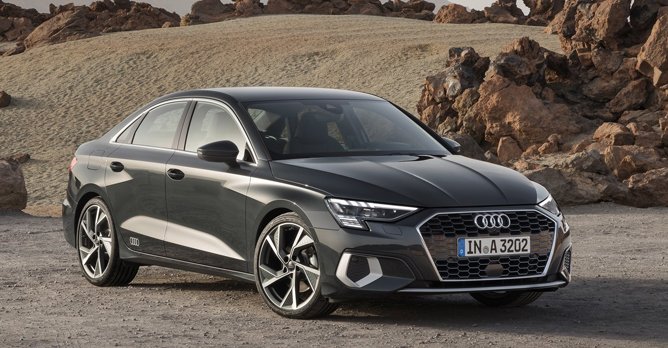
    The Audi A3 is available with three textile seat covers containing a recycled material content of up to 89%
    The quality of this oil corresponds to that of petroleum products, and materials made from it are equally high-grade as new ones. In the medium run, components made from pyrolysis oil can be used again in automobiles.

    So far, chemical recycling has been the only method that can be used to convert such mixed plastic waste into products equaling the quality of new ones. As a result, a wider range of plastics can be recovered. Such closed material loops have several advantages. They conserve valuable resources because less primary material is required.

    This, in turn, saves energy and costs - and is beneficial to the environment. Audi is one of the first automobile manufacturers to test this recycling method in a pilot project with plastics from automobile production.


    Audi has identified chemical recycling as an opportunity together with its suppliers as part of CO2 workshops. The objective of Audi's CO2 program is to use resources as efficiently as possible and to reduce CO2 emissions in the upstream value chain, clearly focusing on materials that are either required in large quantities or entail particularly energy-intensive manufacturing processes.
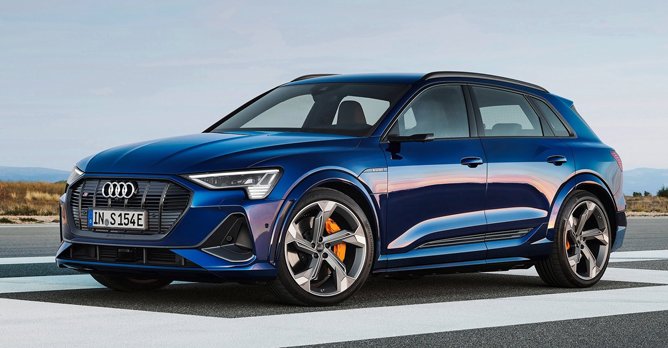
    Audi's aim is to have textile seat covers made of recycled material for its entire model range
    A successful case in point is the Aluminium Closed Loop with which Audi and its suppliers managed to recover aluminum waste and improve it to new-product quality level, thus avoiding some 150,000 metric tons of CO2 on the environmental balance sheet just in 2019.

    Audi is planning to gradually increase the proportion of secondary materials in its models. The most recent example is the utilisation of PET in the Audi A3. PET is a plastic polymer that can be separated from other materials with which it may have been combined and is therefore easier to recycle.

    For the Audi A3, for instance, three textile seat covers are available with a recycled material content of up to 89%. At the moment, the seat covers are not completely made of recyclable materials. In the future, Audi aims to have all textile seat covers to be made of recycled materials across all model ranges. If its technical feasibility can be demonstrated, Audi plans to industrialise the technology and then progressively apply it to more and more components.

    24.4k

    Tags

    audi kit plastic recycling automotive plastic recycling green environment environmentally friendly clean future carbon dioxide impact

    AllReviewsNewsAdviceFeaturesVideos
    • Home
    • Car Articles
    • news
    • news Listings
    • Audi News

    Audi and KIT are working on a new recycling method for automotive plastics

    24 Nov 2020

    |

    867 views

    Audi and KIT are collaborating on a project to allow recycled plastics waste to be processed into pyrolysis oil, subsequently be used for new components.


    A large number of components in automobiles are made from plastics. They have to meet exacting safety, heat resistance and quality requirements. That is why, so far, only petroleum-based materials have been suitable for manufacturing plastic components that are subjected to particularly intensive wear.

    Such materials are not recyclable in most cases. Whereas plastics of the same type can often be mechanically recycled, recycling of mixed plastic waste poses a major challenge.

    The collaboration aims to increase the efficiency of the chemical recycling process for plastics, so that the end products can be more widely used
    Audi and the Karlsruhe Institute for Technology (KIT) are therefore launching a pilot project for chemical recycling as part of the 'Industrial Resource Strategies' thinktank, in order to feed such mixed plastic fractions back into a resource-conserving circular system.

    The 'Chemical Recycling of Plastics in Automotive Engineering' pilot project targets the creation of smart circular systems for plastics and to establish this method as a complement to mechanical recycling and replacement of energetic recovery.

    Partnering with KIT, Audi intends to initially test the technical feasibility of chemical recycling and to evaluate the method in terms of its economy and environmental impacts. These evaluations are performed at KIT by teams led by Professor Dieter Stapf at the Institute for Technical Chemistry and Dr. Rebekka Volk at the Institute for Industrial Production.

    For this purpose, Audi provides plastic components that are no longer needed, such as fuel tanks, wheel trim parts and radiator grilles, from Audi models returning from the German dealership network, for example. These plastic components are processed into pyrolysis oil by chemical recycling.

    The Audi A3 is available with three textile seat covers containing a recycled material content of up to 89%
    The quality of this oil corresponds to that of petroleum products, and materials made from it are equally high-grade as new ones. In the medium run, components made from pyrolysis oil can be used again in automobiles.

    So far, chemical recycling has been the only method that can be used to convert such mixed plastic waste into products equaling the quality of new ones. As a result, a wider range of plastics can be recovered. Such closed material loops have several advantages. They conserve valuable resources because less primary material is required.

    This, in turn, saves energy and costs - and is beneficial to the environment. Audi is one of the first automobile manufacturers to test this recycling method in a pilot project with plastics from automobile production.


    Audi has identified chemical recycling as an opportunity together with its suppliers as part of CO2 workshops. The objective of Audi's CO2 program is to use resources as efficiently as possible and to reduce CO2 emissions in the upstream value chain, clearly focusing on materials that are either required in large quantities or entail particularly energy-intensive manufacturing processes.

    Audi's aim is to have textile seat covers made of recycled material for its entire model range
    A successful case in point is the Aluminium Closed Loop with which Audi and its suppliers managed to recover aluminum waste and improve it to new-product quality level, thus avoiding some 150,000 metric tons of CO2 on the environmental balance sheet just in 2019.

    Audi is planning to gradually increase the proportion of secondary materials in its models. The most recent example is the utilisation of PET in the Audi A3. PET is a plastic polymer that can be separated from other materials with which it may have been combined and is therefore easier to recycle.

    For the Audi A3, for instance, three textile seat covers are available with a recycled material content of up to 89%. At the moment, the seat covers are not completely made of recyclable materials. In the future, Audi aims to have all textile seat covers to be made of recycled materials across all model ranges. If its technical feasibility can be demonstrated, Audi plans to industrialise the technology and then progressively apply it to more and more components.
    24.4k

    Tags

    audi kit plastic recycling automotive plastic recycling green environment environmentally friendly clean future carbon dioxide impact

    Newsletter

    Be Notified On The Latest News

    Newsletter

    Be Notified On The Latest News

    Latest COE Prices

    November 2026 | 1st BIDDING
    NEXT TENDER: 18 Nov 2026
    CAT A
    $139,001
    CAT B
    $132,334
    CAT C
    $92,000
    CAT E
    $135,998
    View Full Results

    Latest COE Prices

    November 2026 | 1st BIDDING
    NEXT TENDER: 18 Nov 2026
    CAT A
    $139,001
    CAT B
    $132,334
    CAT C
    $92,000
    CAT E
    $135,998
    View Full Results

    Related Articles

    Convenience for a cost: The four horsemen of transport in SG

    Convenience for a cost: The four horsemen of transport in SG

    Sgcarmart Explores: East Coast Park!

    Sgcarmart Explores: East Coast Park!

    Toyota RAV4 Hybrid Review

    Toyota RAV4 Hybrid Review

    Big Test: Which brand makes the best hybrid?

    Big Test: Which brand makes the best hybrid?

    Hongqi Singapore opens its showroom doors

    Hongqi Singapore opens its showroom doors

    Why AVATR's European expansion matters for Singapore

    Why AVATR's European expansion matters for Singapore

    Opinion: Why do we even need green number plates?

    Opinion: Why do we even need green number plates?

    Zeekr Singapore updates the 7X with more power and range

    Zeekr Singapore updates the 7X with more power and range

    You May Also Like

    Sgcarmart Explores: Bras Basah!

    Sgcarmart Explores: Bras Basah!

    New cars are safer: Opt for one when you can

    New cars are safer: Opt for one when you can

    Leapmotor B10: The electric SUV focused on what matters

    Leapmotor B10: The electric SUV focused on what matters

    Tesla Model 3 Facelift Review

    Tesla Model 3 Facelift Review

    The rise of PHEVs: A closer look at the numbers

    The rise of PHEVs: A closer look at the numbers

    The all new XPENG Mona L03 is one smart coupe SUV

    The all new XPENG Mona L03 is one smart coupe SUV

    Lexus ES350h Hybrid Review

    Lexus ES350h Hybrid Review

    Kia Niro Hybrid Facelift Review

    Kia Niro Hybrid Facelift Review

    Multi-Pathway approach: Toyota was always right

    Multi-Pathway approach: Toyota was always right

    BYD Seal 7 DM-i Review

    BYD Seal 7 DM-i Review

    Mercedes-Benz GLC Electric Review

    Mercedes-Benz GLC Electric Review

    Sgcarmart Explores: East Coast Park!

    Sgcarmart Explores: East Coast Park!

    Li Auto confirms Singapore entry with Wearnes

    Li Auto confirms Singapore entry with Wearnes

    The 5 main things you must know about the XPENG L03

    The 5 main things you must know about the XPENG L03

    Don't get yourself trapped in your high-tech EV

    Don't get yourself trapped in your high-tech EV

    Cars of 2026

    Cars of 2026