Second-life batteries from Audi to see use in e-rickshaws headed to India
16 Jun 2022|825 views
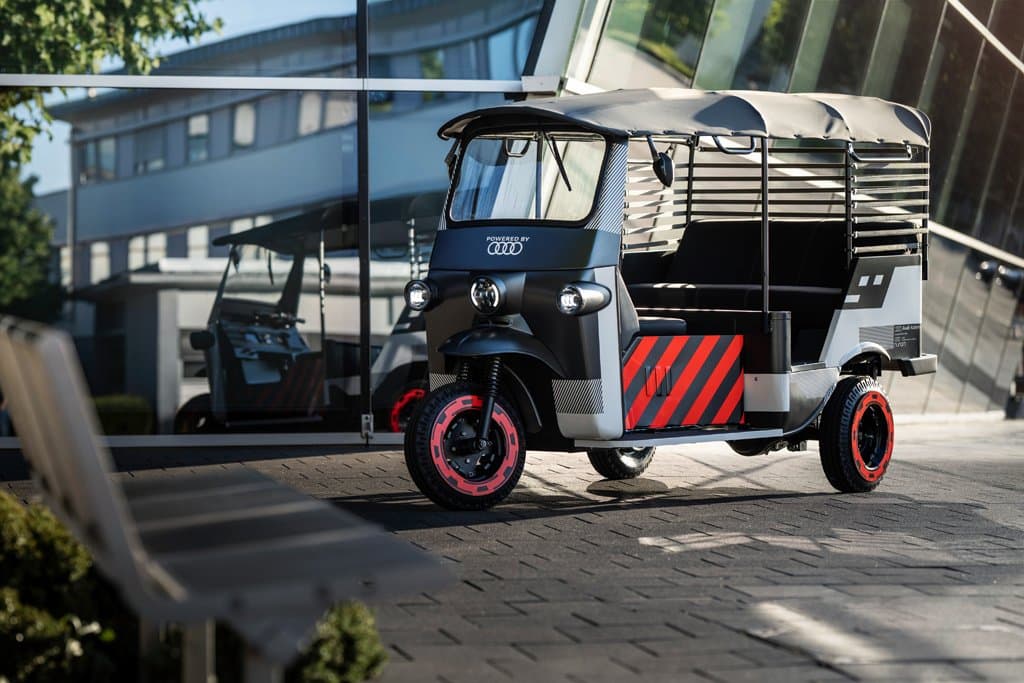
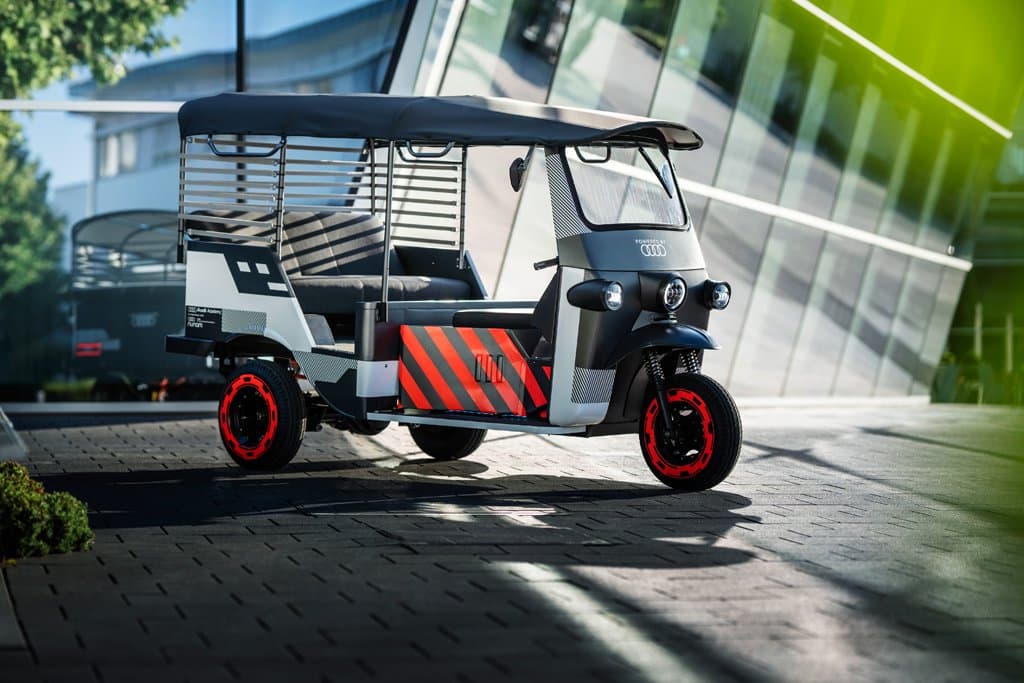
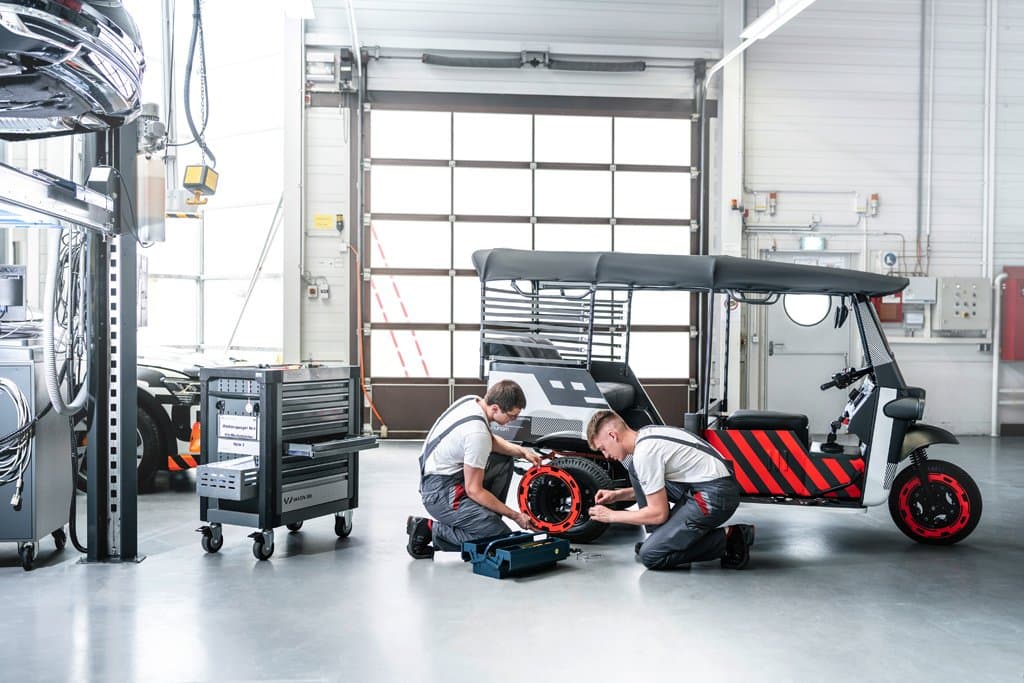
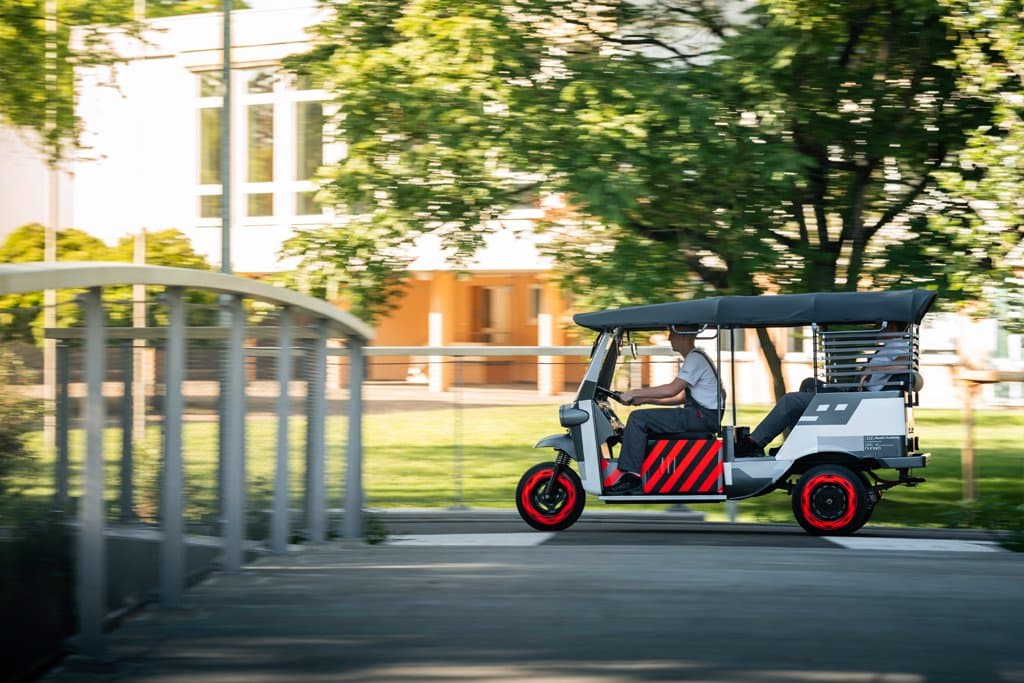
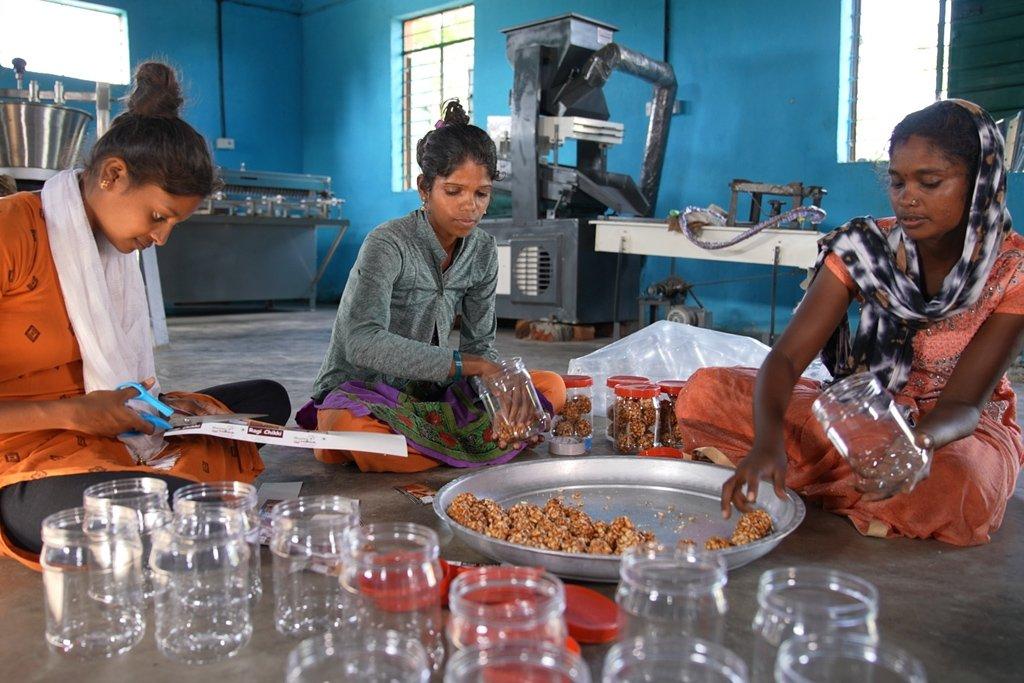
Audi is working with German–Indian start-up Nunam to bring three electric rickshaws, powered by batteries that formerly saw use in the test vehicles of the e-tron test fleet, to the roads of India.
The effort is part of a project that will explore how modules made with high-voltage batteries can be reused after their car life cycle and become a viable second-life use case. Audi states that the project will also help strengthen job opportunities for women in India, who will utilise these e-rickshaws to bring their goods to market for sale, all without the need for intermediaries.
The e-rickshaws are scheduled to hit the roads in India for the first time come early 2023, and will be made available to a non-profit organization, while power for charging will be provided via solar panels located on the roofs of the local partner's premise. Nunam states that there are plans to utilise the batteries for stationary applications such as LED lighting, after they become no longer suitable for use in the e-rickshaws.
The effort is part of a project that will explore how modules made with high-voltage batteries can be reused after their car life cycle and become a viable second-life use case. Audi states that the project will also help strengthen job opportunities for women in India, who will utilise these e-rickshaws to bring their goods to market for sale, all without the need for intermediaries.
The e-rickshaws are scheduled to hit the roads in India for the first time come early 2023, and will be made available to a non-profit organization, while power for charging will be provided via solar panels located on the roofs of the local partner's premise. Nunam states that there are plans to utilise the batteries for stationary applications such as LED lighting, after they become no longer suitable for use in the e-rickshaws.
Audi is working with German–Indian start-up Nunam to bring three electric rickshaws, powered by batteries that formerly saw use in the test vehicles of the e-tron test fleet, to the roads of India.
The effort is part of a project that will explore how modules made with high-voltage batteries can be reused after their car life cycle and become a viable second-life use case. Audi states that the project will also help strengthen job opportunities for women in India, who will utilise these e-rickshaws to bring their goods to market for sale, all without the need for intermediaries.
The e-rickshaws are scheduled to hit the roads in India for the first time come early 2023, and will be made available to a non-profit organization, while power for charging will be provided via solar panels located on the roofs of the local partner's premise. Nunam states that there are plans to utilise the batteries for stationary applications such as LED lighting, after they become no longer suitable for use in the e-rickshaws.
The effort is part of a project that will explore how modules made with high-voltage batteries can be reused after their car life cycle and become a viable second-life use case. Audi states that the project will also help strengthen job opportunities for women in India, who will utilise these e-rickshaws to bring their goods to market for sale, all without the need for intermediaries.
The e-rickshaws are scheduled to hit the roads in India for the first time come early 2023, and will be made available to a non-profit organization, while power for charging will be provided via solar panels located on the roofs of the local partner's premise. Nunam states that there are plans to utilise the batteries for stationary applications such as LED lighting, after they become no longer suitable for use in the e-rickshaws.


Latest COE Prices
July 2026 | 1st BIDDING
NEXT TENDER: 22 Jul 2026
CAT A$129,000
CAT B$130,889
CAT C$95,000
CAT E$129,801
View Full Results 
Thank You For Your Subscription.






Tags
Products & Services

For Owners
Quick Links
About Sgcarmart