2022 has been a challenging year for the automotive industry, no thanks to the various economical challenges and stresses. Facing the difficult supply situation due to the semiconductor chip shortages, the disruption of supply chains due to the pandemic and conflict in Ukraine, Volkswagen has suffered from a trend of declining deliveries in the past year.
However, thanks to the brand's optimisation of fixed costs and distribution expenses, it has managed to negate the effect of the drop in deliveries and achieved an 8.7% increase in sales revenue.
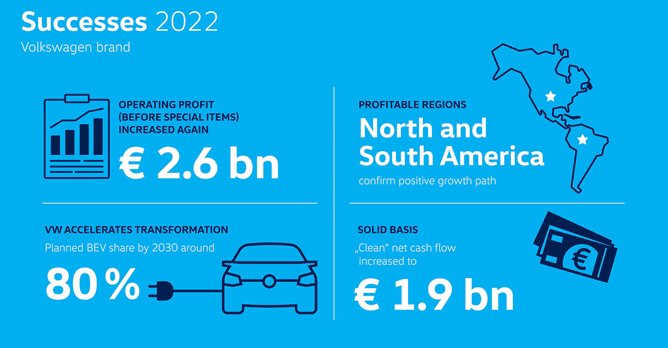
 Despite all the challenges, Volkswagen has managed to increase its revenue in 2022 Volkswagen has managed to increase its global sales of all-electric vehicles by 23.6% in 2022 to around 330,000 units, and it has great plans on e-mobility for the future. By 2030, Volkswagen plans to achieve an 80% share of Battery Electric Vehicles (BEV) sold in Europe and a target of 55% in North America.
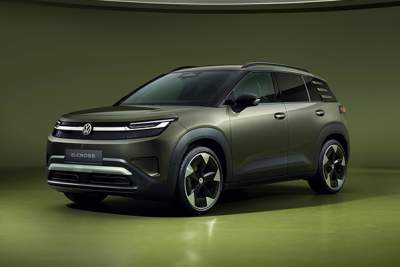
To achieve its goals, Volkswagen will launch 10 new BEV models by 2026, with four new electric models coming in the near future.
These BEVs include the second generation ID.3, the sporty ID.3 GTX, the long-wheelbase ID Buzz and the flagship ID.7.
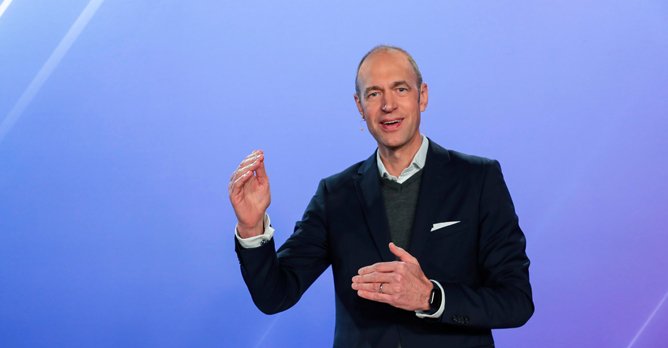 Patrik Andreas Mayer, CFO of Volkswagen, is cautiously optimistic about the supply situation Additionally, Volkswagen is also planning to bring affordable BEVs to the people. With a target of creating BEVs that are priced under $35,882.50 (EUR 25,000), the ID.2all study was conceived. In time, Volkswagen will be able to offer a broad e-portfolio that ranges from the affordable, entry-level BEV to the flagship ID.7 electric sedan.
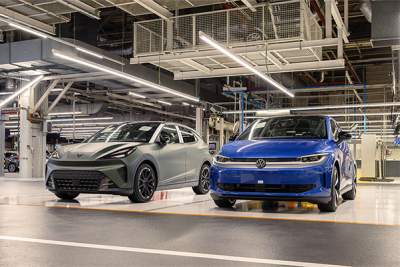
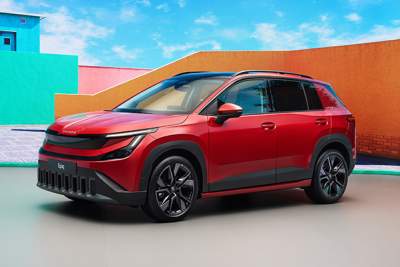
While Volkswagen has made it clear that BEVs are the way forward in the future, it acknowledges the sustained demand for internal combustion models. As such, attractive new models such as the Tiguan, T-Cross and Passat, with highly efficient internal combustion engines, will be launched in 2023, alongside the exciting new models.
With strong demands for Volkswagen cars, the existing backlog for Europe currently exceeds 660,000 vehicles. Patrik Andreas Mayer, CFO of Volkswagen, is cautiously optimistic that the supply situation will stabilise in the course of the year. As such, the brand projects a significant increase in deliveries of vehicles.
However, thanks to the brand's optimisation of fixed costs and distribution expenses, it has managed to negate the effect of the drop in deliveries and achieved an 8.7% increase in sales revenue.
To achieve its goals, Volkswagen will launch 10 new BEV models by 2026, with four new electric models coming in the near future.
These BEVs include the second generation ID.3, the sporty ID.3 GTX, the long-wheelbase ID Buzz and the flagship ID.7.
While Volkswagen has made it clear that BEVs are the way forward in the future, it acknowledges the sustained demand for internal combustion models. As such, attractive new models such as the Tiguan, T-Cross and Passat, with highly efficient internal combustion engines, will be launched in 2023, alongside the exciting new models.
With strong demands for Volkswagen cars, the existing backlog for Europe currently exceeds 660,000 vehicles. Patrik Andreas Mayer, CFO of Volkswagen, is cautiously optimistic that the supply situation will stabilise in the course of the year. As such, the brand projects a significant increase in deliveries of vehicles.