Sweet spot: Why MG's new model may be a "compact pacesetter"
24 Apr 2026|2,521 views
Space. Fun to drive. Safety.
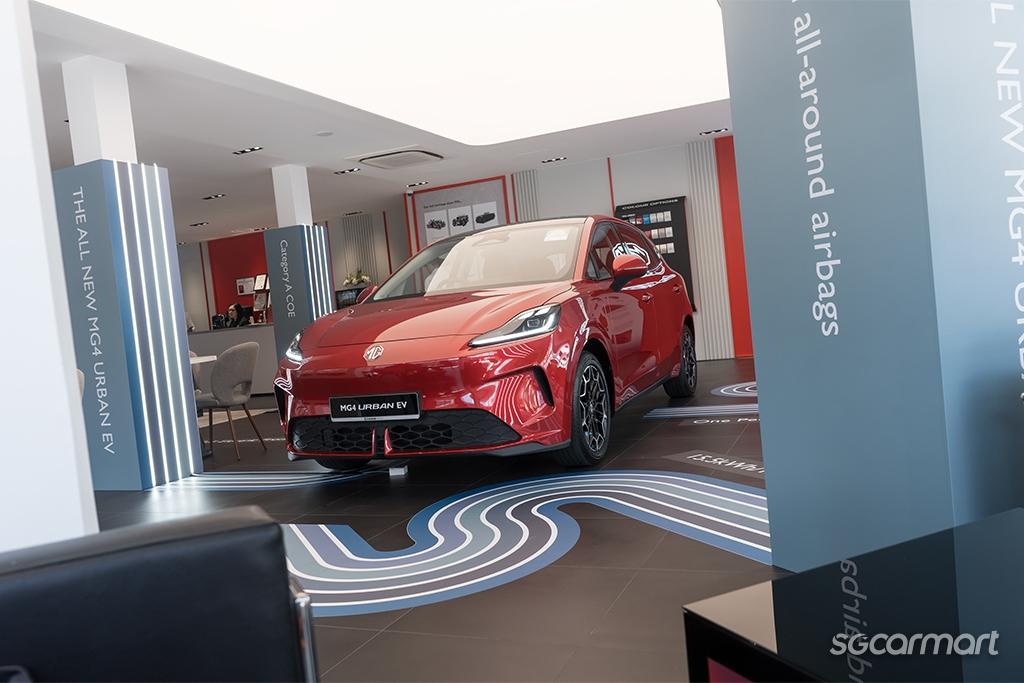
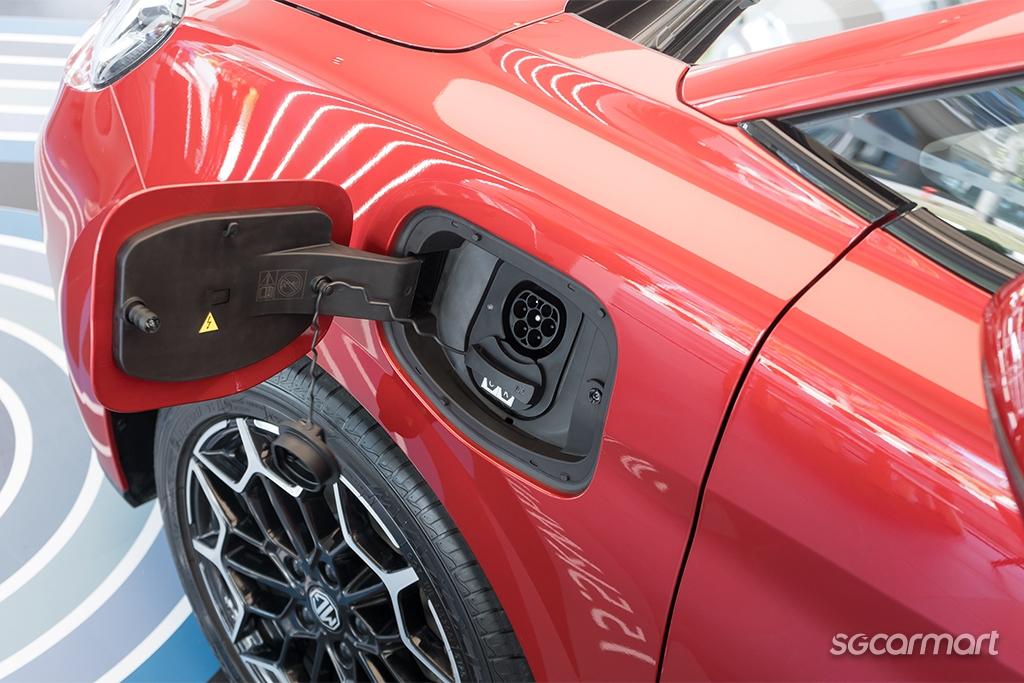
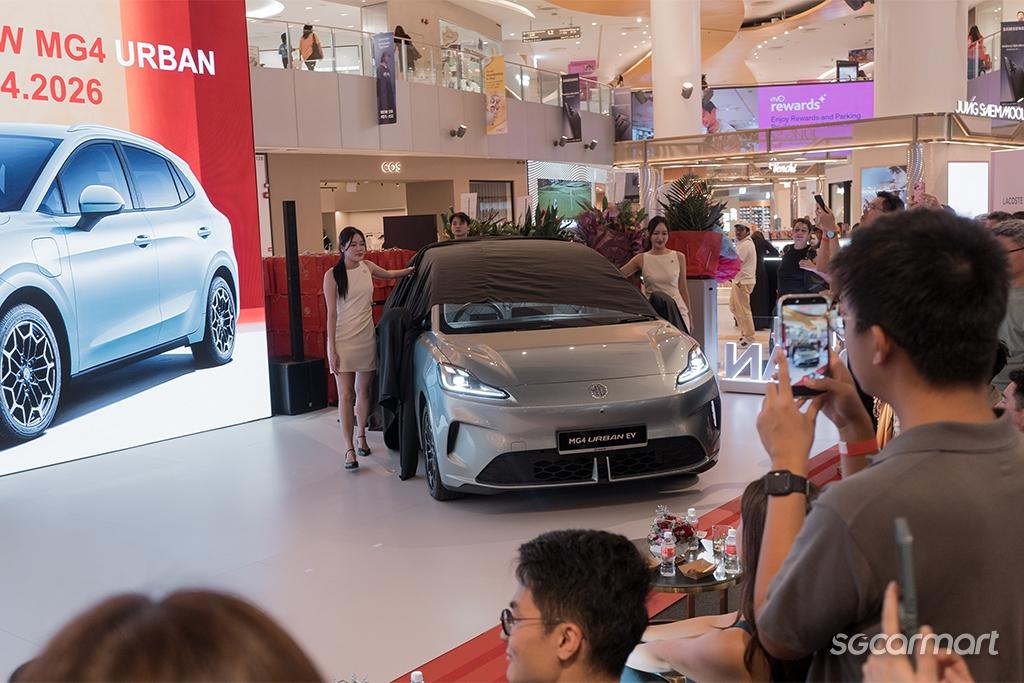
Those are just a few points that MG Singapore has highlighted about the MG4 Urban EV, its new compact hatchback that celebrated its local launch on 16 April 2026.
To most, this may seem like just another simple car launch. But to those of us in the industry, and to MG especially, the MG4 Urban may just be the car that sets the pace for future models in its segment.
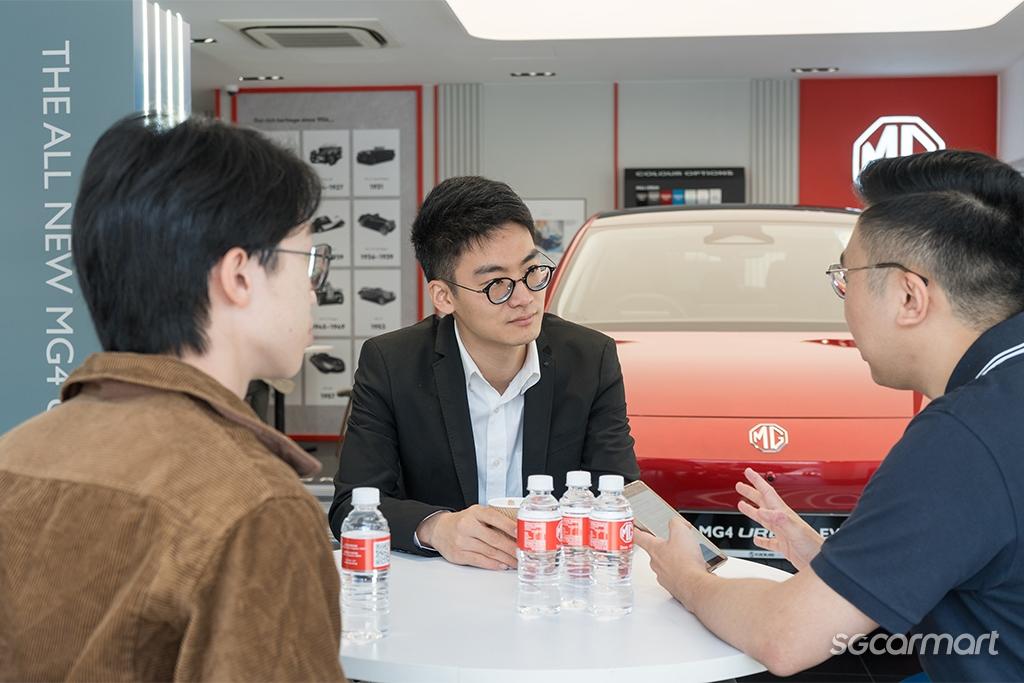
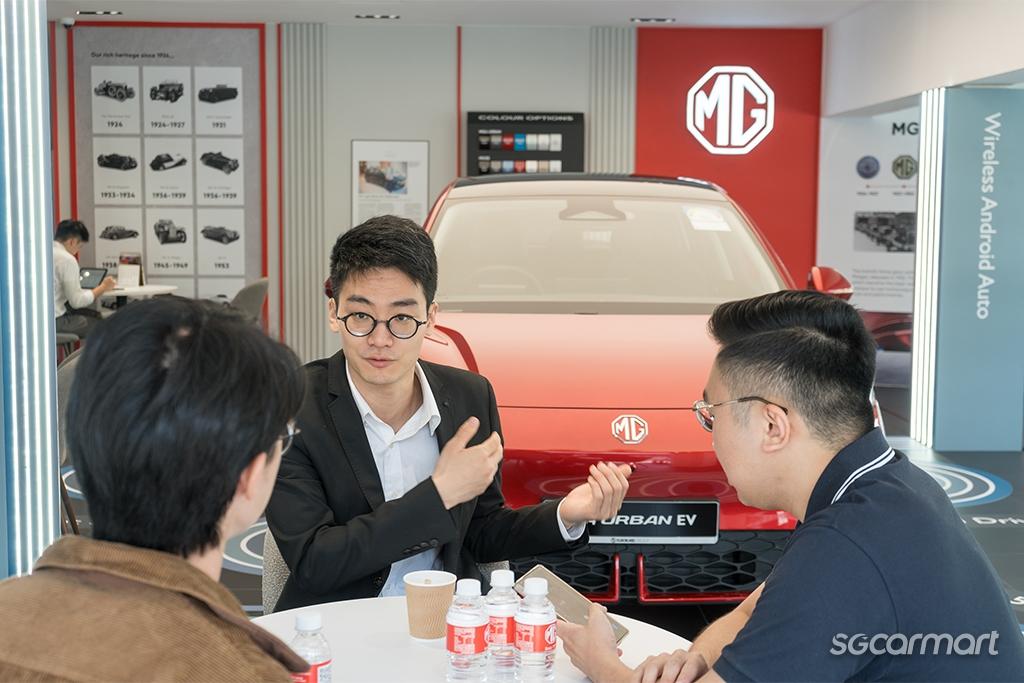
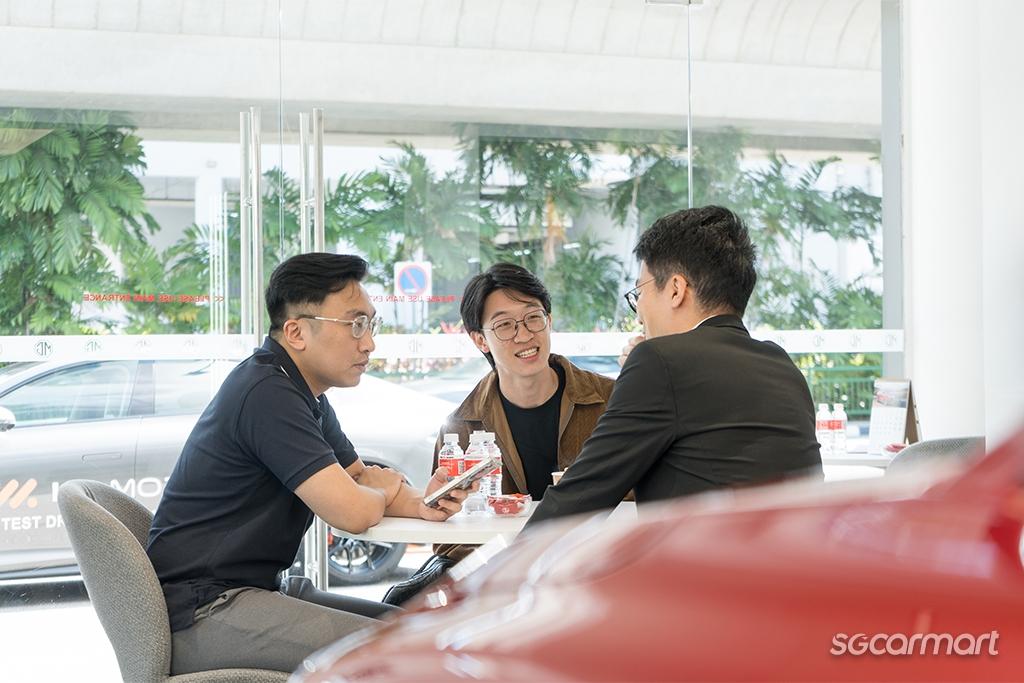
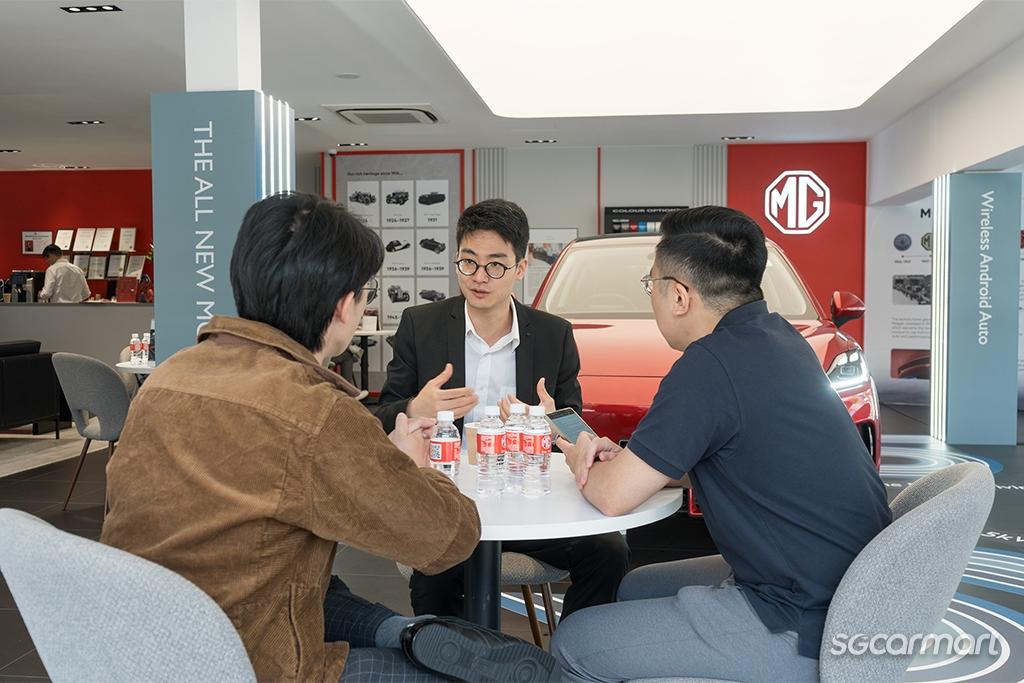
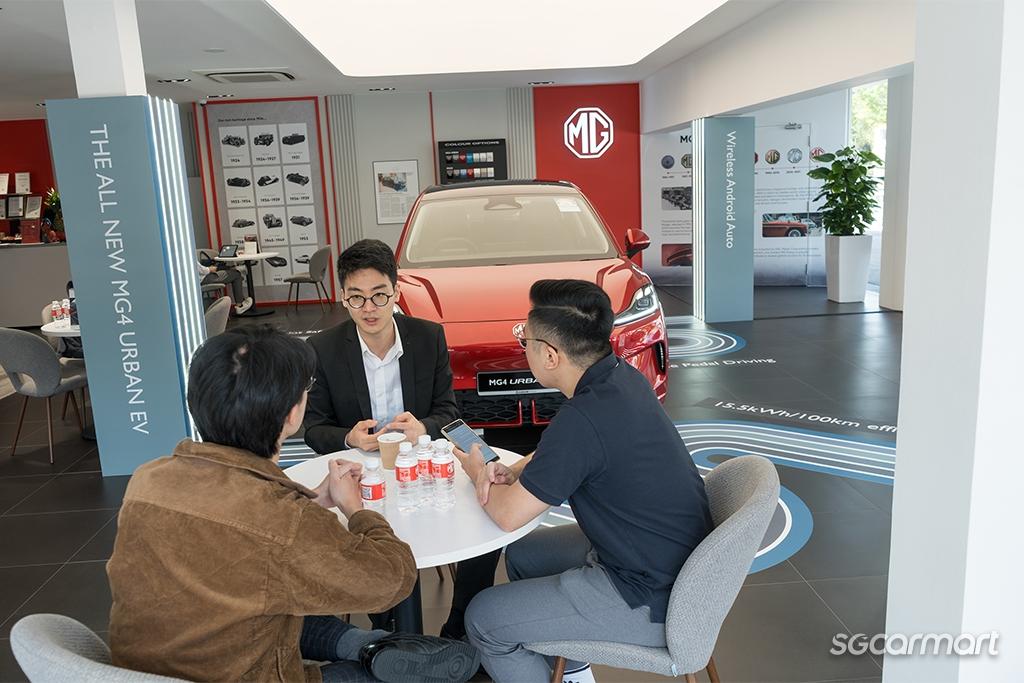
And so, we sat down with Leo Liu, Senior Product Training Manager for MG at SAIC Motor International, to find out just why this unassuming model may be more than it seems.
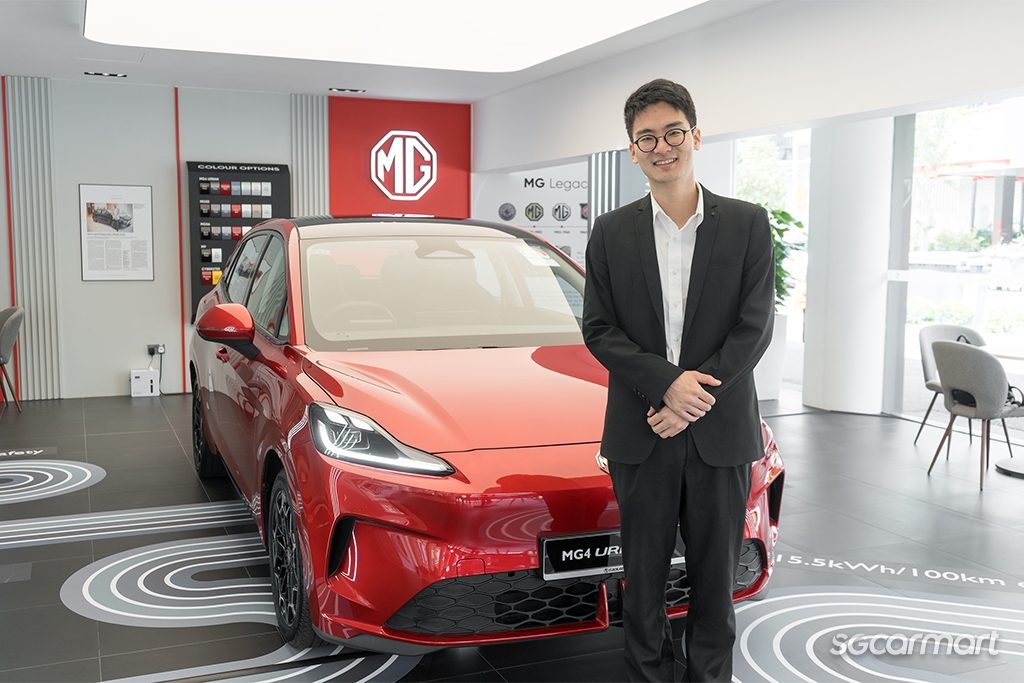
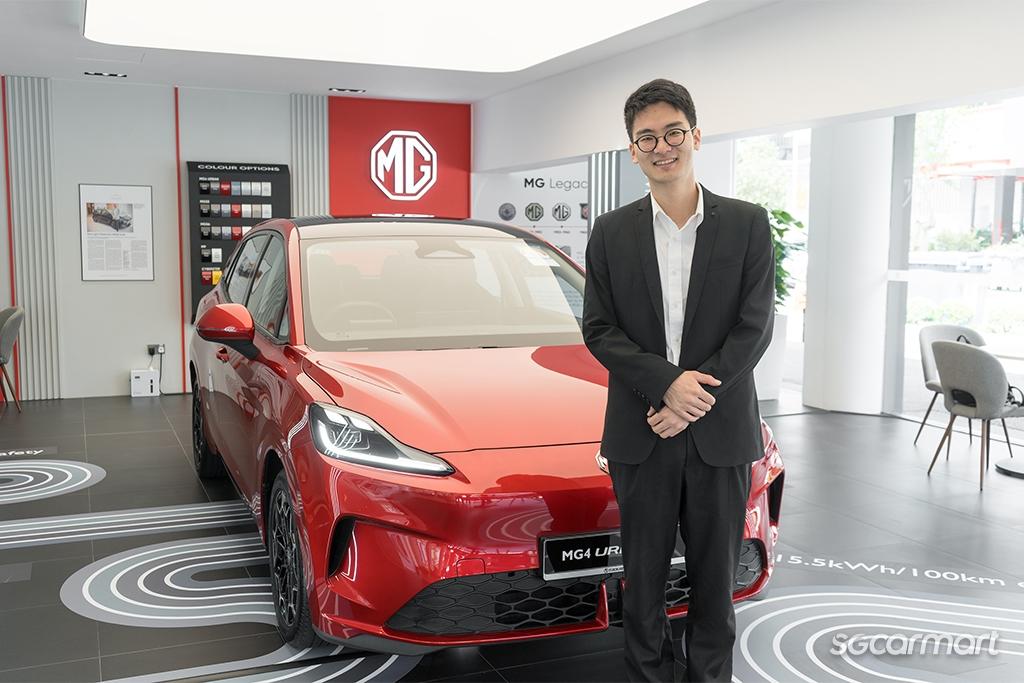
Leo Liu, Senior Product Training Manager for MG at SAIC Motor International, posing with the MG4 Urban ahead of its local launch
The "pacesetter"
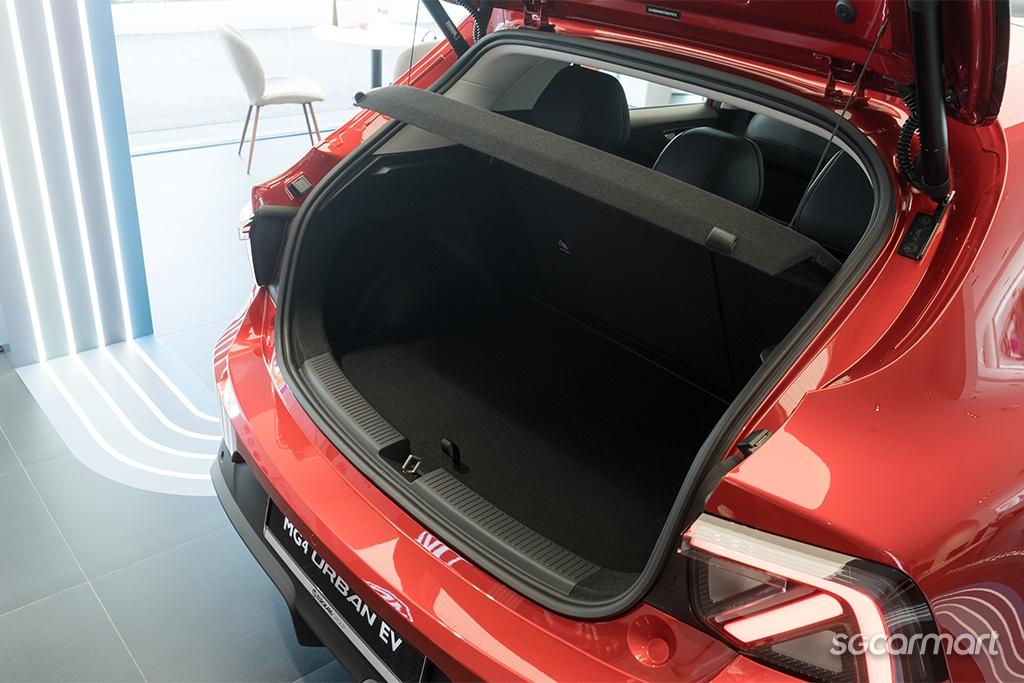
Space, space, and more space. While those may not be Liu's exact words, he places great emphasis on this five-letter word when describing the MG4 Urban's best feature. MG has made the car front-wheel drive, meaning more space in the rear: 480 litres of boot space, to be exact. This goes up to 1,364 litres with the rear seats folded - both class-leading figures for an electric hatchback.
Liu also mentions that while some may see this as a downgrade in terms of drivability, MG sees this as offering a different choice for the customer. He compares this to the previous MG4 EV, which is rear-wheel driven but has less cargo space (398 litres), and says that basically, for a car in this segment, one can't have the best of both worlds - in terms of drivability and space.
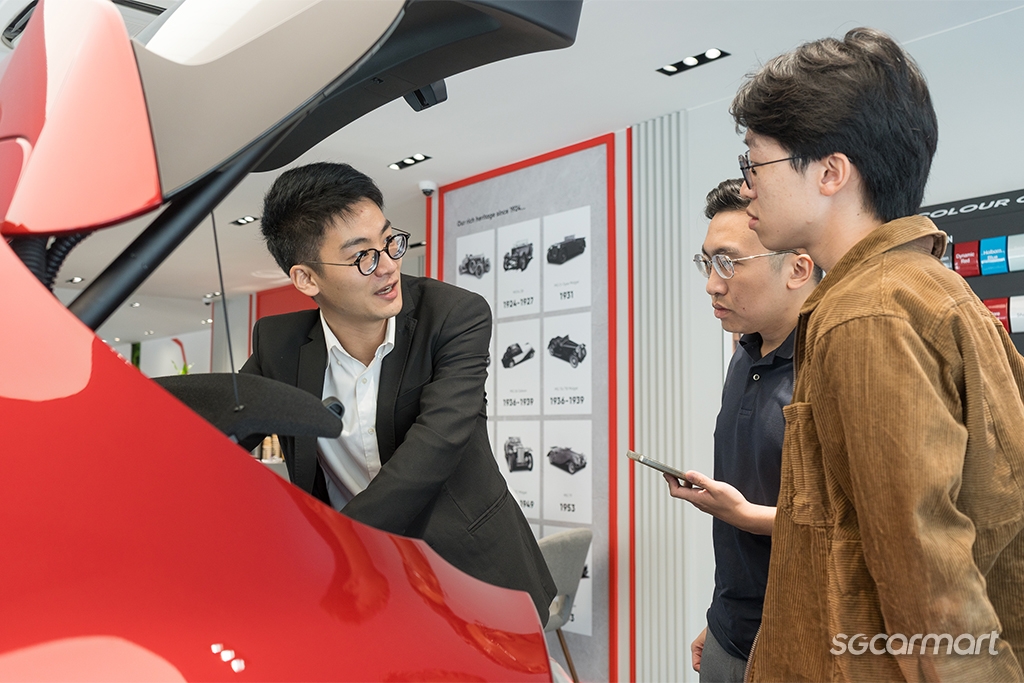
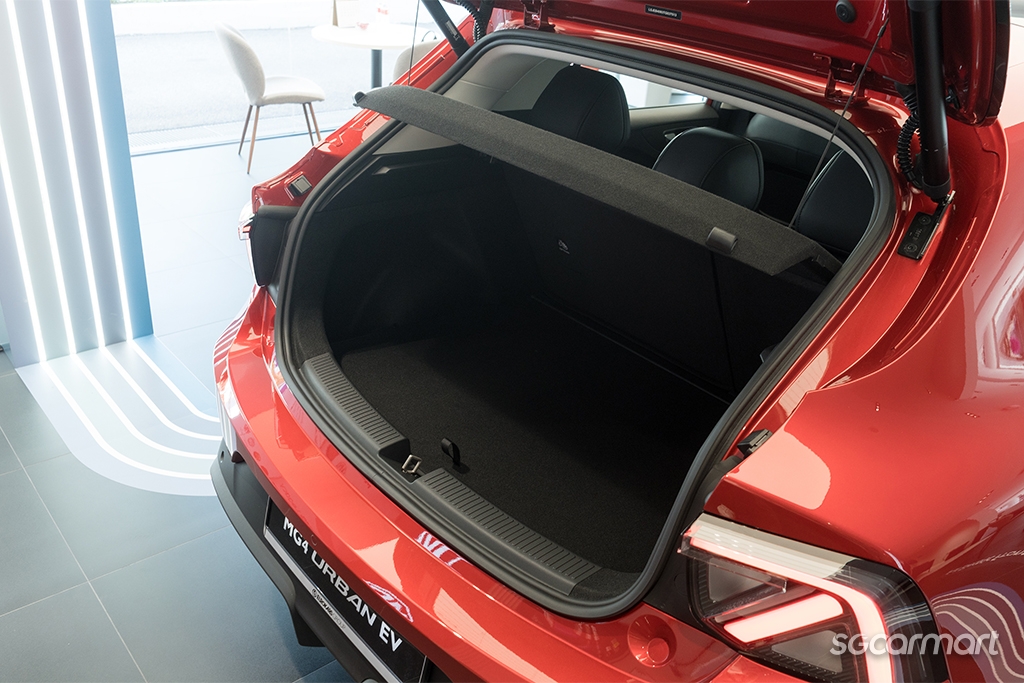
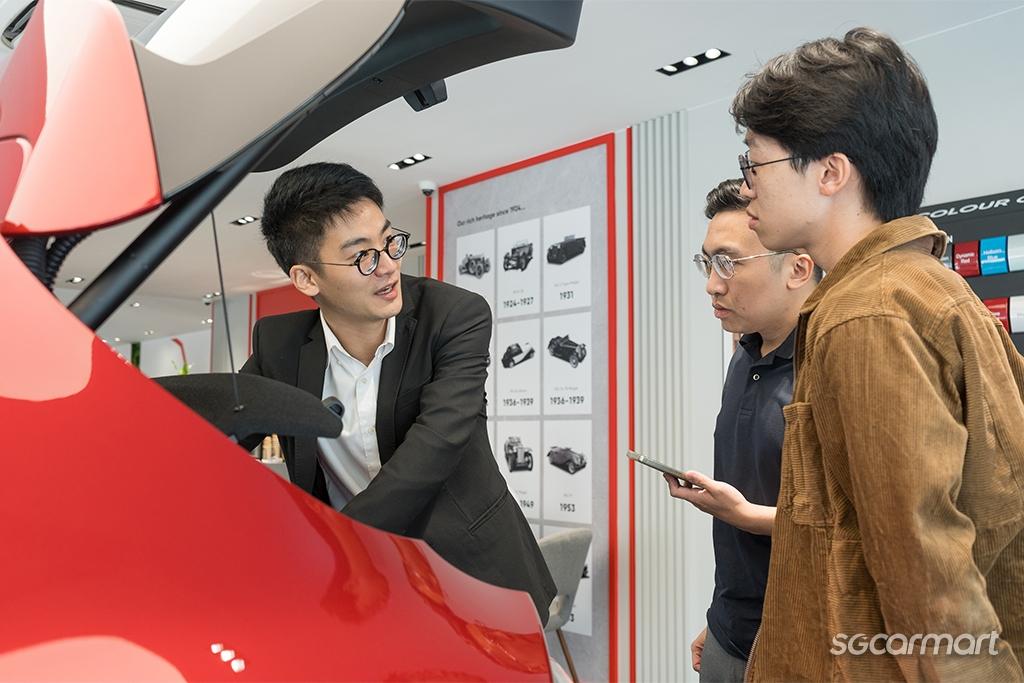
When we asked Liu what his favourite feature about the Urban was, we never expected him to say "the trunk"
And as most customers veer more towards an entry-level car, and with space a big factor (especially for families), in this sense, the MG4 Urban ticks all the boxes.
To achieve this, MG tried to make everything more compact in this model (about 20-30%, Liu says). And by utilising cell-to-body technology (one of the first in its segment to do so), the brand was able to increase the vertical height of the model's interior, which now offers more headroom. Combined with a low bonnet for improved visibility and improved aerodynamics, the MG4 Urban is able to travel further than its WLTP figures suggest.
In essence, Liu stresses that with regards to the Urban's segment (compact electric hatchback), MG has found the "sweet spot" with the model's 54kWh battery and combined WLTP range of 405km (586km in the city).
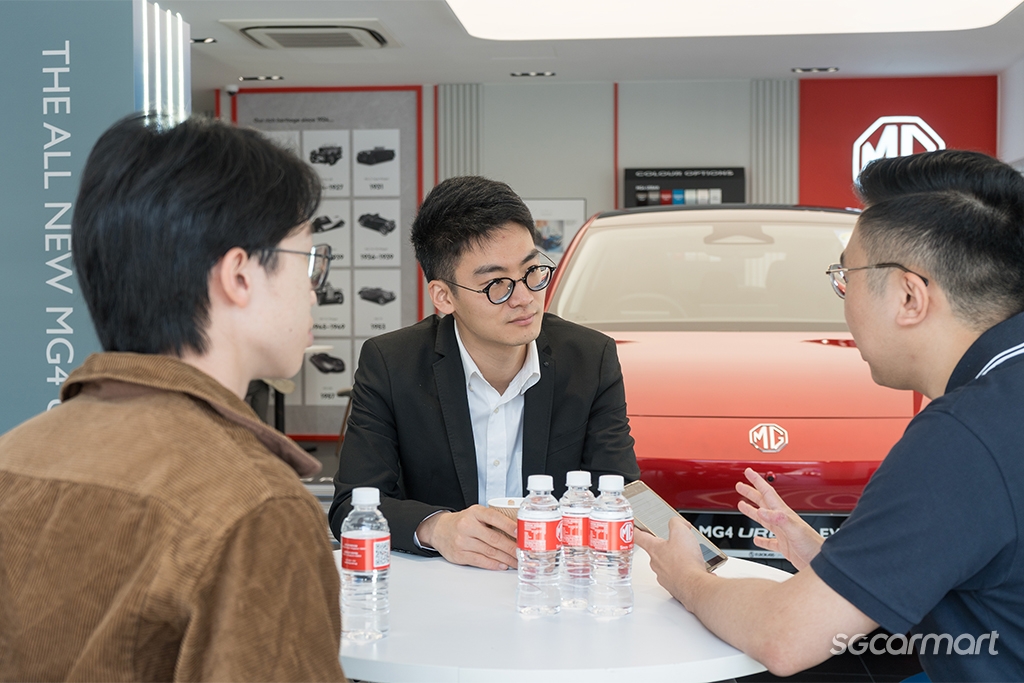
The fear about battery fires may well be valid, but as the stats show, they are somewhat exaggerated
The power source
And on the topic of batteries, it is fair to say that Singapore is still relatively new to EV adoption, and with many concerns about battery fires (somewhat valid but mostly unwarranted, as stats would suggest), we posed this question to Liu. After all, who better to ask than someone with eight years of professional experience in battery engineering research and development?
Liu says that for the automotive industry, batteries undergo a test called "thermal runaway", which in layman terms means that the testers will deliberately induce an uncontrolled, self-heating failure in a battery cell - either via heating, nail penetration (puncture), or overcharging.
The testers will then determine how long the battery can go on for before it stops functioning. Known as the "GB standard" in China, this is actually the strictest and the global standard for battery safety.
As such, "the battery should be able to keep going for two hours", Liu quips. And as MG's models - the Urban, S5, and S6 for example - are held to a much higher standard, "they can withstand for much longer". Additionally, the MG4 Urban has a "fire shield" around its battery cells that is able to withstand temperatures of up to 1200°C for over 30 minutes, providing a higher level of safety.
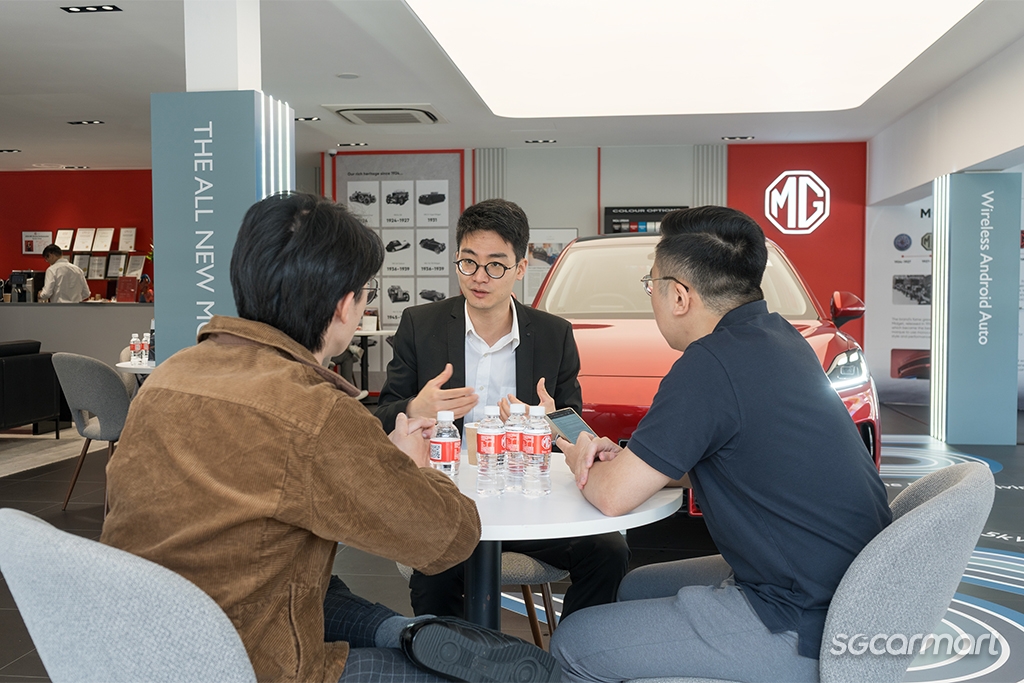
While the Urban may feature some new tech that makes it a first in its segment, MG is already making plans for the future
The future
Having said all that, it seems that the current state of battery safety is rather impressive, but there will always be room for improvement. As such, one cannot help but wonder about the future advancements that brands are undertaking.
In MG's case, Liu mentions that the brand is constantly raising its standard for battery safety, as well as developing newer battery cell chemistries for an increased range. Producing batteries with higher voltages is also something MG is working on, so as to provide even quicker fast charging.
And regarding the MG4 Urban, Liu highlights that its 54kWh battery is able to deliver up to 405km of combined range because MG has made both its battery and motor more efficient.
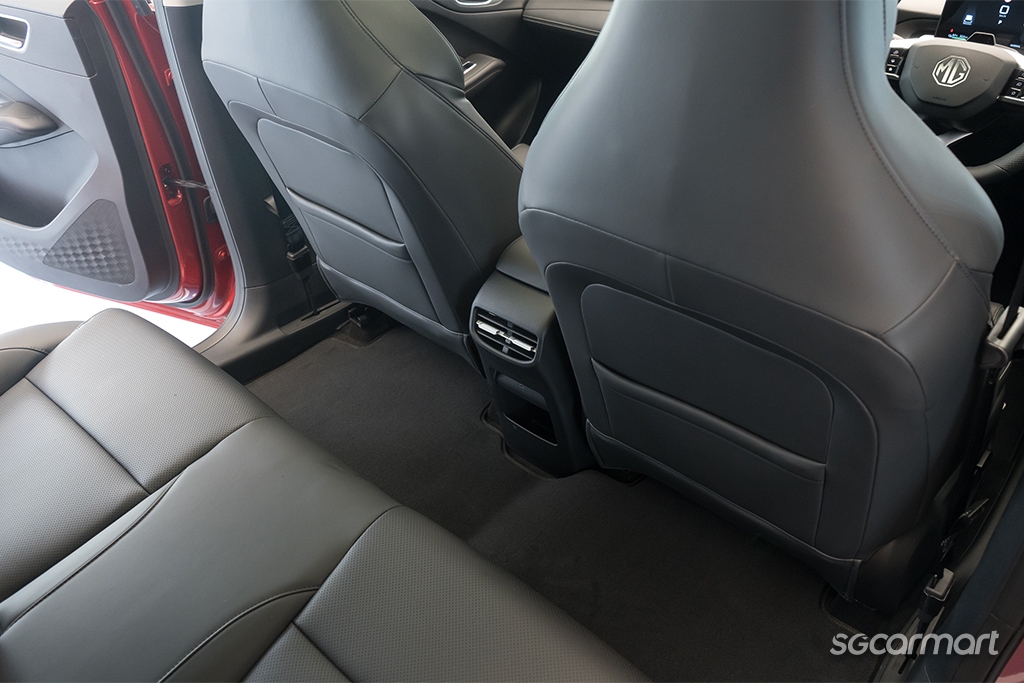
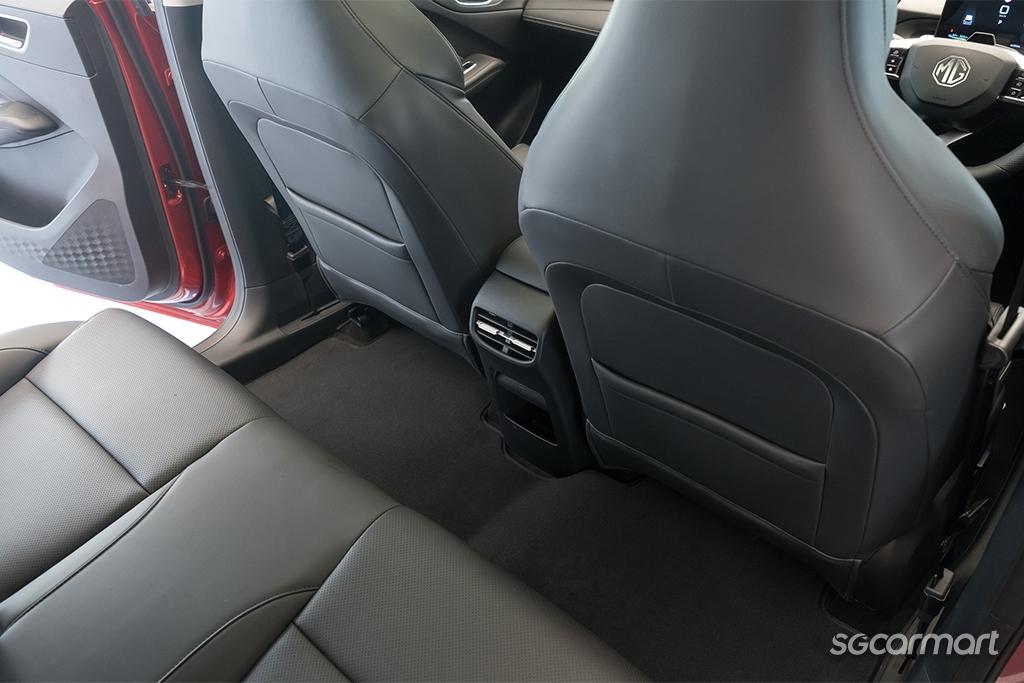
By adopting a front-wheel drive and cell-to-body technology, the Urban is able to offer more boot space, headroom, and legroom
With all this talk about batteries, it's also interesting to note that the way the MG4 Urban first came to fruition is because the brand made the battery to fit the car.
Again, this all boils down to space. Liu says that MG wanted to maximise the interior space of the Urban, so its battery was specifically designed with that intent. Looking ahead, MG also plans to introduce more entry-level cars with the same battery.
However, you're less likely to see this battery in a bigger car like an SUV, as those require thicker batteries. It would make a lot more sense to see it in a sedan or a hatchback.
Batteries are the most expensive part of an EV and arguably also the most important, so its no surprise that brands are always looking to improve on it
The next frontier
We've spoken quite a fair bit about batteries, but we decided to poke into Liu's expertise for one last battery-specific question: What's next?
One word (or two, depending on how you look at it): Solid-state.
Currently, in some markets, the MG4 Urban is the first in the brand's lineup to feature its new "SolidCore", which is a new semi-solid battery (in China, this is an optional 70kWh version). With most typical EV batteries utilising liquid electrolytes, SolidCore uses a gel-like substance. In essence, the higher the viscosity, the higher the safety and charging speed.
But MG has set its sights on solid-state batteries for the future, which offer higher energy density and are lighter and more compact, allowing for increased power and range. This would benefit both drivability and space, basically combining the best of both worlds.
Unfortunately, Liu mentions that MG's first generation of semi-solid batteries will not be directly coming to Singapore, although in such a densely populated country like ours, and with local consumers focussing more on price, it's not that huge of a loss.
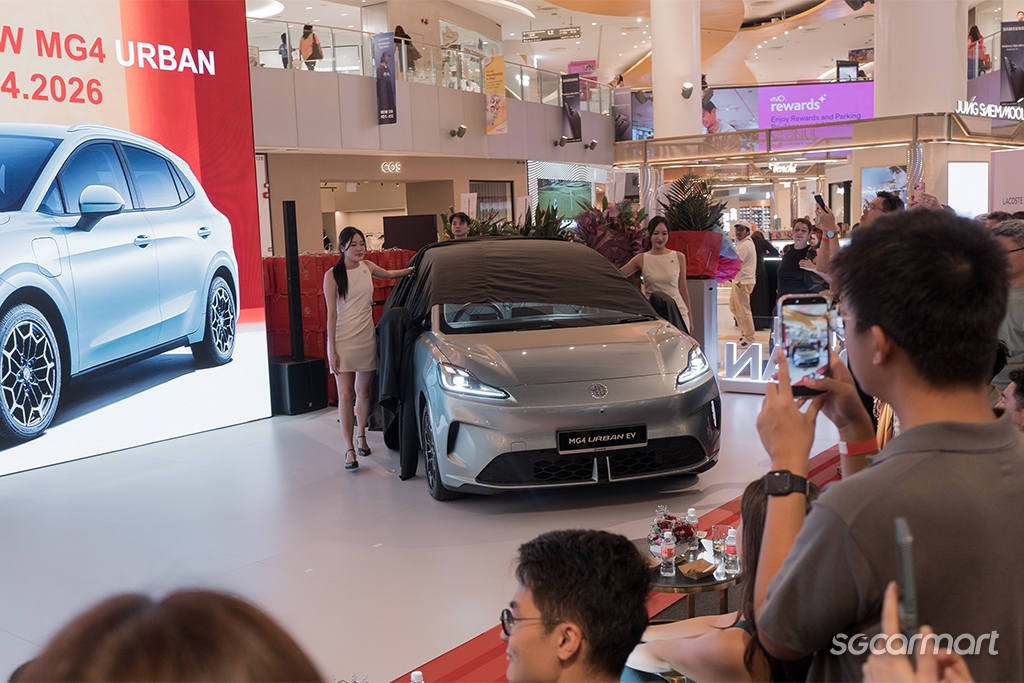
Customers looking for a spacious, entry-level vehicle may well turn their attention to MG's newest kid on the block
The now
I guess it's safe to say that with the recent introduction of this new model, MG has basically offered its customers a choice of two options: For drivability, pick a model like the MGS5. For space, consider the MG4 Urban.
In addition, while most Singaporeans are still hesitant to fully take the plunge into electrification, they might be comforted by the fact that EV batteries are being subjected to strict tests for a higher level of safety, and that advancements are currently ongoing for better range and charging speed.
And with all that's been said, this MG4 Urban may well be the new pacesetter in the compact hatchback segment.
Here are a few other stories you should check out:
Every car in Singapore that currently has a 0% ARF
Space. Fun to drive. Safety.
Those are just a few points that MG Singapore has highlighted about the MG4 Urban EV, its new compact hatchback that celebrated its local launch on 16 April 2026.
To most, this may seem like just another simple car launch. But to those of us in the industry, and to MG especially, the MG4 Urban may just be the car that sets the pace for future models in its segment.
And so, we sat down with Leo Liu, Senior Product Training Manager for MG at SAIC Motor International, to find out just why this unassuming model may be more than it seems.
Leo Liu, Senior Product Training Manager for MG at SAIC Motor International, posing with the MG4 Urban ahead of its local launch
The "pacesetter"
Space, space, and more space. While those may not be Liu's exact words, he places great emphasis on this five-letter word when describing the MG4 Urban's best feature. MG has made the car front-wheel drive, meaning more space in the rear: 480 litres of boot space, to be exact. This goes up to 1,364 litres with the rear seats folded - both class-leading figures for an electric hatchback.
Liu also mentions that while some may see this as a downgrade in terms of drivability, MG sees this as offering a different choice for the customer. He compares this to the previous MG4 EV, which is rear-wheel driven but has less cargo space (398 litres), and says that basically, for a car in this segment, one can't have the best of both worlds - in terms of drivability and space.
When we asked Liu what his favourite feature about the Urban was, we never expected him to say "the trunk"
And as most customers veer more towards an entry-level car, and with space a big factor (especially for families), in this sense, the MG4 Urban ticks all the boxes.
To achieve this, MG tried to make everything more compact in this model (about 20-30%, Liu says). And by utilising cell-to-body technology (one of the first in its segment to do so), the brand was able to increase the vertical height of the model's interior, which now offers more headroom. Combined with a low bonnet for improved visibility and improved aerodynamics, the MG4 Urban is able to travel further than its WLTP figures suggest.
In essence, Liu stresses that with regards to the Urban's segment (compact electric hatchback), MG has found the "sweet spot" with the model's 54kWh battery and combined WLTP range of 405km (586km in the city).
The fear about battery fires may well be valid, but as the stats show, they are somewhat exaggerated
The power source
And on the topic of batteries, it is fair to say that Singapore is still relatively new to EV adoption, and with many concerns about battery fires (somewhat valid but mostly unwarranted, as stats would suggest), we posed this question to Liu. After all, who better to ask than someone with eight years of professional experience in battery engineering research and development?
Liu says that for the automotive industry, batteries undergo a test called "thermal runaway", which in layman terms means that the testers will deliberately induce an uncontrolled, self-heating failure in a battery cell - either via heating, nail penetration (puncture), or overcharging.
The testers will then determine how long the battery can go on for before it stops functioning. Known as the "GB standard" in China, this is actually the strictest and the global standard for battery safety.
As such, "the battery should be able to keep going for two hours", Liu quips. And as MG's models - the Urban, S5, and S6 for example - are held to a much higher standard, "they can withstand for much longer". Additionally, the MG4 Urban has a "fire shield" around its battery cells that is able to withstand temperatures of up to 1200°C for over 30 minutes, providing a higher level of safety.
While the Urban may feature some new tech that makes it a first in its segment, MG is already making plans for the future
The future
Having said all that, it seems that the current state of battery safety is rather impressive, but there will always be room for improvement. As such, one cannot help but wonder about the future advancements that brands are undertaking.
In MG's case, Liu mentions that the brand is constantly raising its standard for battery safety, as well as developing newer battery cell chemistries for an increased range. Producing batteries with higher voltages is also something MG is working on, so as to provide even quicker fast charging.
And regarding the MG4 Urban, Liu highlights that its 54kWh battery is able to deliver up to 405km of combined range because MG has made both its battery and motor more efficient.
By adopting a front-wheel drive and cell-to-body technology, the Urban is able to offer more boot space, headroom, and legroom
With all this talk about batteries, it's also interesting to note that the way the MG4 Urban first came to fruition is because the brand made the battery to fit the car.
Again, this all boils down to space. Liu says that MG wanted to maximise the interior space of the Urban, so its battery was specifically designed with that intent. Looking ahead, MG also plans to introduce more entry-level cars with the same battery.
However, you're less likely to see this battery in a bigger car like an SUV, as those require thicker batteries. It would make a lot more sense to see it in a sedan or a hatchback.
Batteries are the most expensive part of an EV and arguably also the most important, so its no surprise that brands are always looking to improve on it
The next frontier
We've spoken quite a fair bit about batteries, but we decided to poke into Liu's expertise for one last battery-specific question: What's next?
One word (or two, depending on how you look at it): Solid-state.
Currently, in some markets, the MG4 Urban is the first in the brand's lineup to feature its new "SolidCore", which is a new semi-solid battery (in China, this is an optional 70kWh version). With most typical EV batteries utilising liquid electrolytes, SolidCore uses a gel-like substance. In essence, the higher the viscosity, the higher the safety and charging speed.
But MG has set its sights on solid-state batteries for the future, which offer higher energy density and are lighter and more compact, allowing for increased power and range. This would benefit both drivability and space, basically combining the best of both worlds.
Unfortunately, Liu mentions that MG's first generation of semi-solid batteries will not be directly coming to Singapore, although in such a densely populated country like ours, and with local consumers focussing more on price, it's not that huge of a loss.
Customers looking for a spacious, entry-level vehicle may well turn their attention to MG's newest kid on the block
The now
I guess it's safe to say that with the recent introduction of this new model, MG has basically offered its customers a choice of two options: For drivability, pick a model like the MGS5. For space, consider the MG4 Urban.
In addition, while most Singaporeans are still hesitant to fully take the plunge into electrification, they might be comforted by the fact that EV batteries are being subjected to strict tests for a higher level of safety, and that advancements are currently ongoing for better range and charging speed.
And with all that's been said, this MG4 Urban may well be the new pacesetter in the compact hatchback segment.
Here are a few other stories you should check out:
Every car in Singapore that currently has a 0% ARF



Thank You For Your Subscription.


Tags
Products & Services

For Owners
Quick Links
About Sgcarmart