Peugeot 208 in full detail
08 Nov 2011|5,597 views
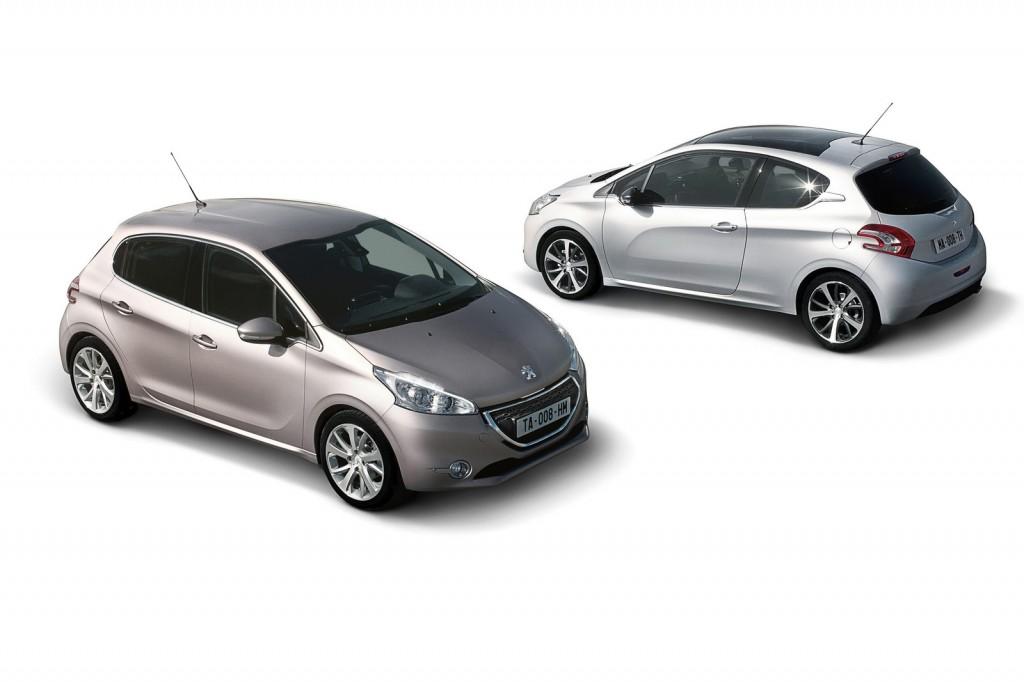

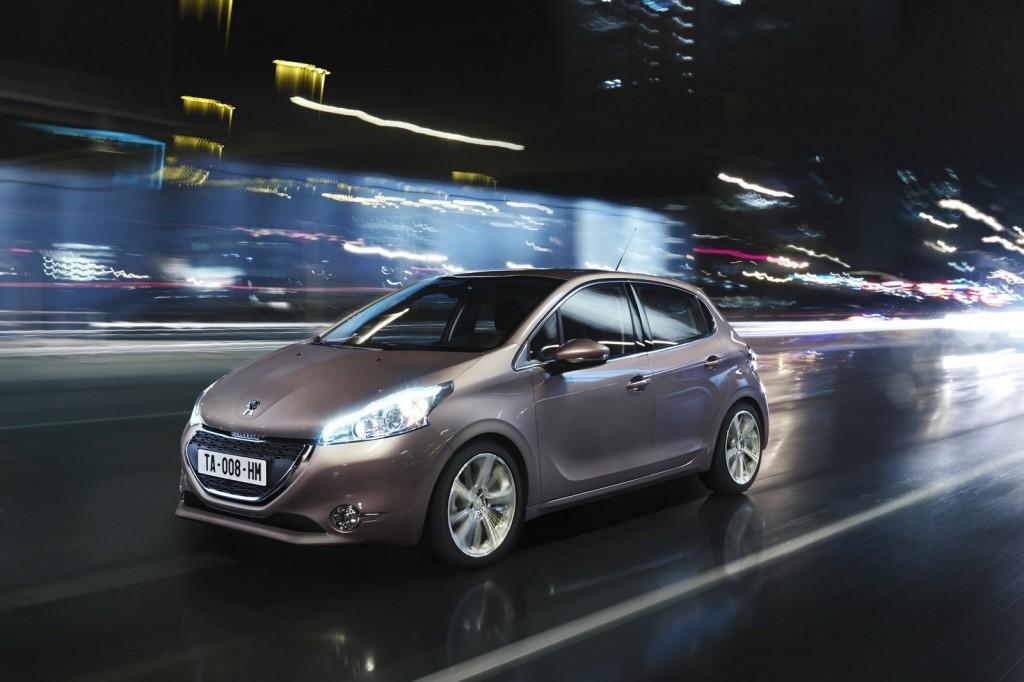

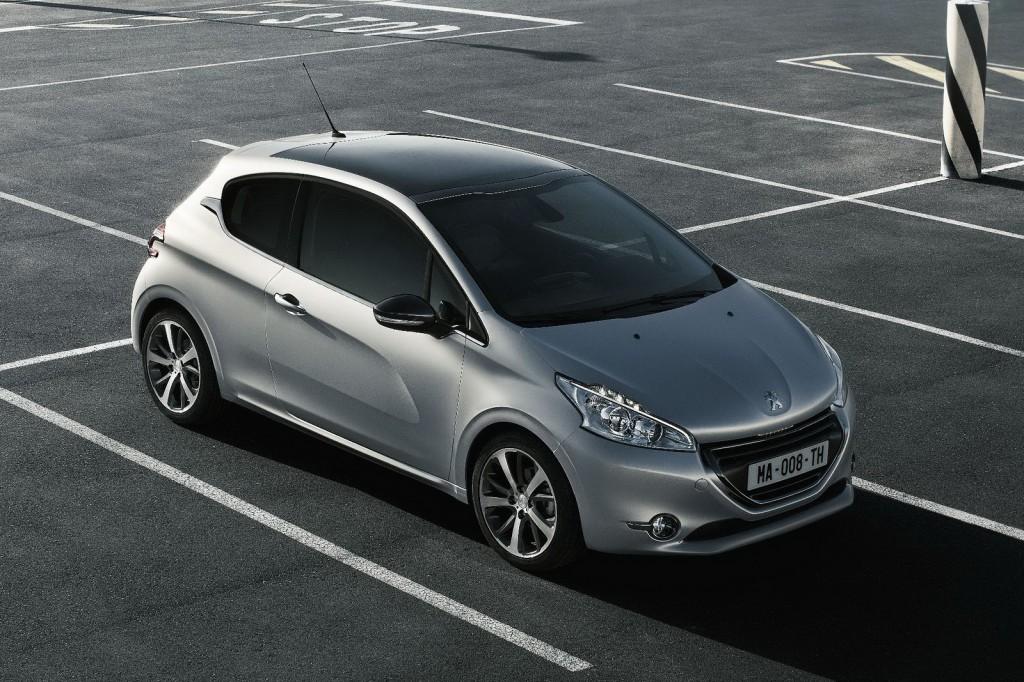
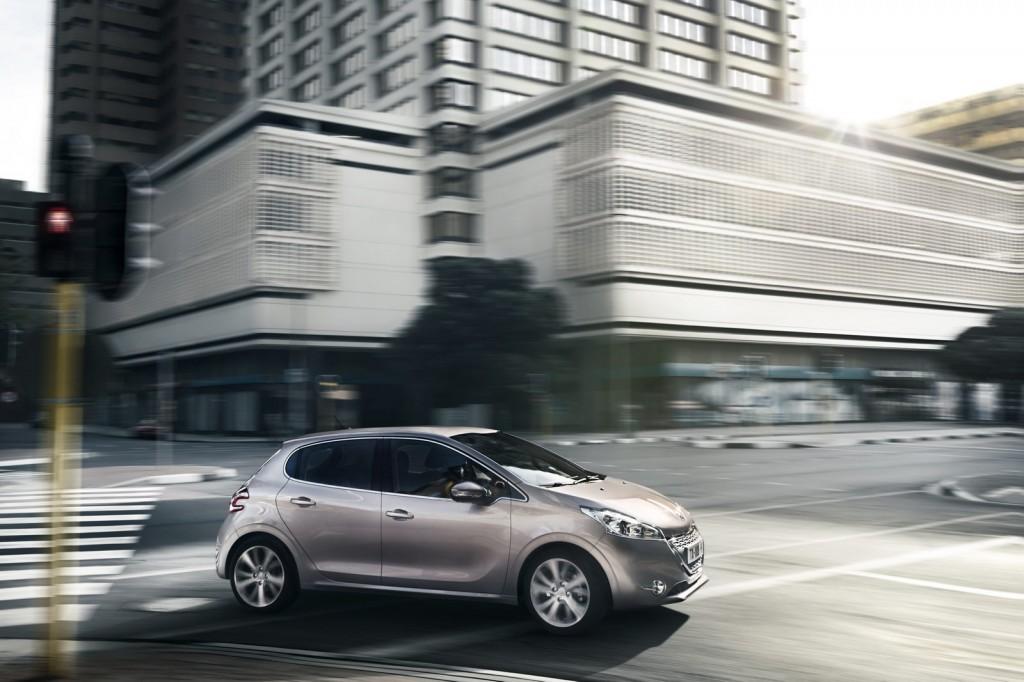

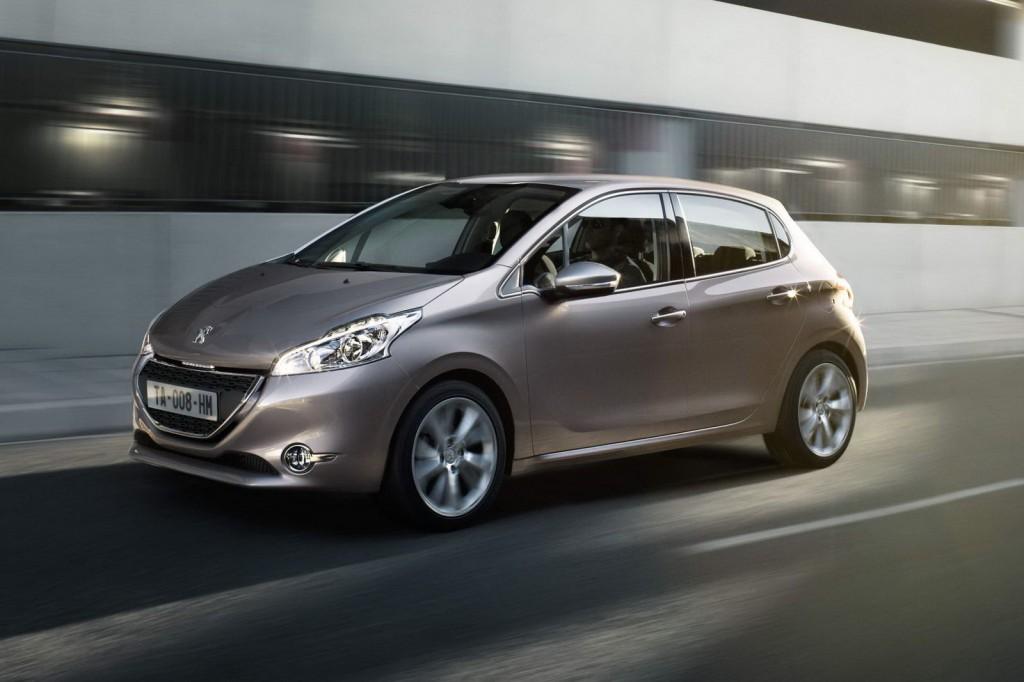
 The 208 is Peugeot’s replacement for the 207, and the car, called A9 internally, will be an important model for Peugeot as it aims to compete in the very competitive B-segment, against the likes of the Ford Fiesta and Toyota Yaris.
Peugeot has used the phrase “Re-Generation” for the 208’s marketing strategy, and the French carmaker’s Marketing and Communications Director, Xavier Peugeot, said: “The 208 is a new illustration of the marque’s project launched two years ago, representing a new stage in Peugeot’s desire to drive itself towards even greater modernity.”
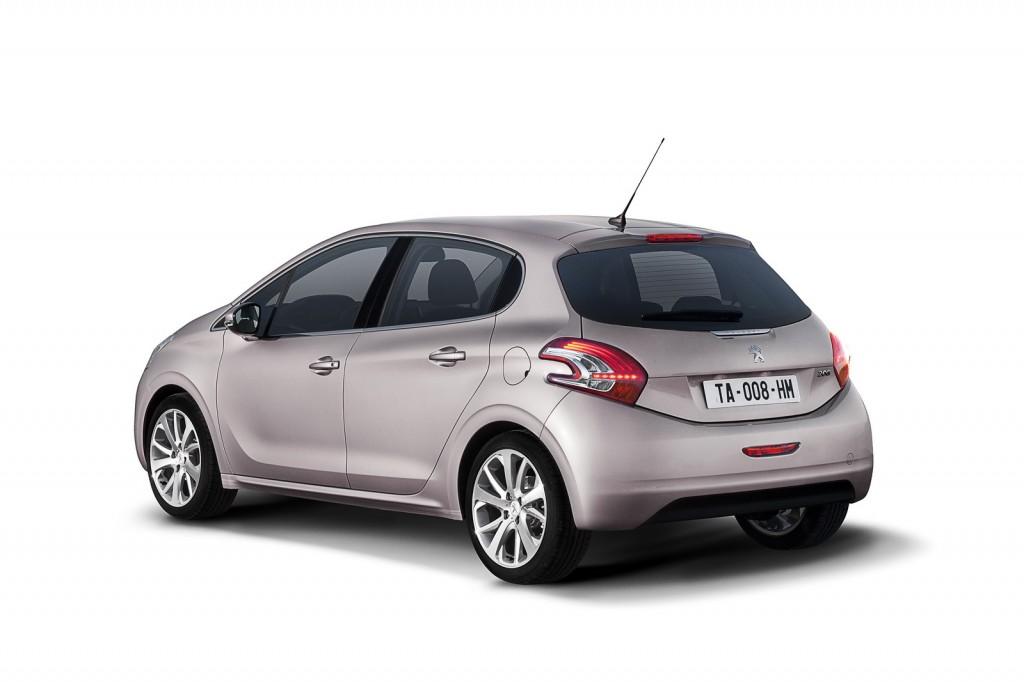
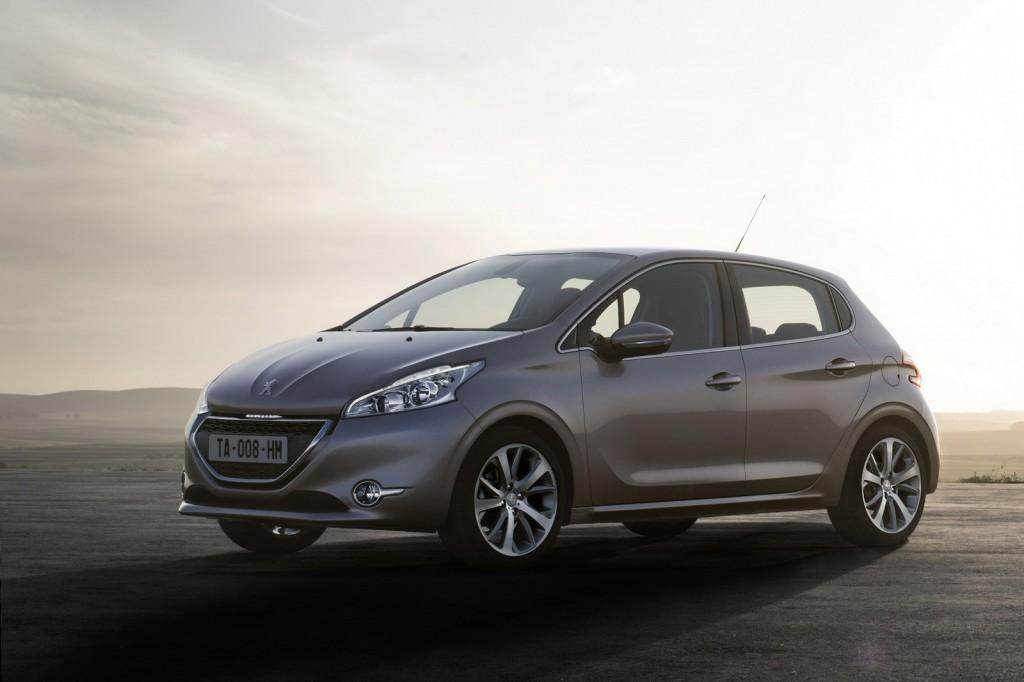
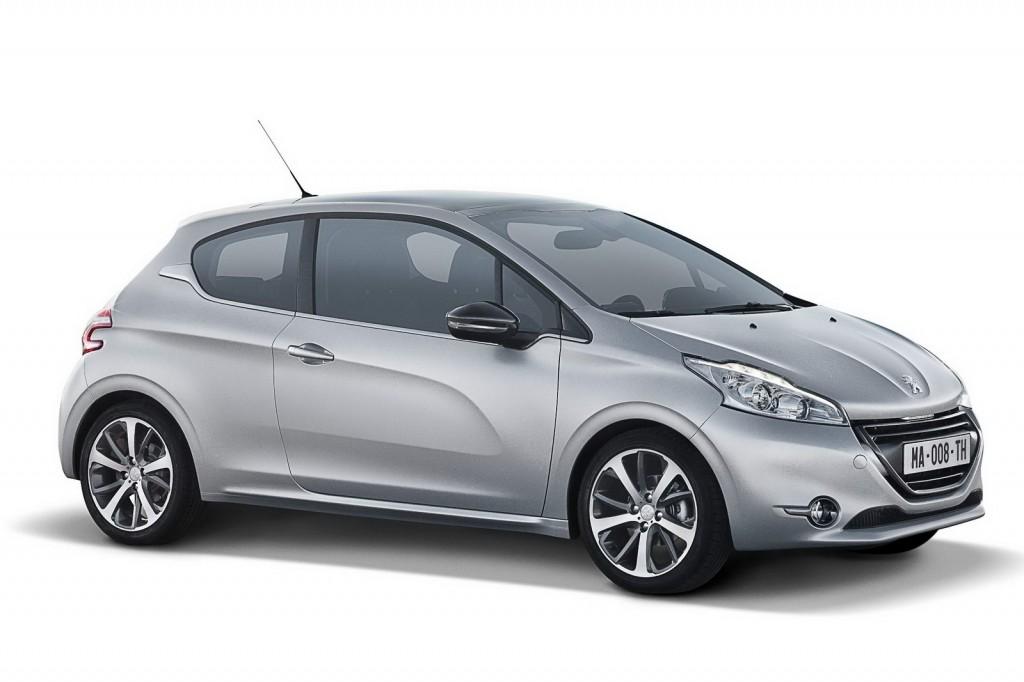
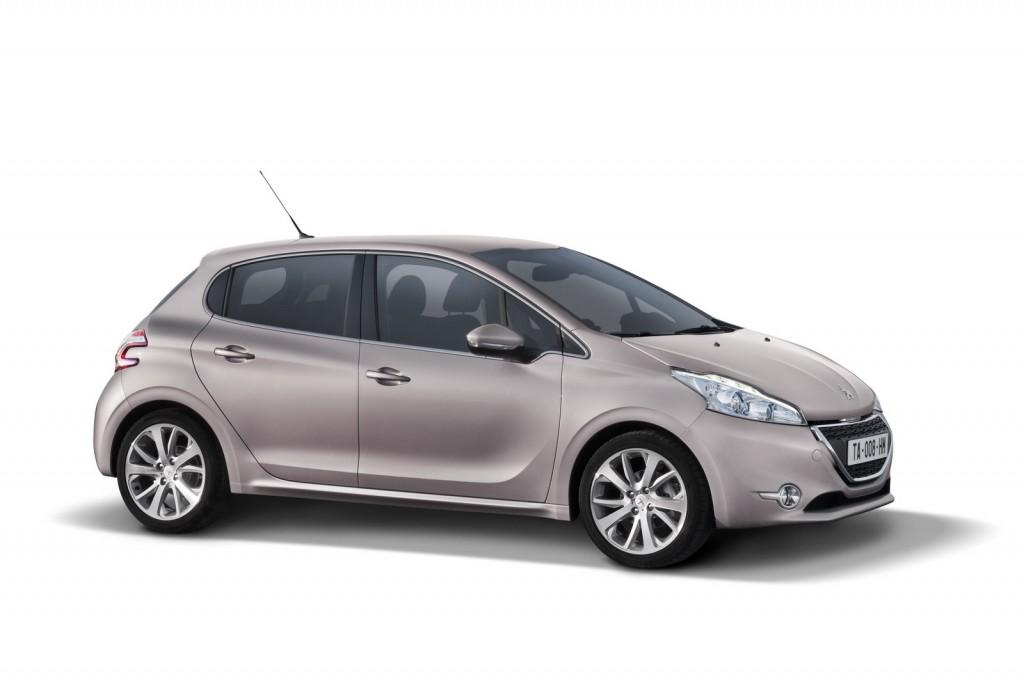
The 208 uses the recently-introduced Peugeot family look, which was first seen on the 508 sedan. These include the “floating” grille, the headlights that stretch back into the front wings and the “boomerang” style tail lamps. The 208's profile is also more sculptured, and is a marked departure from the 207.
Peugeot will offer two body styles for the 208 when the car is launched next year. The three-door model gets a more pronounced side curve that extends all the way to the rear lights, a slightly more sloped roofline, thicker C-pillar and a smaller glasshouse that is reminiscent of the 206. Peugeot is also planning all-new 208CC coupe-convertible and 208SW estate variants.
“The strength of the 208 lies in its style”, says Gilles Vidal, Peugeot’s Style Director. “It is a real ball of energy. It has the potential to please everyone, like a popular piece of music that touches the human soul regardless of culture.”
The 208 is smaller overall than the 207, with the new car measuring 70mm shorter in length and 10mm shorter in height. The car is also about 110kg lighter on average than its predecessor, but despite that, the 208 is claimed to be roomier for passengers, thanks to clever packaging, with 50mm more knee room as well as a 15-litre bigger boot capacity.
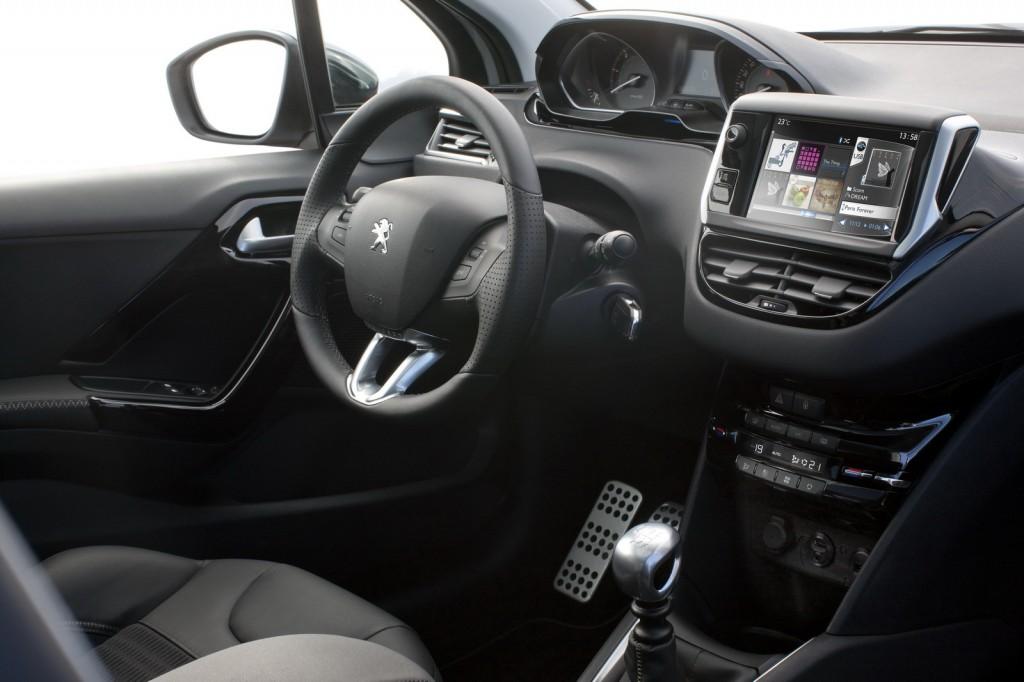
The interior has been completely redesigned, and features a reach-and-height adjustable steering wheel and an instrument panel that is positioned much higher than before. Peugeot claims that the elevated instrument binnacle, along with the touch screen that is set high on the centre console above the central air vents, enables the driver to gain all important information at a glance, further enhancing safety.
Three three-cylinder petrol engines will be available for the208 at launch, with variable valve timing and a capacity of 1.0- and 1.2-litres that offer low fuel consumption. Peugeot will also offer three e-HDi “micro-hybrid” turbo diesels with an auto stop and start system for European markets. Peugeot is emphasising on the 208’s eco-friendliness. Apart from the lower emissions, polymers used in its construction have a 25% content of “green”, that is recycled or natural, origin. According to Peugeot, the exclusive use of these materials in the construction of the rear bumper saves 1,600 tons of fuel in fuel in manufacturing annually.
Source: Peugeot
The 208 is Peugeot’s replacement for the 207, and the car, called A9 internally, will be an important model for Peugeot as it aims to compete in the very competitive B-segment, against the likes of the Ford Fiesta and Toyota Yaris.
Peugeot has used the phrase “Re-Generation” for the 208’s marketing strategy, and the French carmaker’s Marketing and Communications Director, Xavier Peugeot, said: “The 208 is a new illustration of the marque’s project launched two years ago, representing a new stage in Peugeot’s desire to drive itself towards even greater modernity.”
The 208 uses the recently-introduced Peugeot family look, which was first seen on the 508 sedan. These include the “floating” grille, the headlights that stretch back into the front wings and the “boomerang” style tail lamps. The 208's profile is also more sculptured, and is a marked departure from the 207.
Peugeot will offer two body styles for the 208 when the car is launched next year. The three-door model gets a more pronounced side curve that extends all the way to the rear lights, a slightly more sloped roofline, thicker C-pillar and a smaller glasshouse that is reminiscent of the 206. Peugeot is also planning all-new 208CC coupe-convertible and 208SW estate variants.
“The strength of the 208 lies in its style”, says Gilles Vidal, Peugeot’s Style Director. “It is a real ball of energy. It has the potential to please everyone, like a popular piece of music that touches the human soul regardless of culture.”
The 208 is smaller overall than the 207, with the new car measuring 70mm shorter in length and 10mm shorter in height. The car is also about 110kg lighter on average than its predecessor, but despite that, the 208 is claimed to be roomier for passengers, thanks to clever packaging, with 50mm more knee room as well as a 15-litre bigger boot capacity.
The interior has been completely redesigned, and features a reach-and-height adjustable steering wheel and an instrument panel that is positioned much higher than before. Peugeot claims that the elevated instrument binnacle, along with the touch screen that is set high on the centre console above the central air vents, enables the driver to gain all important information at a glance, further enhancing safety.
Three three-cylinder petrol engines will be available for the208 at launch, with variable valve timing and a capacity of 1.0- and 1.2-litres that offer low fuel consumption. Peugeot will also offer three e-HDi “micro-hybrid” turbo diesels with an auto stop and start system for European markets. Peugeot is emphasising on the 208’s eco-friendliness. Apart from the lower emissions, polymers used in its construction have a 25% content of “green”, that is recycled or natural, origin. According to Peugeot, the exclusive use of these materials in the construction of the rear bumper saves 1,600 tons of fuel in fuel in manufacturing annually.
Source: Peugeot
Peugeot has used the phrase “Re-Generation” for the 208’s marketing strategy, and the French carmaker’s Marketing and Communications Director, Xavier Peugeot, said: “The 208 is a new illustration of the marque’s project launched two years ago, representing a new stage in Peugeot’s desire to drive itself towards even greater modernity.”
The 208 uses the recently-introduced Peugeot family look, which was first seen on the 508 sedan. These include the “floating” grille, the headlights that stretch back into the front wings and the “boomerang” style tail lamps. The 208's profile is also more sculptured, and is a marked departure from the 207.
Peugeot will offer two body styles for the 208 when the car is launched next year. The three-door model gets a more pronounced side curve that extends all the way to the rear lights, a slightly more sloped roofline, thicker C-pillar and a smaller glasshouse that is reminiscent of the 206. Peugeot is also planning all-new 208CC coupe-convertible and 208SW estate variants.
“The strength of the 208 lies in its style”, says Gilles Vidal, Peugeot’s Style Director. “It is a real ball of energy. It has the potential to please everyone, like a popular piece of music that touches the human soul regardless of culture.”
The 208 is smaller overall than the 207, with the new car measuring 70mm shorter in length and 10mm shorter in height. The car is also about 110kg lighter on average than its predecessor, but despite that, the 208 is claimed to be roomier for passengers, thanks to clever packaging, with 50mm more knee room as well as a 15-litre bigger boot capacity.
The interior has been completely redesigned, and features a reach-and-height adjustable steering wheel and an instrument panel that is positioned much higher than before. Peugeot claims that the elevated instrument binnacle, along with the touch screen that is set high on the centre console above the central air vents, enables the driver to gain all important information at a glance, further enhancing safety.
Three three-cylinder petrol engines will be available for the208 at launch, with variable valve timing and a capacity of 1.0- and 1.2-litres that offer low fuel consumption. Peugeot will also offer three e-HDi “micro-hybrid” turbo diesels with an auto stop and start system for European markets. Peugeot is emphasising on the 208’s eco-friendliness. Apart from the lower emissions, polymers used in its construction have a 25% content of “green”, that is recycled or natural, origin. According to Peugeot, the exclusive use of these materials in the construction of the rear bumper saves 1,600 tons of fuel in fuel in manufacturing annually.
Source: Peugeot


Latest COE Prices
March 2026 | 2nd BIDDING
NEXT TENDER: 08 Apr 2026
CAT A$111,890
CAT B$115,568
CAT C$78,000
CAT E$118,119
View Full Results 
Thank You For Your Subscription.

Tags
Products & Services

For Owners
Quick Links
About Sgcarmart