Steer-by-wire to be offered on the updated Mercedes-Benz EQS
07 Apr 2026|151 views
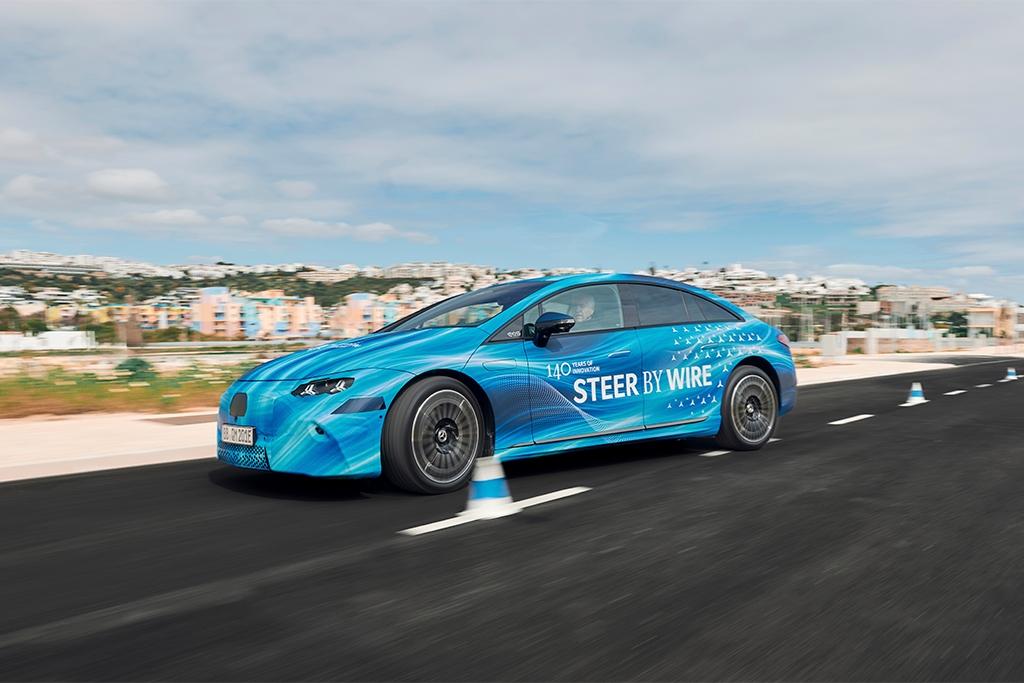
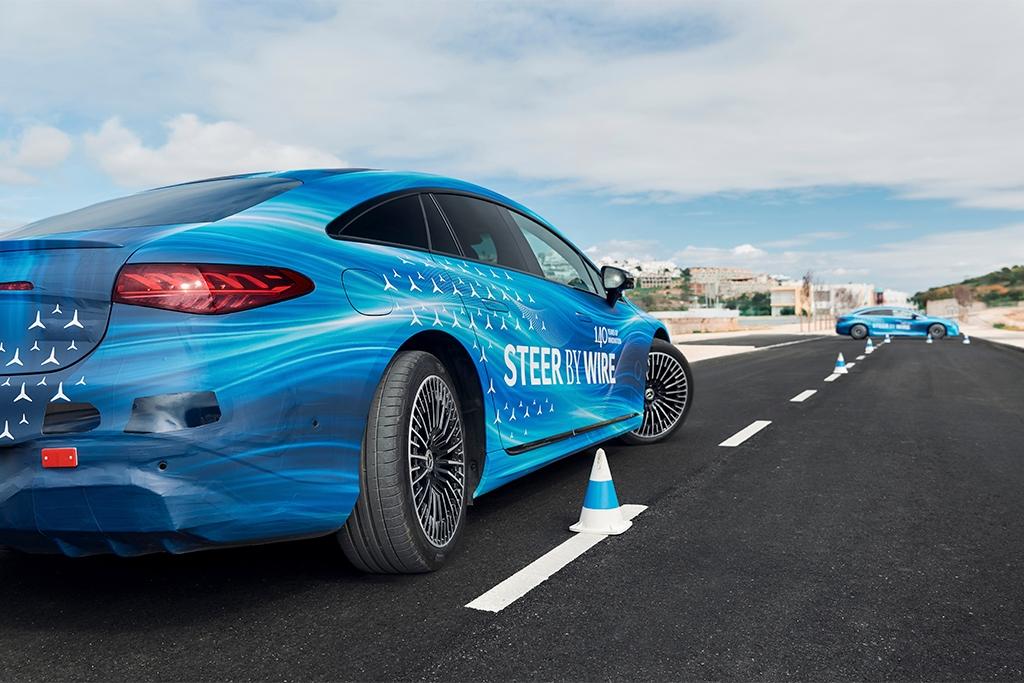
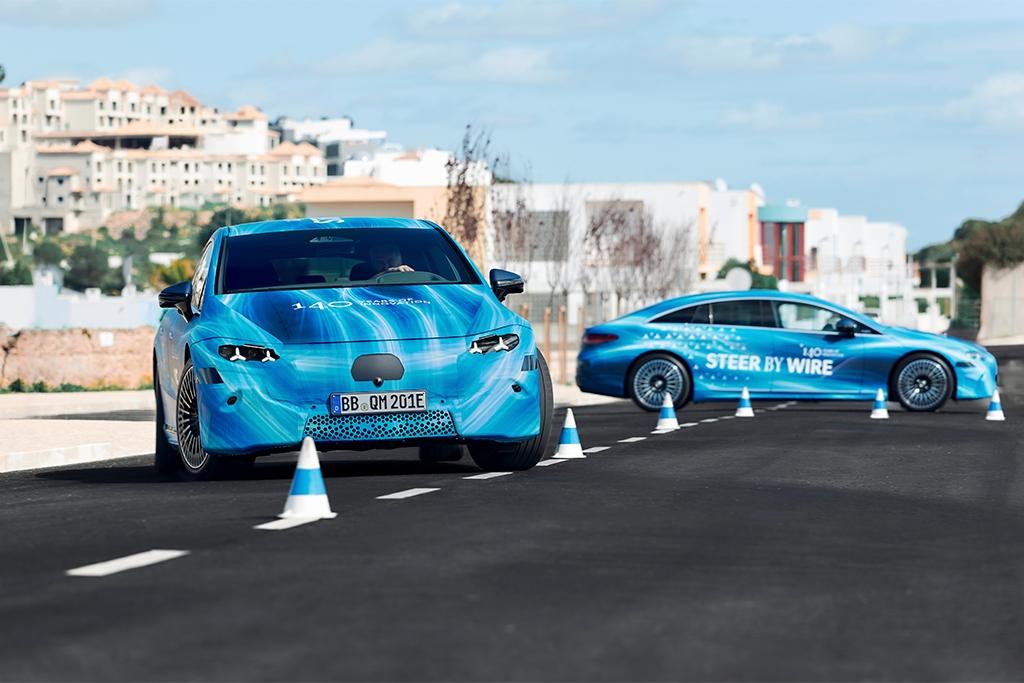


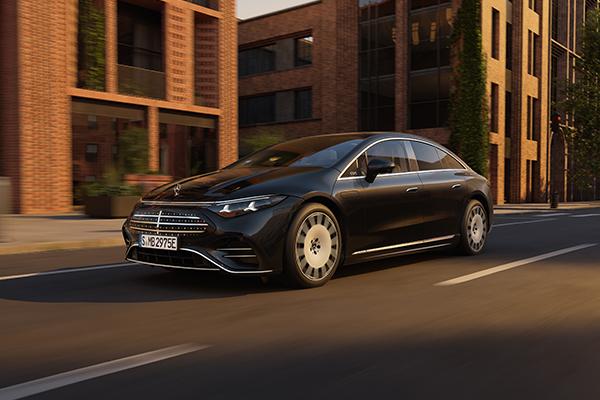
Just months after its market launch, the new EQS will be the first Mercedes-Benz model to be introduced with a production-ready steer-by-wire system, bringing to reality a promise the brand made in 2025.
For context, steer-by-wire is a technology or system that removes the physical mechanical connection between the steering wheel and the wheels, instead replacing it with electrical signals. Essentially, the steering wheel becomes a "digital controller" of sorts.
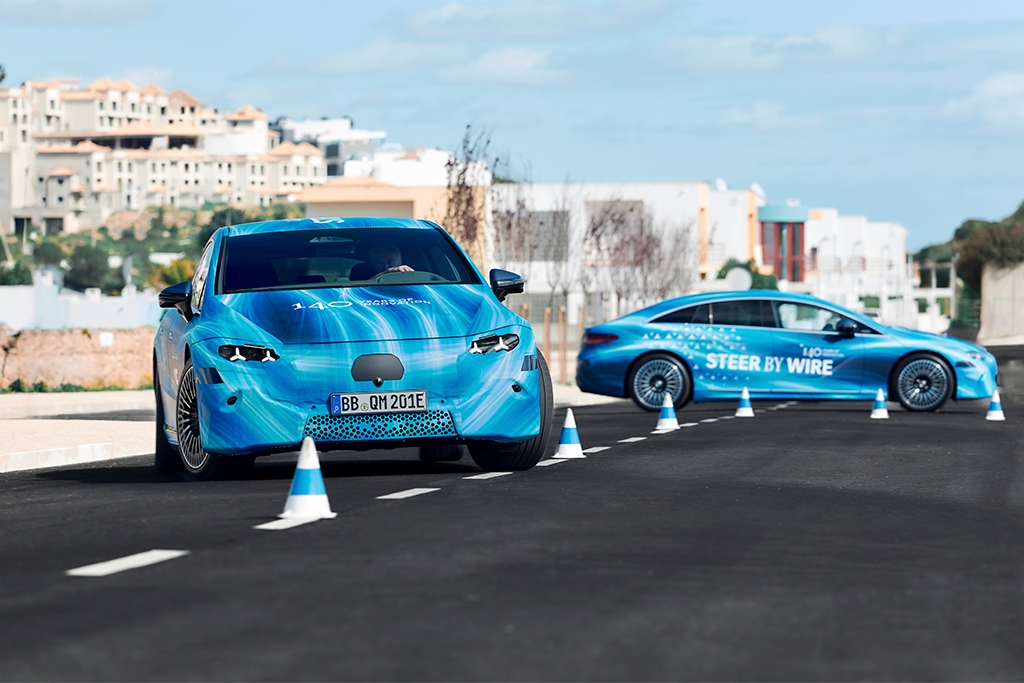
The new steer-by-wire system has already completed over one million test kilometers on test benches, proving grounds, and during overall vehicle validation in road traffic
And this offers numerous advantages in everyday driving too. For instance - driving dynamics benefit from it, and manoeuvring and parking becomes much easier. This is because the effort required is reduced, eliminating the need for drivers to reposition their hands on the steering wheel.
In addition, undesired vibrations caused by uneven road surfaces - previously transmitted to the driver via the steering wheel - can also be eliminated. Tyre-road contact is calculated and generated using a model based on the restoring forces of the steered wheels, maintaining a precise and intuitive steering feel.
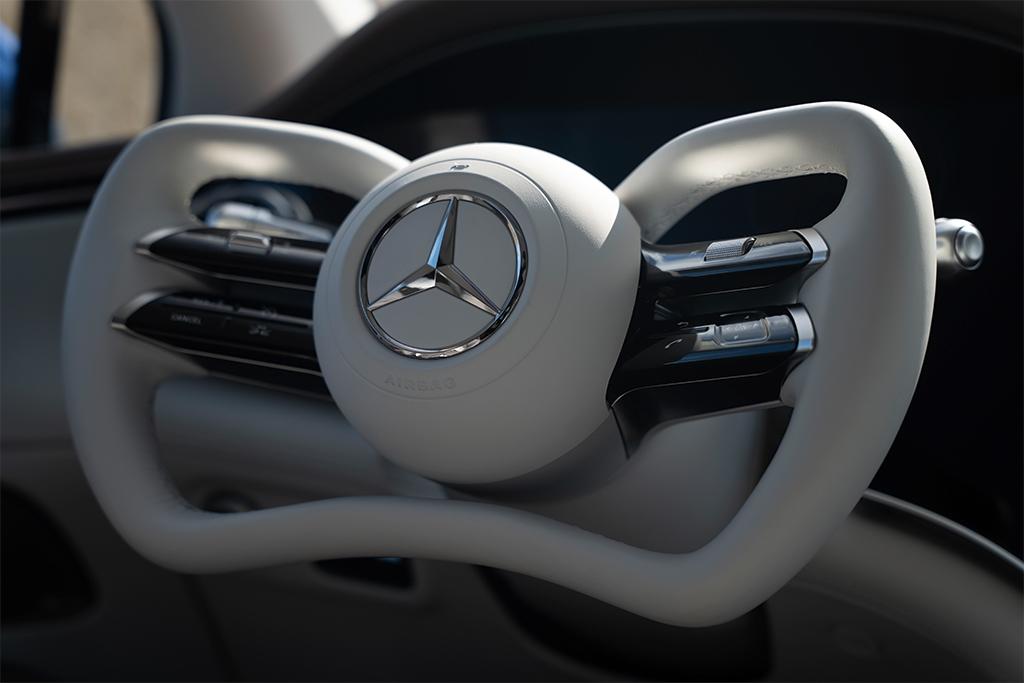
This system also results in a new feel for the interior, with the flatter steering wheel visually and physically opening up more space, which improves the view of the driver display as well as making entry and exit easier.
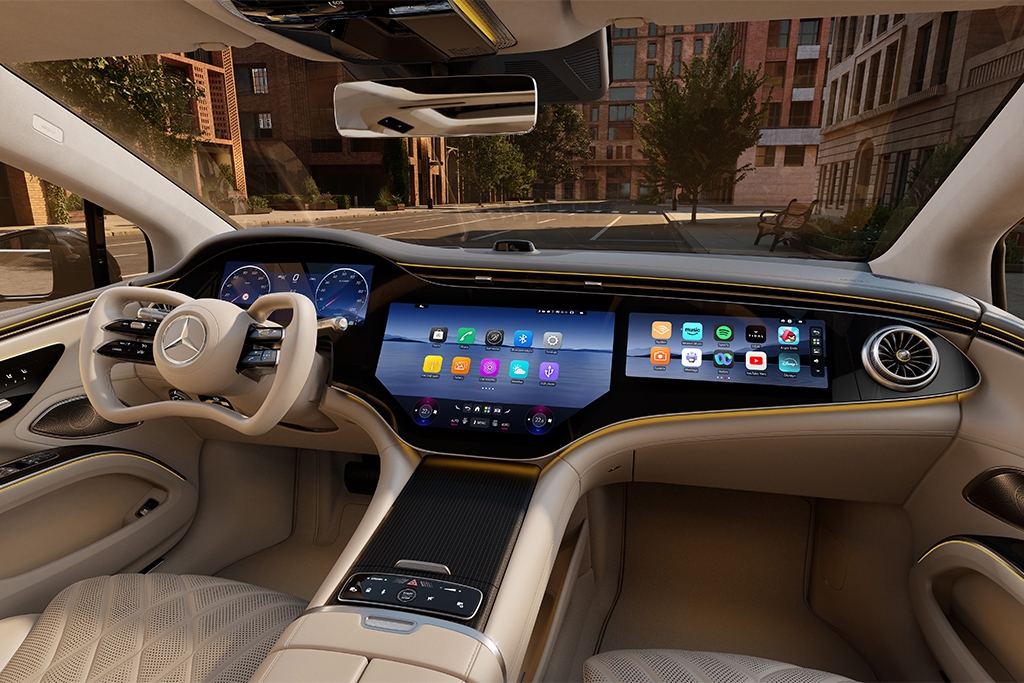
The new steer-by-wire system also opens up space in the interior, improving the view of the driver display and makes getting in and out a lot easier
Driving characteristics (such as driving stability and lateral agility) that were previously at odds have now been optimised, with the Mercedes-Benz chassis specialists adapting the steering ratio to different situations. And there is also better interplay with the rear-axle steering, allowing the rear wheels to steer in parallel with the front wheels at higher speeds to ensure reassuring stability and a safer driving experience.
As is common with anything new, to ease consumer concerns, the new system has completed over one million test kilometres on test benches, proving grounds, and overall vehicle validation in road traffic. And in keeping with its high safety standards, Mercedes-Benz also relies on a redundant system architecture, making sure that there are always two signal paths to always guarantee steering capability. This is so that in the unlikely event of a complete failure, lateral control is still possible; in essence, to keep the vehicle straight.
Mercedes-Benz has said that the EQS will come with the steer-by-wire capability as standard, in combination with all powertrain options and 10-degree rear-axle steering. As an alternative to this optional system, the brand will also continue to offer electromechanical steering.
Just months after its market launch, the new EQS will be the first Mercedes-Benz model to be introduced with a production-ready steer-by-wire system, bringing to reality a promise the brand made in 2025.
For context, steer-by-wire is a technology or system that removes the physical mechanical connection between the steering wheel and the wheels, instead replacing it with electrical signals. Essentially, the steering wheel becomes a "digital controller" of sorts.
The new steer-by-wire system has already completed over one million test kilometers on test benches, proving grounds, and during overall vehicle validation in road traffic
And this offers numerous advantages in everyday driving too. For instance - driving dynamics benefit from it, and manoeuvring and parking becomes much easier. This is because the effort required is reduced, eliminating the need for drivers to reposition their hands on the steering wheel.
In addition, undesired vibrations caused by uneven road surfaces - previously transmitted to the driver via the steering wheel - can also be eliminated. Tyre-road contact is calculated and generated using a model based on the restoring forces of the steered wheels, maintaining a precise and intuitive steering feel.
This system also results in a new feel for the interior, with the flatter steering wheel visually and physically opening up more space, which improves the view of the driver display as well as making entry and exit easier.
The new steer-by-wire system also opens up space in the interior, improving the view of the driver display and makes getting in and out a lot easier
Driving characteristics (such as driving stability and lateral agility) that were previously at odds have now been optimised, with the Mercedes-Benz chassis specialists adapting the steering ratio to different situations. And there is also better interplay with the rear-axle steering, allowing the rear wheels to steer in parallel with the front wheels at higher speeds to ensure reassuring stability and a safer driving experience.
As is common with anything new, to ease consumer concerns, the new system has completed over one million test kilometres on test benches, proving grounds, and overall vehicle validation in road traffic. And in keeping with its high safety standards, Mercedes-Benz also relies on a redundant system architecture, making sure that there are always two signal paths to always guarantee steering capability. This is so that in the unlikely event of a complete failure, lateral control is still possible; in essence, to keep the vehicle straight.
Mercedes-Benz has said that the EQS will come with the steer-by-wire capability as standard, in combination with all powertrain options and 10-degree rear-axle steering. As an alternative to this optional system, the brand will also continue to offer electromechanical steering.


Latest COE Prices
May 2026 | 2nd BIDDING
NEXT TENDER: 04 Jun 2026
CAT A$124,229
CAT B$129,501
CAT C$92,223
CAT E$130,000
View Full Results 
Thank You For Your Subscription.





Tags
Products & Services

For Owners
Quick Links
About Sgcarmart