Volkswagen showcases the Milan EV taxi concept
22 Apr 2010|2,553 views
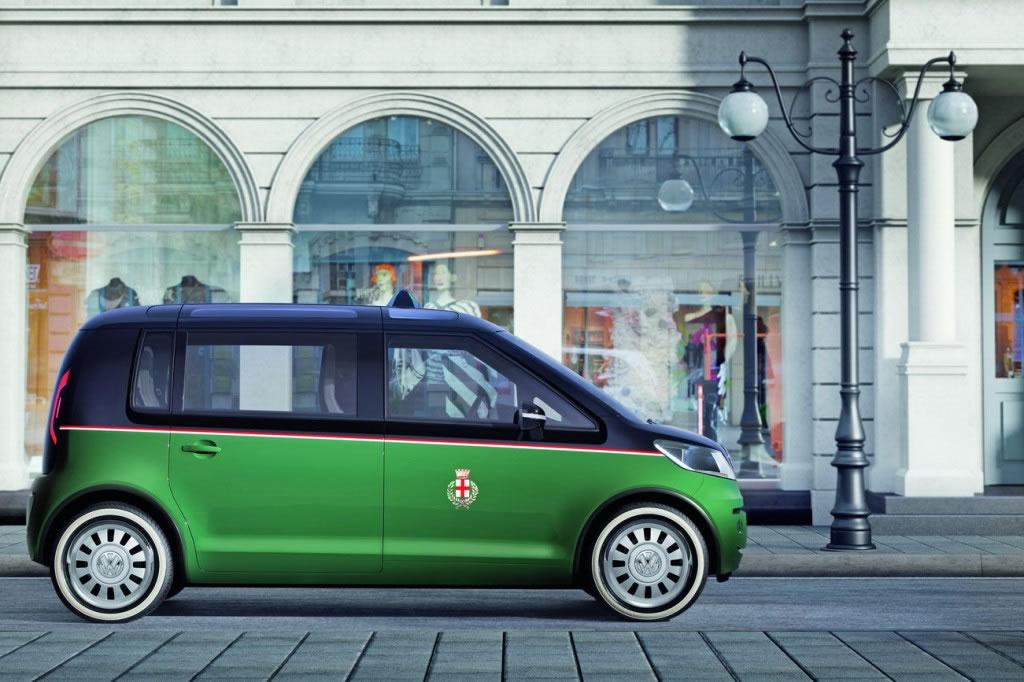
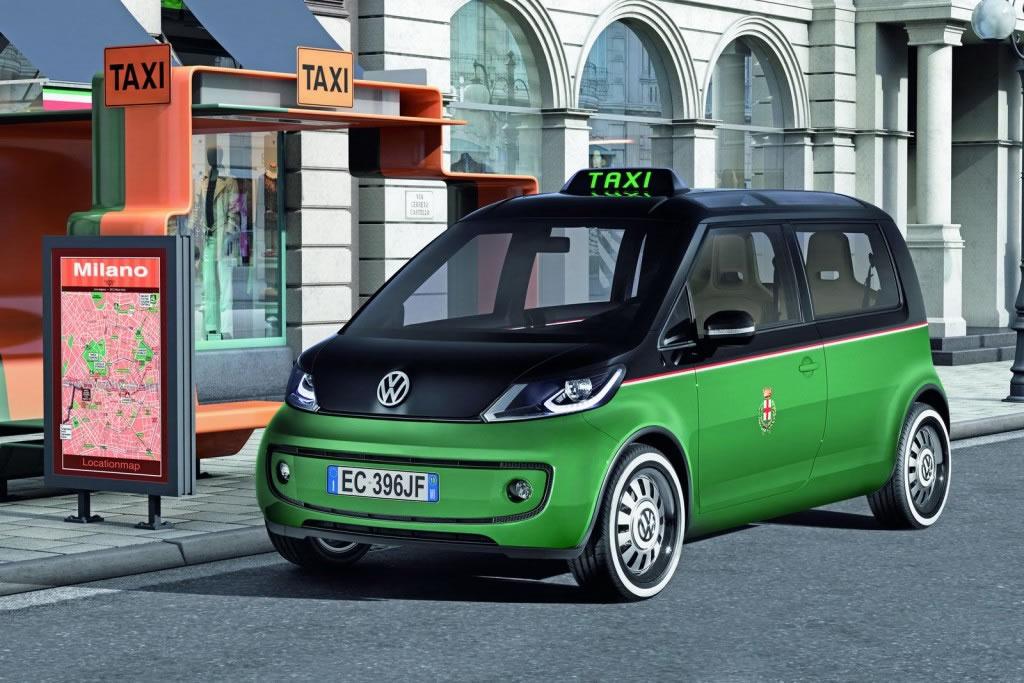
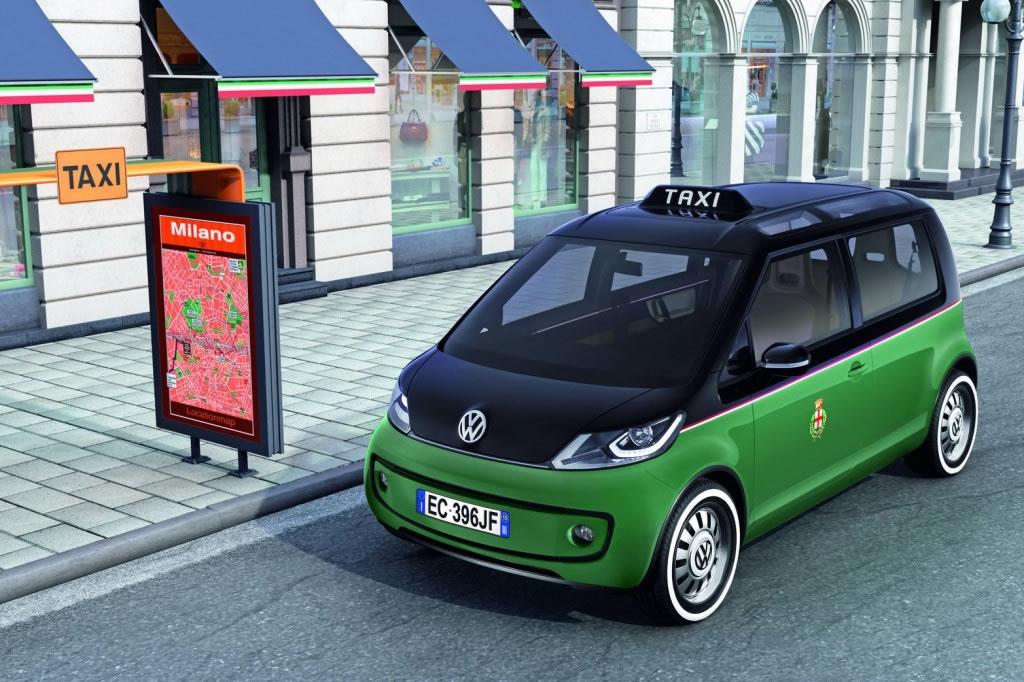
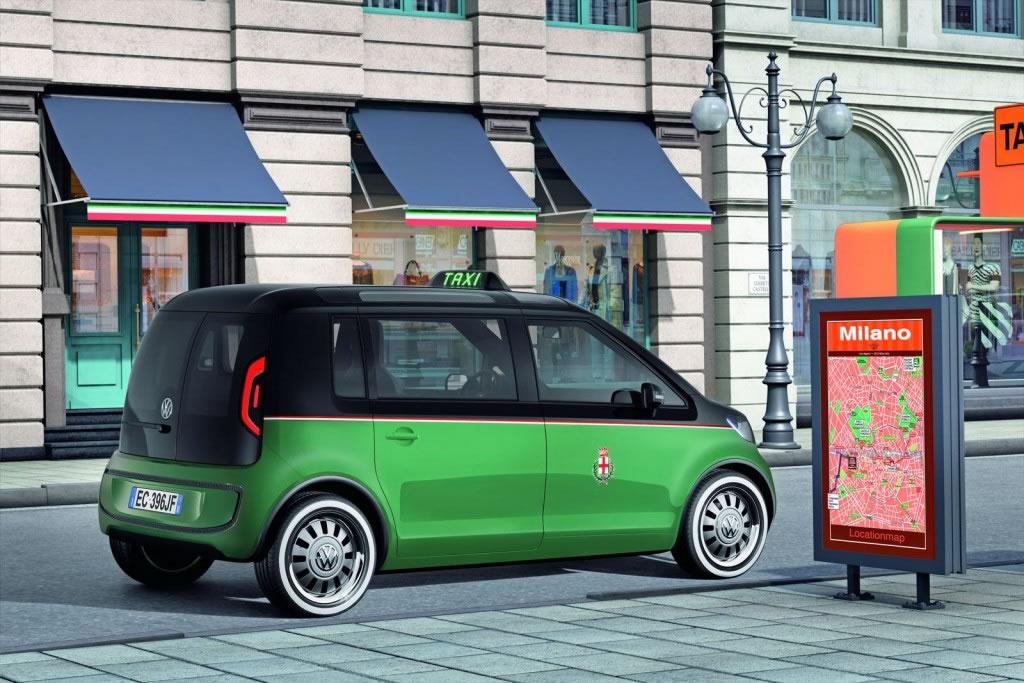
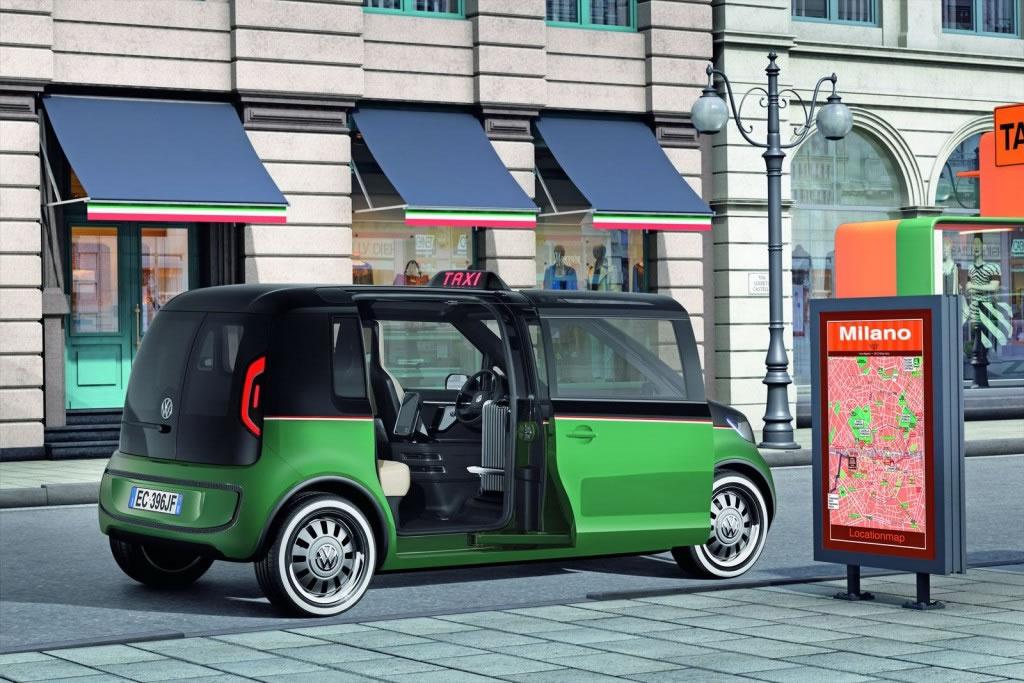
Volkswagen says that the Milan electric vehicle, which is part of the company's Up! series of concept cars, is the prototype for a future generation of urban taxis, which will be powered by electric motors. Volkswagen intends to market the Milan EV taxi in cities such as New York City, Cape Town, Milan, Berlin, Tokyo and Moscow.
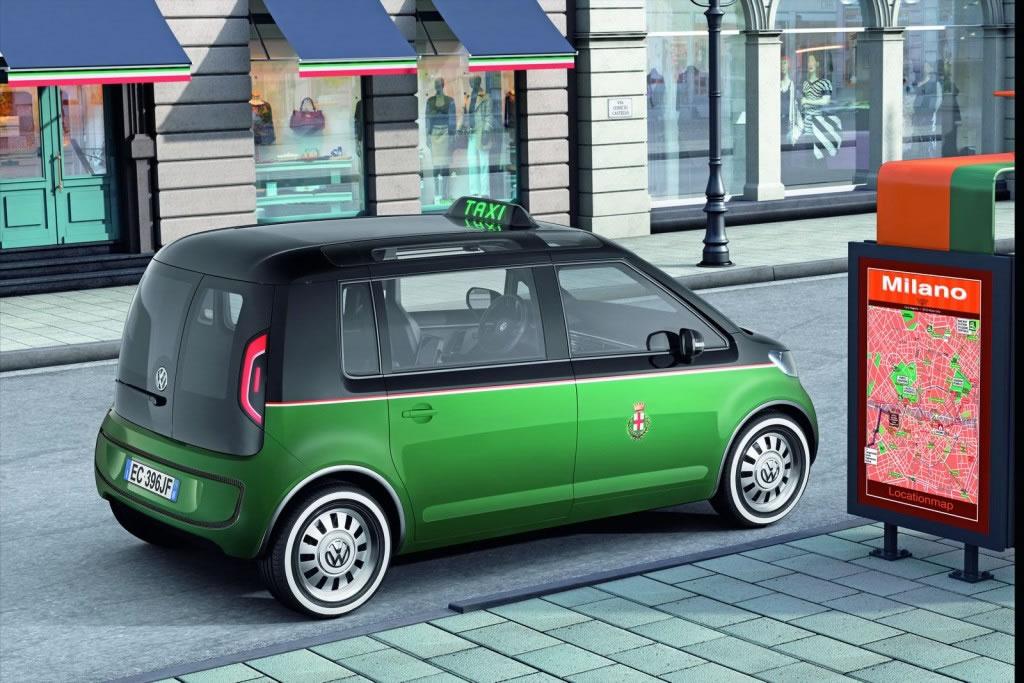
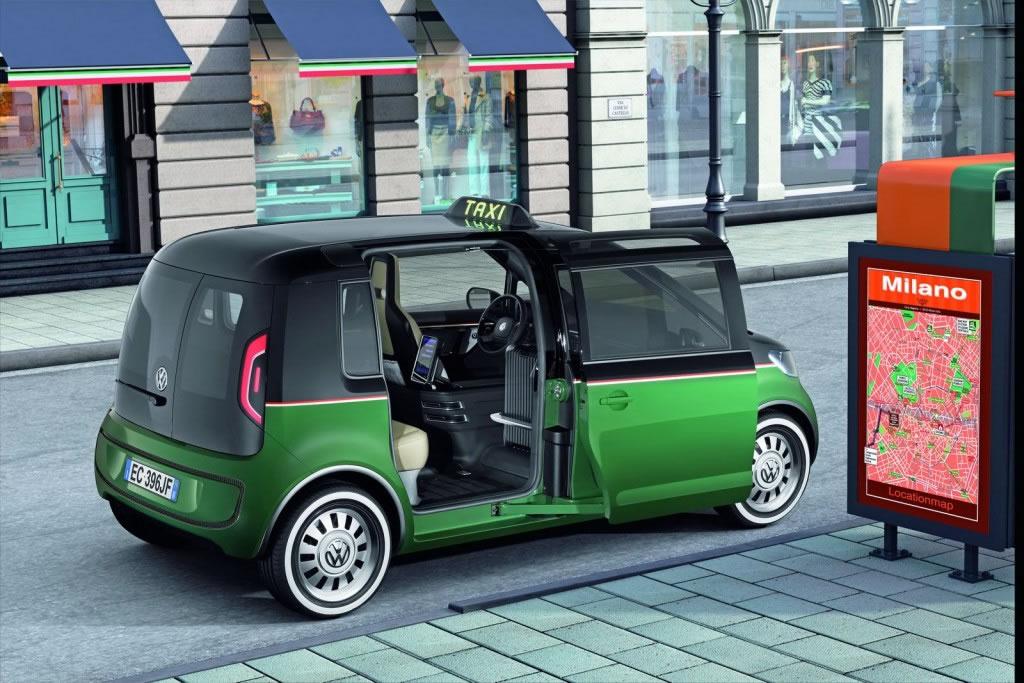
The concept is painted in the green and black livery as the taxicabs of Milan, which is also where it gets its name from. The most noticeable feature of the Milan EV taxi concept is the single sliding door on the passenger side which extends partly into the roof and slides forward to the point of reaching the A-pillar.
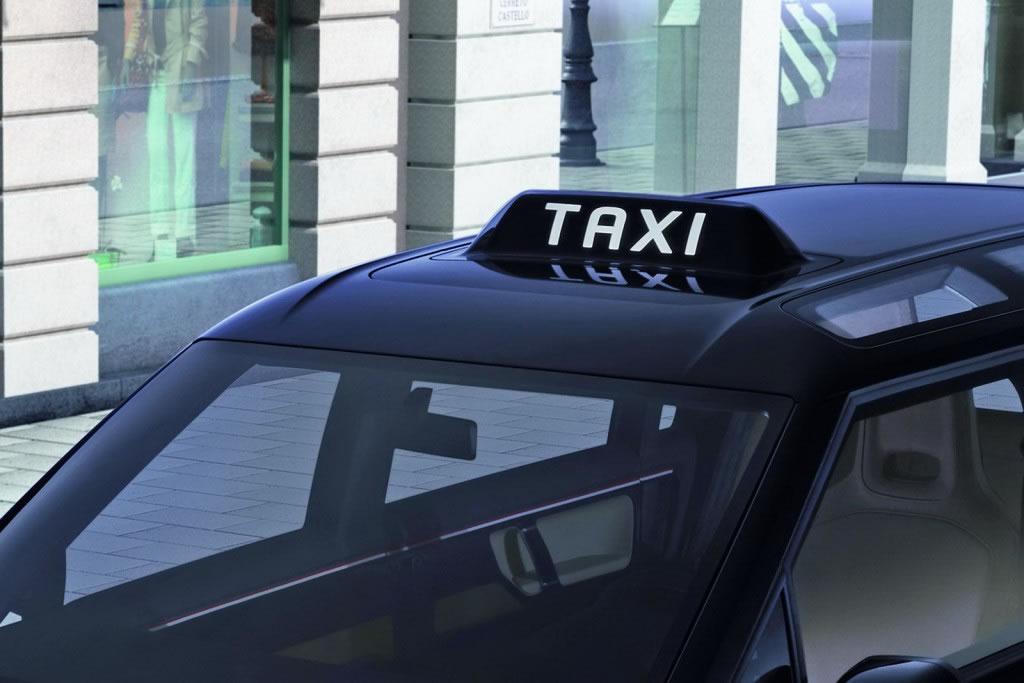
The Milan EV taxi concept also previews a number of future design cues for future Volkswagen cars, such as the absence of a front grille, the inclusion of a transparent crossbar between the headlights. A taxi sign sits on top of the concept car, and can be illuminated in three different colours, depending on whether the car is available or not.
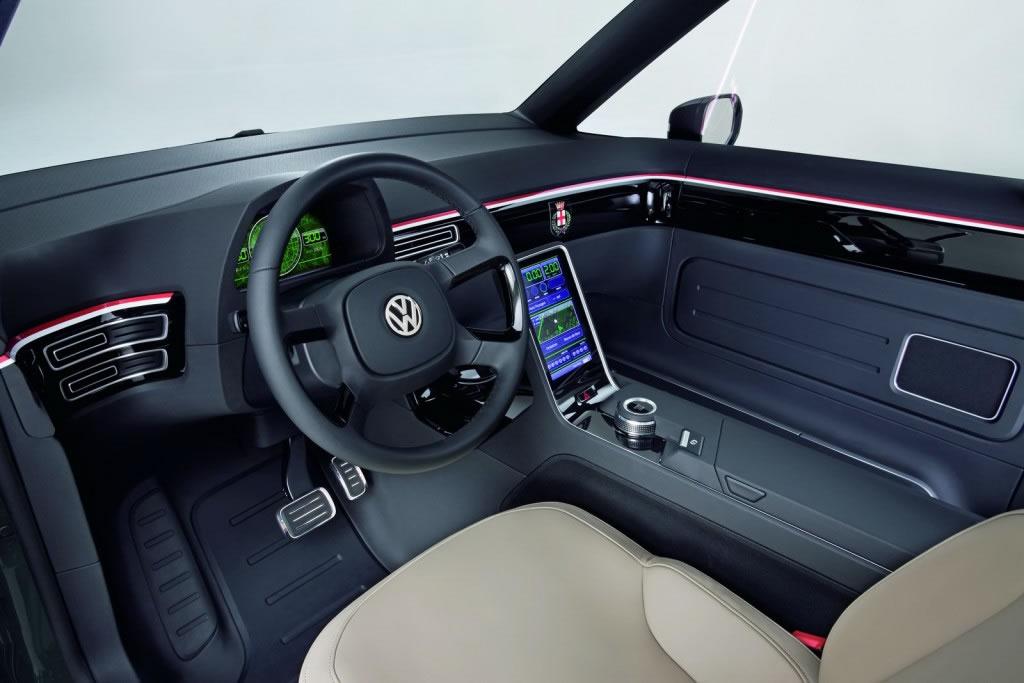
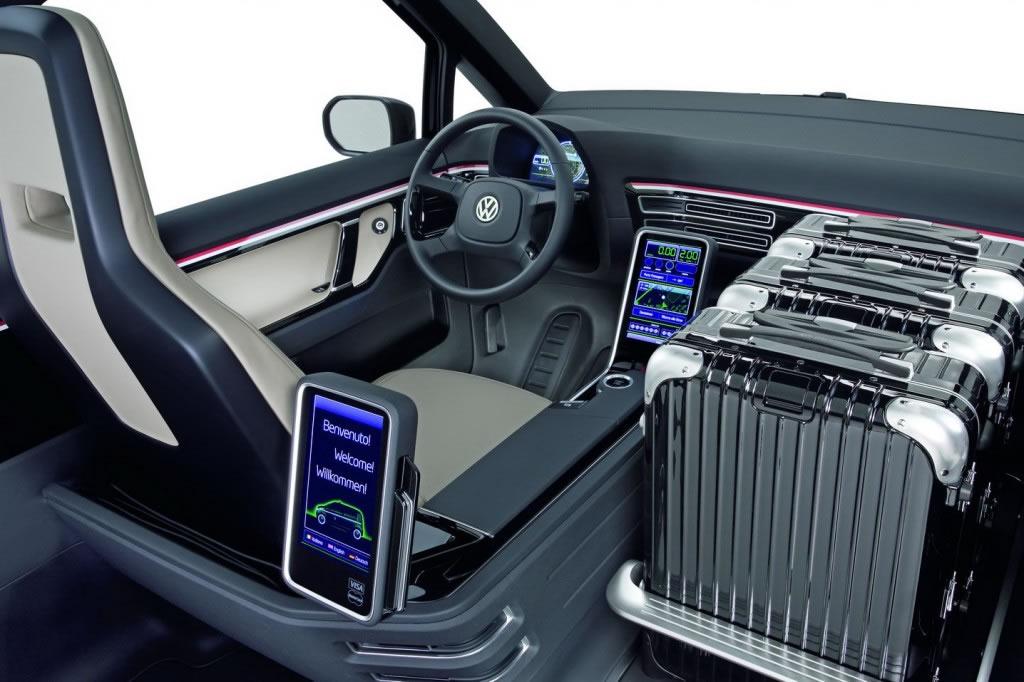
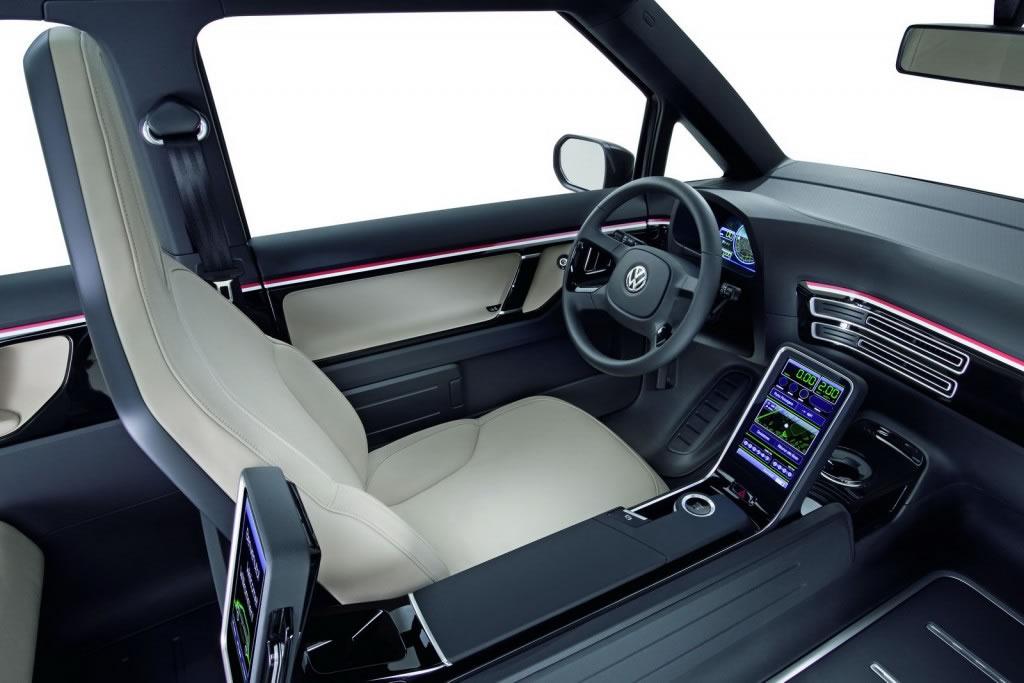
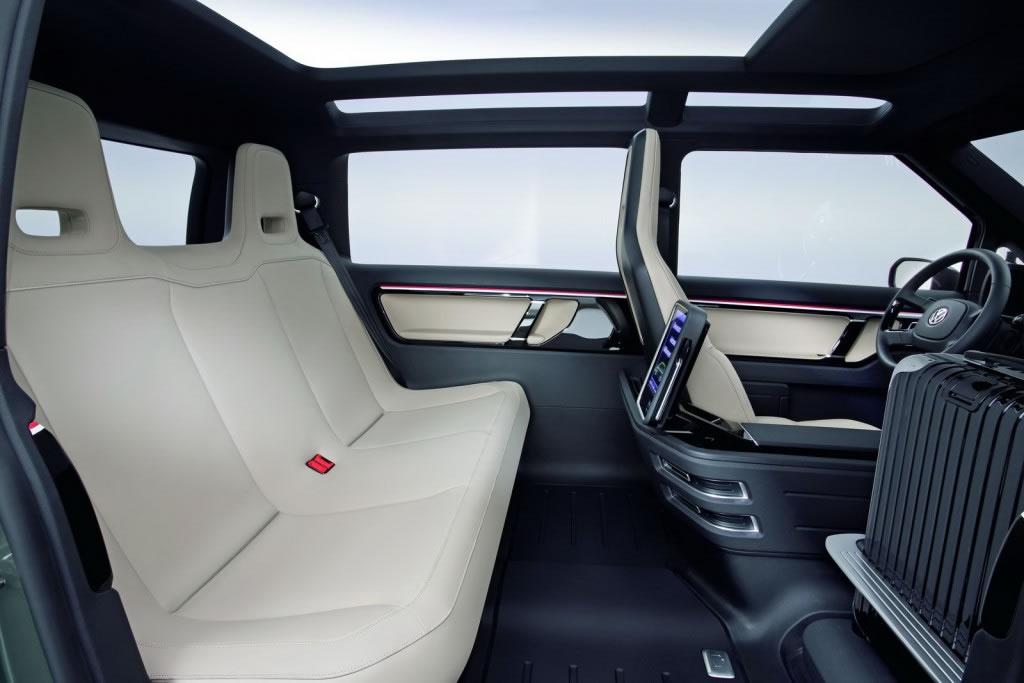
The cabin features no front passenger seat, with the space used for luggage and commuters sitting in the rear. There are two iPad-like 8-inch touch screens, with one in the rear for passengers to see an overview of the route being taken, pay the fare or change the climate functions in the back of the vehicle. The other touch screen in front for the driver incorporates the taxi metre, the trip computer and a rear-door opener, as well as information about the car and a satellite-navigation system.
The Volkswagen Milan EV taxi concept has an electric motor that produces 114bhp, and is powered by lithium-ion batteries, which can be recharged up to 80% capacity in an hour. The Milan EV has a range of 300km when fully charged, and can reach a top speed of 120km/h. The Milan EV taxi concept was unveiled at the 2010 Hannover Trade Show, and Volkswagen says that it intends to sell its first production electric cars by 2013.
Volkswagen says that the Milan electric vehicle, which is part of the company's Up! series of concept cars, is the prototype for a future generation of urban taxis, which will be powered by electric motors. Volkswagen intends to market the Milan EV taxi in cities such as New York City, Cape Town, Milan, Berlin, Tokyo and Moscow.
The concept is painted in the green and black livery as the taxicabs of Milan, which is also where it gets its name from. The most noticeable feature of the Milan EV taxi concept is the single sliding door on the passenger side which extends partly into the roof and slides forward to the point of reaching the A-pillar.
The Milan EV taxi concept also previews a number of future design cues for future Volkswagen cars, such as the absence of a front grille, the inclusion of a transparent crossbar between the headlights. A taxi sign sits on top of the concept car, and can be illuminated in three different colours, depending on whether the car is available or not.
The cabin features no front passenger seat, with the space used for luggage and commuters sitting in the rear. There are two iPad-like 8-inch touch screens, with one in the rear for passengers to see an overview of the route being taken, pay the fare or change the climate functions in the back of the vehicle. The other touch screen in front for the driver incorporates the taxi metre, the trip computer and a rear-door opener, as well as information about the car and a satellite-navigation system.
The Volkswagen Milan EV taxi concept has an electric motor that produces 114bhp, and is powered by lithium-ion batteries, which can be recharged up to 80% capacity in an hour. The Milan EV has a range of 300km when fully charged, and can reach a top speed of 120km/h. The Milan EV taxi concept was unveiled at the 2010 Hannover Trade Show, and Volkswagen says that it intends to sell its first production electric cars by 2013.


Latest COE Prices
May 2026 | 2nd BIDDING
NEXT TENDER: 04 Jun 2026
CAT A$124,229
CAT B$129,501
CAT C$92,223
CAT E$130,000
View Full Results 
Thank You For Your Subscription.
Tags
Products & Services

For Owners
Quick Links
About Sgcarmart