Subaru Forester e-BOXER vs Toyota Corolla Cross Hybrid
13 Jan 2026|22,457 views
Subaru Forester e-BOXER
More rugged exterior; extra presence as larger car
Larger and more upmarket cabin packing more features
Slightly smoother driving experience, but also more leisurely performance
Has the edge in in all-weather versatility, but sacrifices fuel efficiency as a result
Toyota Corolla Cross Hybrid
Sharper styling, more interesting to look at
Muted interior still has plentiful space for a family
More responsive drivetrain; nimbler and more involving to drive
Superior fuel efficiency of more than 20km/L
The rules of automotive journalism would have it that you'd typically pit two similarly-sized cars - separated by mere millimetres in length and width and height - against each other in a group test. But in Singapore especially, different sorts of numbers dictate buying decisions: Not necessarily those derived from measuring tapes, but those that you see on price lists.
That brings us to the two unlikely foes we've gathered: The all-new Subaru Forester e-BOXER, and the recently refreshed Toyota Corolla Cross Hybrid. The latter is ultimately a smaller car, one segment down by conventional metrics. But both are united in their goal of wooing over those hunting for a spacious family SUV, and who have a budget of over $200,000 that they're willing to stretch upwards slightly (accurate at time of writing).
With its new full-hybrid powertrain, the Subaru Forester can now more confidently take on more established names in the hybrid space, such as the Toyota Corolla Cross
There's another layer to this unexpected rivalry, of course. While the Corolla Cross Hybrid's green credentials are fairly well established at this point, the Forester, in latest-generation guise, is now charging into the scene wielding a full hybrid drivetrain for the first time.
You'll note that the 'e-BOXER' label had already been tagged to its predecessor previously - but that was a mild hybrid, whose fittingly mild dose of electric assistance served refinement more than it did fuel-sipping. Subaru Singapore has thus seen fit to emphasise the new Forester's identity as a 'Strong Hybrid'. And so, for the first time, Subaru - a brand that many likely still associate with 'soft-roading' and WRC - is entering a shootout against a fellow Japanese brand where fuel efficiency is one of the key considerations too.
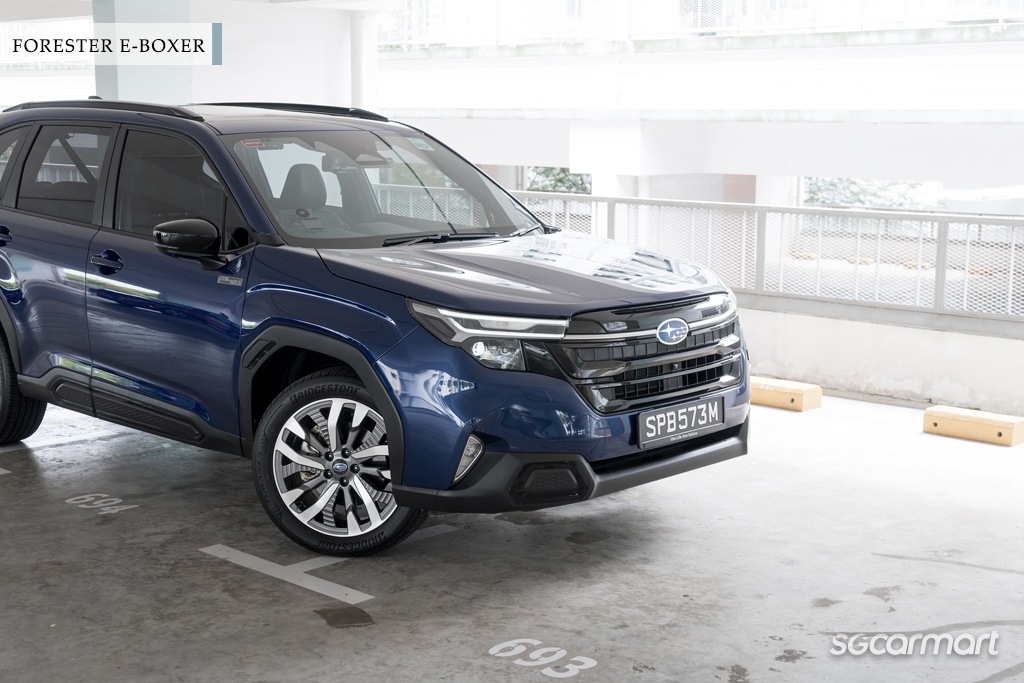
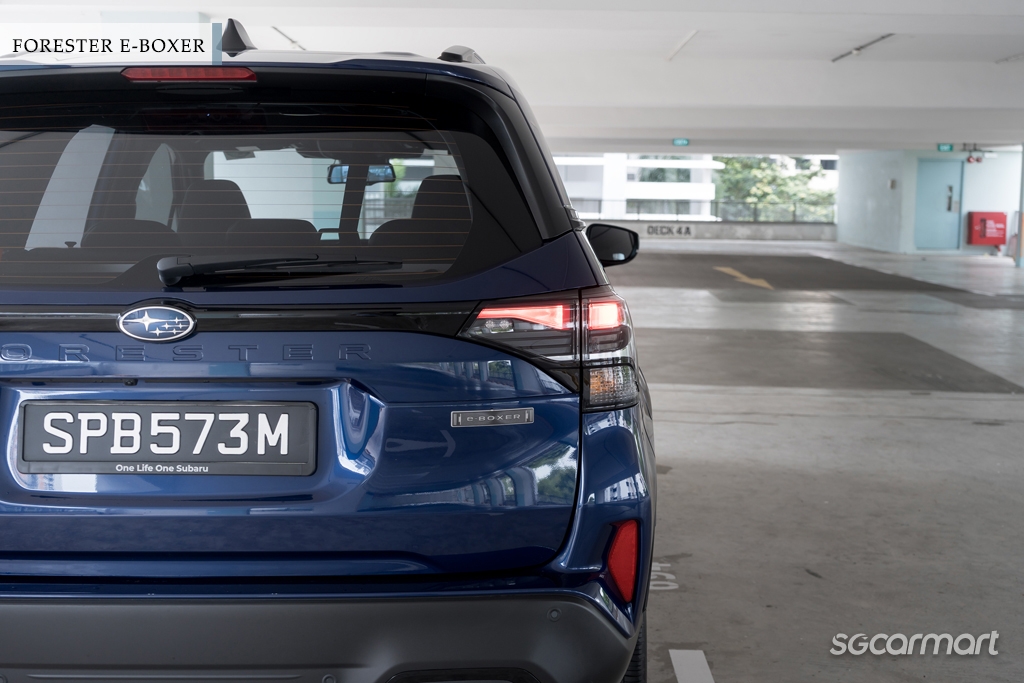
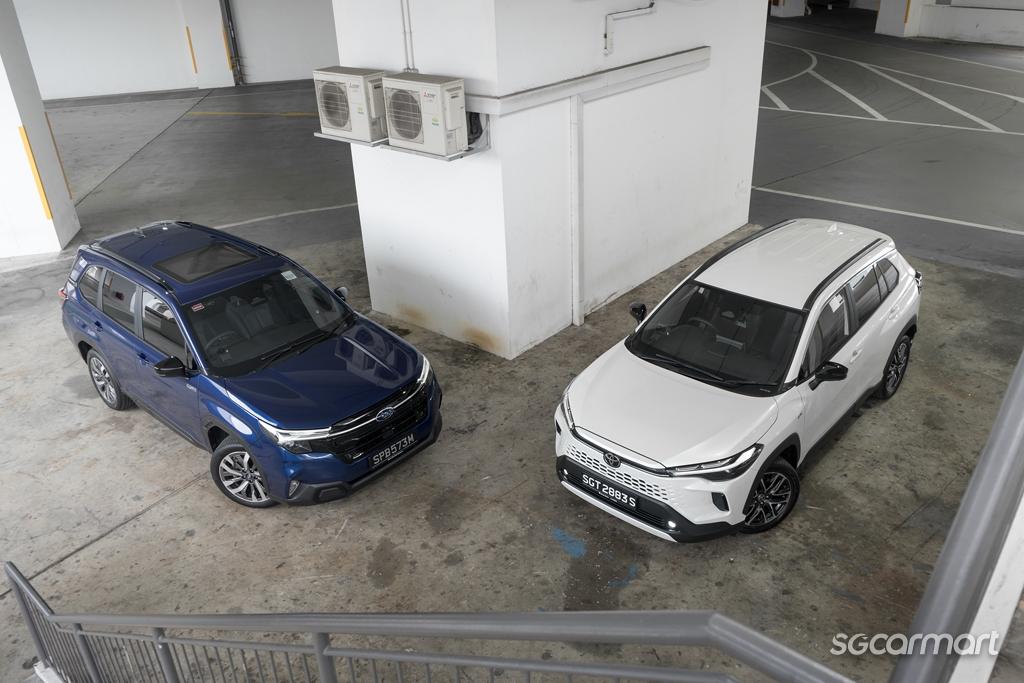
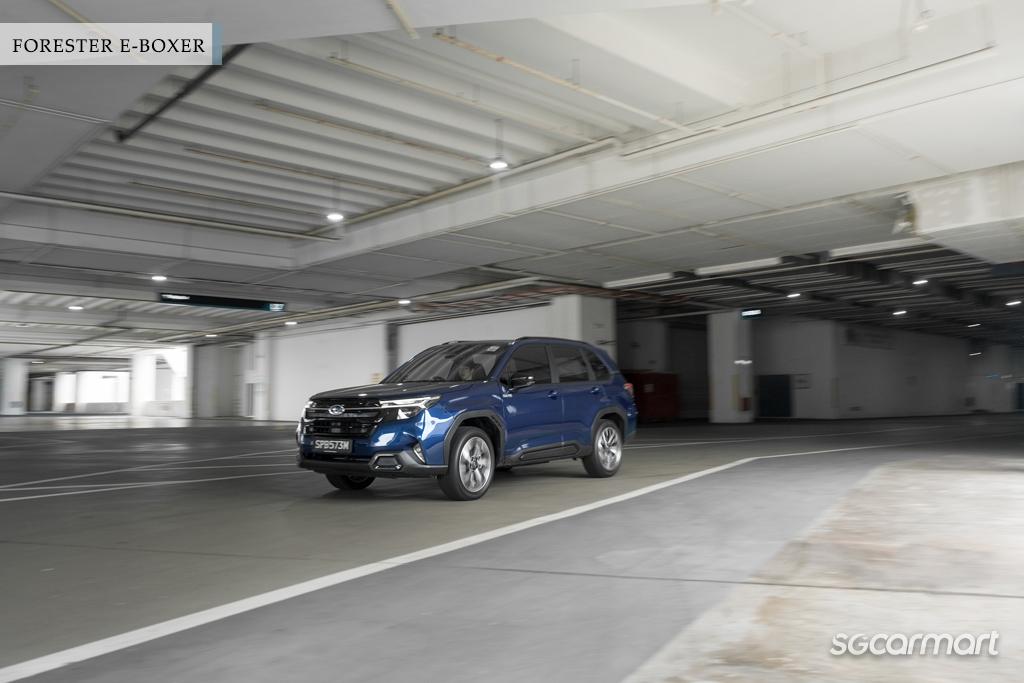
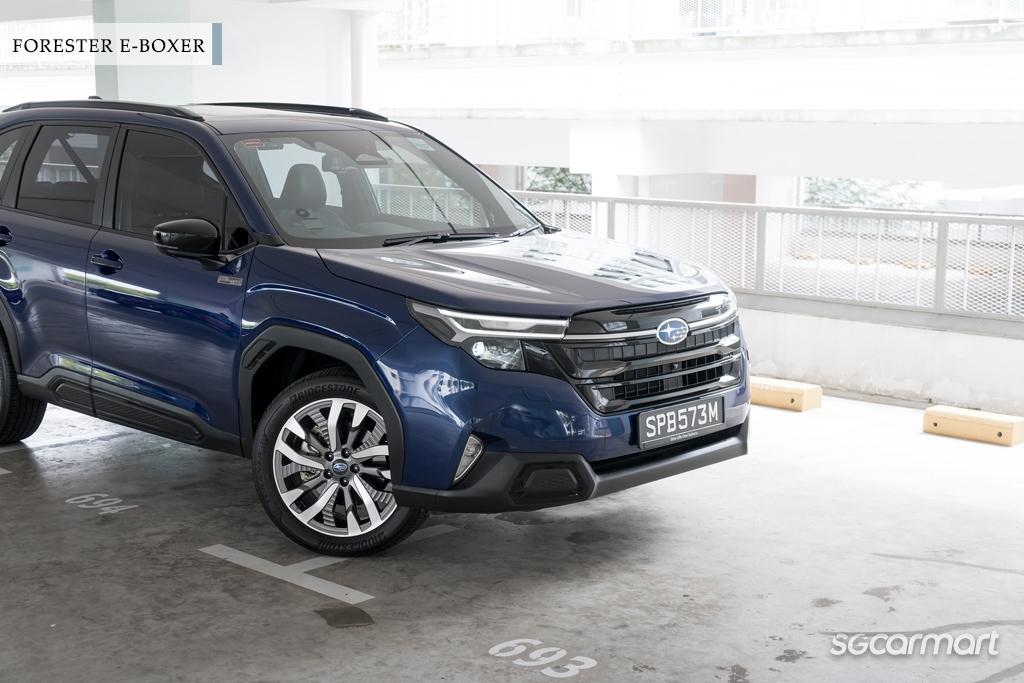
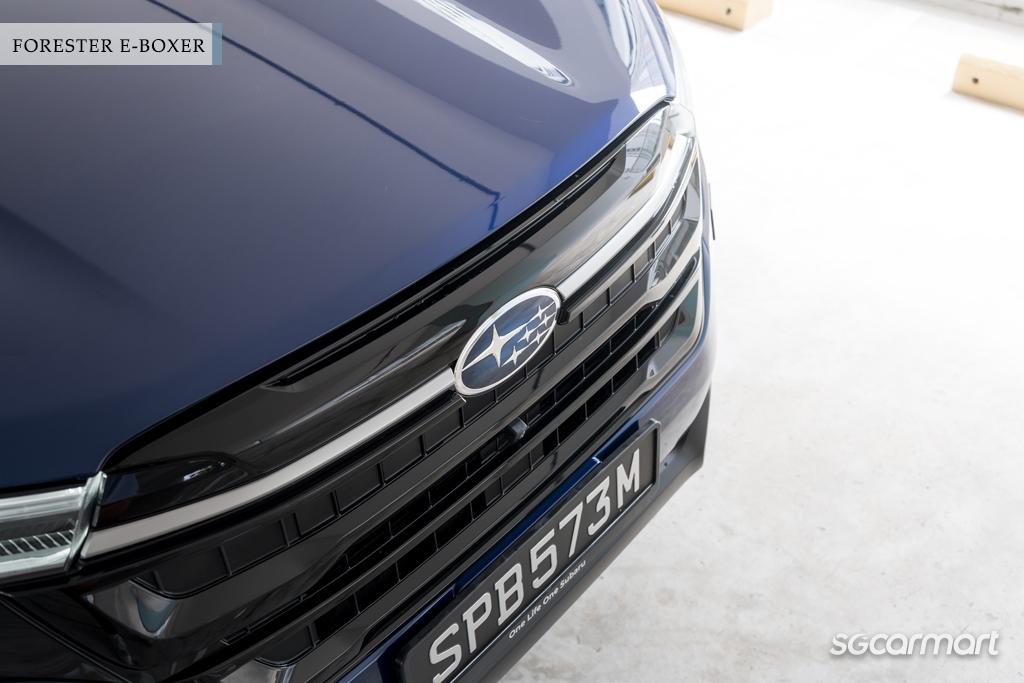
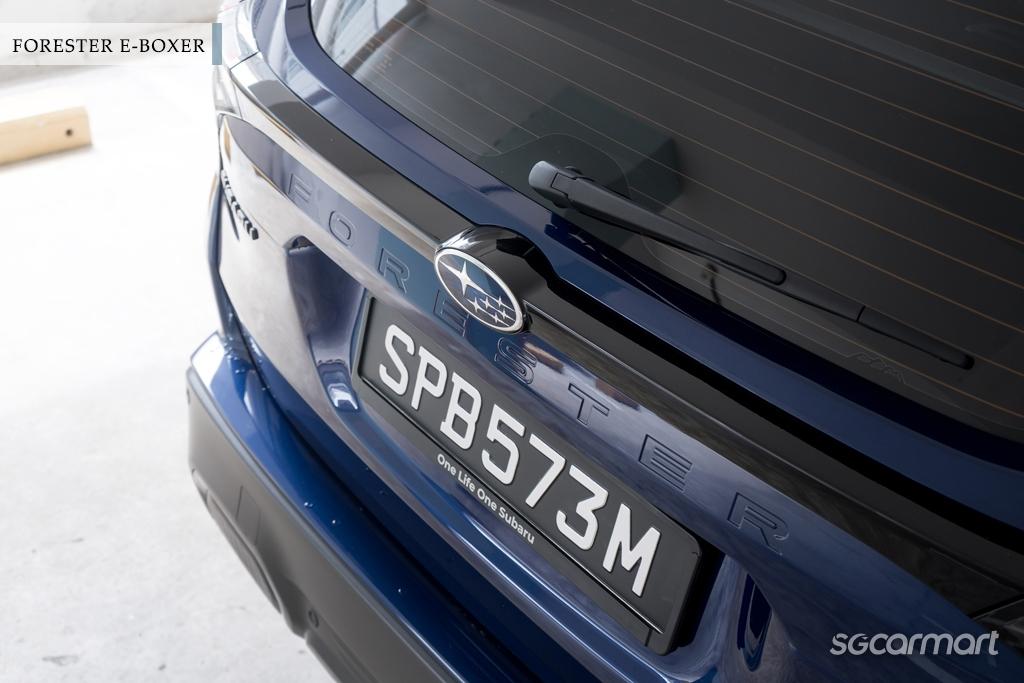
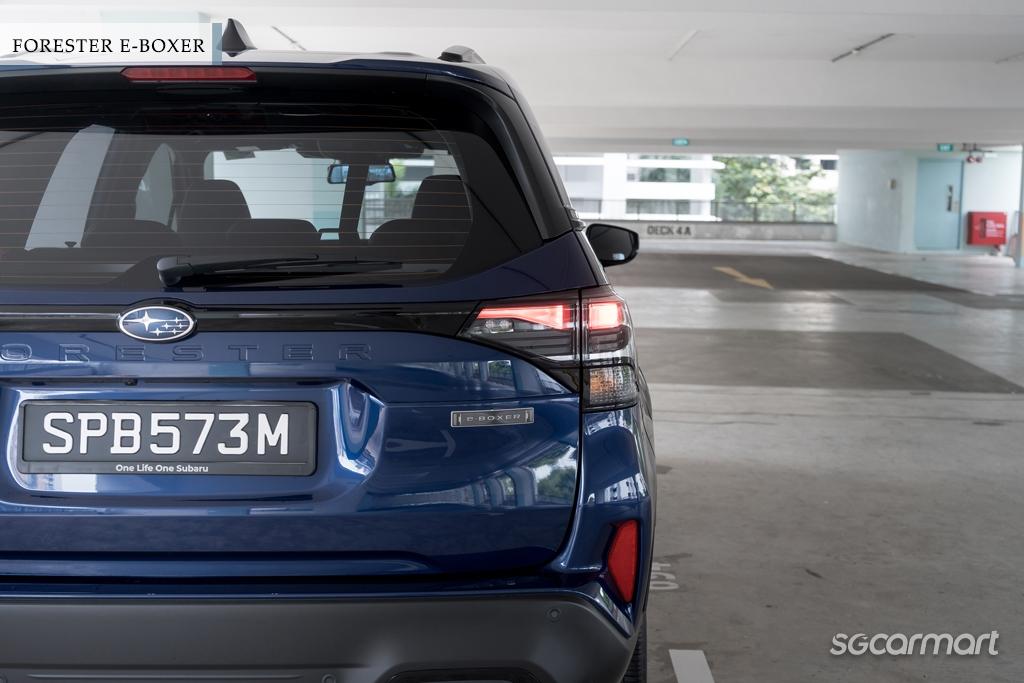
The Forester is still brawny and boxy, but its design is less aggressive than its predecessor’s
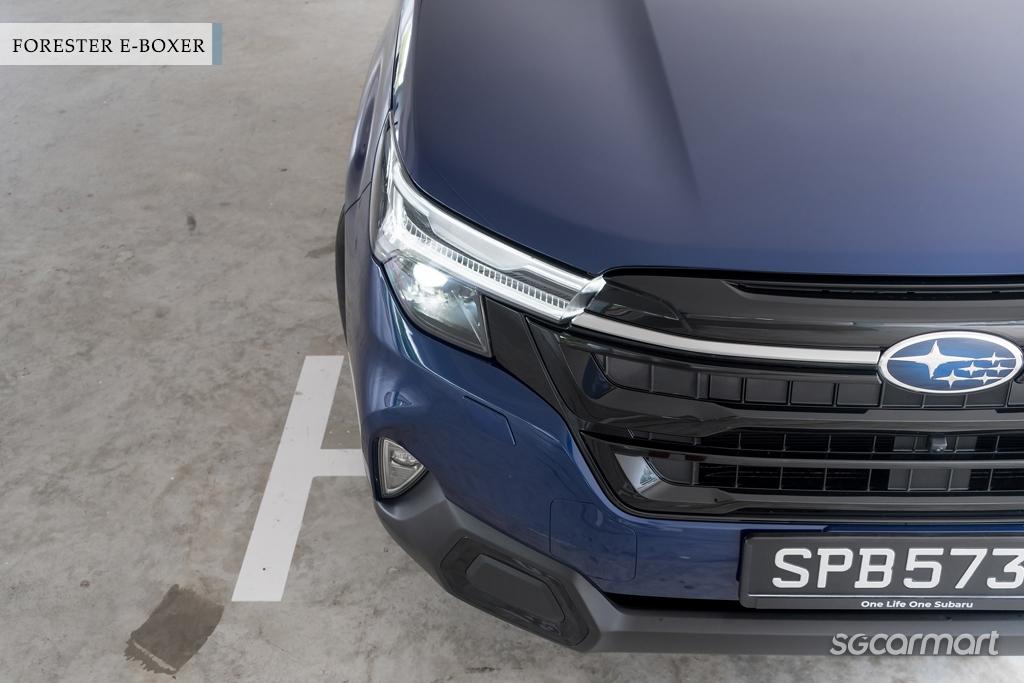
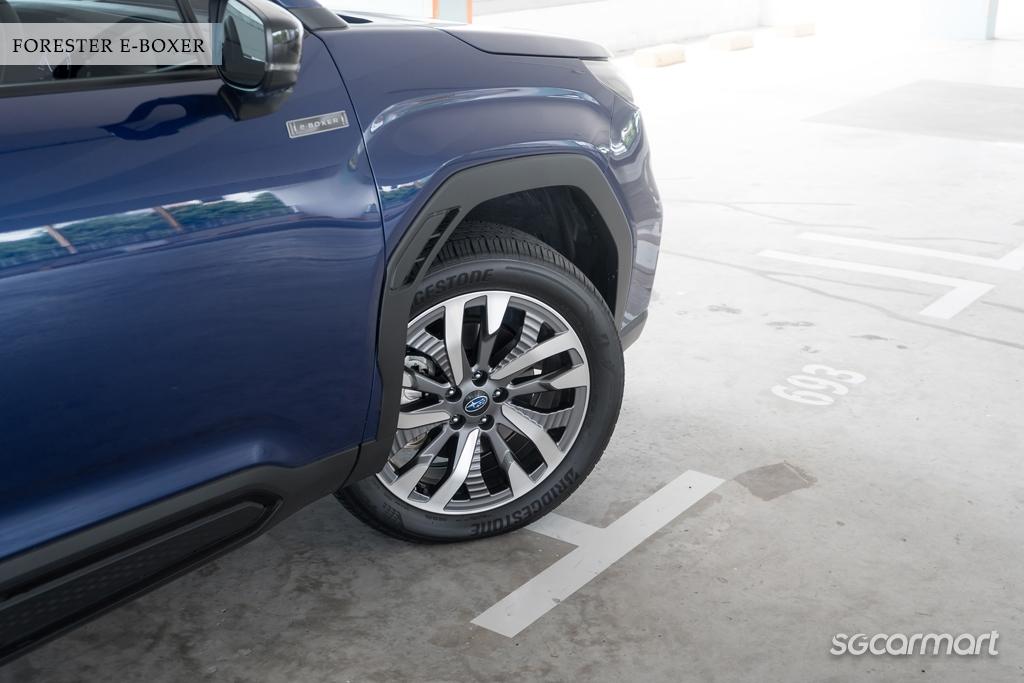
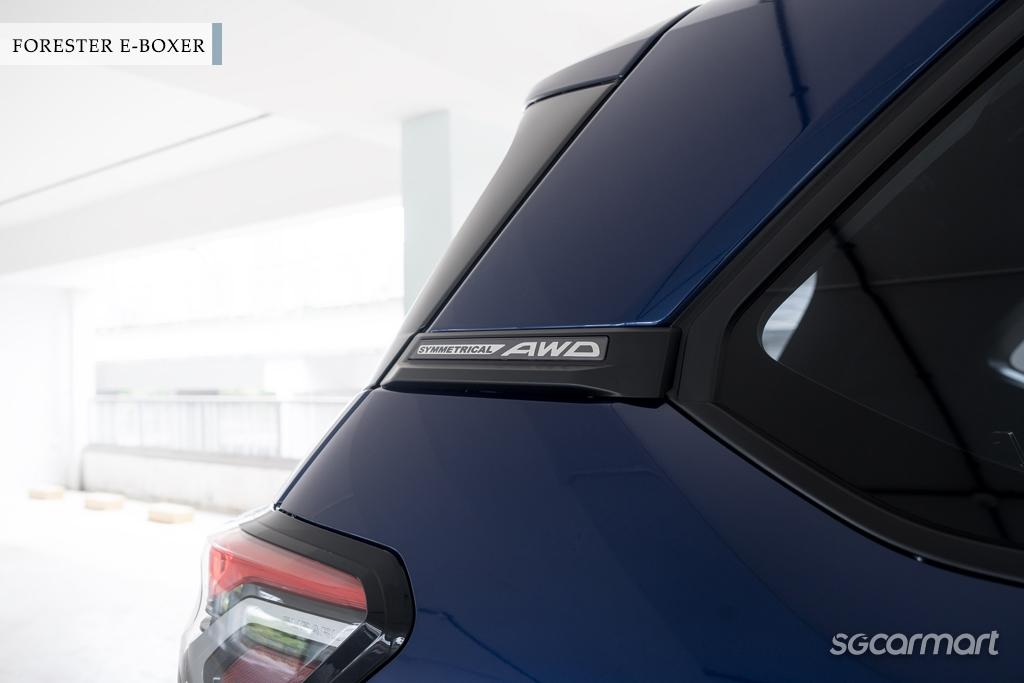
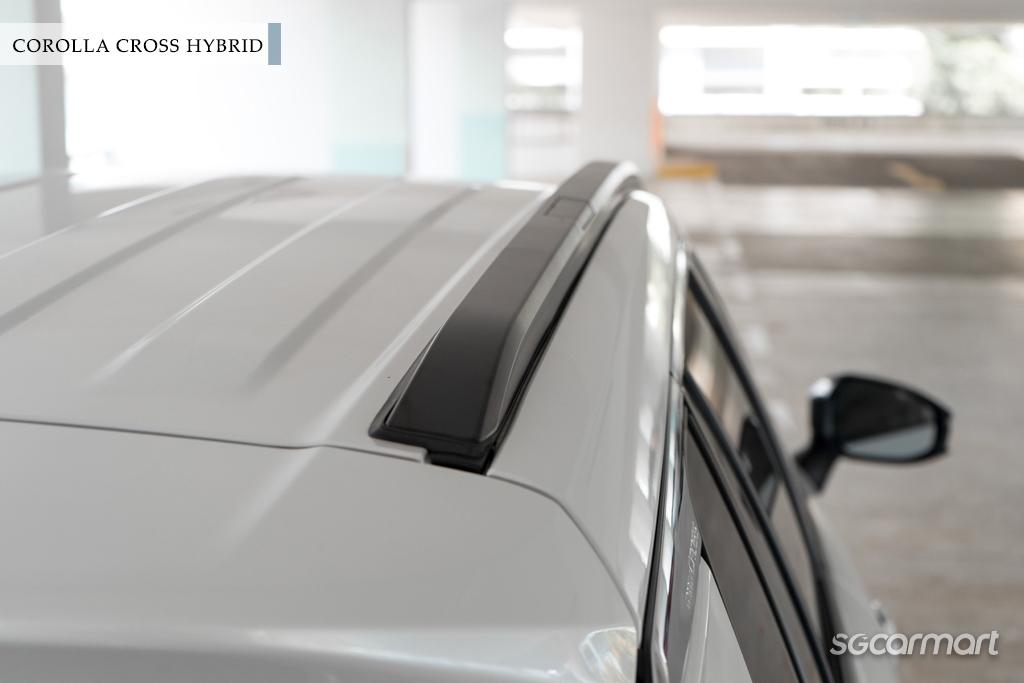
For the most part, the Forester is still the rugged machine that you remember it to be: Square-jawed and all boxy brawn, with the standard design checklist items for a modern SUV ticked off (unpainted matte wheel arches and roof rails being some of the key ingredients).
Once you remember its pioneering status in the segment and the fact that it actually boasts some off-roading prowess, its sturdy suit actually feels honest to its identity, and is thus easy to appreciate. Nonetheless, the Forester has grown more understated and less aggressive in this rodeo too, with its gloss black front grille and tinier tail light clusters.
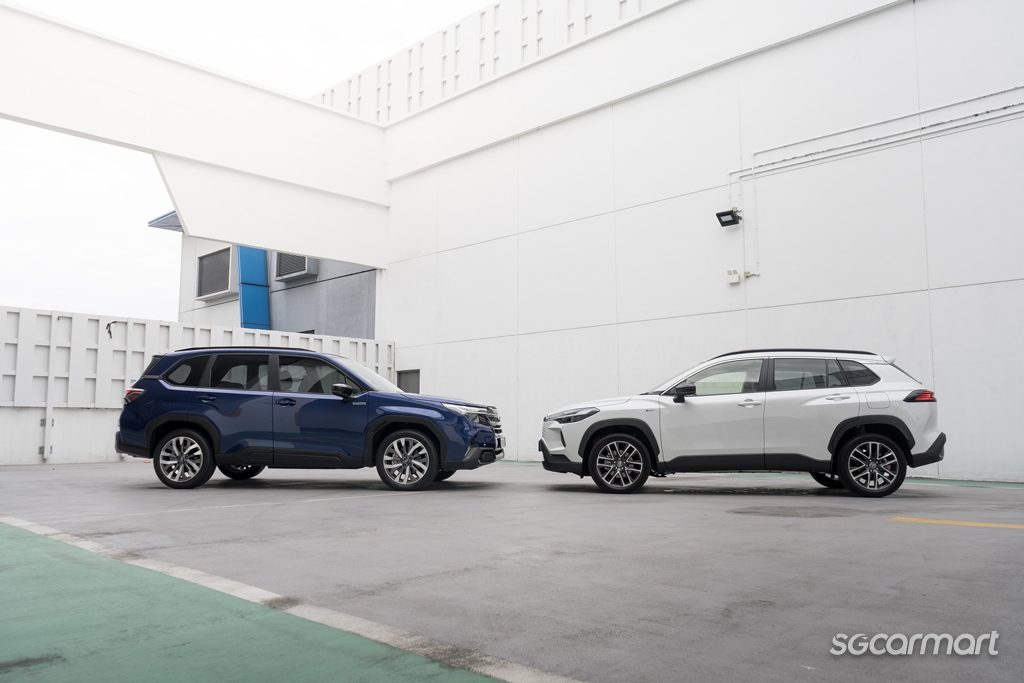
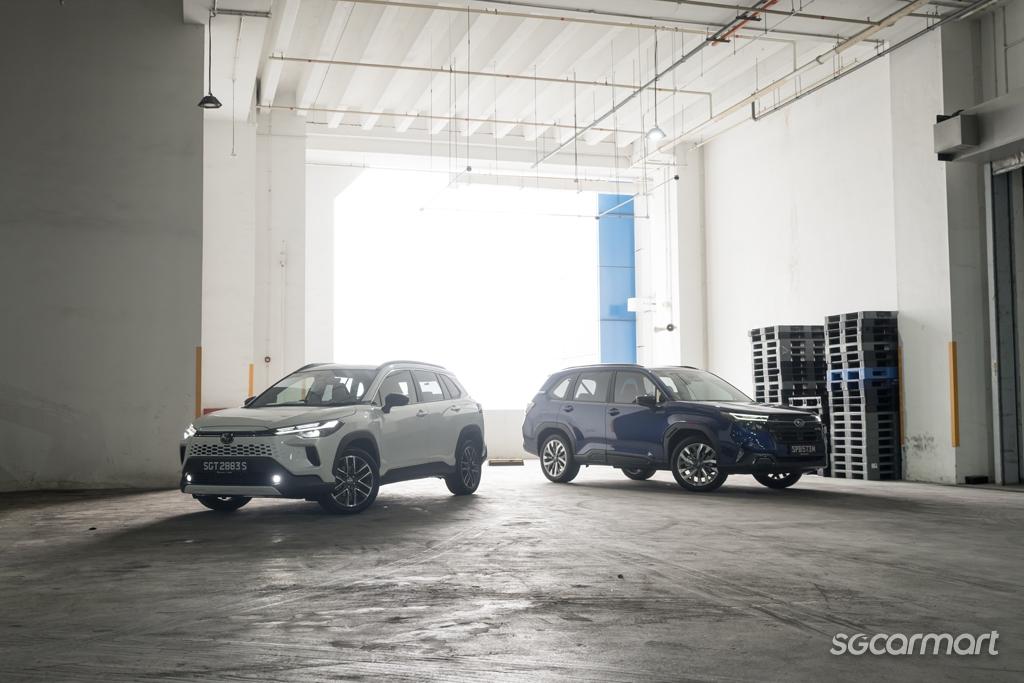
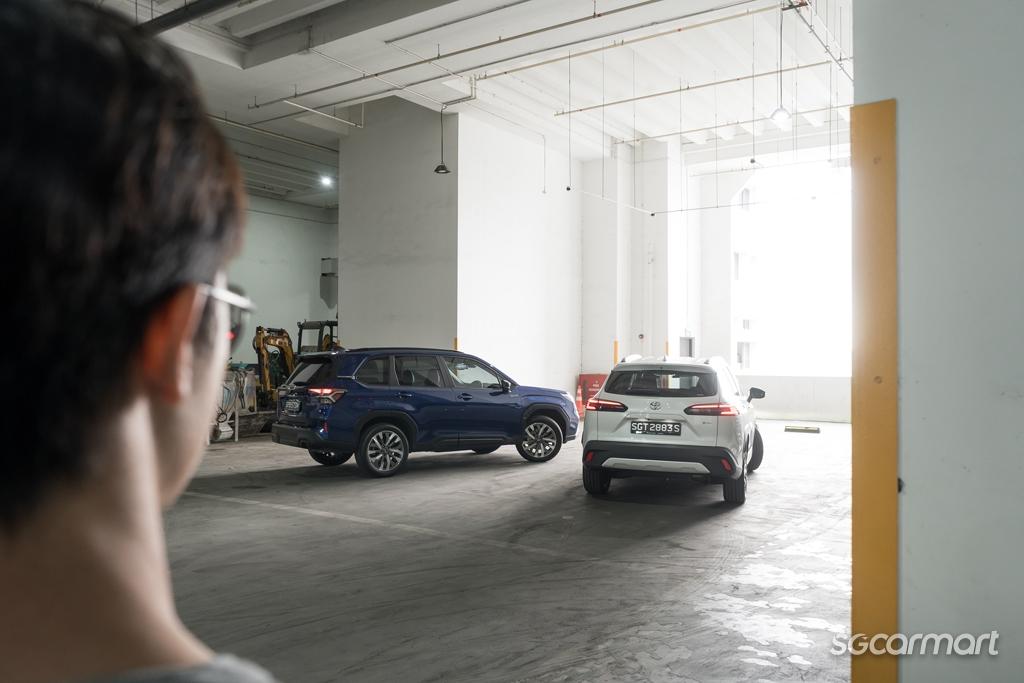
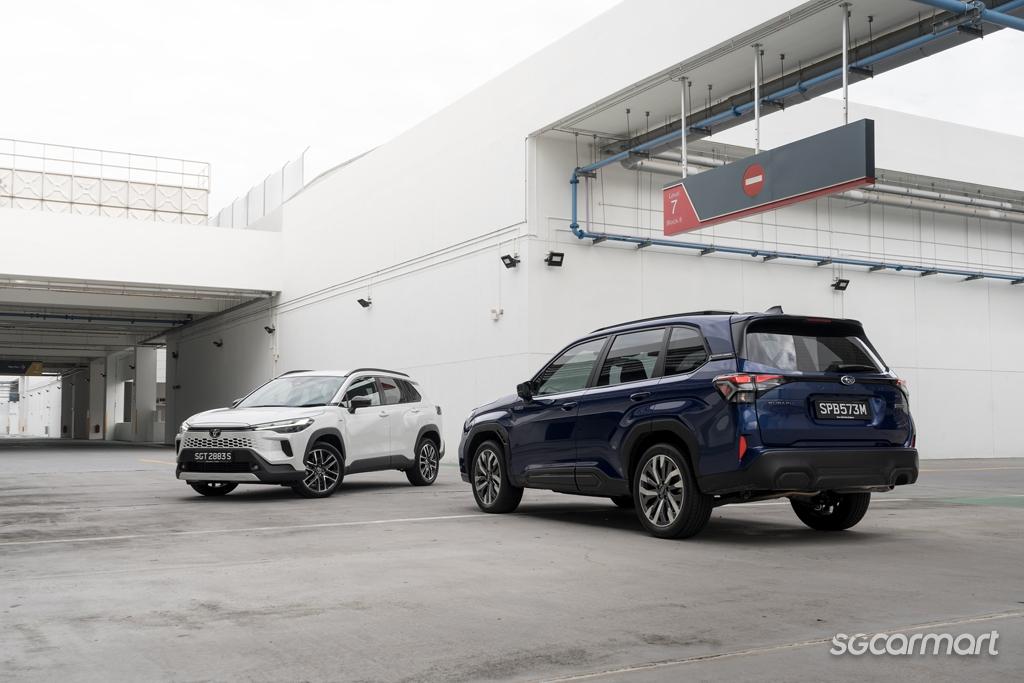
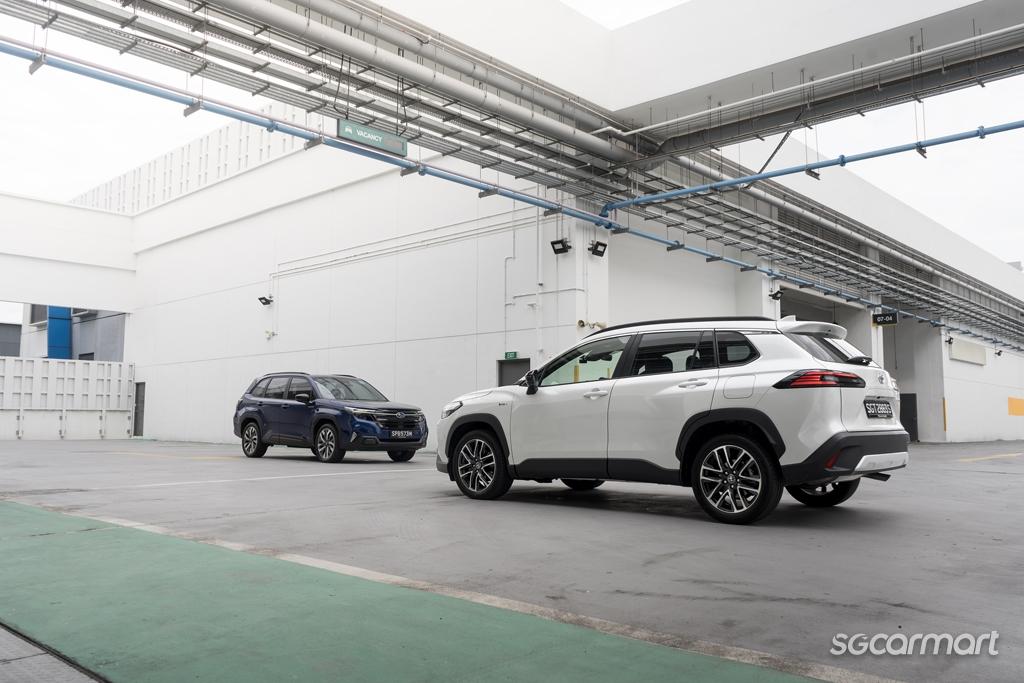
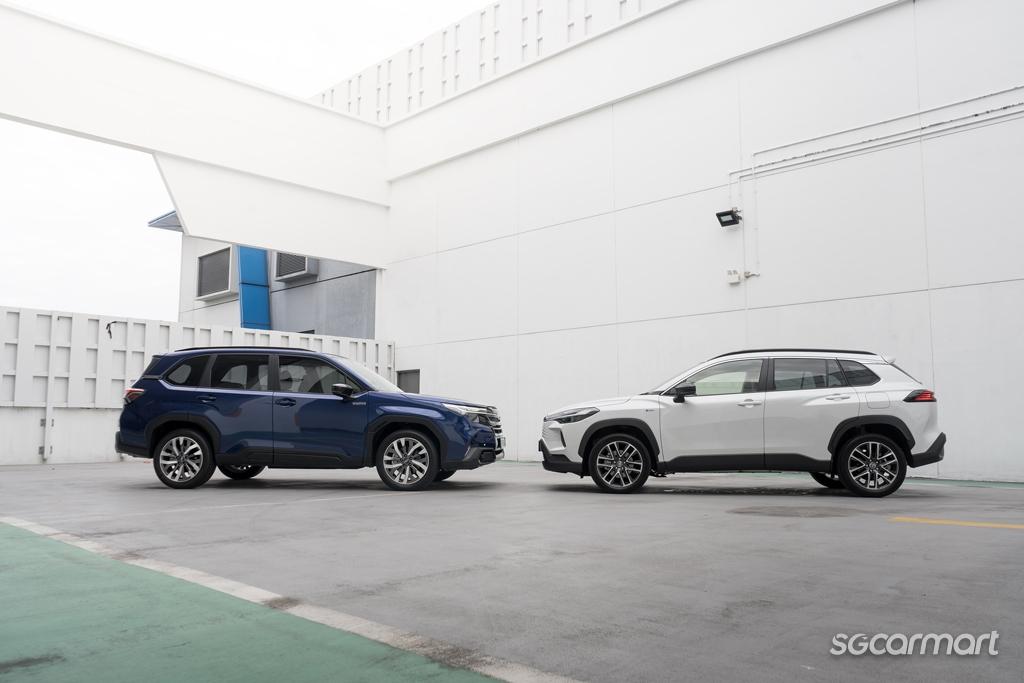
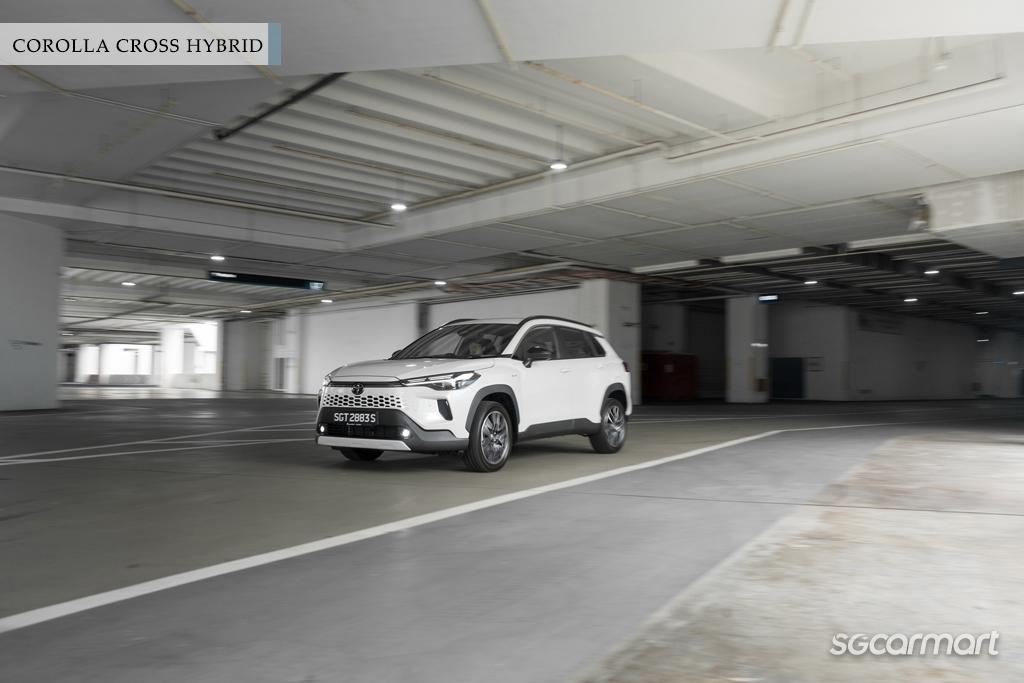
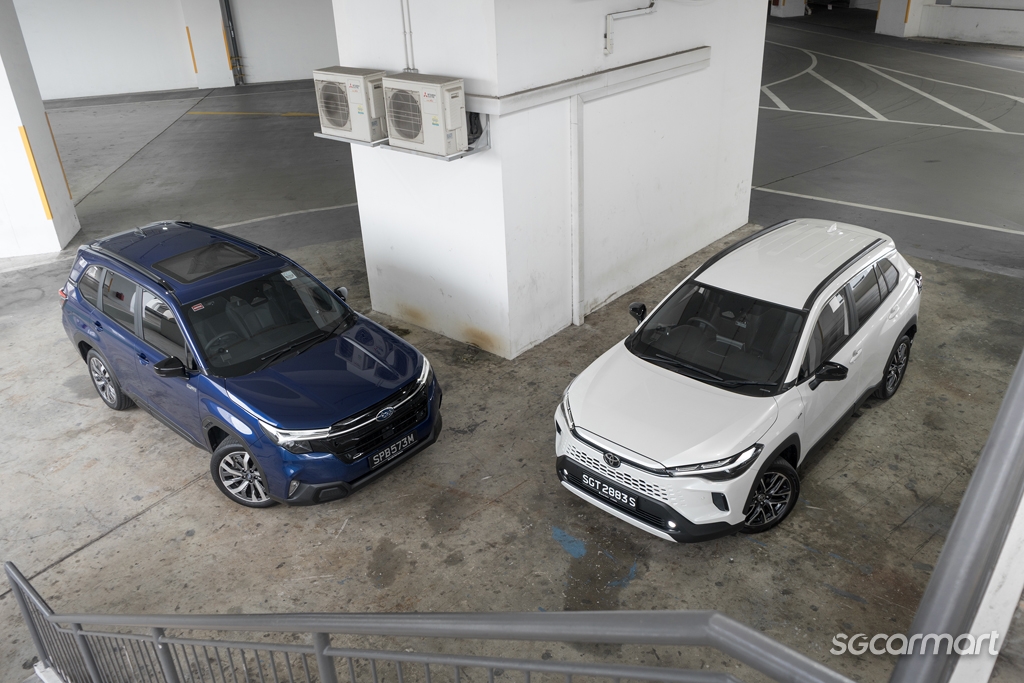
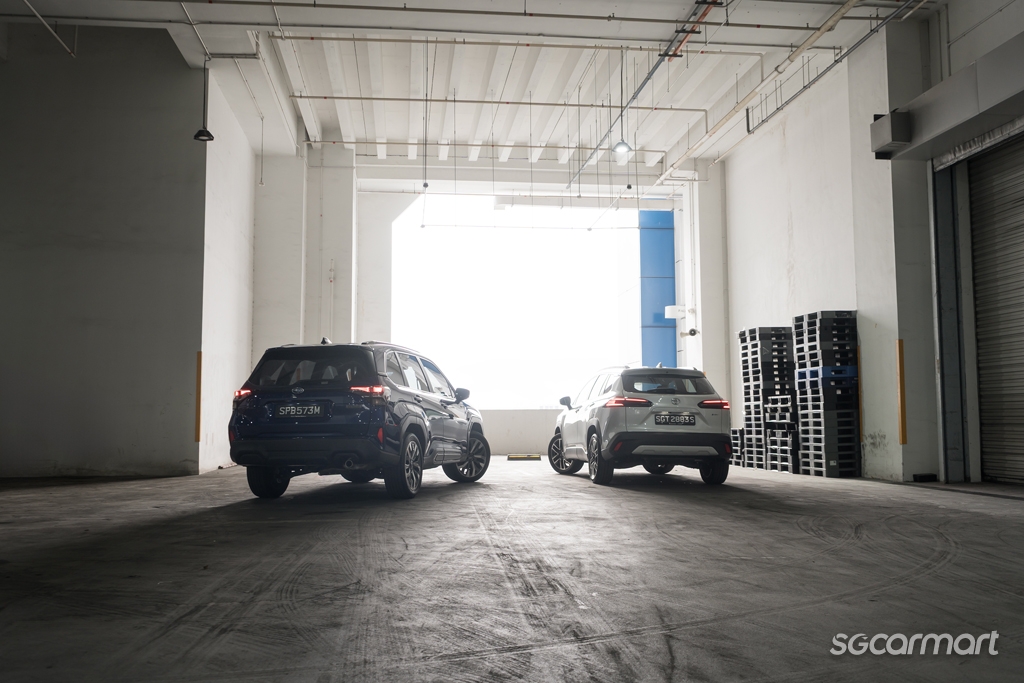
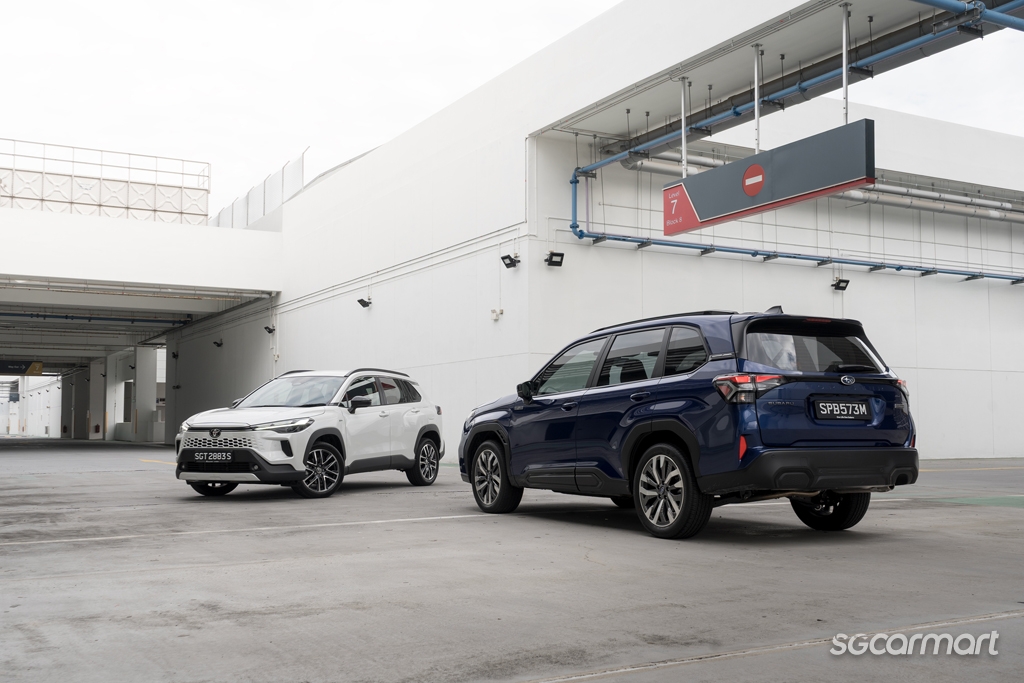
The Forester’s larger stature is hard to miss when the two rivals are parked next to each other
Sheer dimensions do not lie, and it's unmistakably the bigger car of the pair, stretching out at 195mm longer and 110mm taller than the Corolla Cross Hybrid (although interestingly, just 5mm wider). Side by side, the differences in length and height are impossible to miss, with the Forester cutting a more hunkering figure and having more ground clearance.
Between the two, however, it's surprisingly still the Corolla Cross that you'll find yourself spending more time looking back at involuntarily, especially post-refresh.
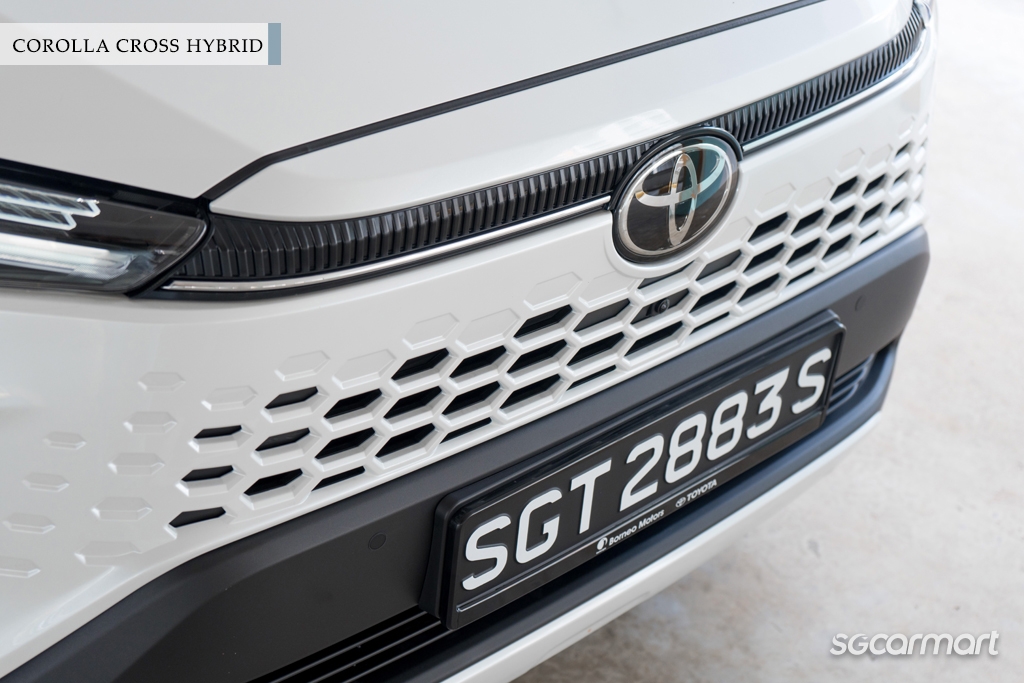
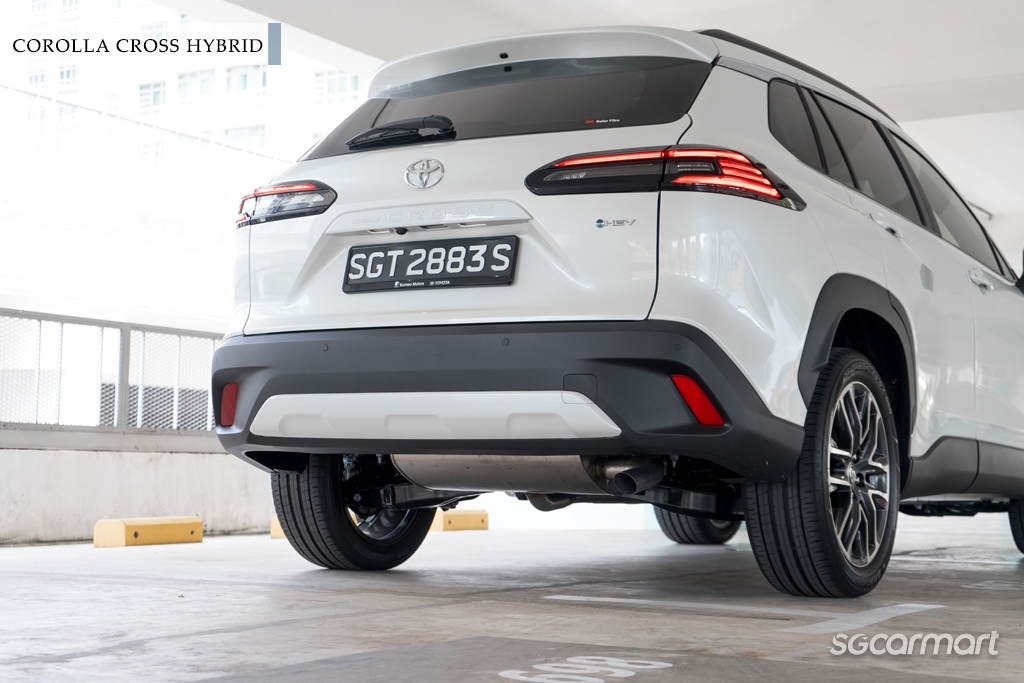
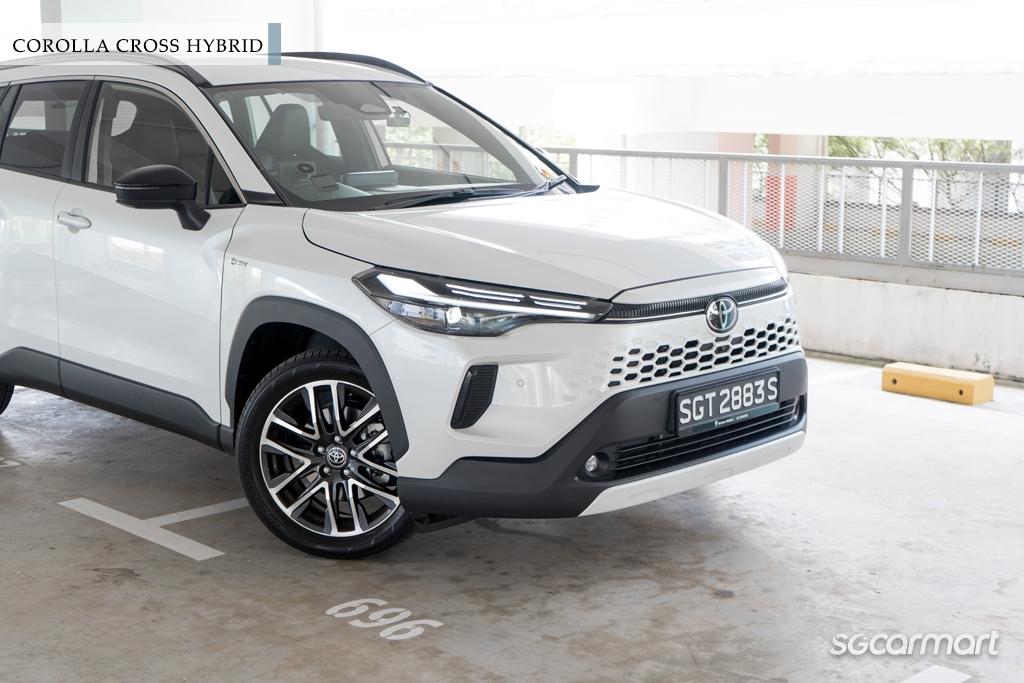
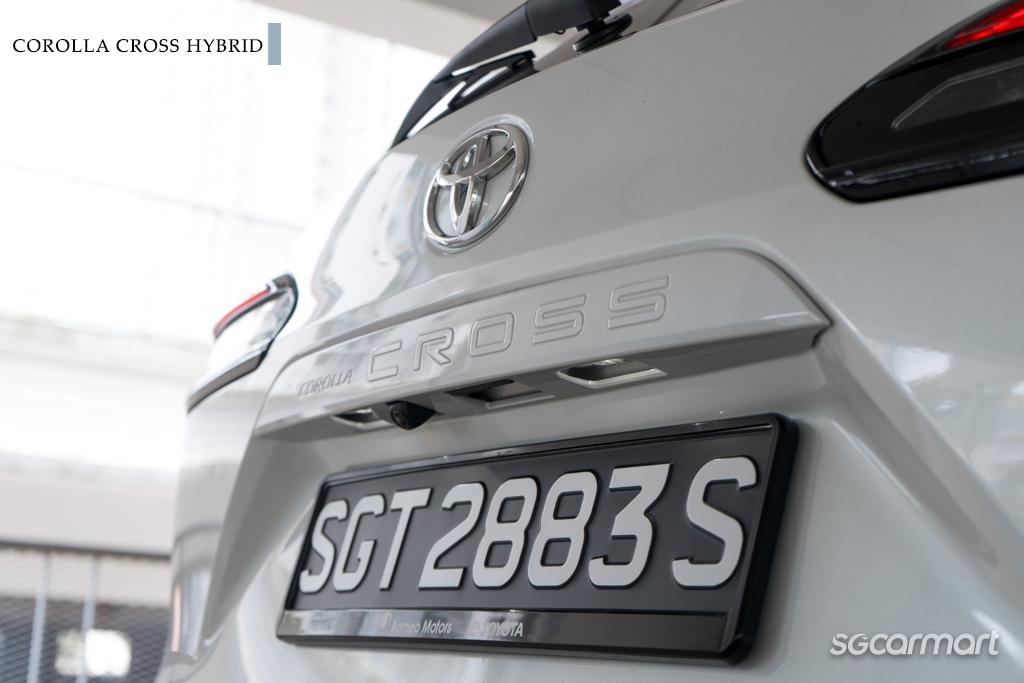
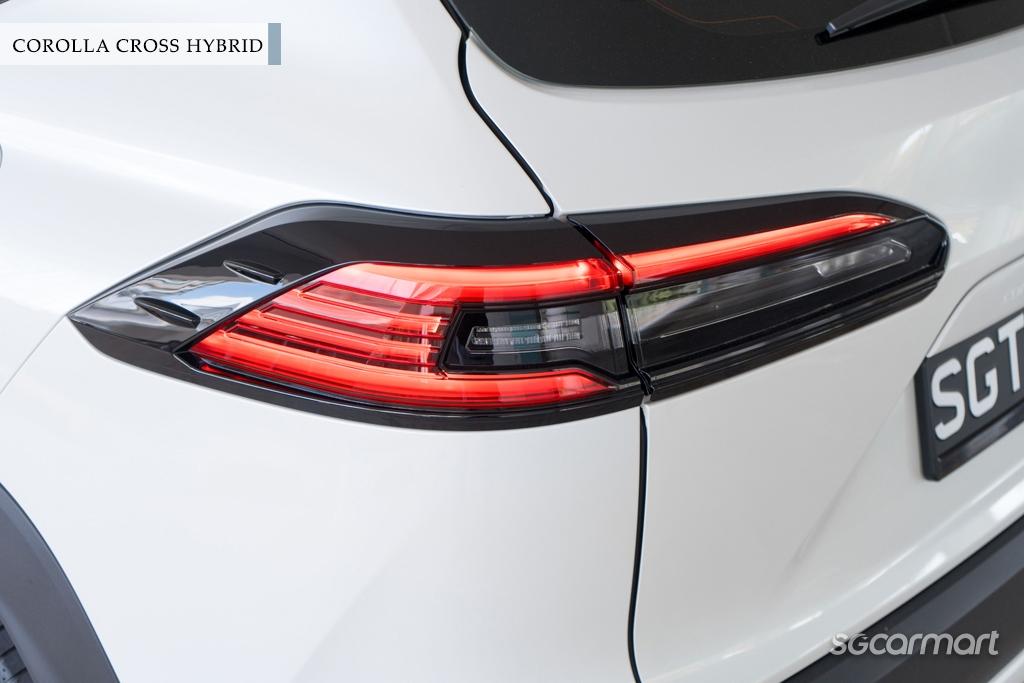
The Corolla Cross, however, still feels like the more interesting machine to look at, especially with the design flourishes brought out by its facelift
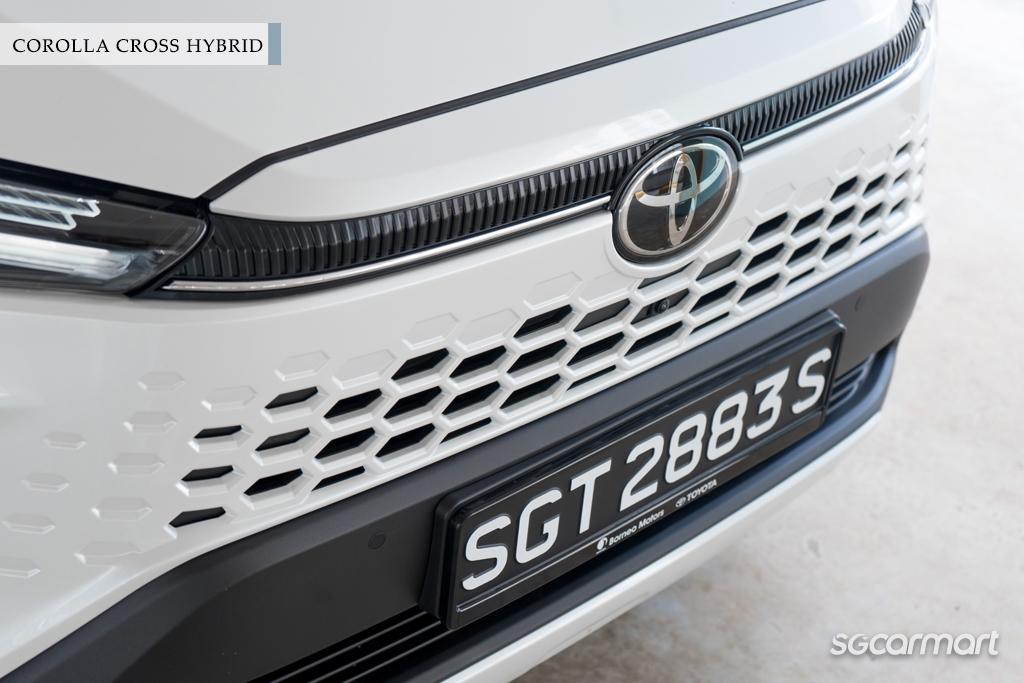
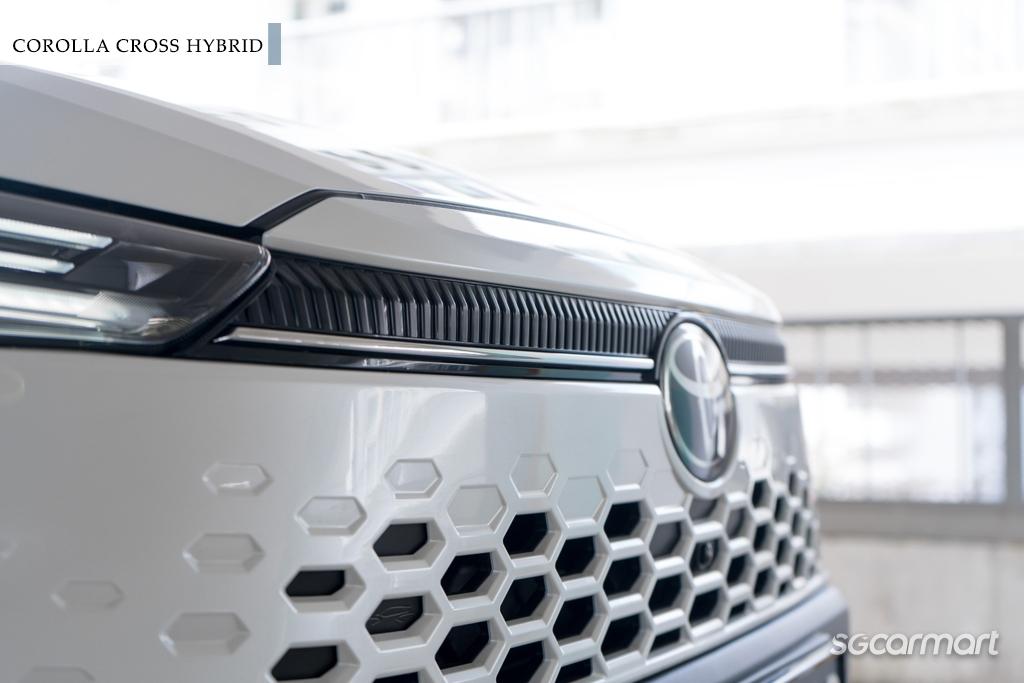
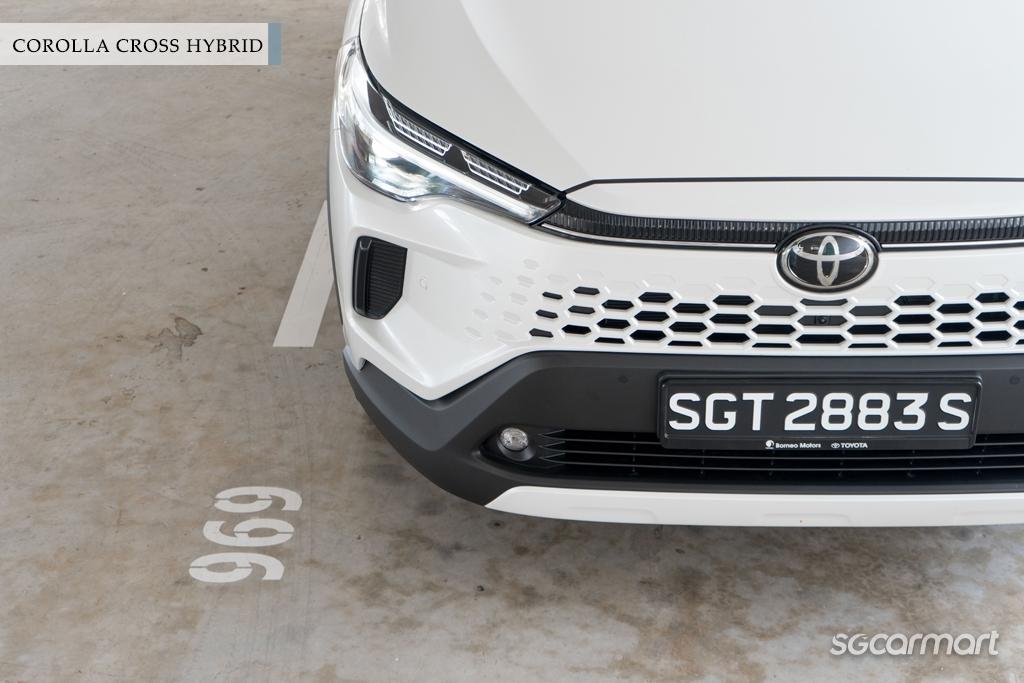
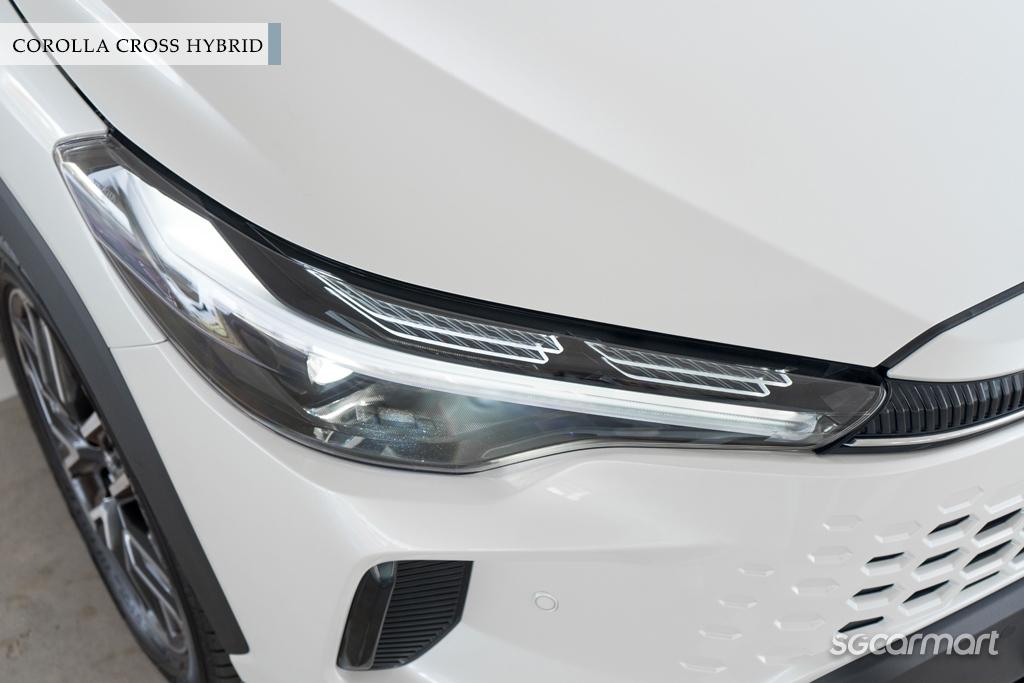
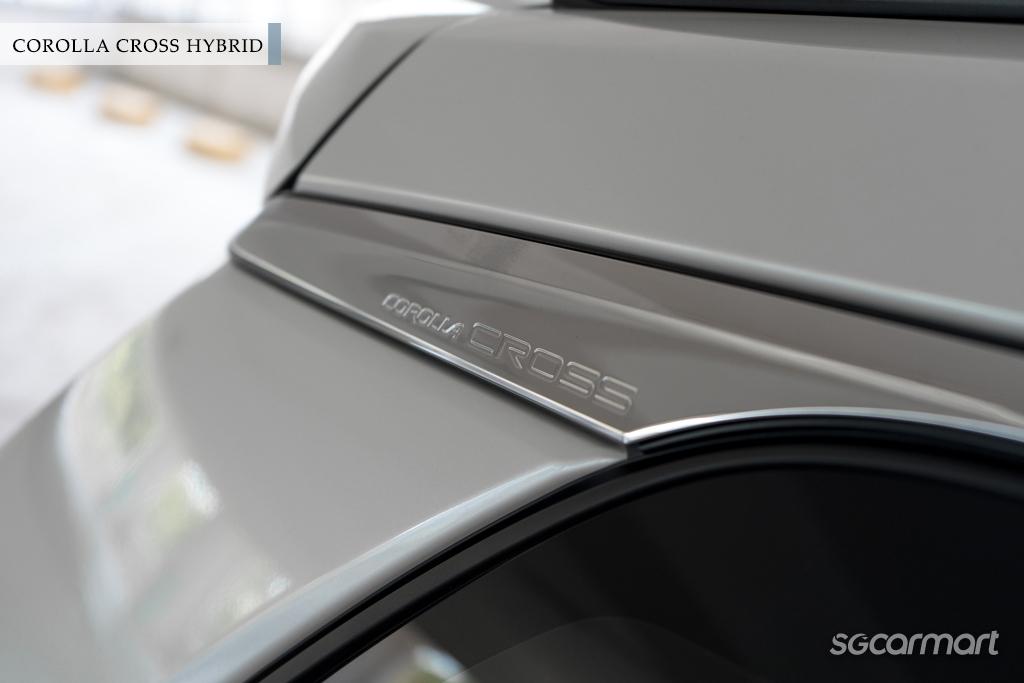
It's not exactly the textbook example of 'handsome', but it's certainly interesting to look at. The faded honeycomb patterns on its updated grille call to mind some of Lexus' recent designs - notably, the LM and the RX - while the new blade-shaped daytime running lights lend it a powerful air too.
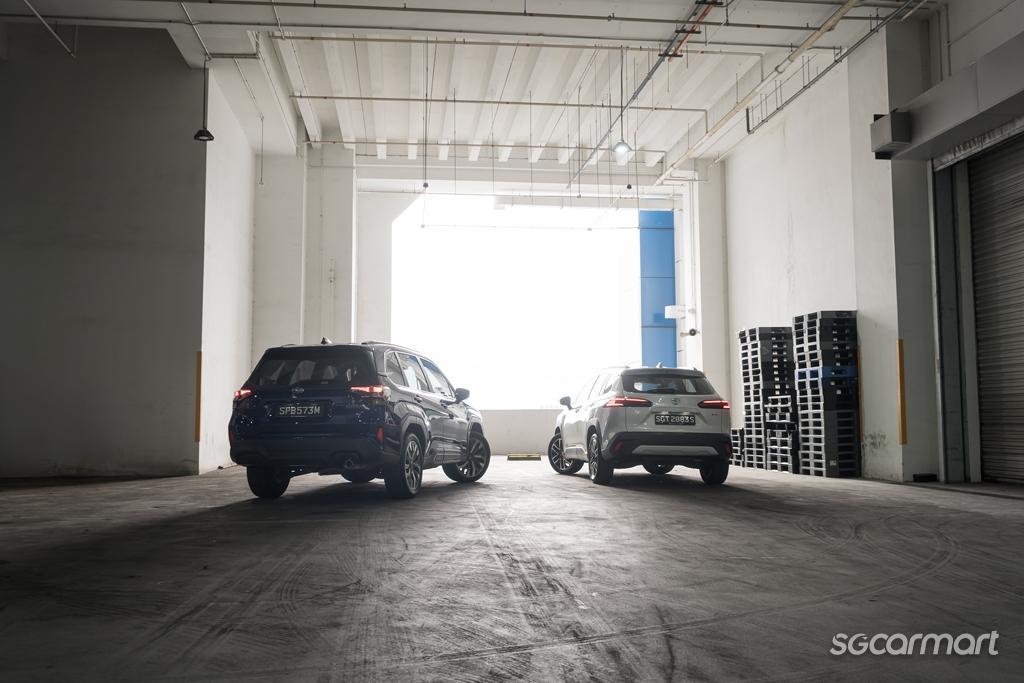
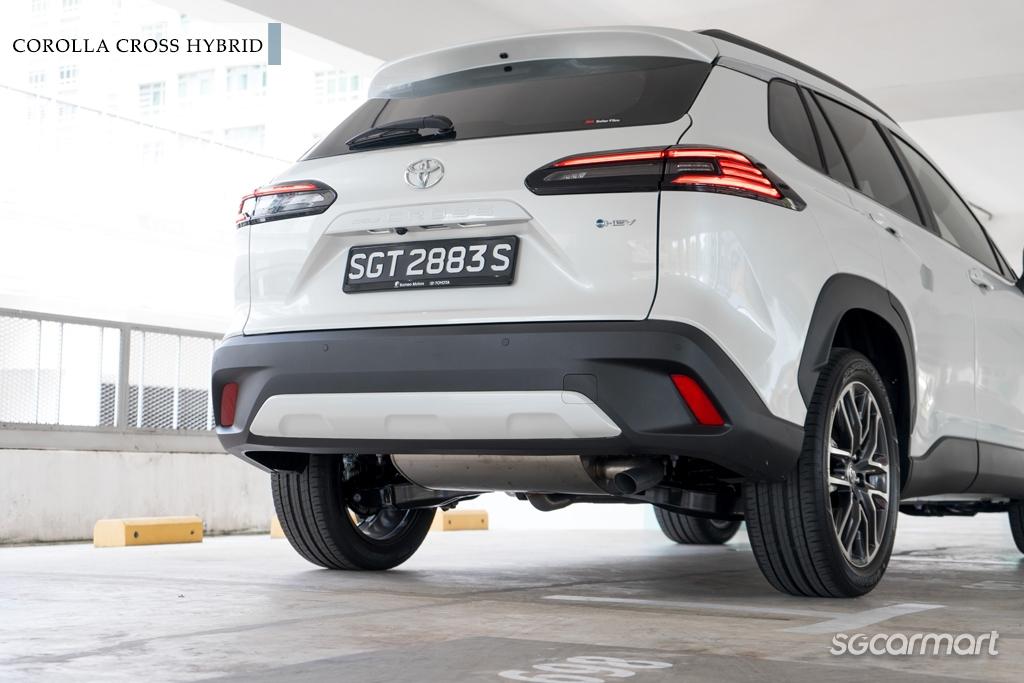
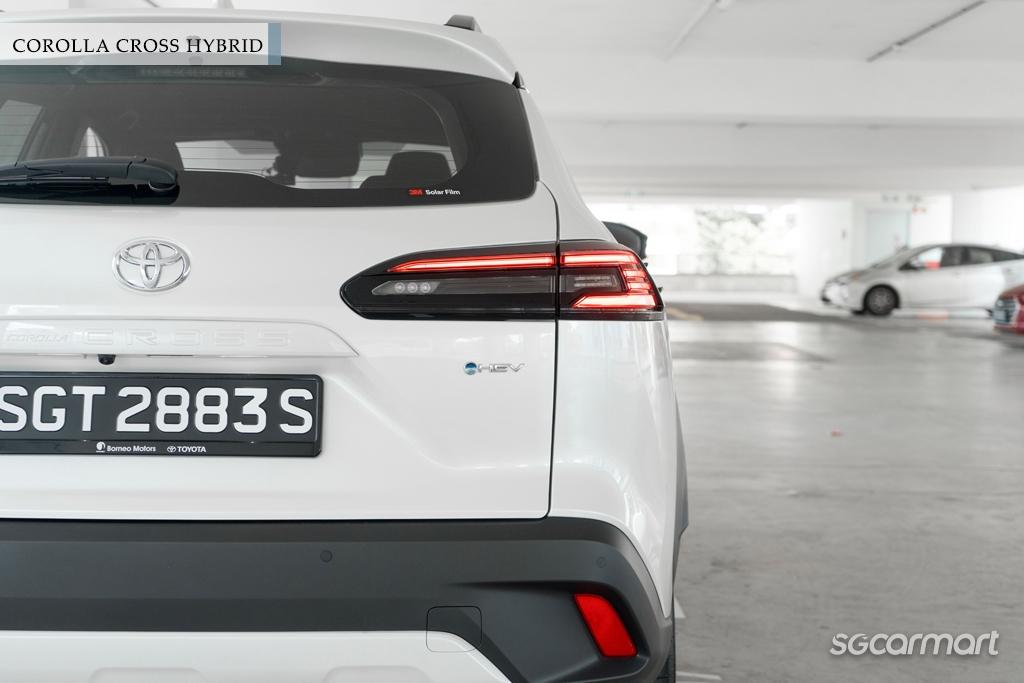
Its rear end is also a sharper affair, thanks to those bracket-shaped taillights with their darkened casings. What it may lack in size, it more than makes up with unique style.
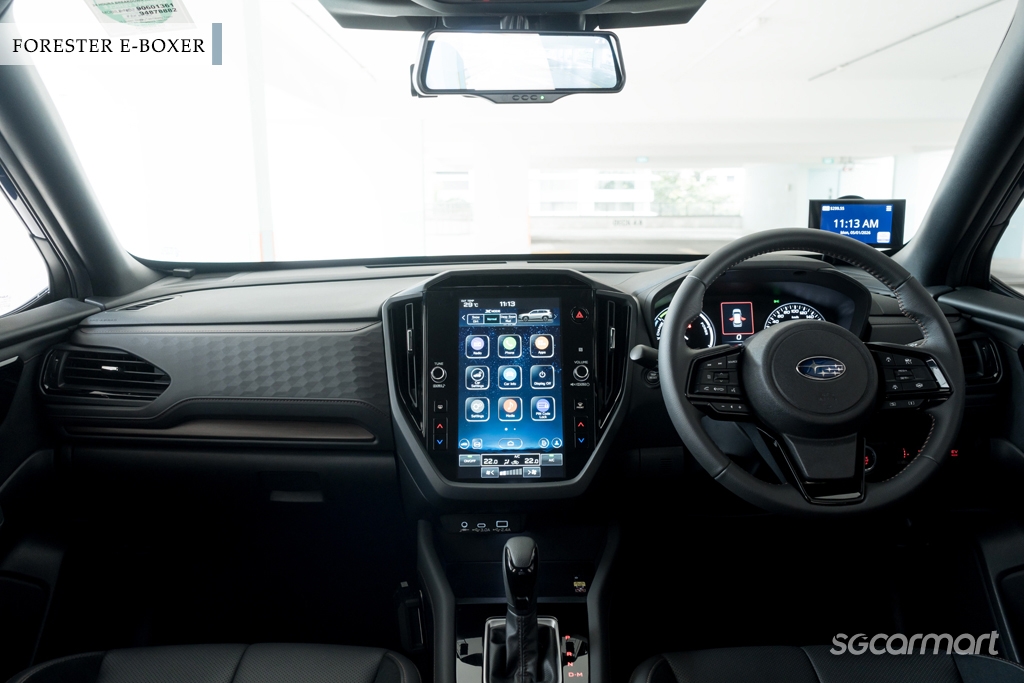
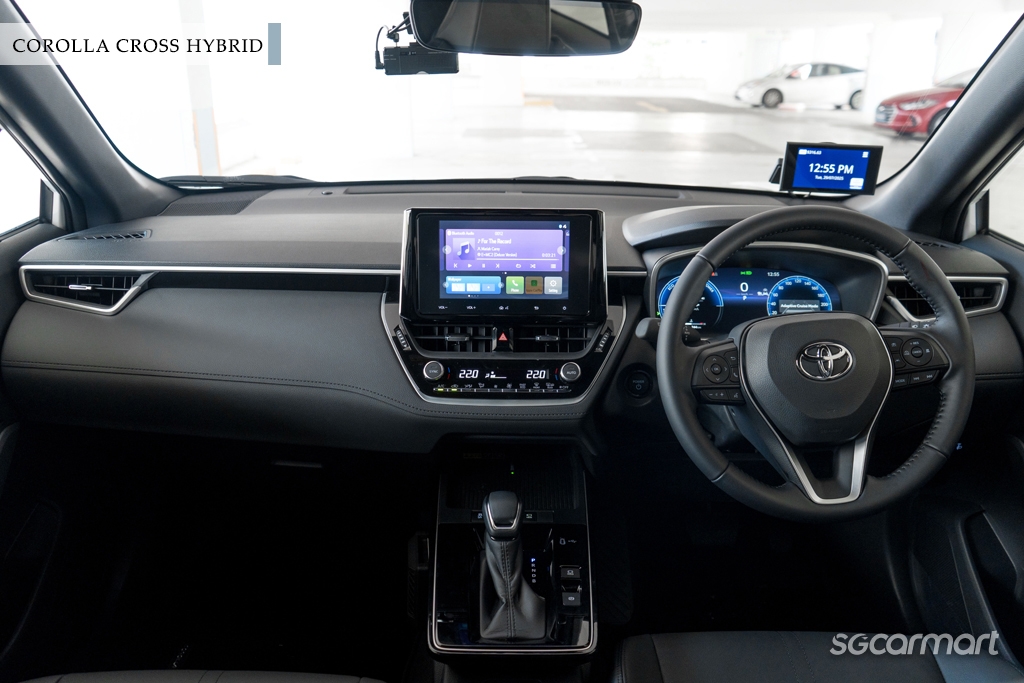
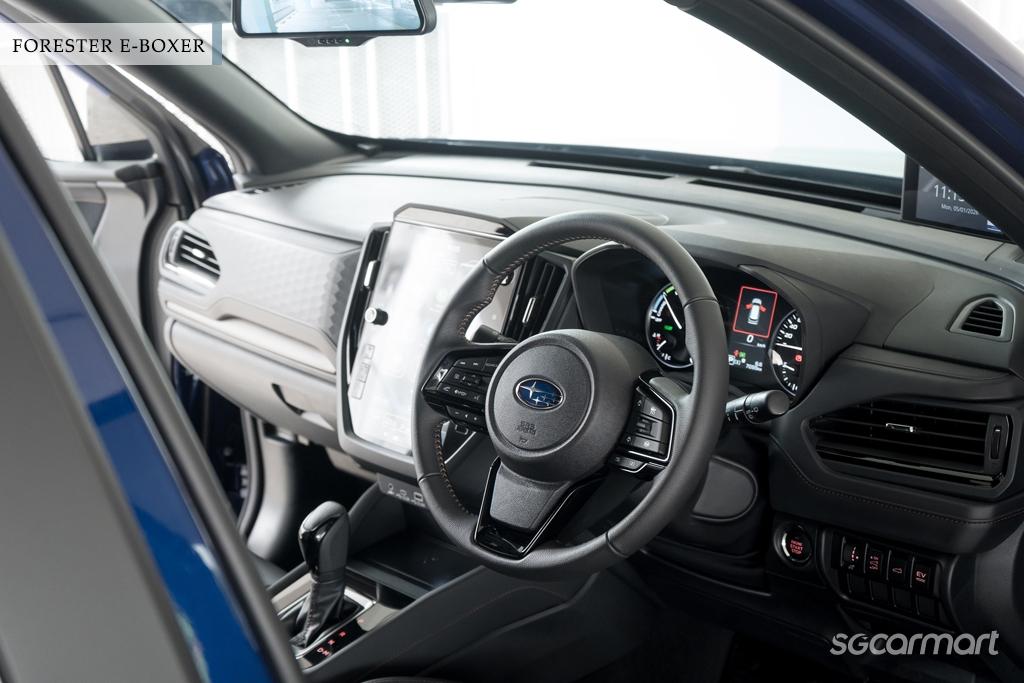
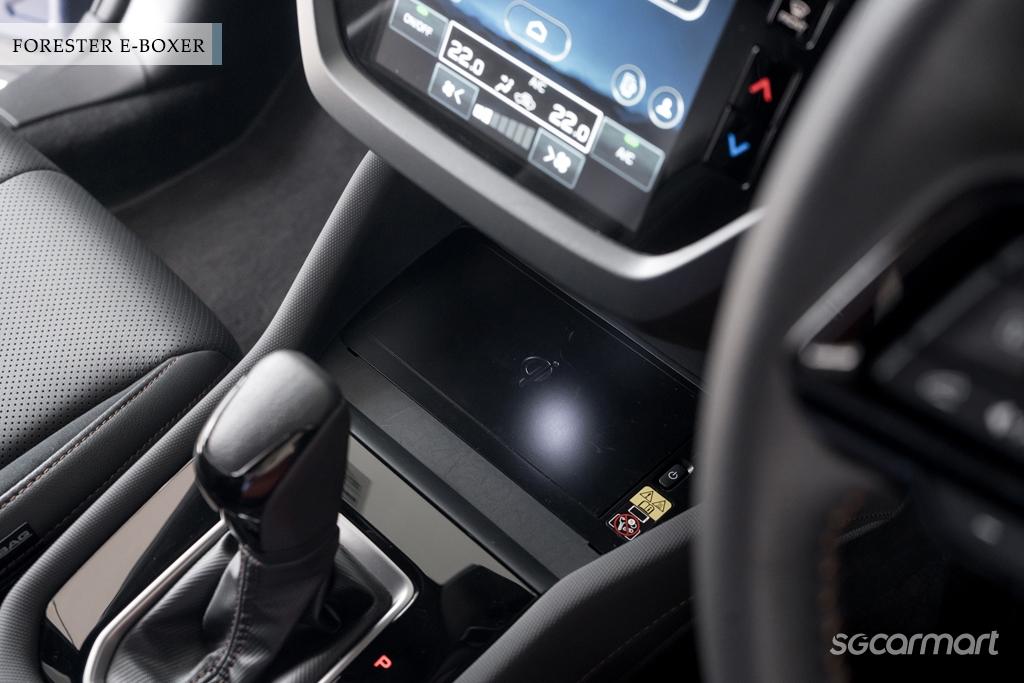
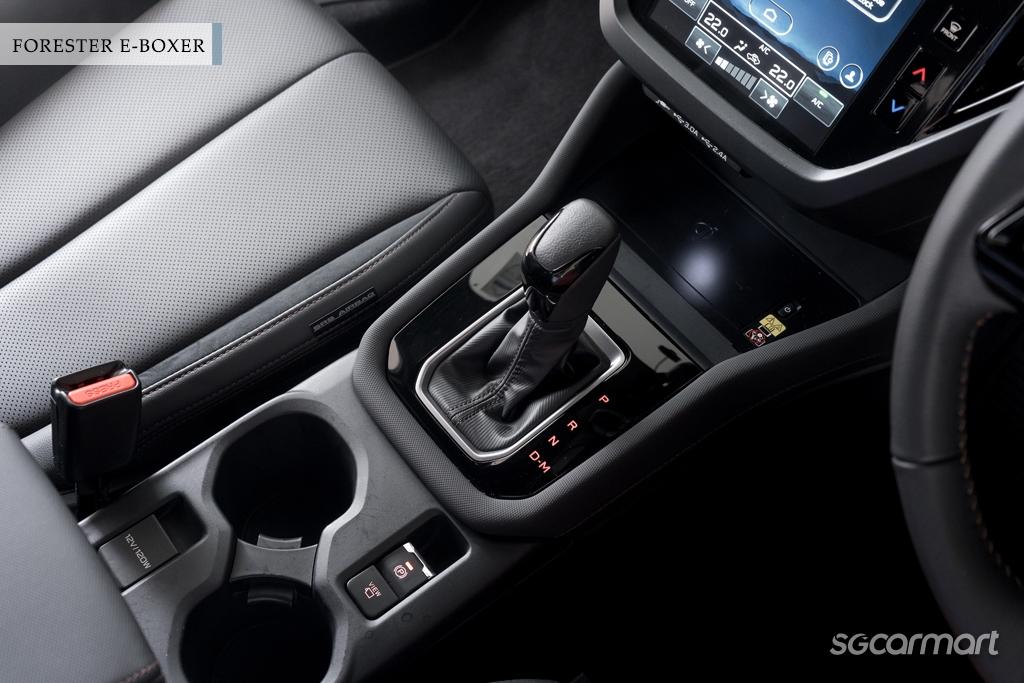
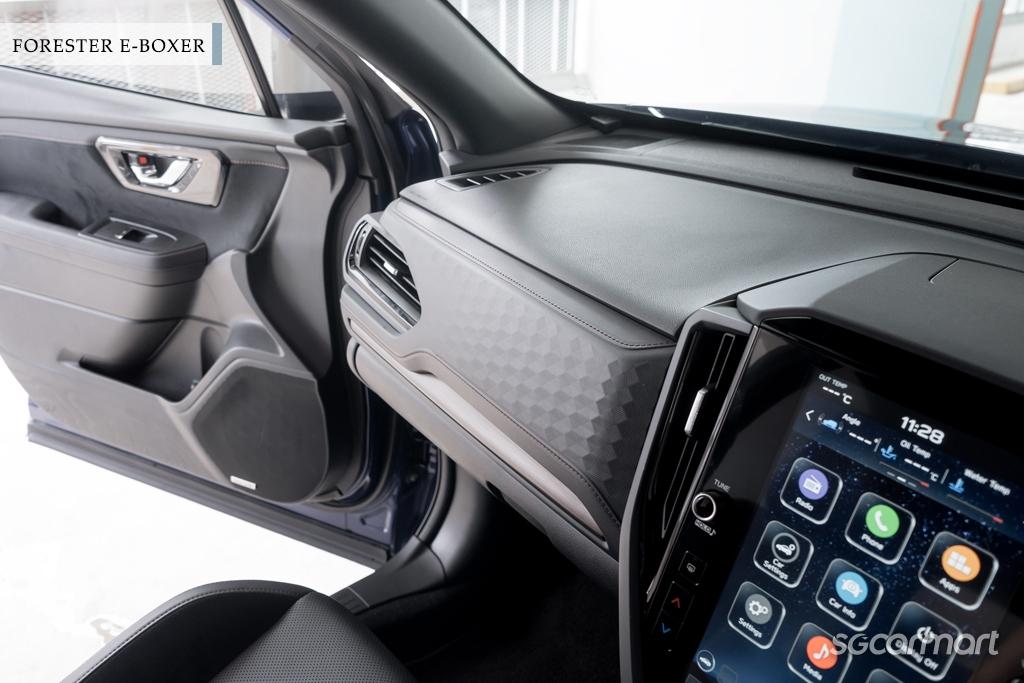
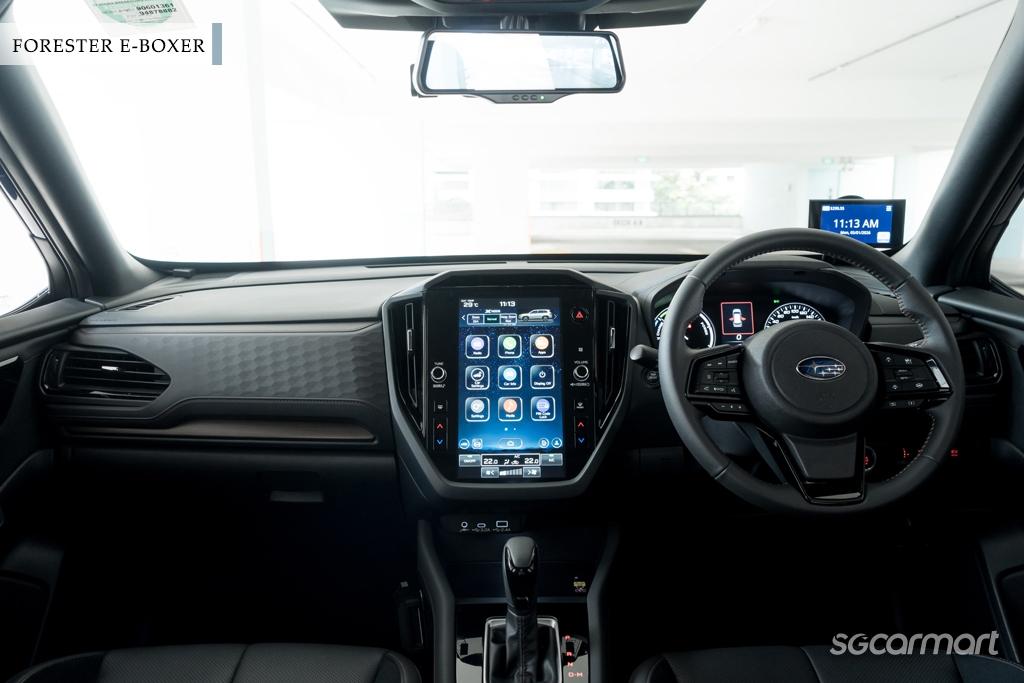
With the exception of its instrument cluster, the Forester’s dashboard feels like the more modern one between the two
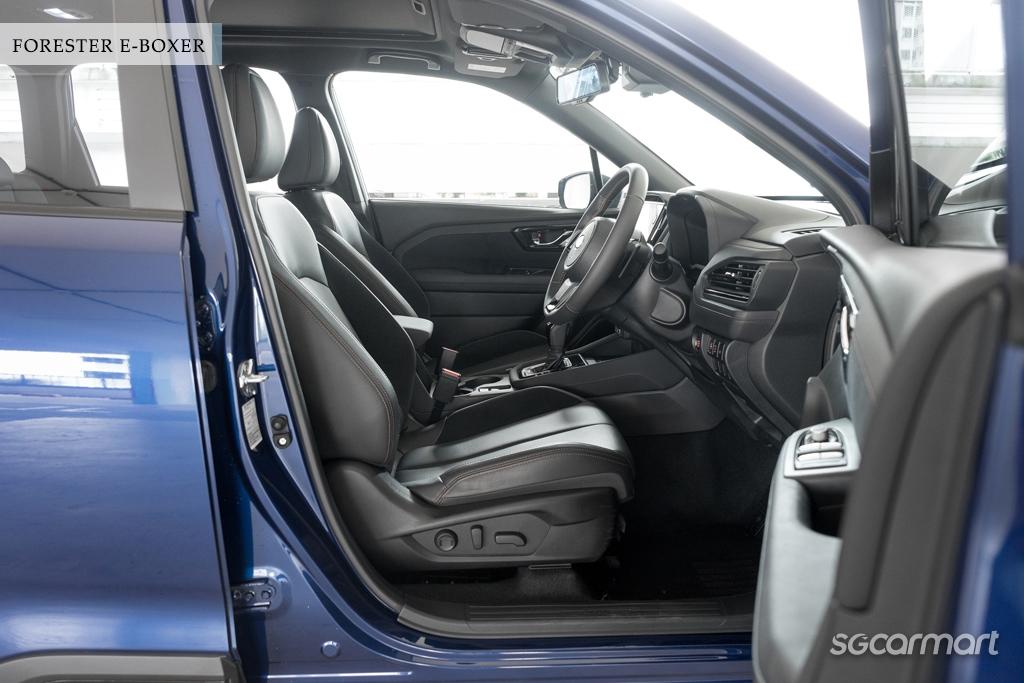
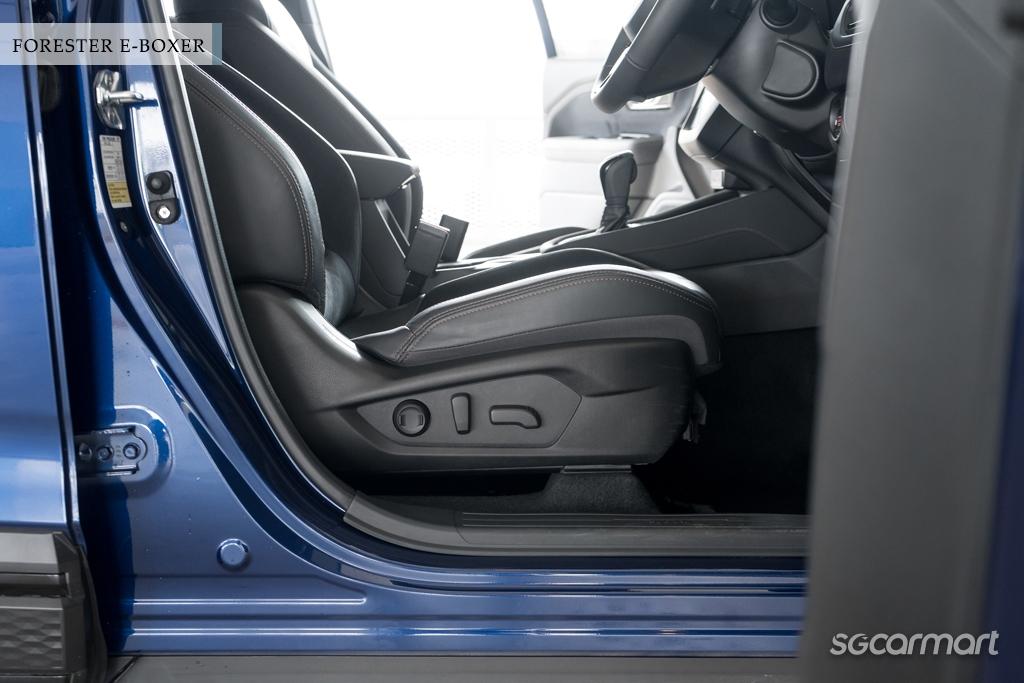
On the inside, though, it's the Forester that takes the lead comfortably. Shedding the more utilitarian air of its predecessors, its cabin now exudes a degree of sophistication, interweaving different textures and materials for a more upmarket ambience.
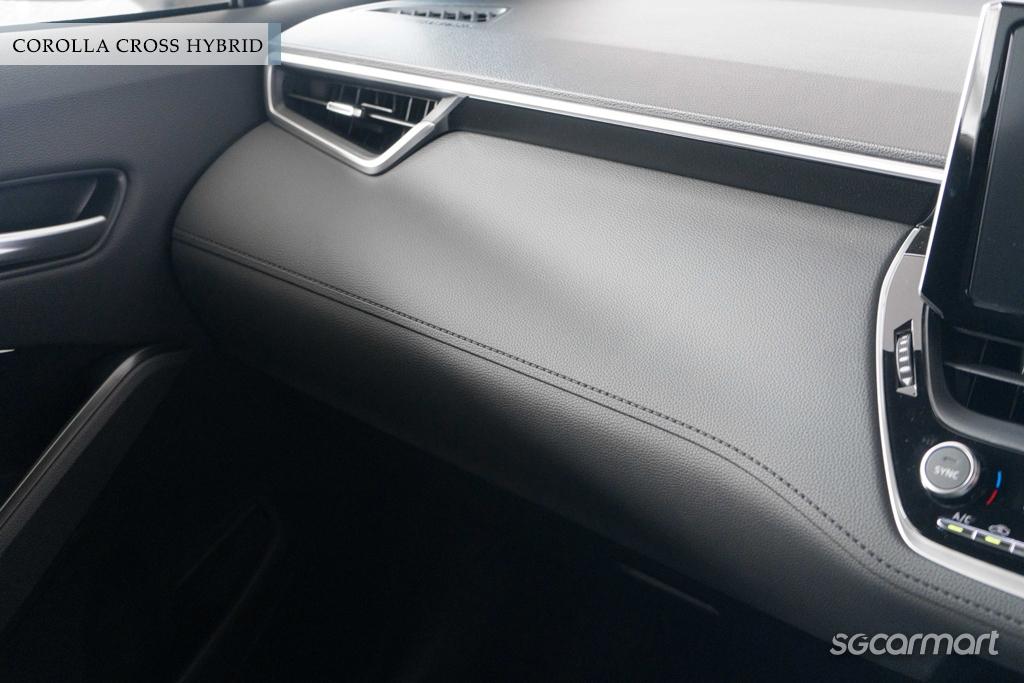
The dark hard plastics haven't disappeared entirely, but thrown into the mix now are suede-like finishes on the door cards and dashboard (which even has parametric indentations), as well as faux-wood panels. While the Corolla Cross feels solidly screwed together on the inside and also offers its own share of soft-touch surfaces, the proceedings there are undeniably more austere, and thus also less impressive.
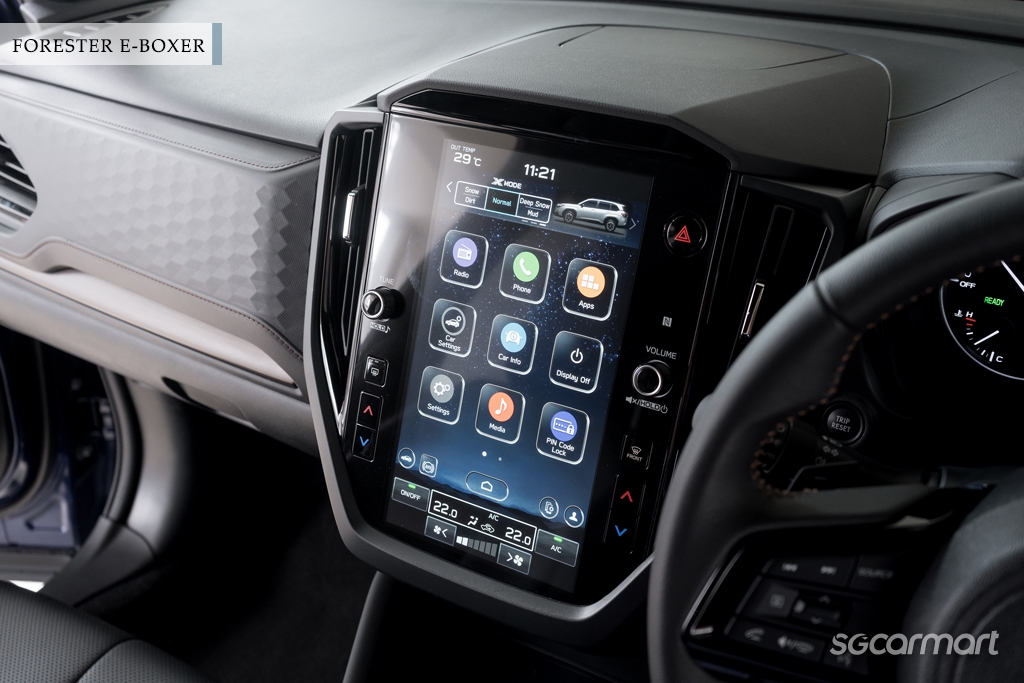
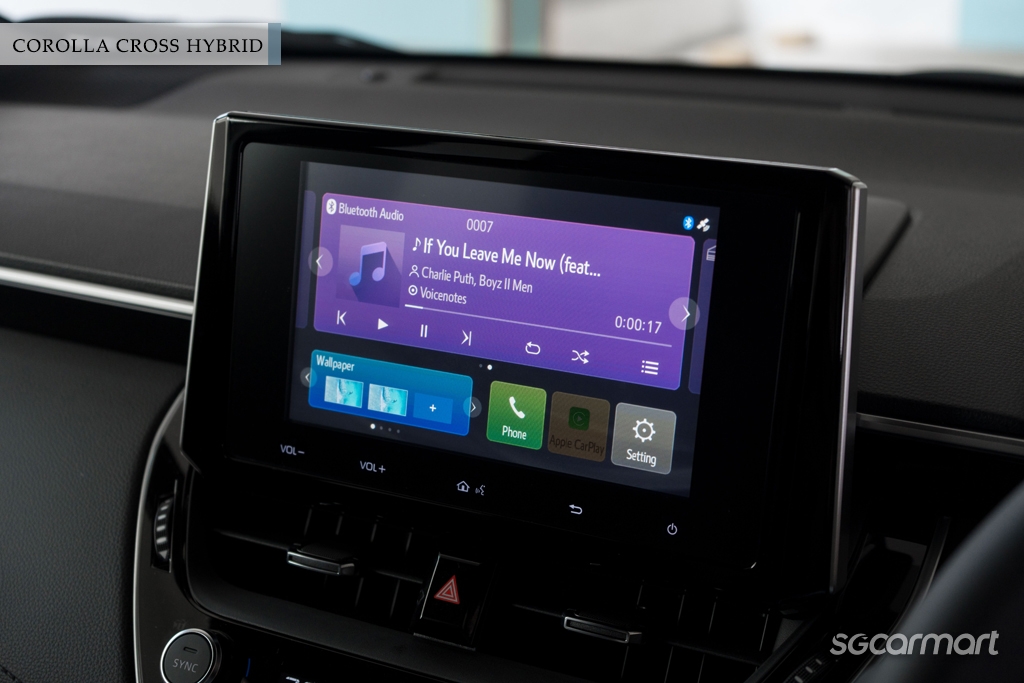
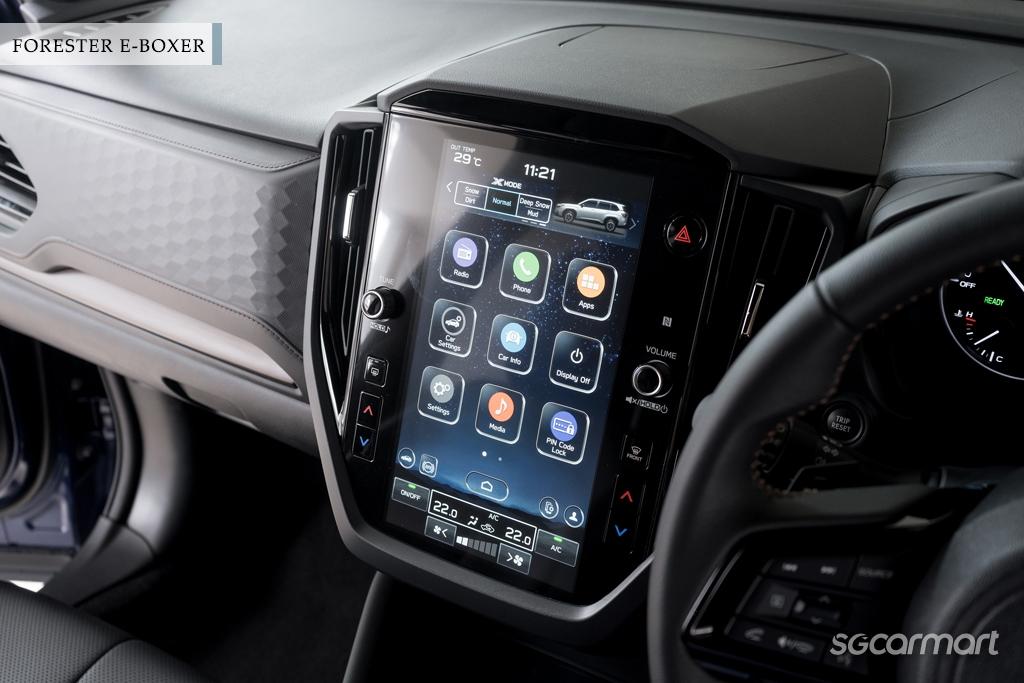
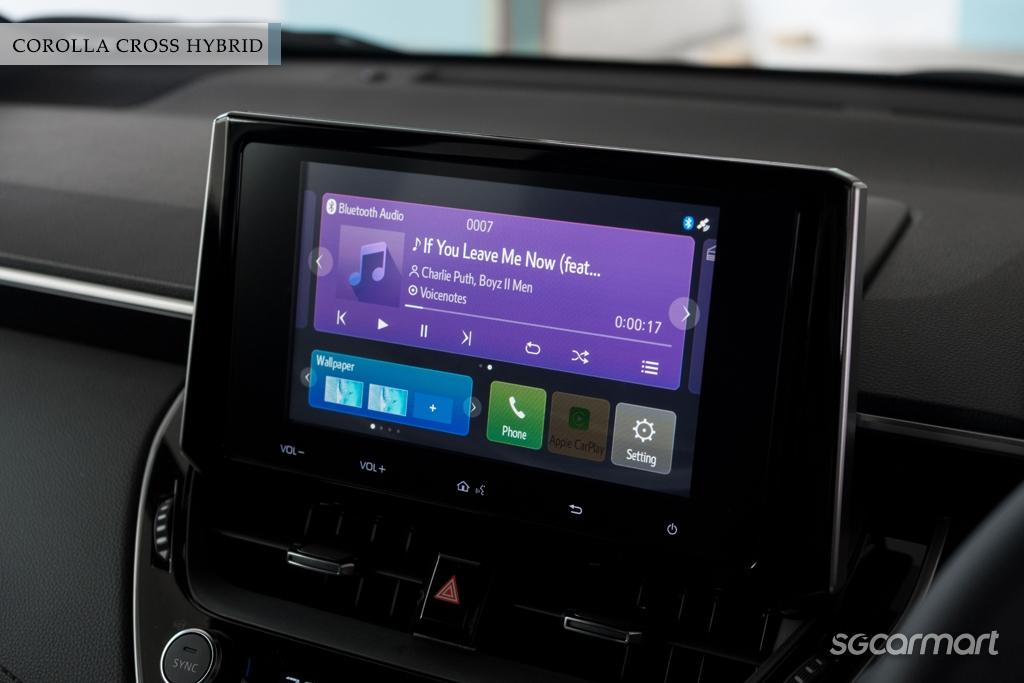
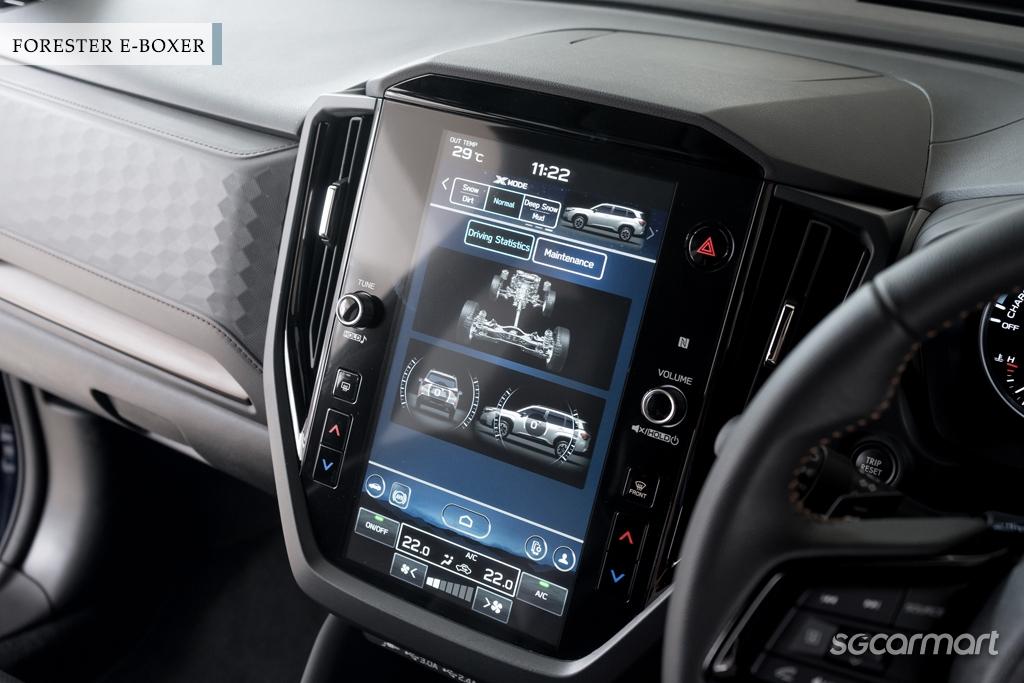
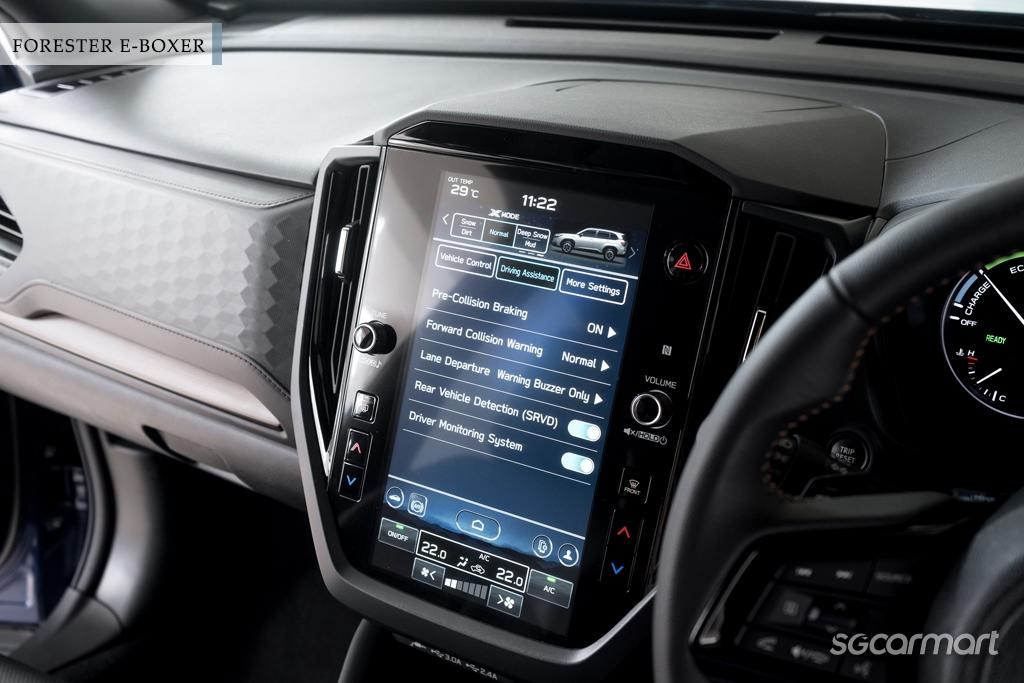
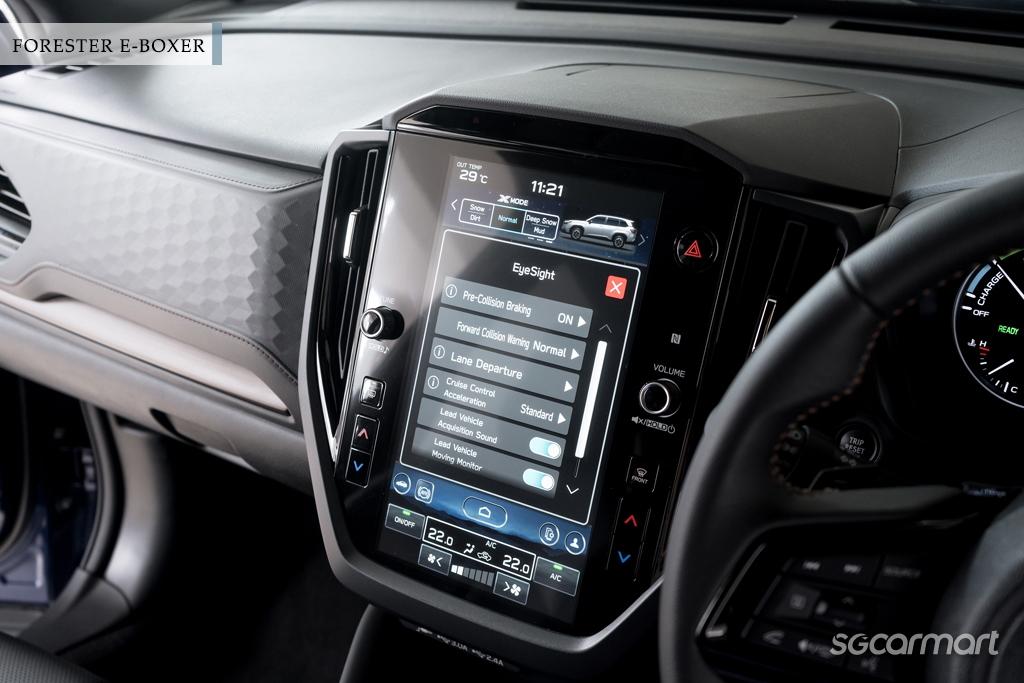
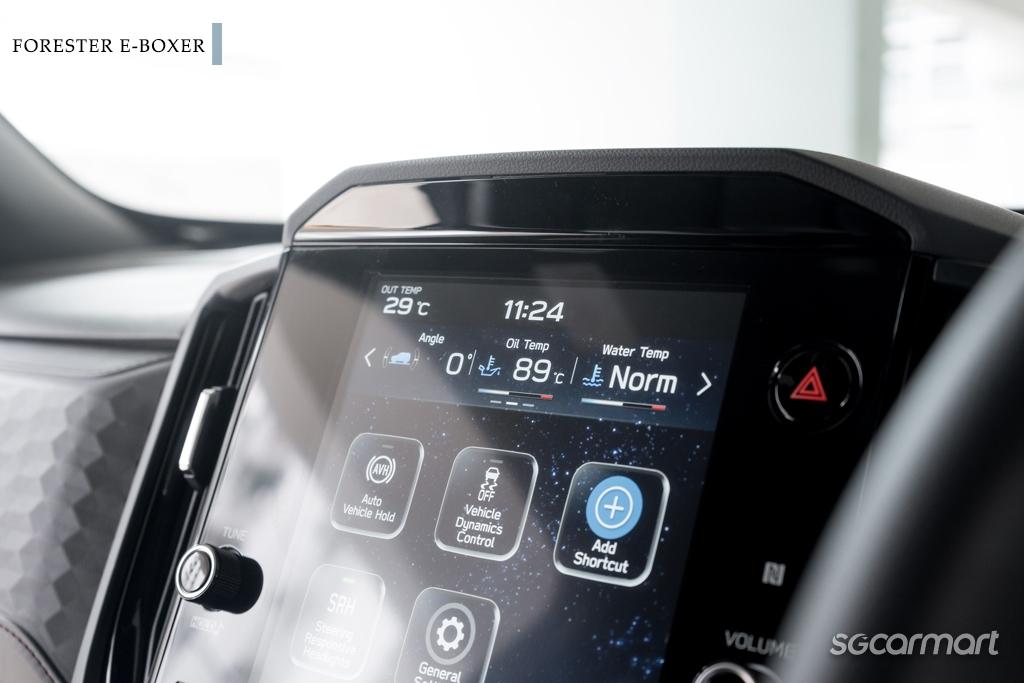
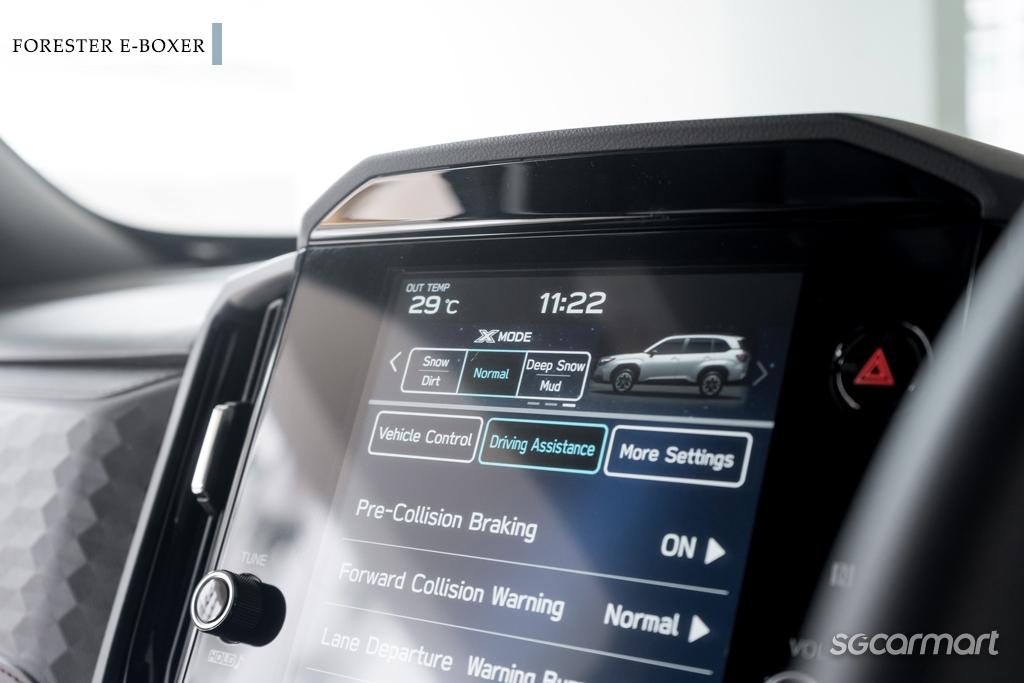
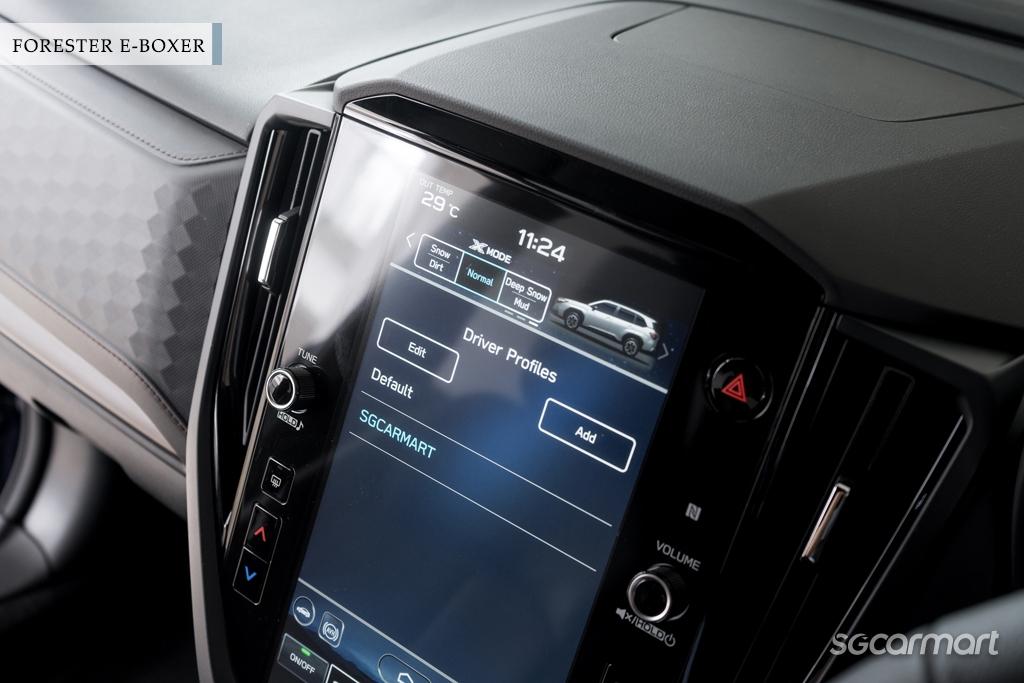
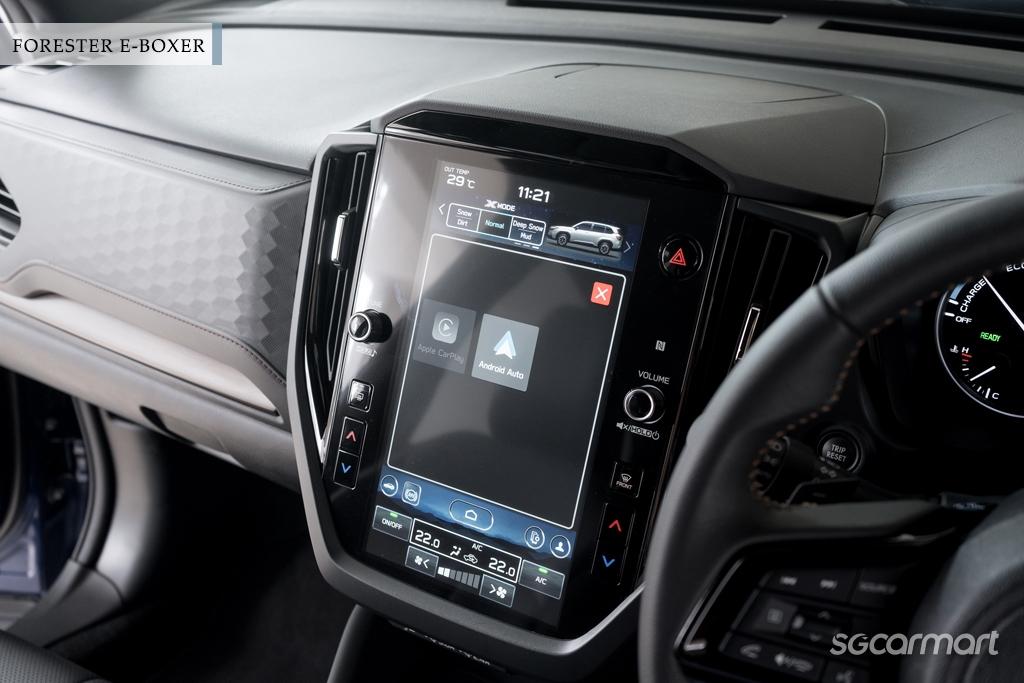
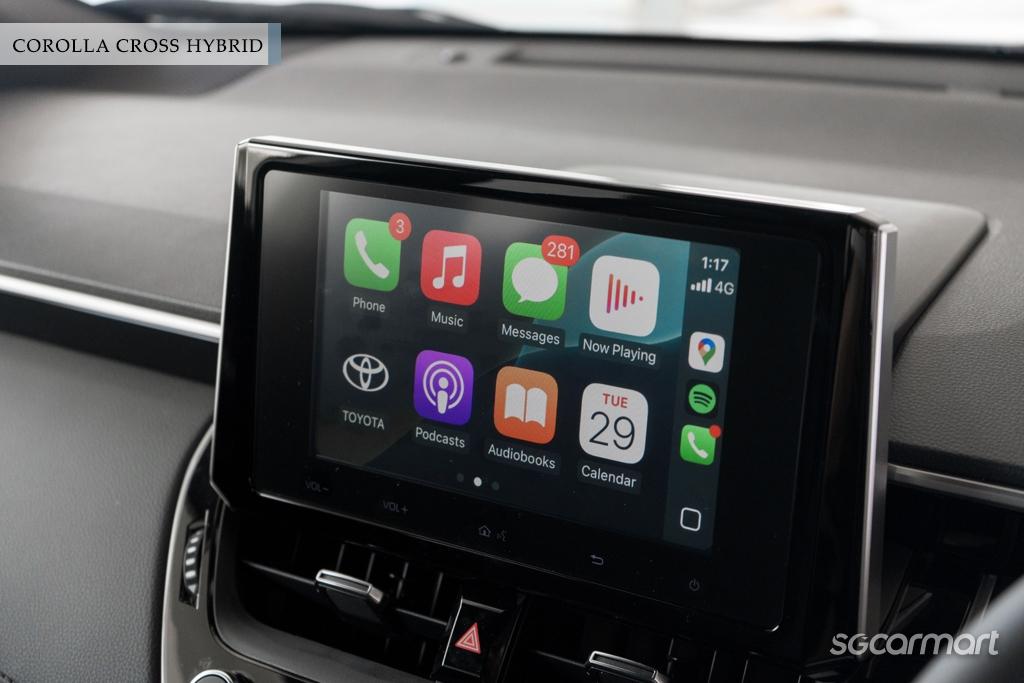
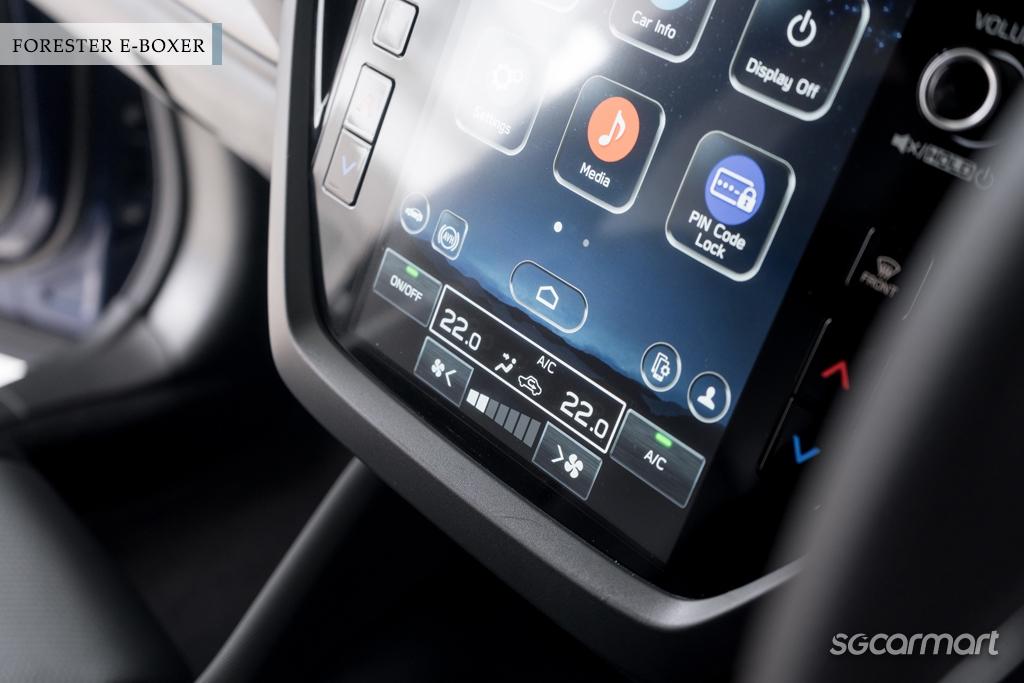
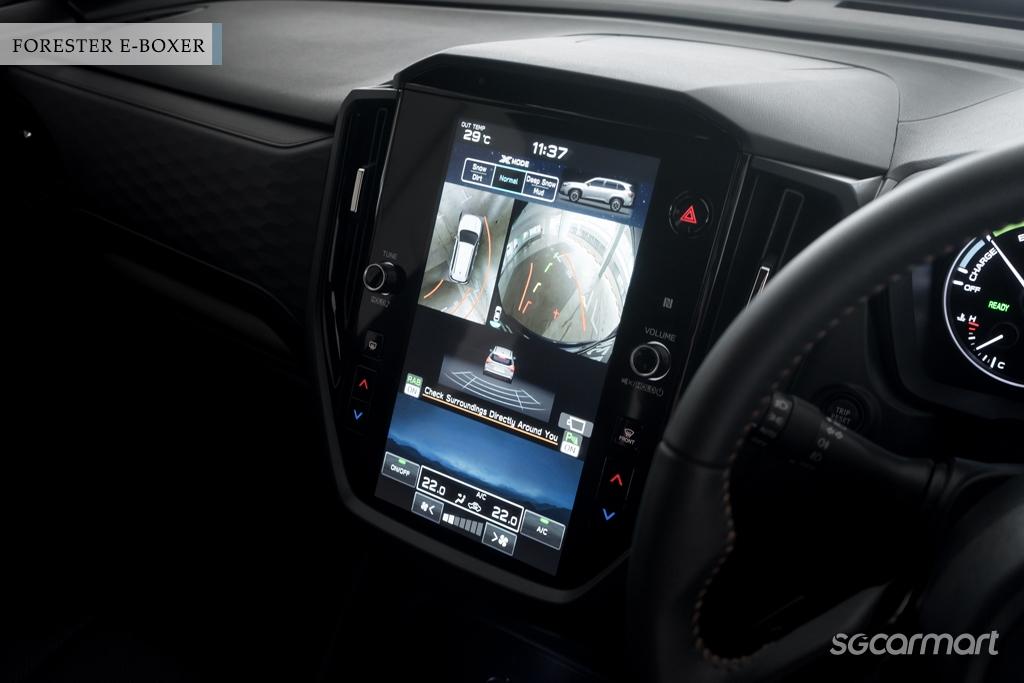
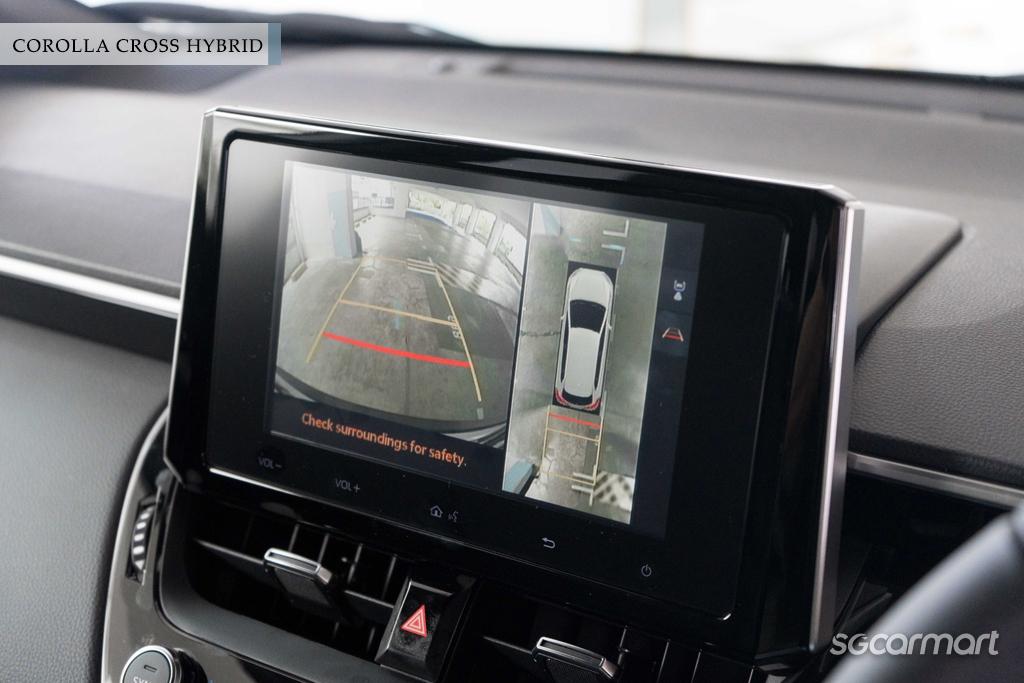
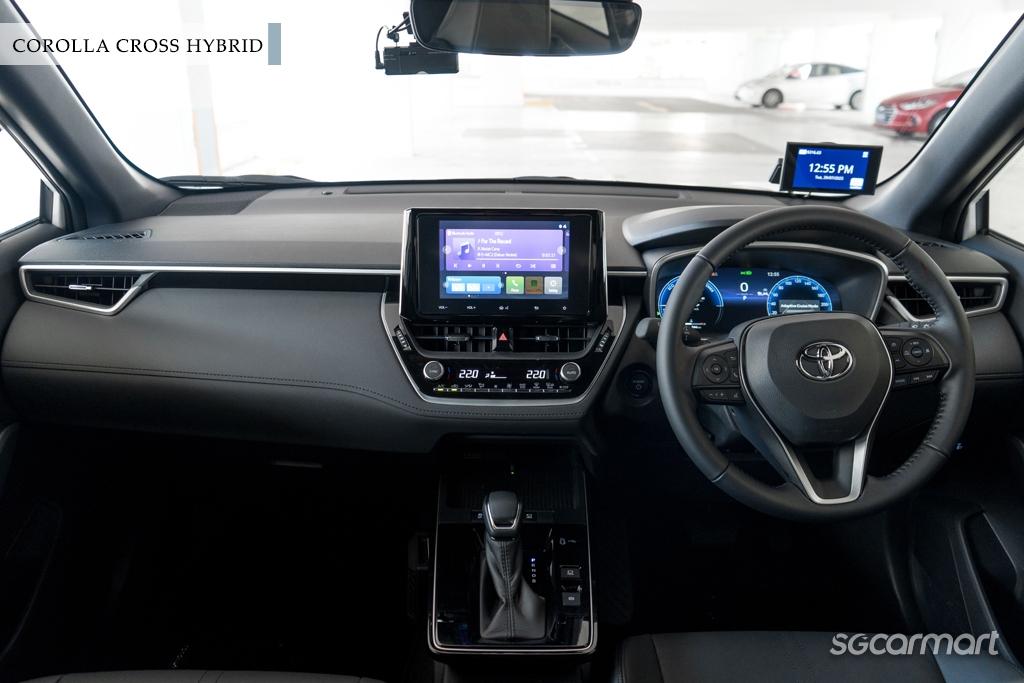
The portrait-style 11.6-inch HD infotainment touchscreen of the Forester is more responsive, of a higher resolution, and offers sharper graphics than the Corolla Cross’ 8.0-inch item
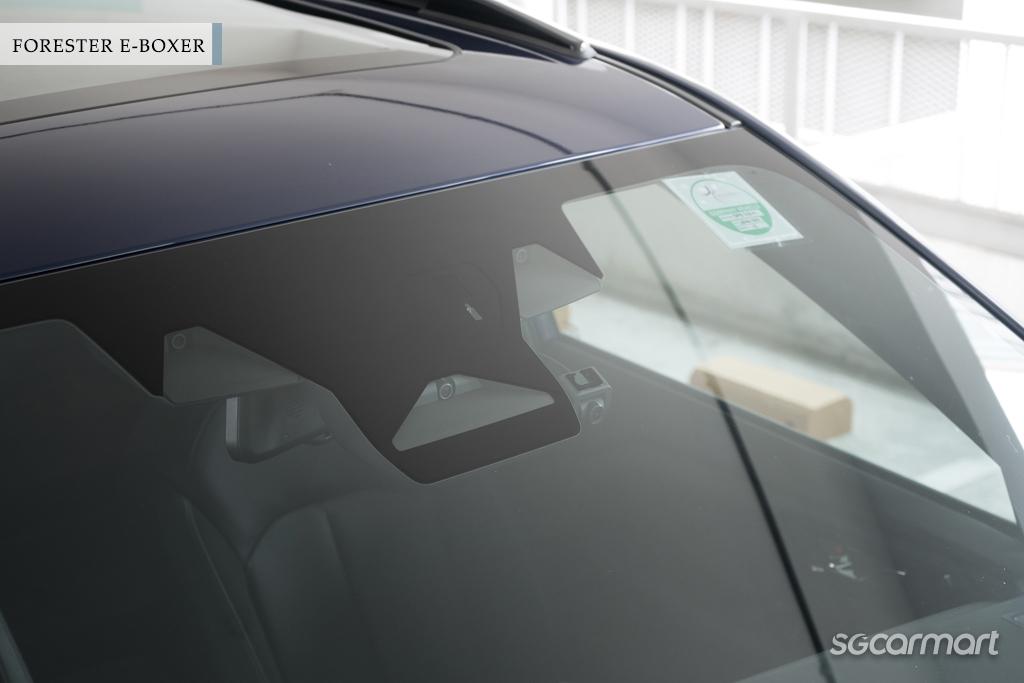
Furthermore, the Forester also has the edge when it comes to both equipment and tech.
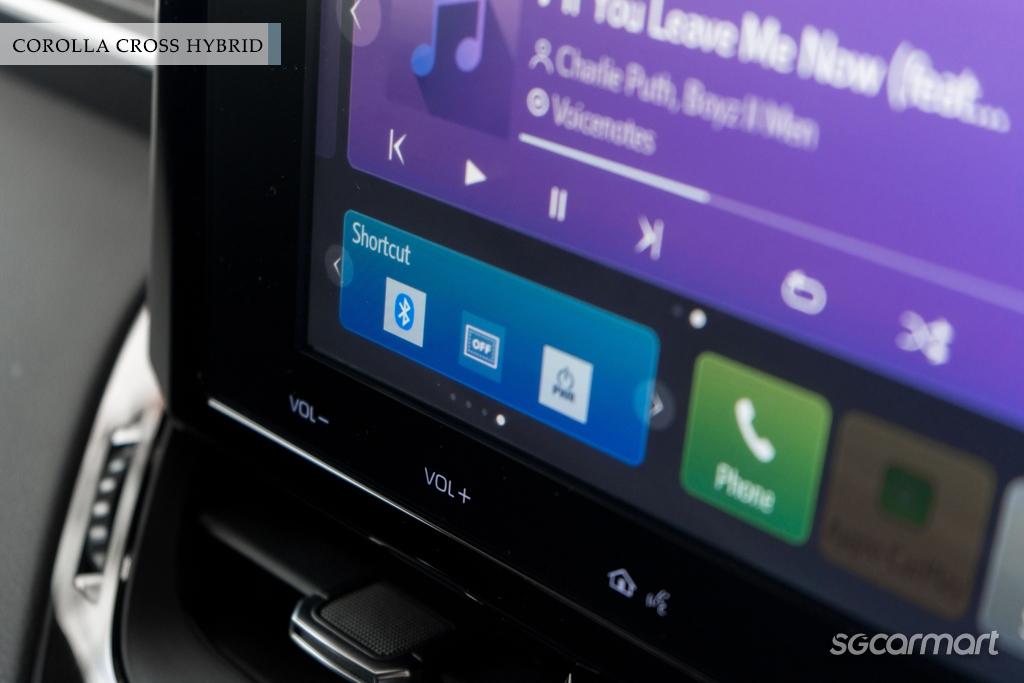
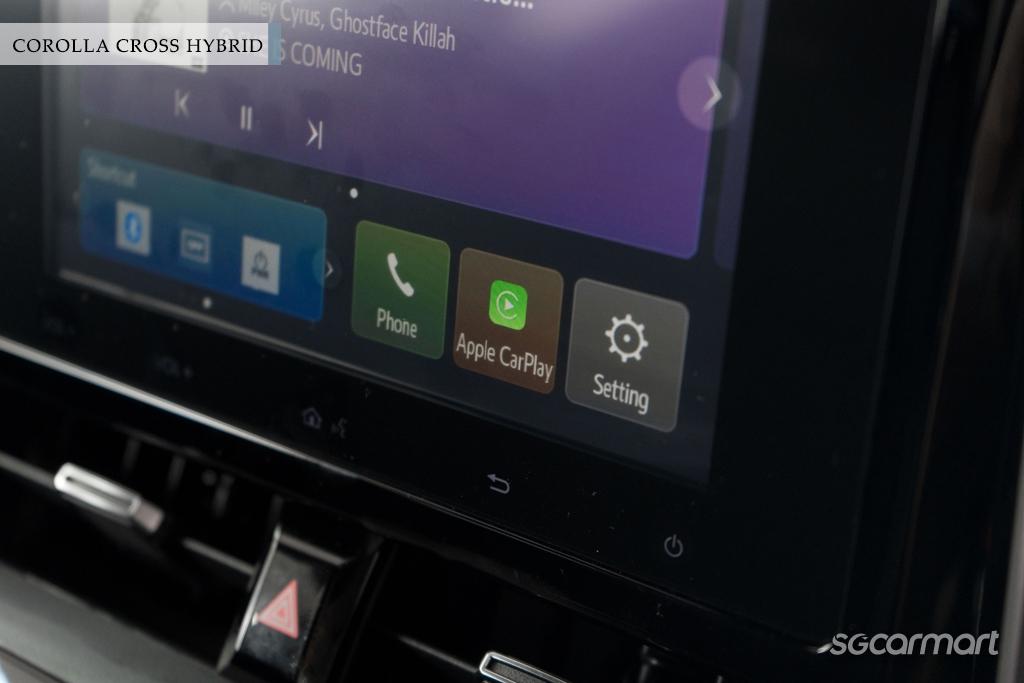
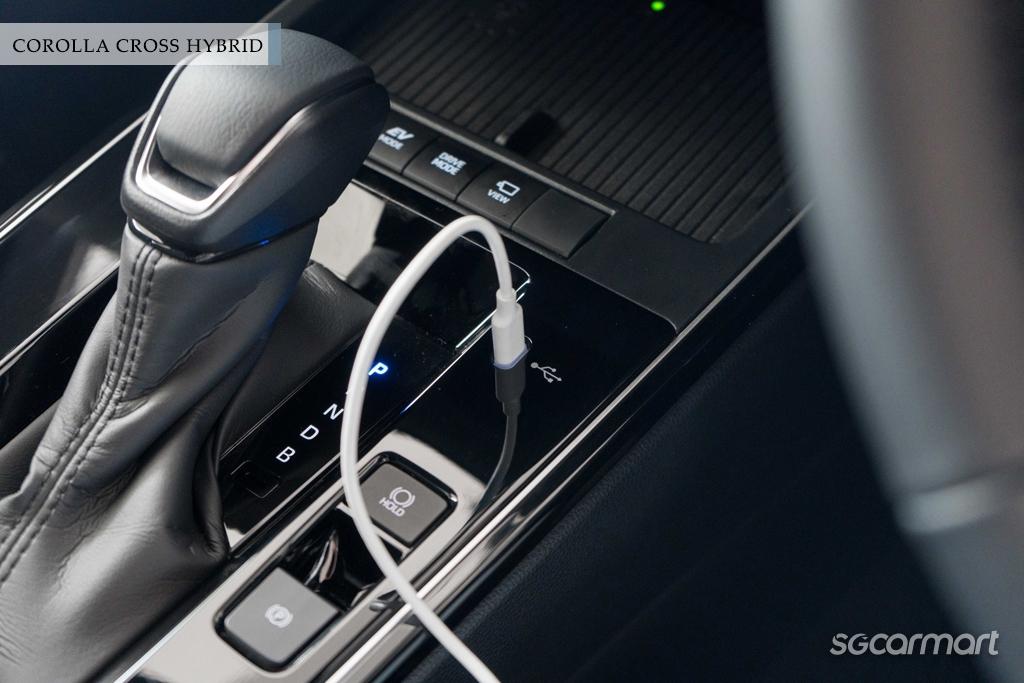
With its sharper graphics and ability to support wireless phone mirroring, its 11.6-inch portrait-style infotainment touchscreen is far superior to the 8.0-inch one on the Corolla Cross. The latter is not only of a lower resolution - a reality you are reminded of especially when the surround-view camera is activated at lower speeds - but also requires you to pack a cable for both Android Auto and Apple CarPlay.
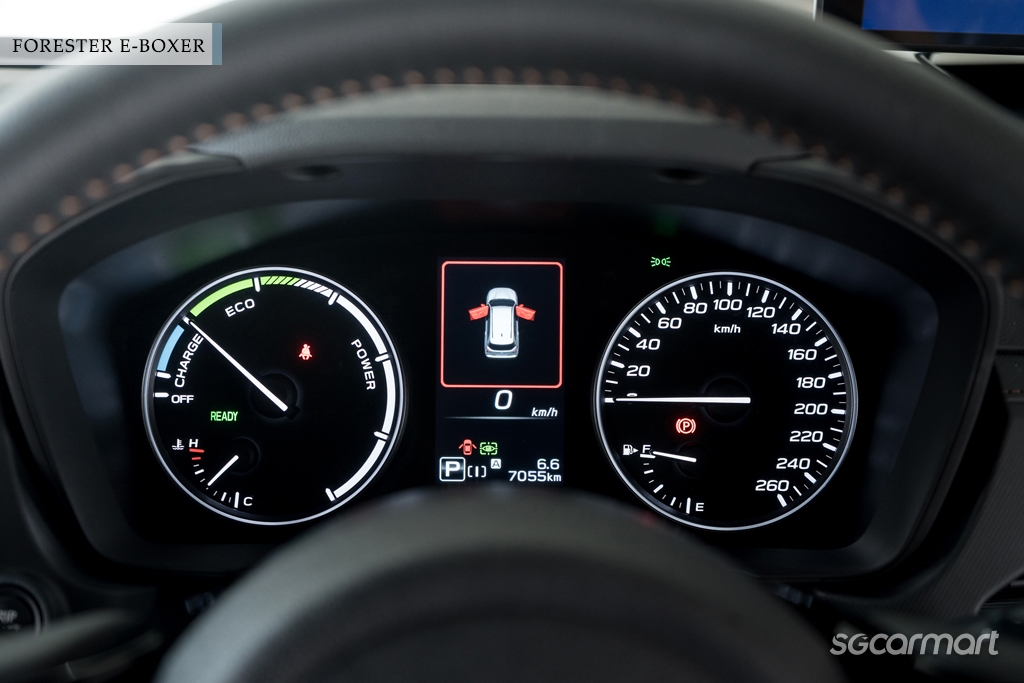
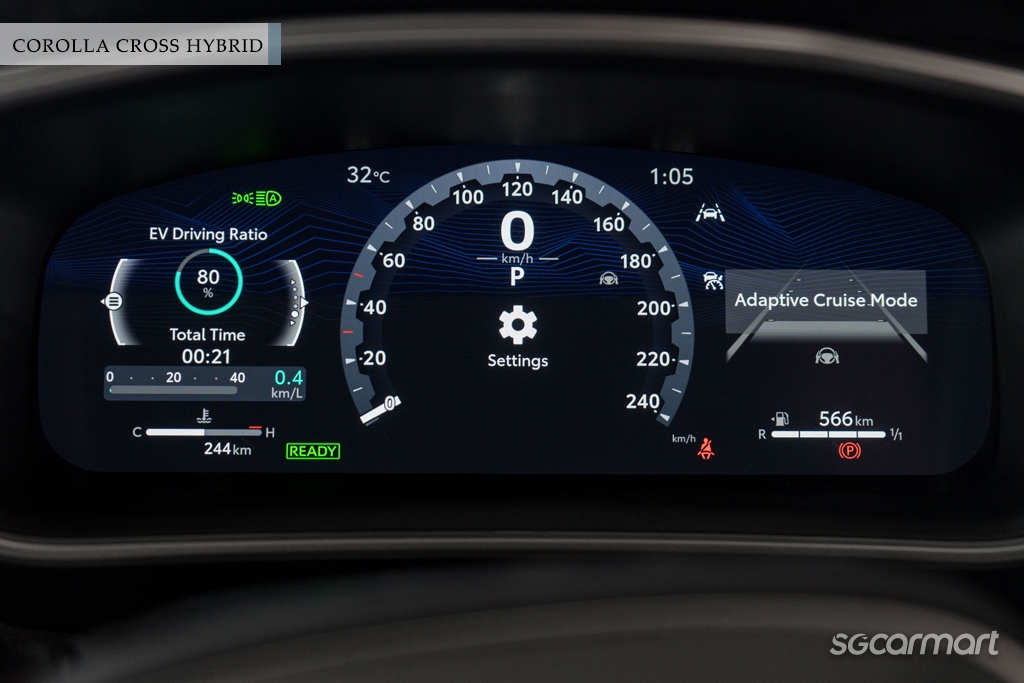
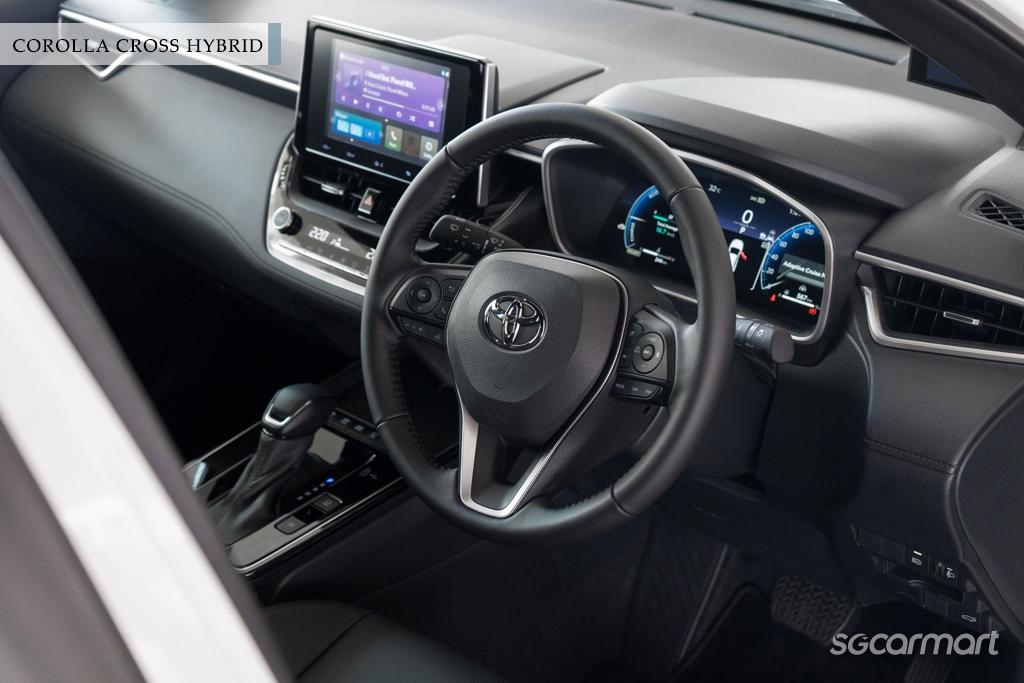
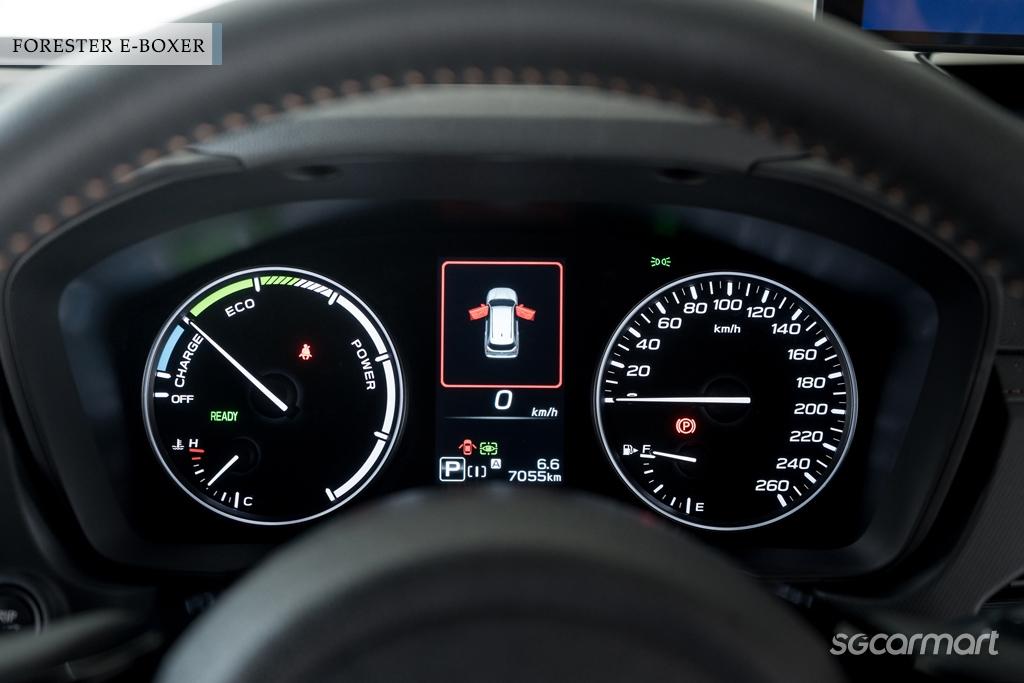
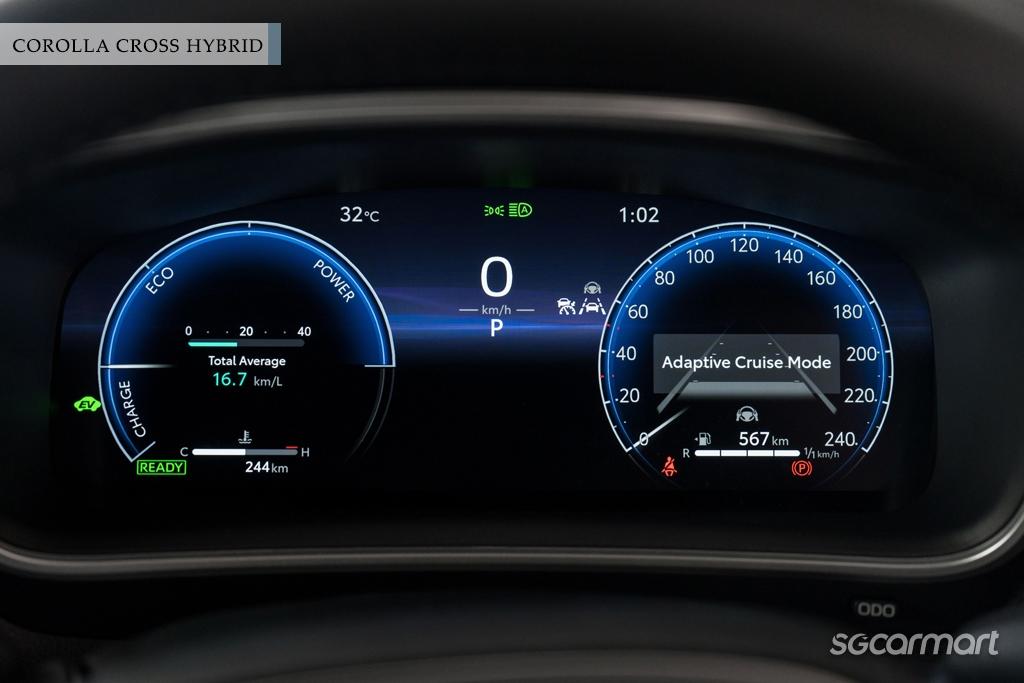
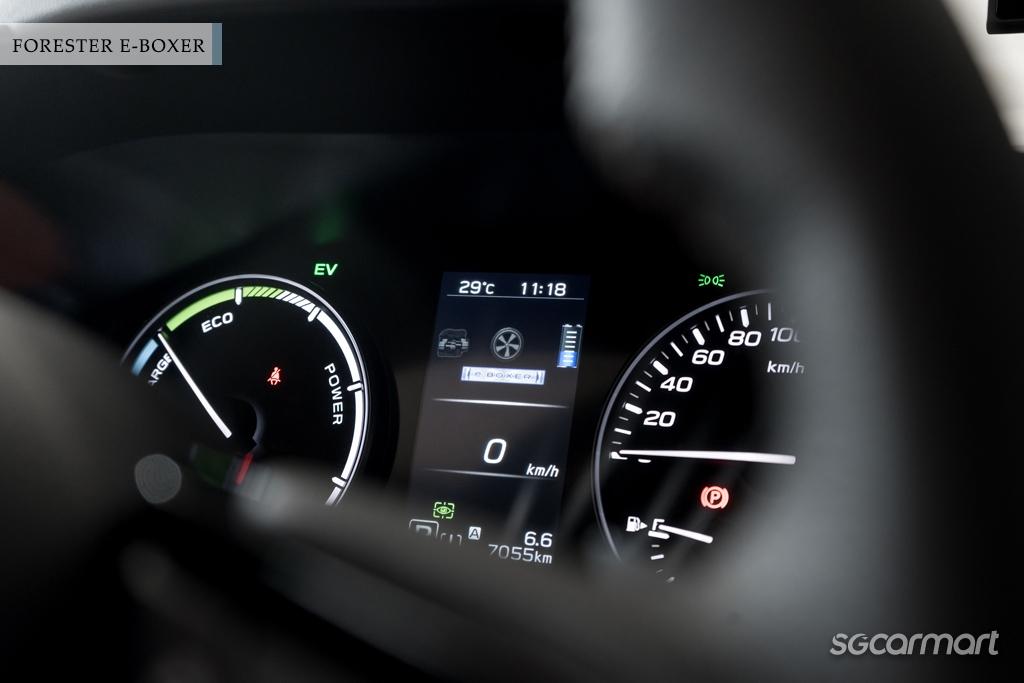
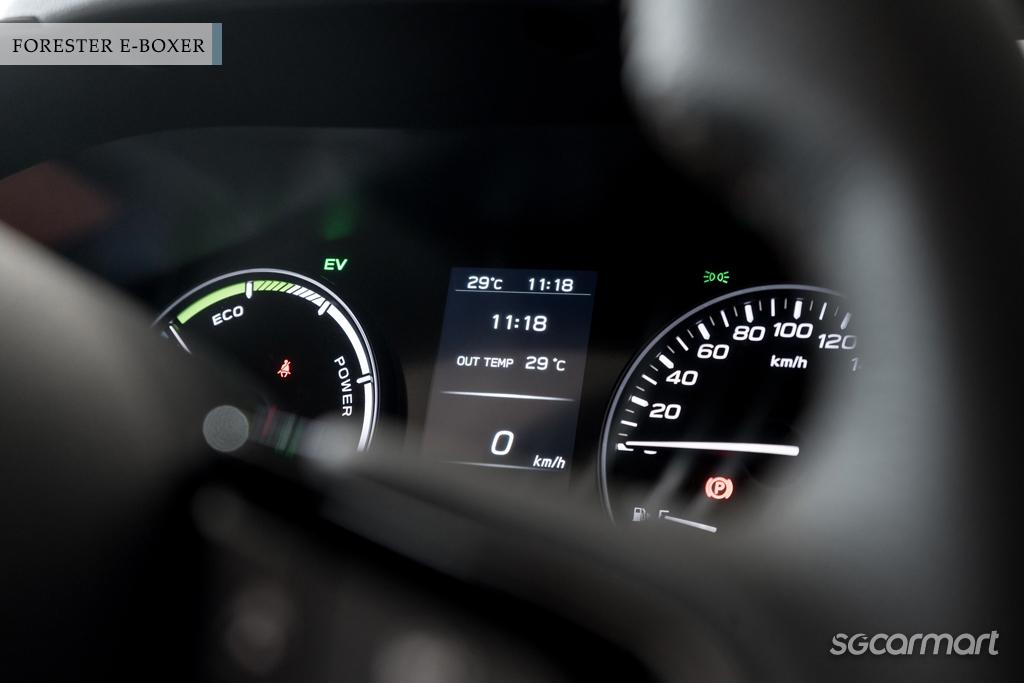
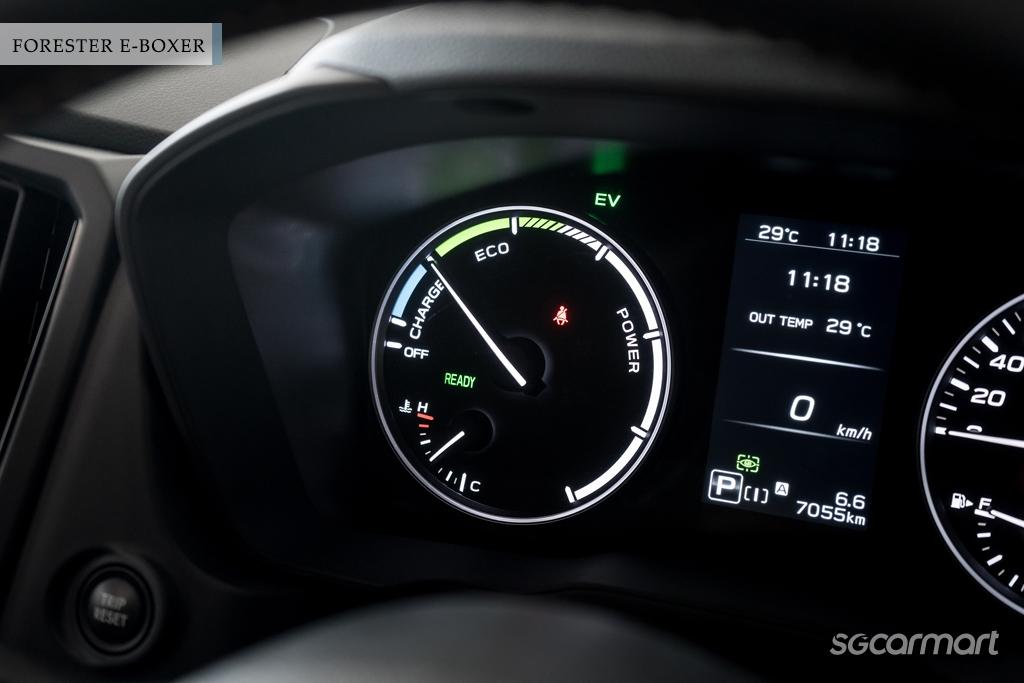
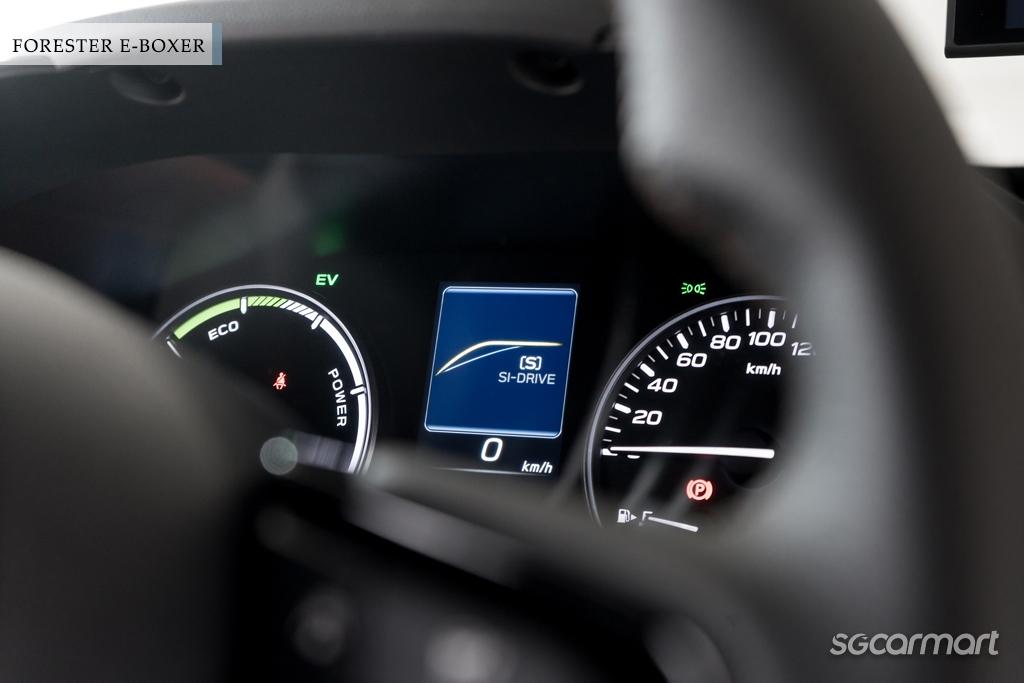
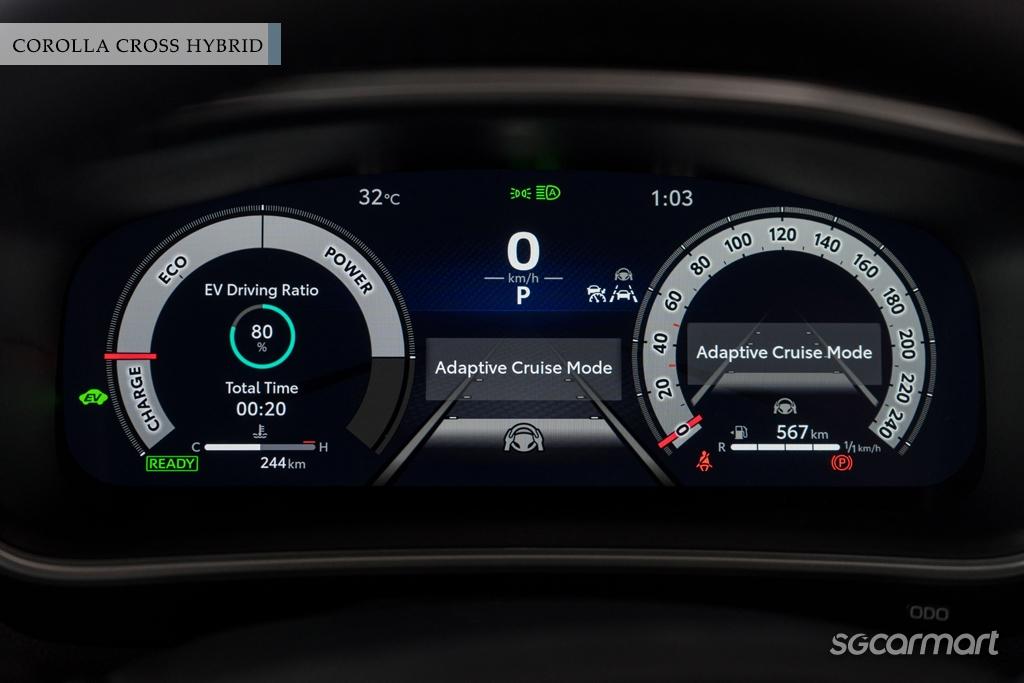
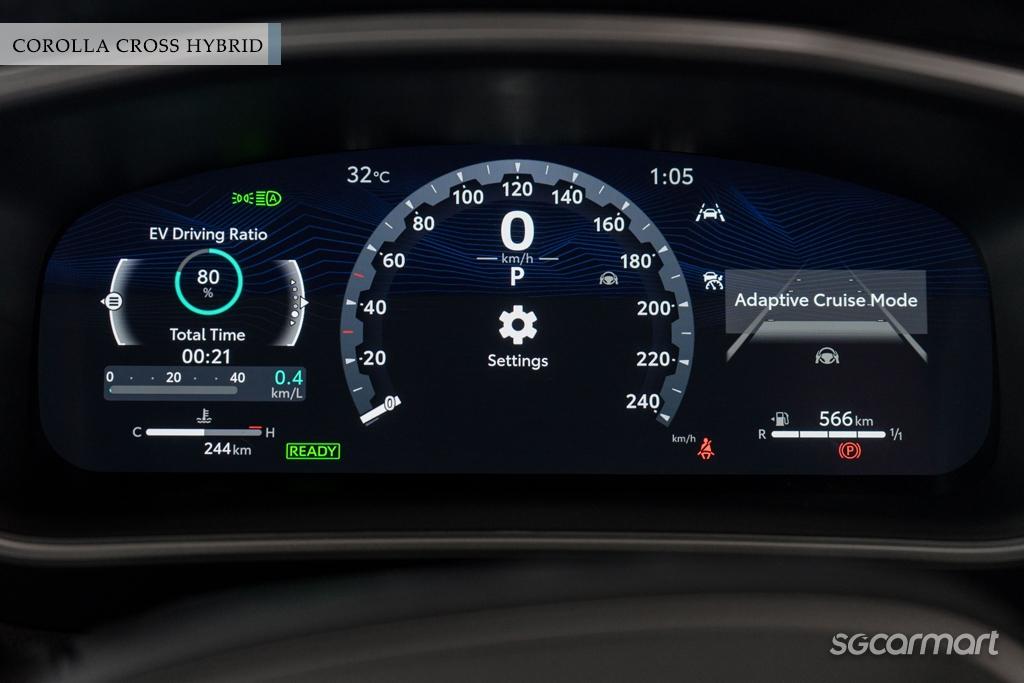
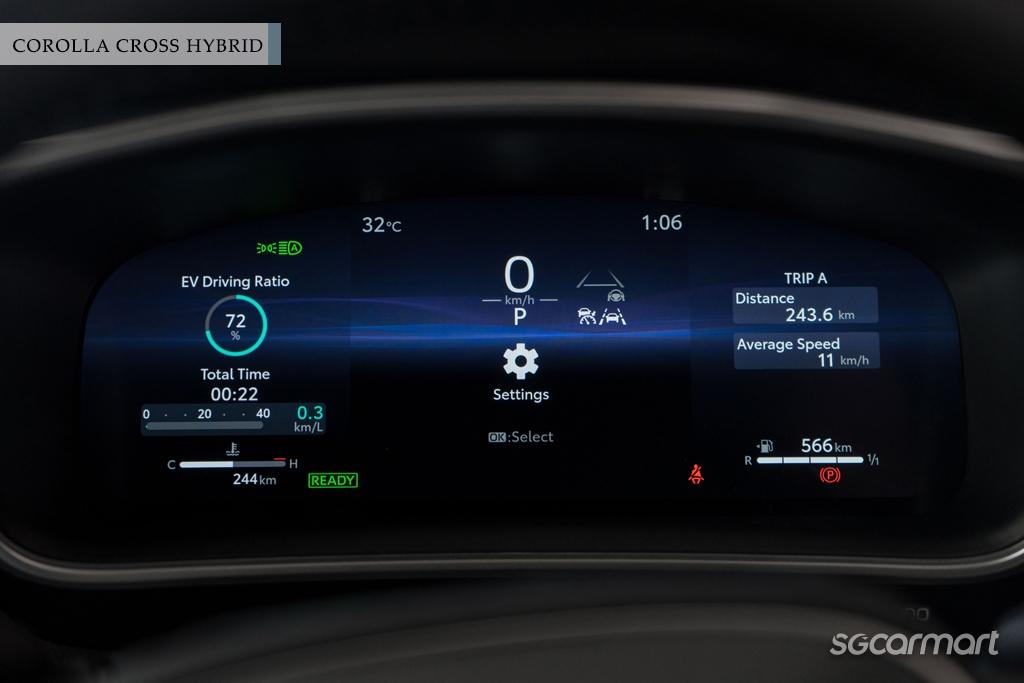
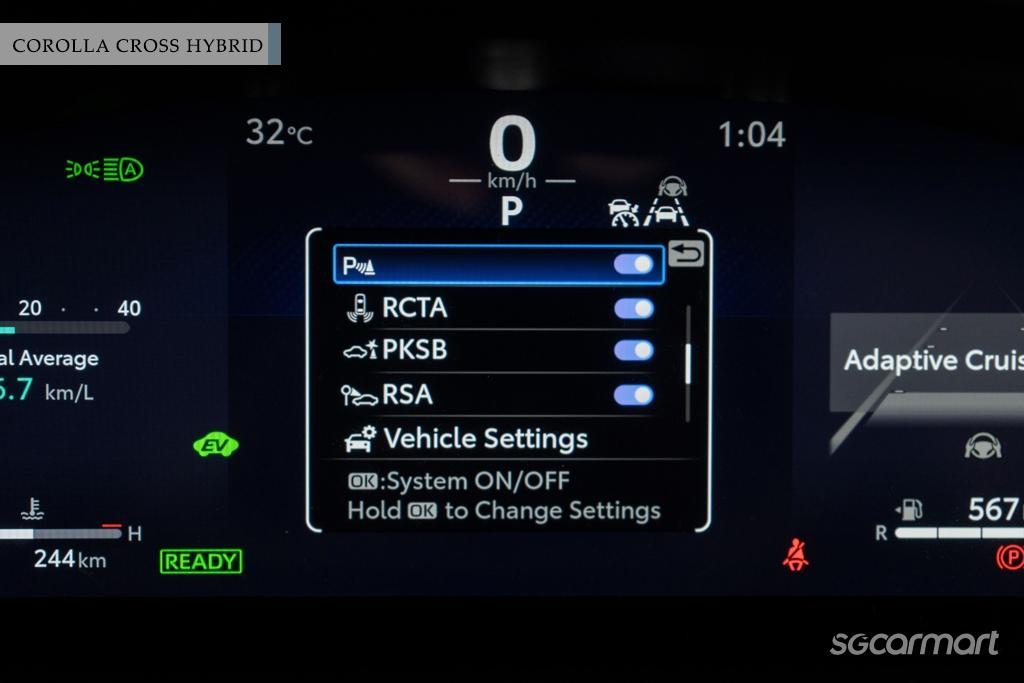
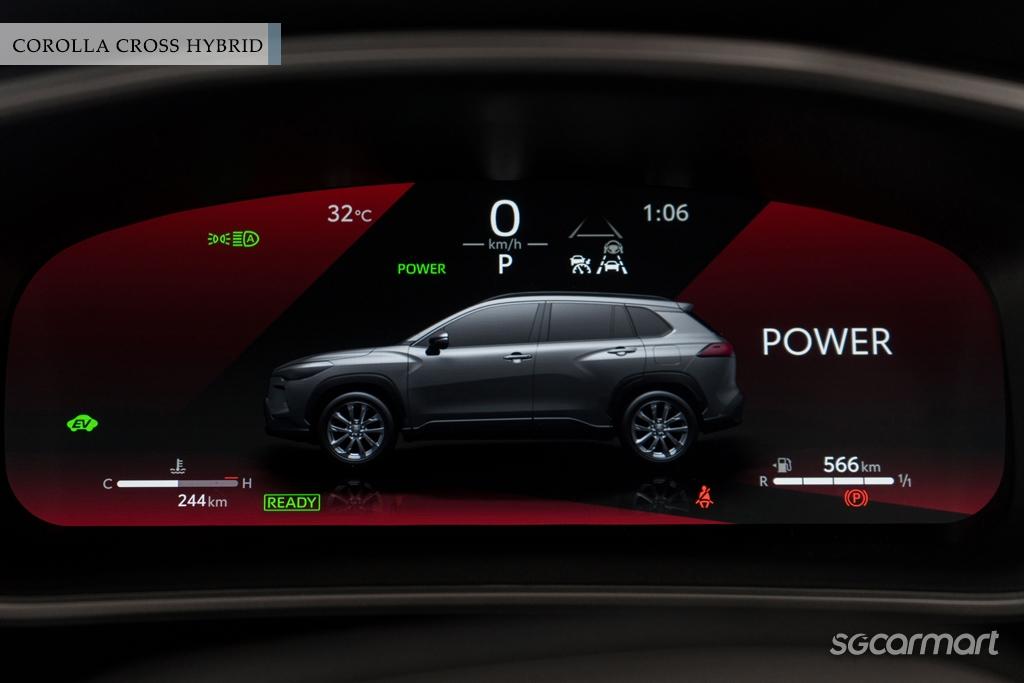
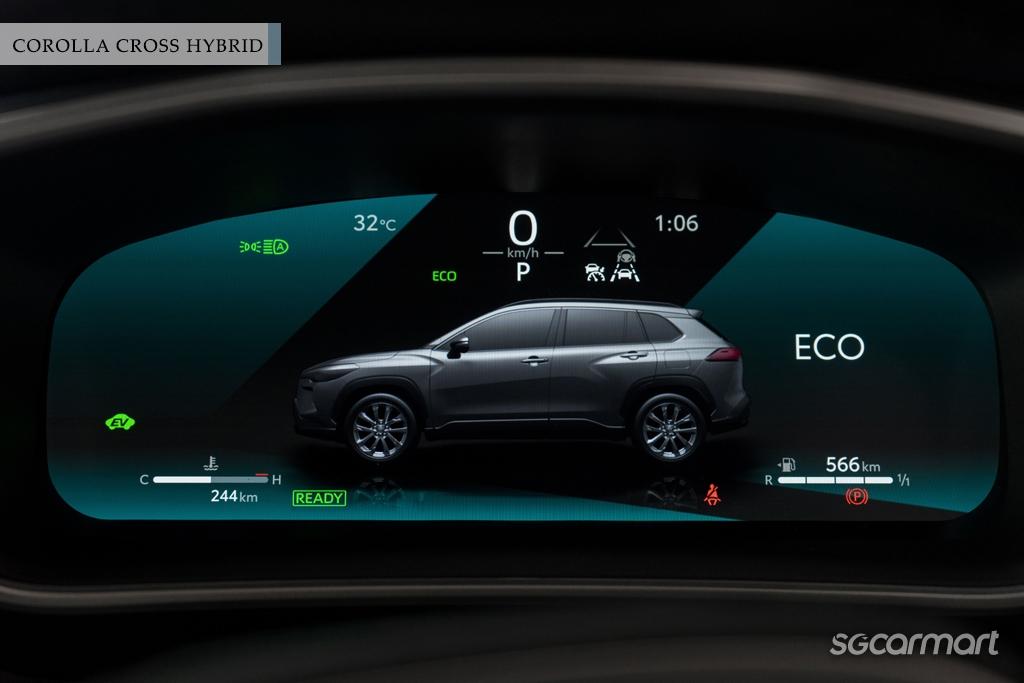
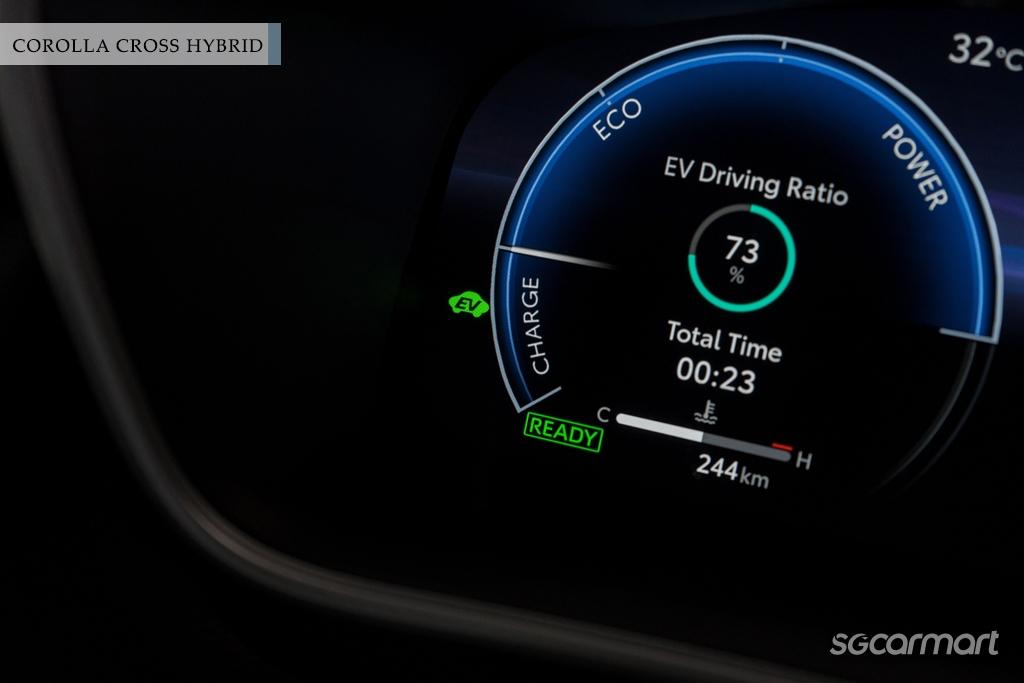
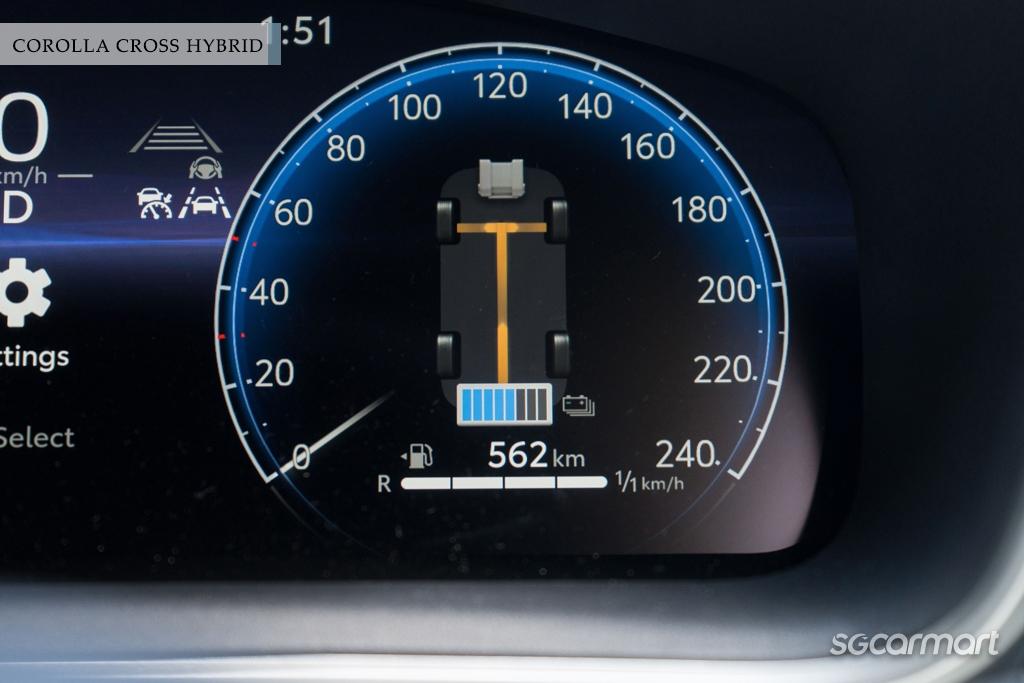
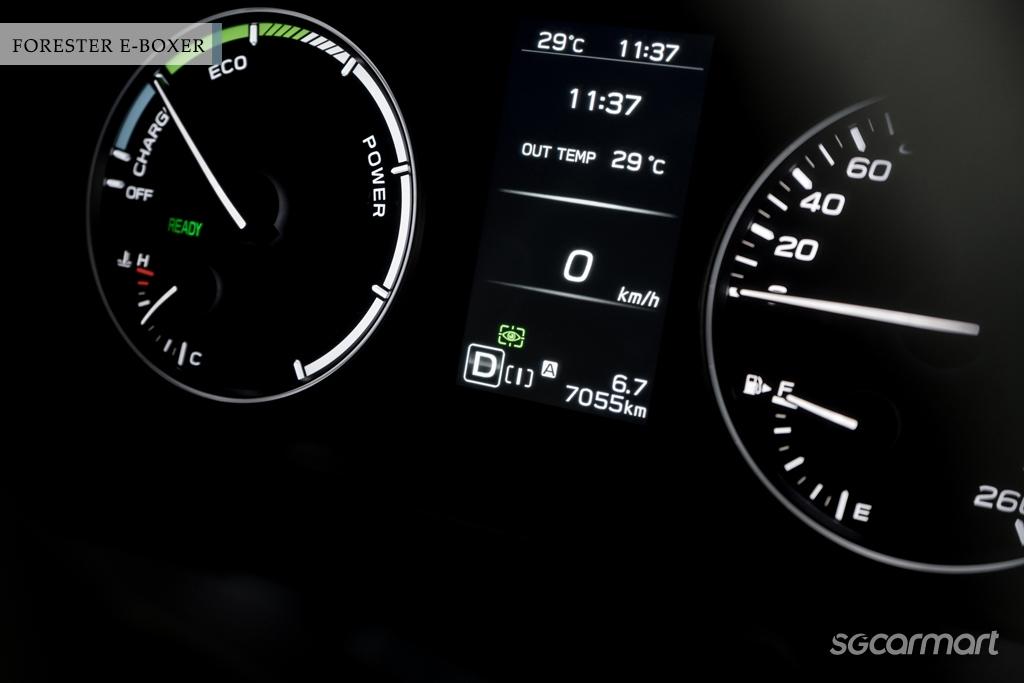
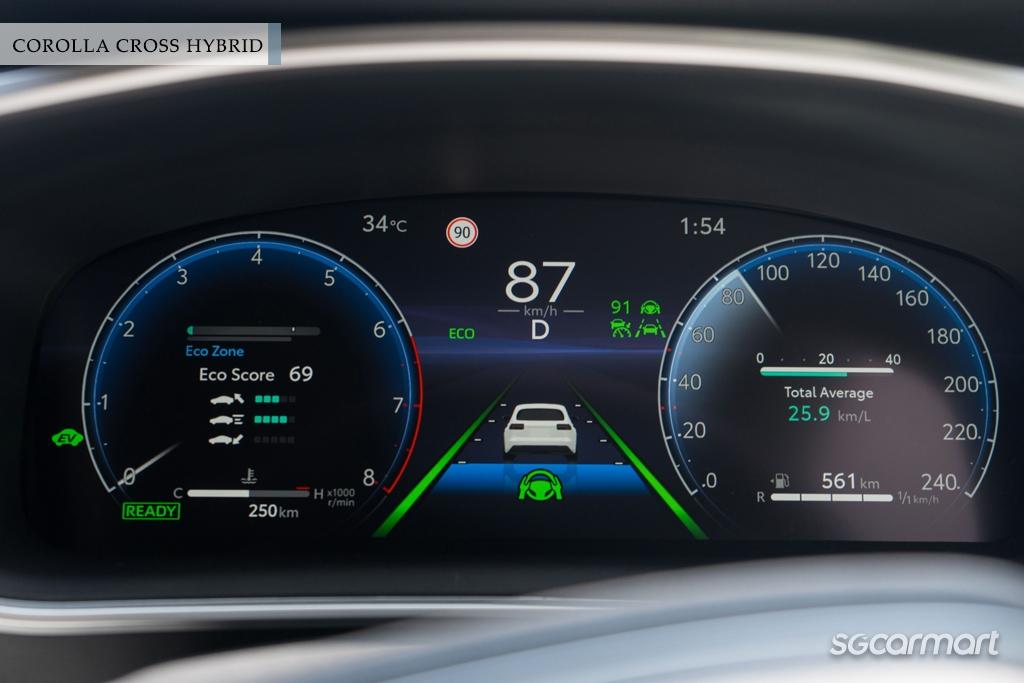
The Corolla Cross, however, boasts a delightful 12.3-inch digital instrument cluster with vibrant colours and configurable layouts. The Forester still sticks to analogue gauges, with a small LCD screen sandwiched between
Where the Corolla Cross claws back weighty points, however, is with its gorgeous 12.3-inch full-digital instrument cluster, whose variety of configurations and intuitive pathways are unceasingly charming. The Forester, on the other hand, sticks to an older-school layout with two analogue dials flanking a 4.2-inch LCD display.
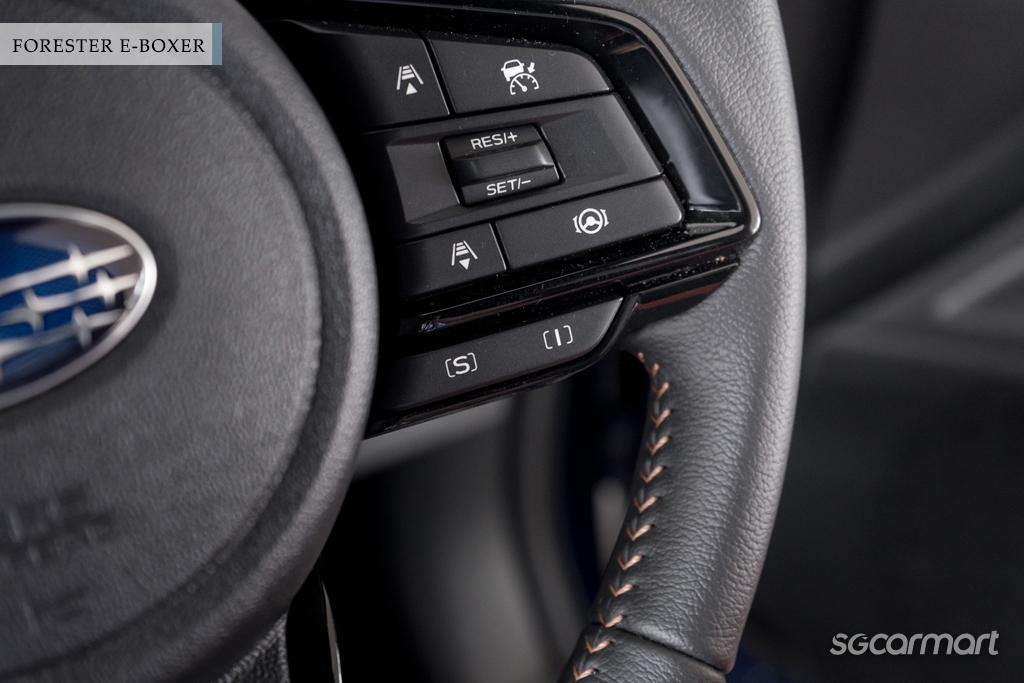
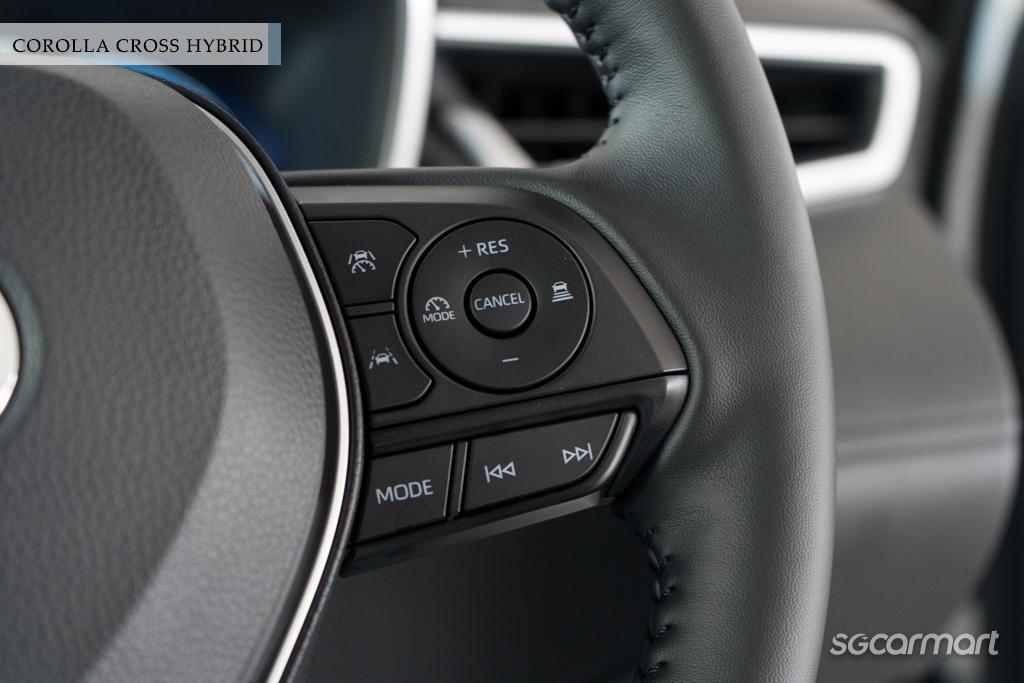
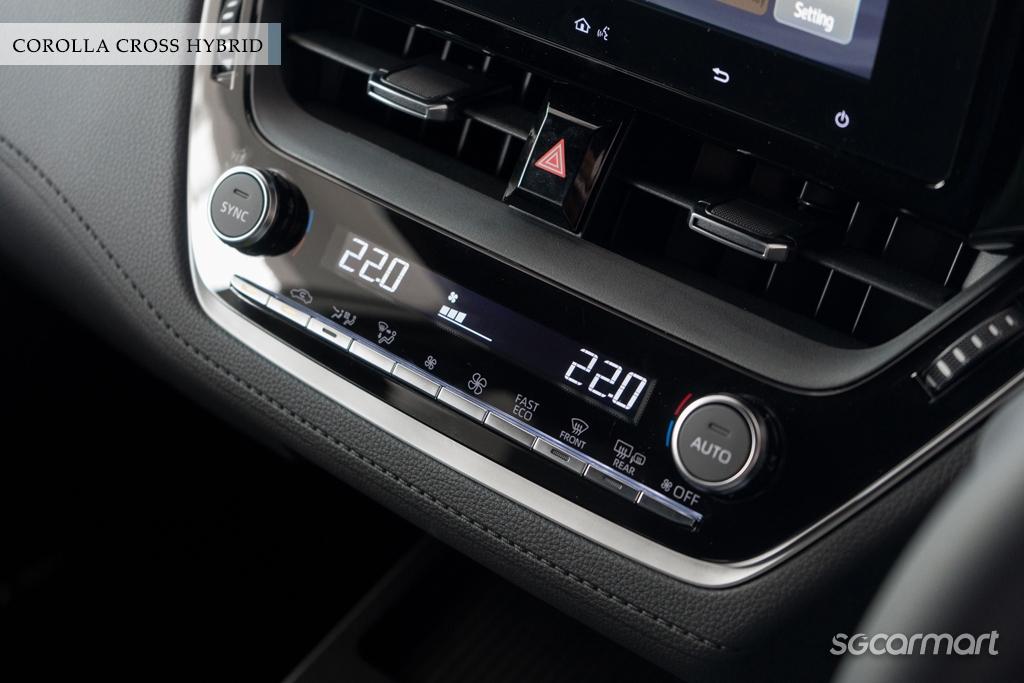
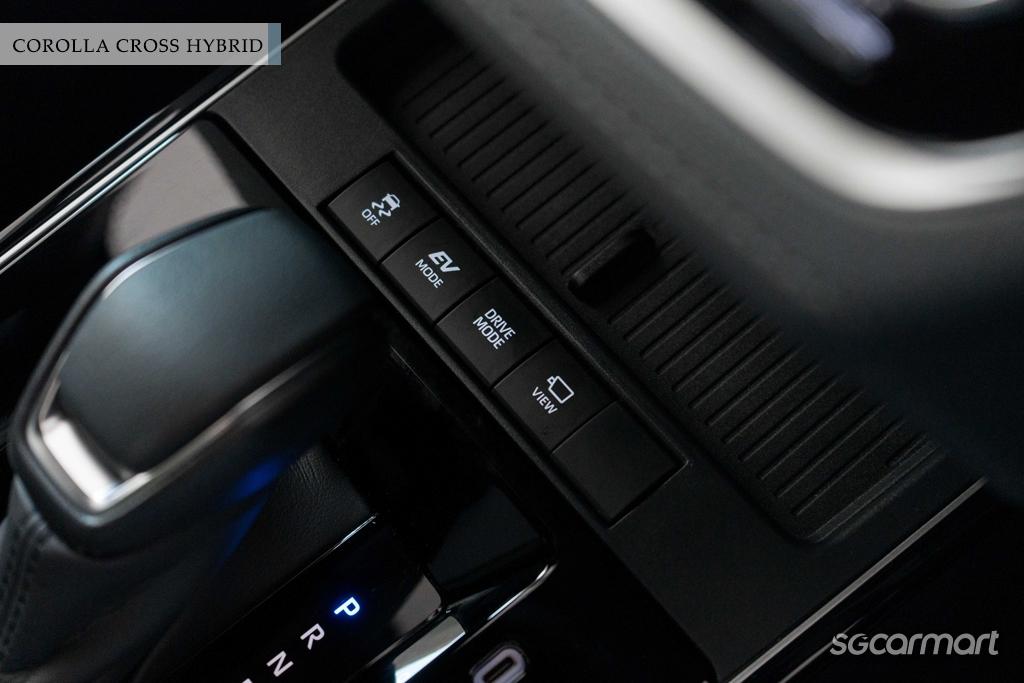
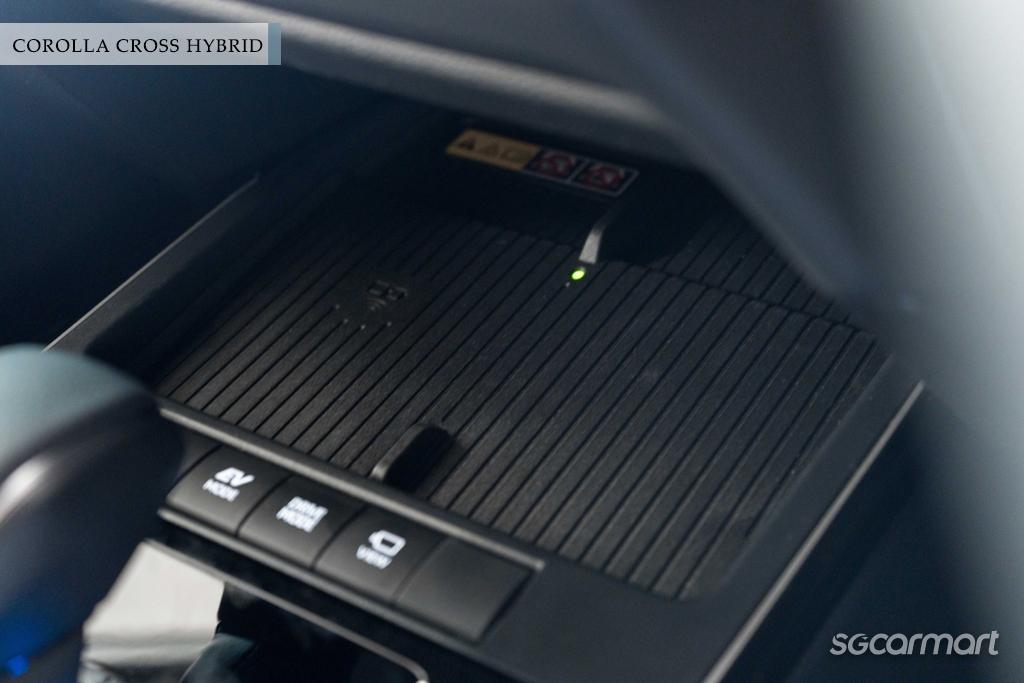
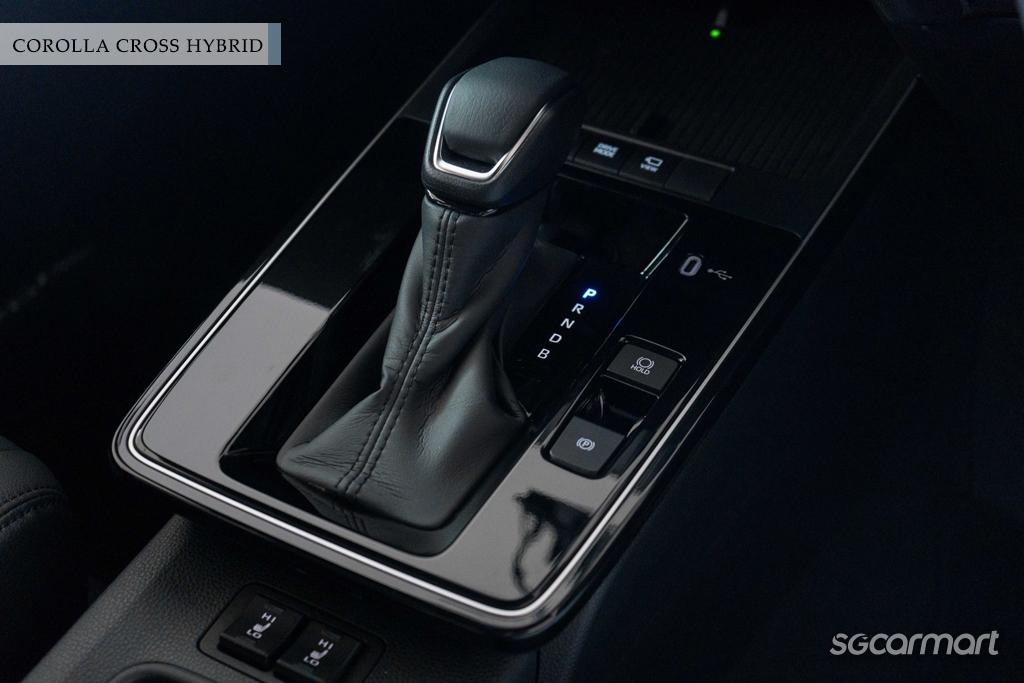
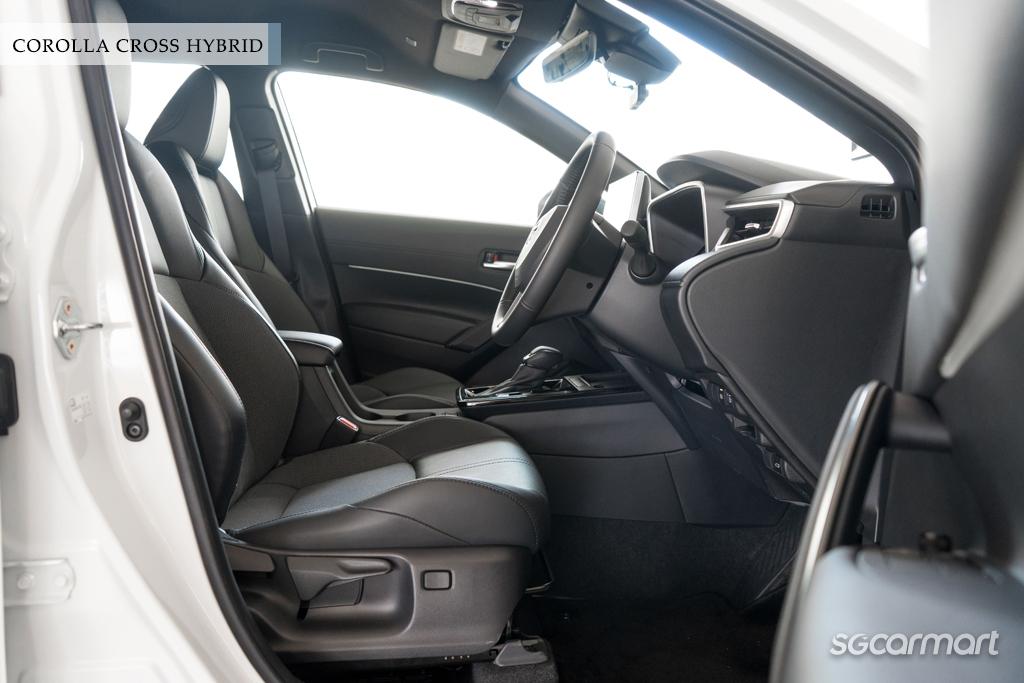
Typically, you'd give the win to Toyota's camp for the ergonomic excellence of its cabins - a quality that still holds true in the Corolla Cross. Its driver's seat is comfortably set-up, and its plethora of well-damped and well-labelled buttons mean you'll rarely have to take your eyes off the road.
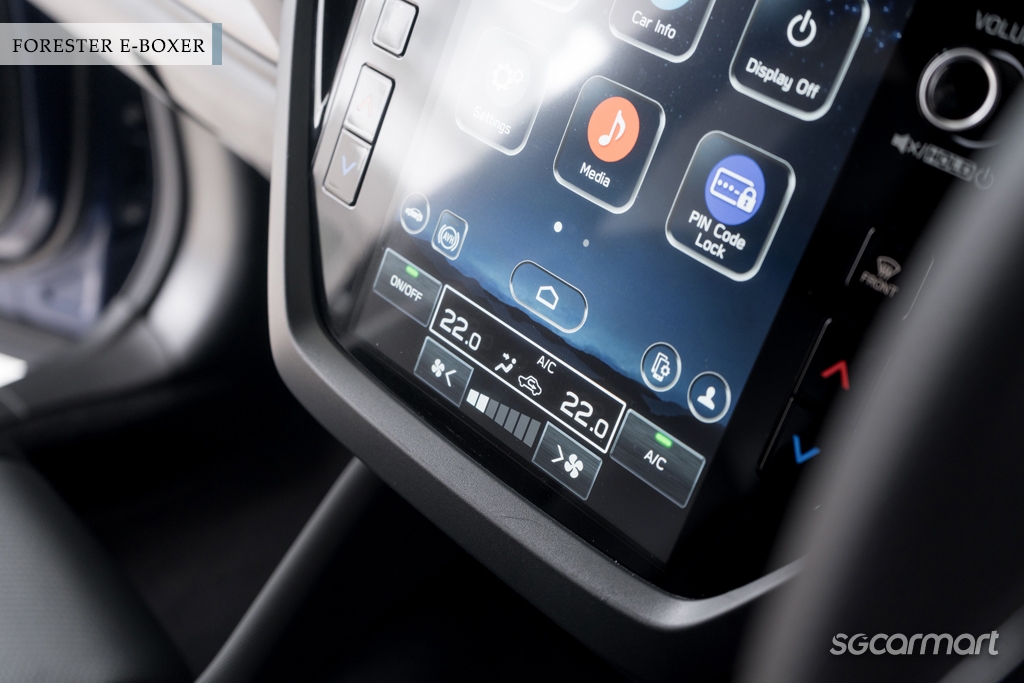
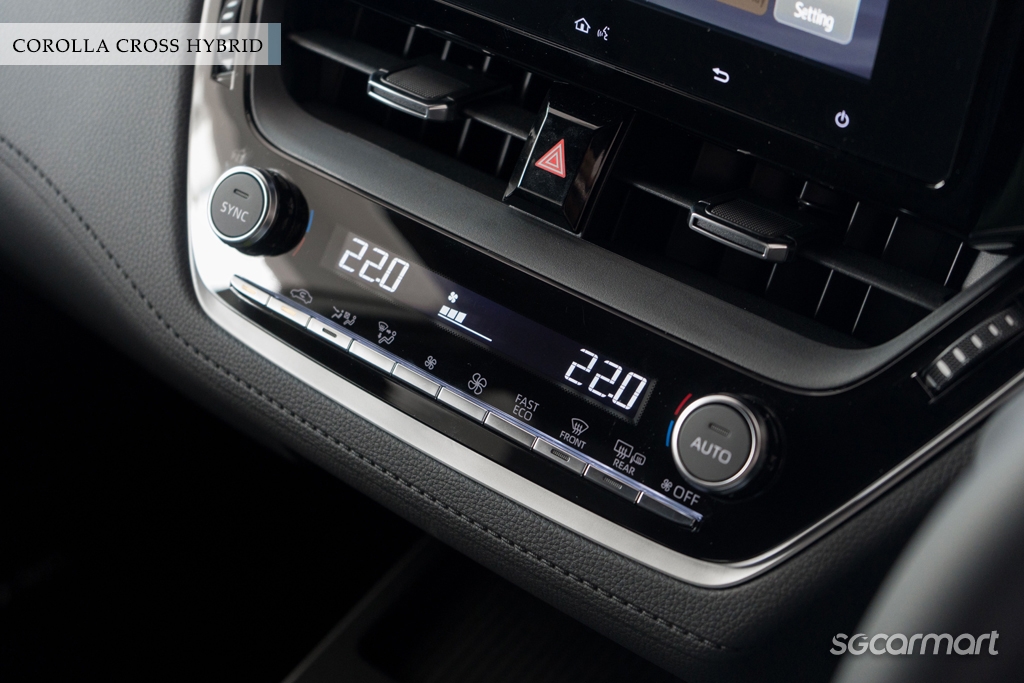
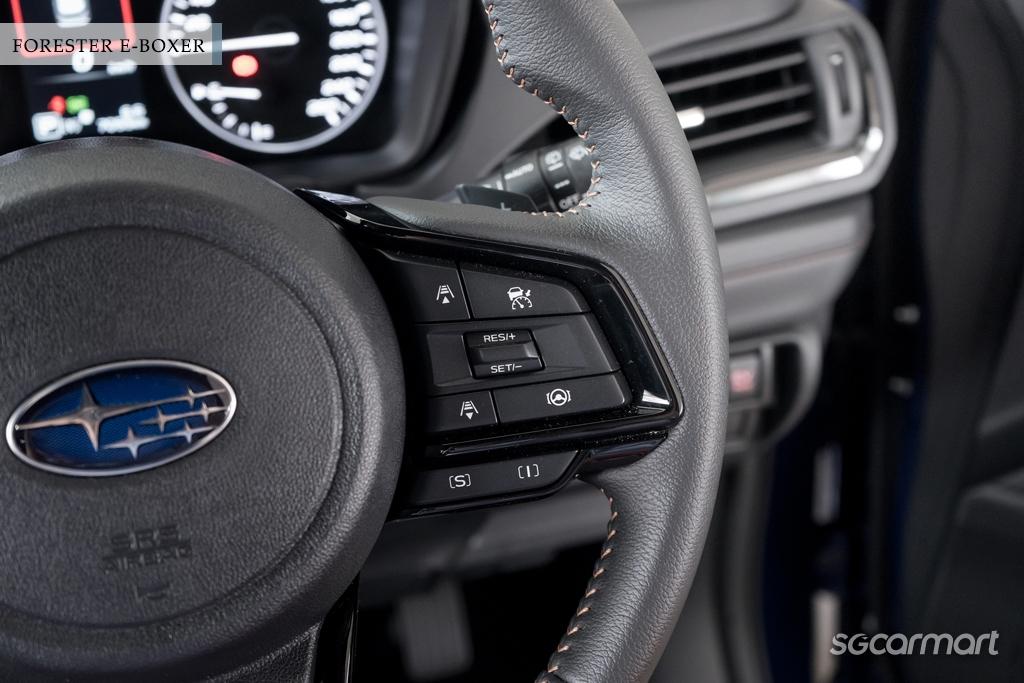
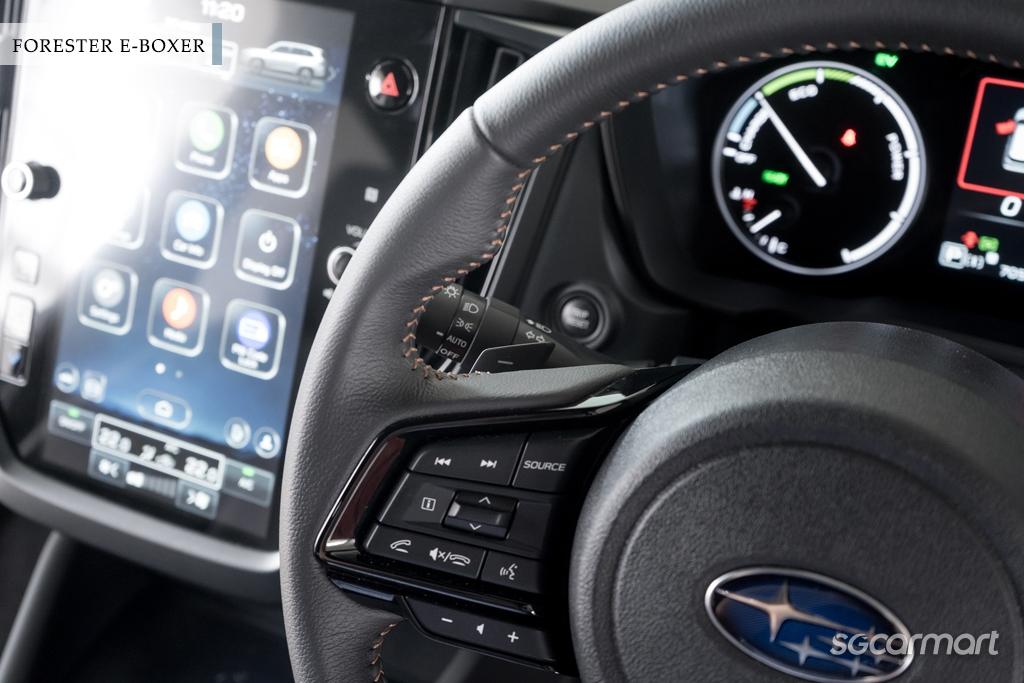
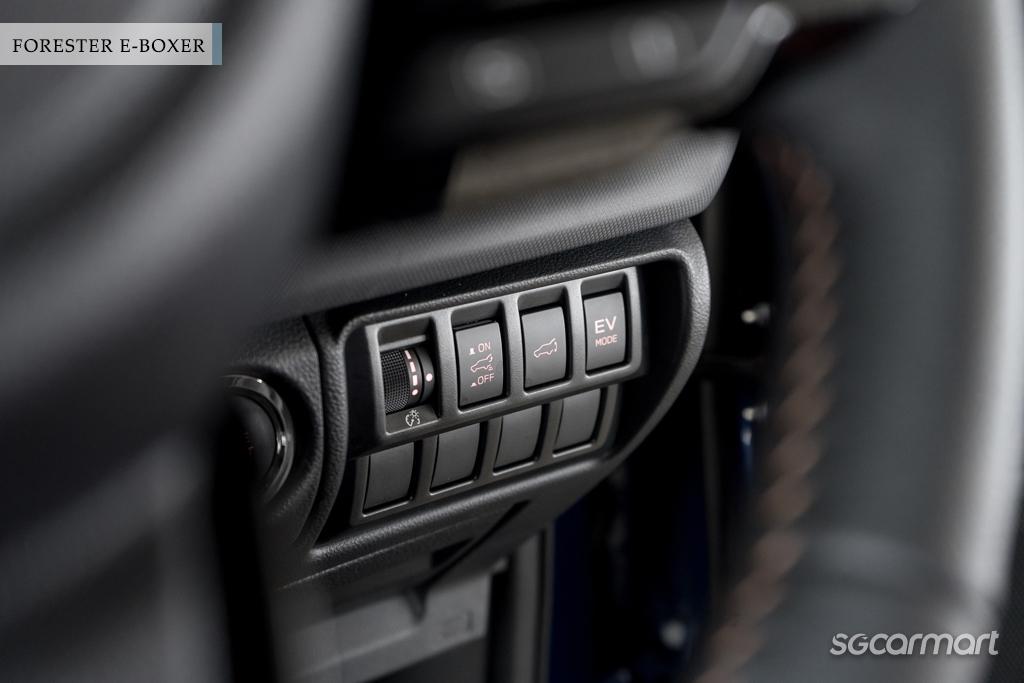
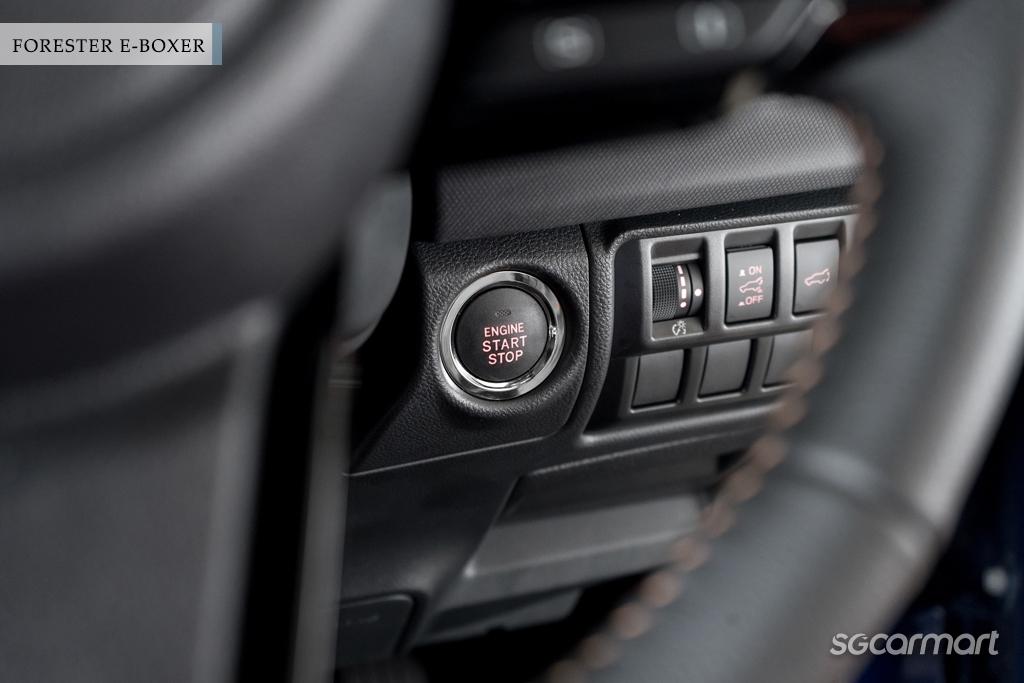
Both cars (thankfully) preserve a good quantity of physical controls
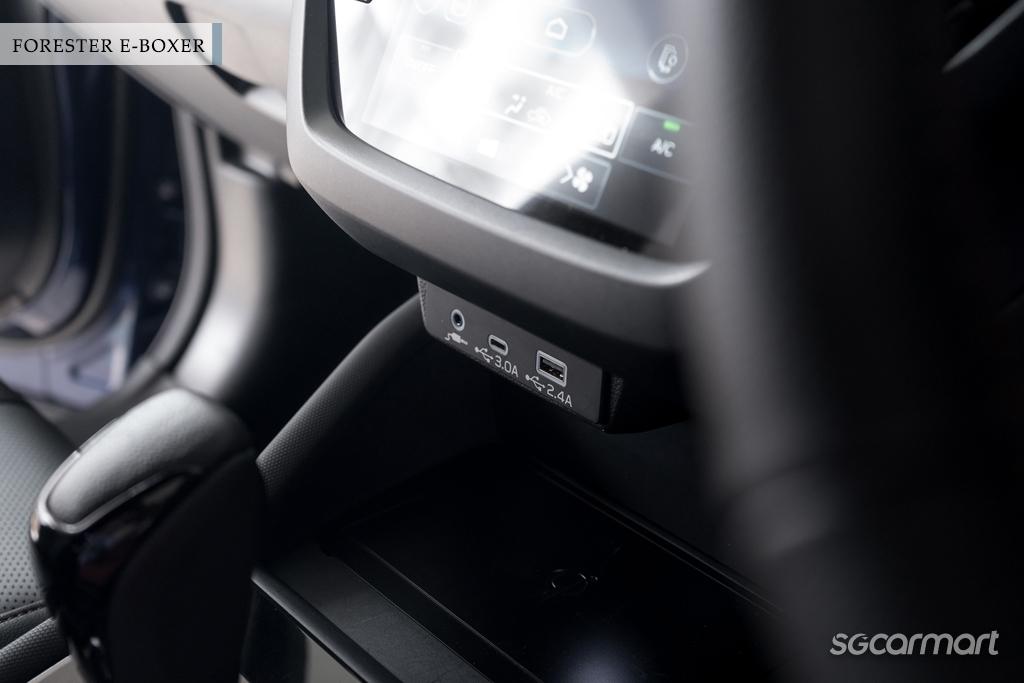
But the Forester puts up a strong fight here. Its retention of physical controls for controlling temperature and volume means it splits the difference between vibrant digitalisation and analogue sensibility even more confidently.
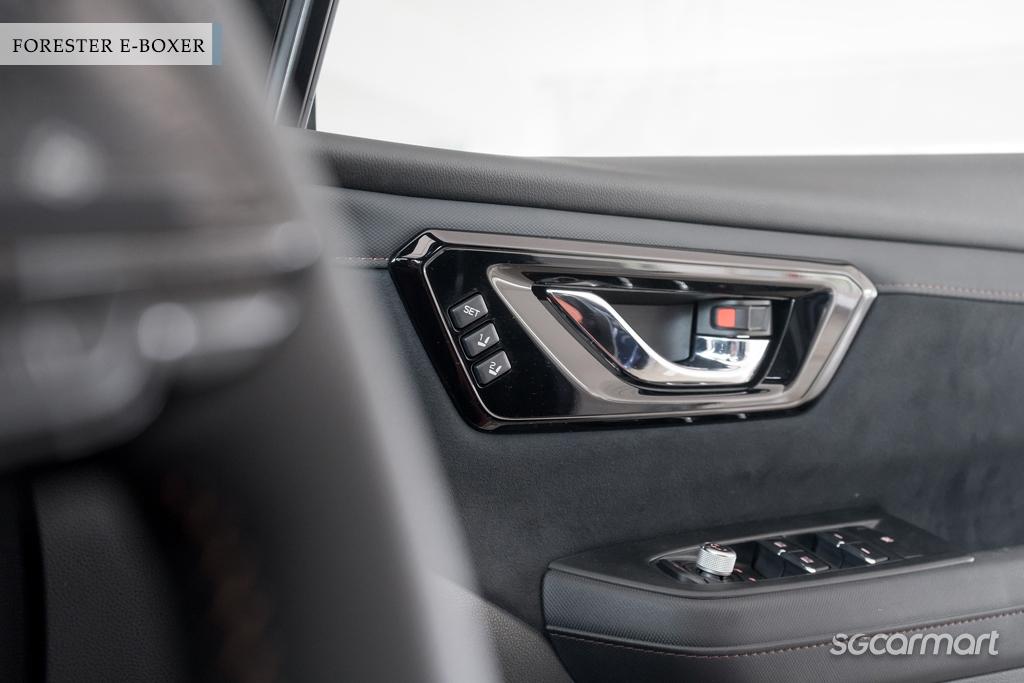
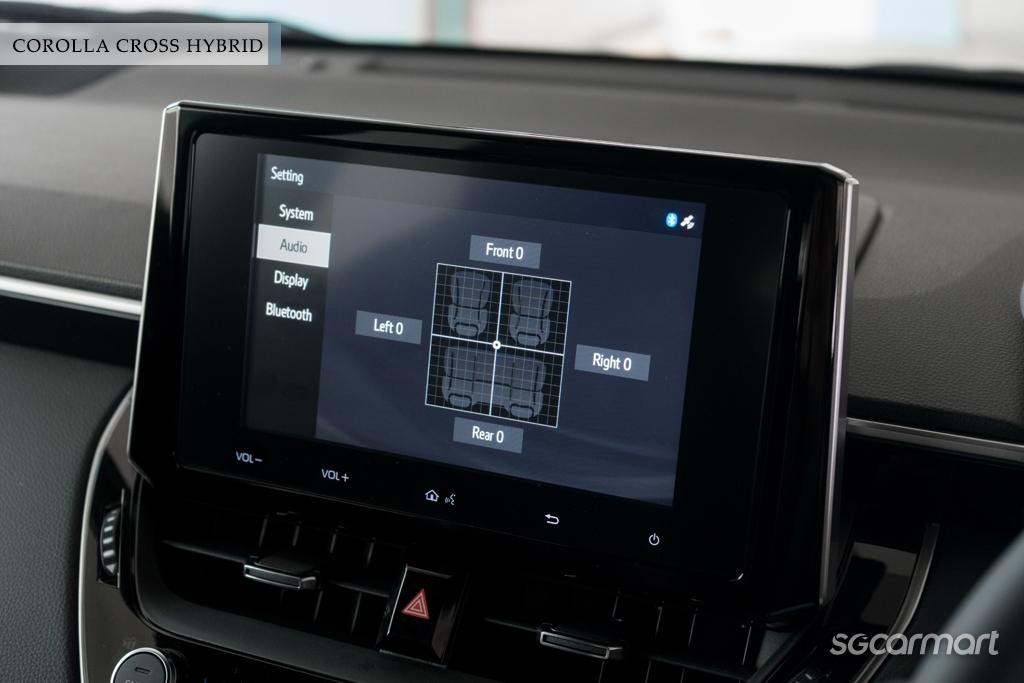
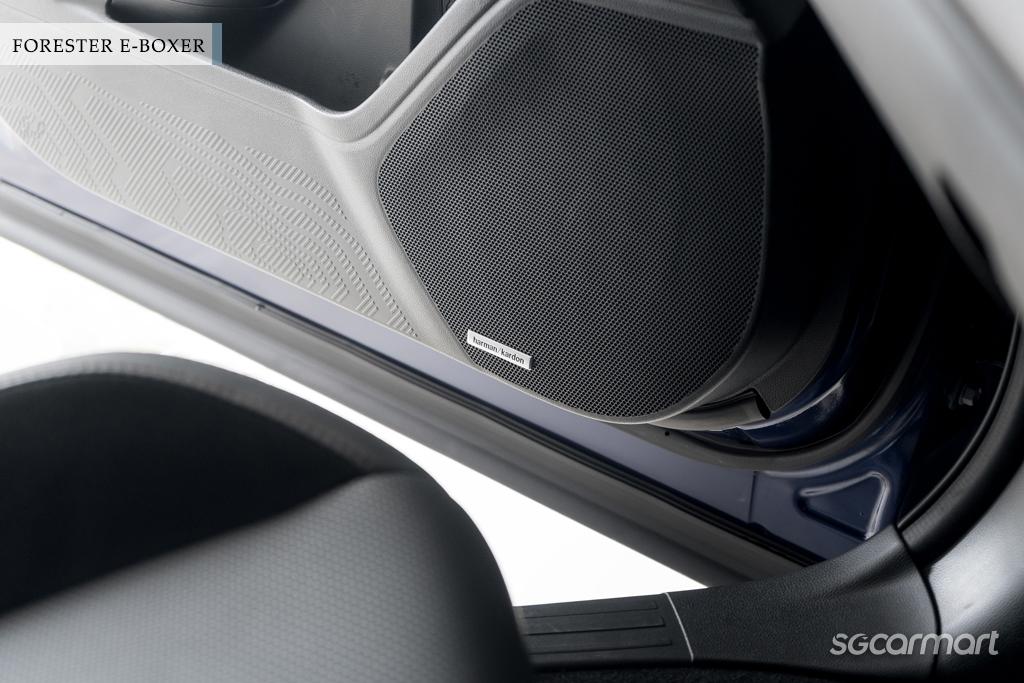
Elsewhere, the Forester boasts a premium Harman Kardon sound system that makes you want to turn up the volume to savour your favourite tunes; the Corolla Cross' six speakers feel feeble by contrast. Its driver's seat even comes with memory functions, and powered adjustment - features which are lacking on the Corolla Cross. On the equipment-list front, then, the Forester places far ahead.
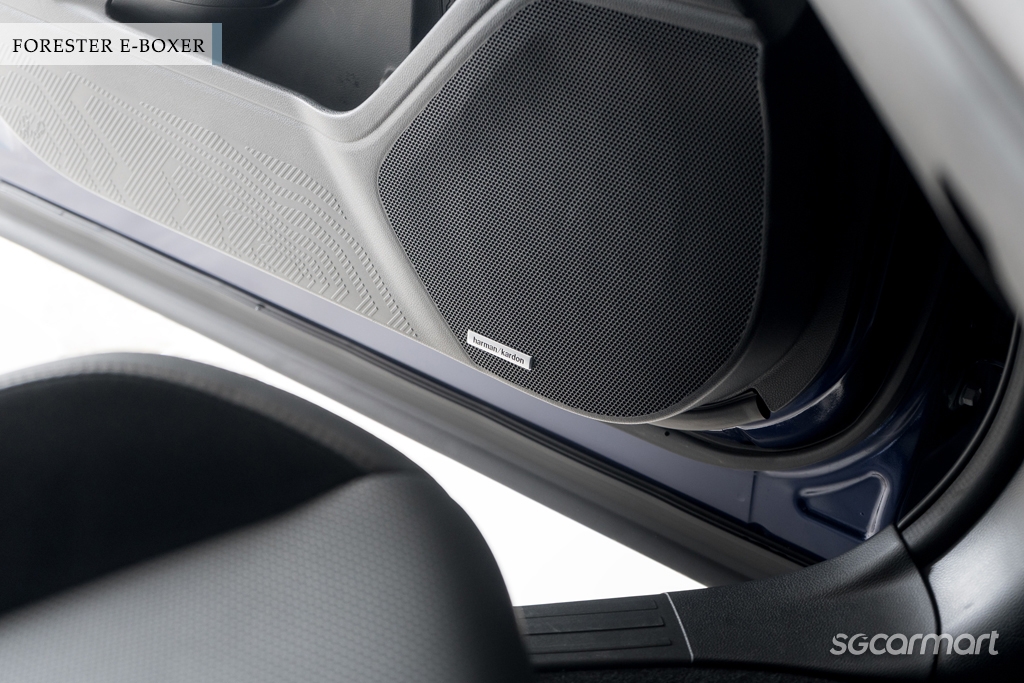
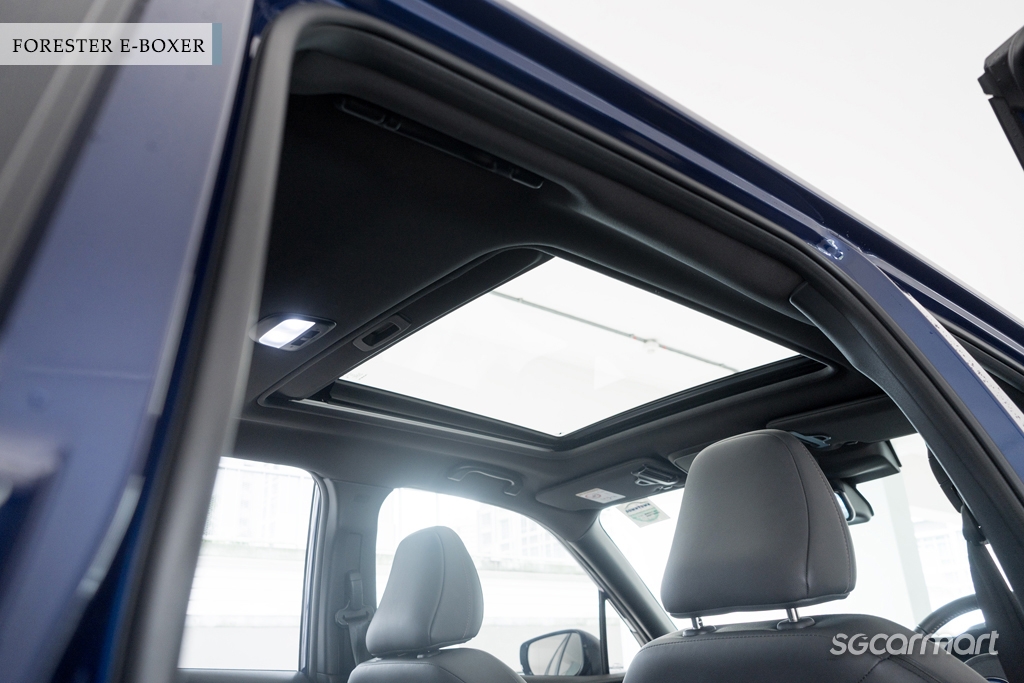
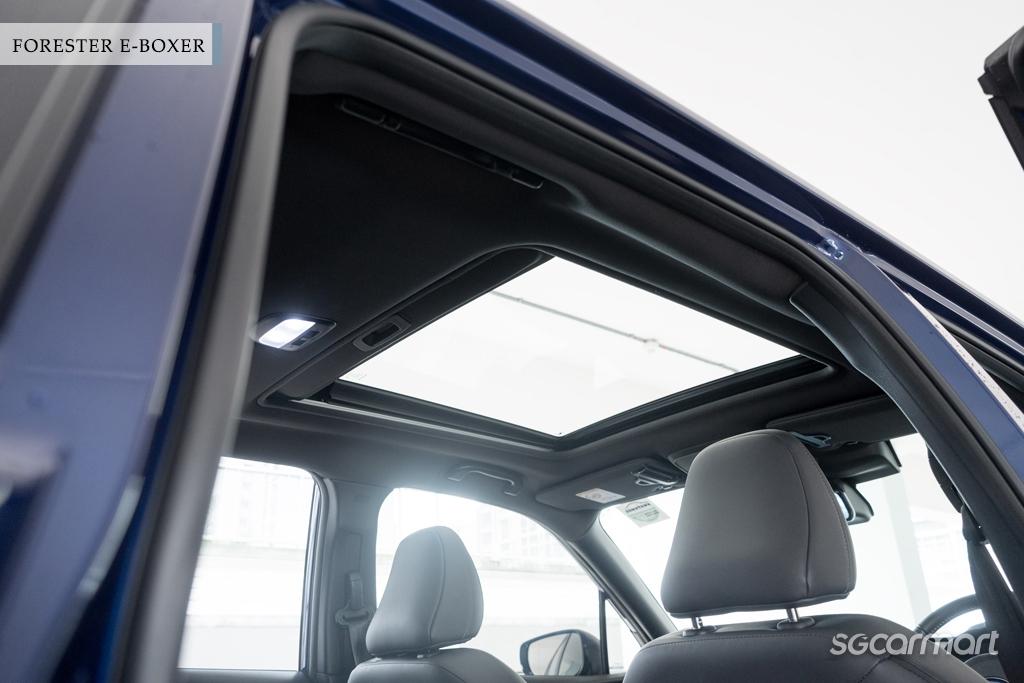
The Forester’s impressive equipment list included a premium Harman Kardon sound system; its large sunroof is also a staple feature at this point
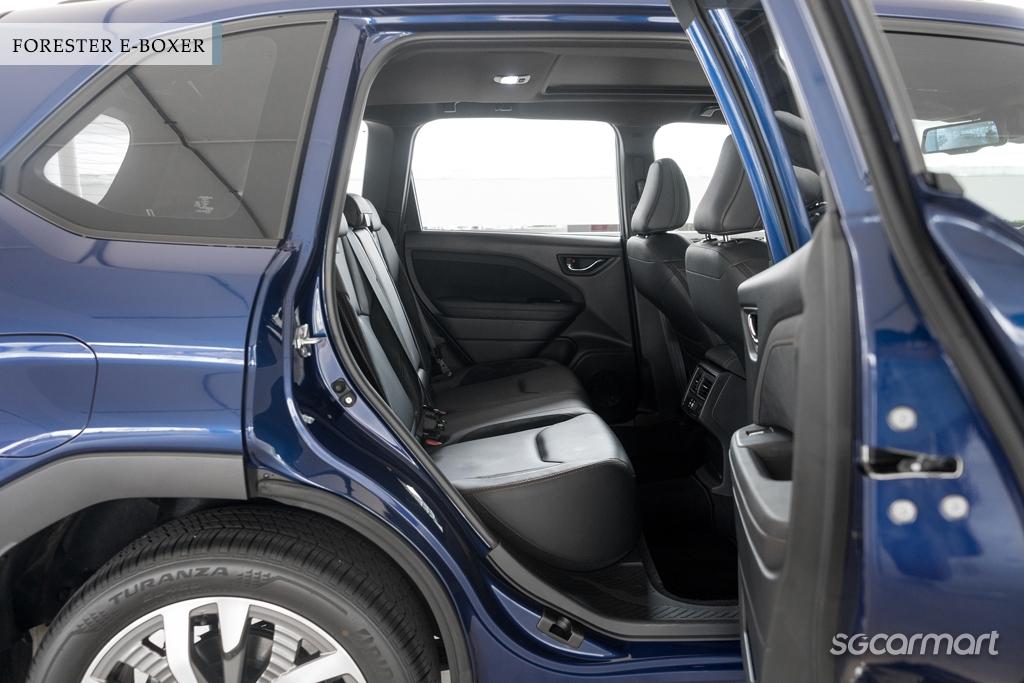
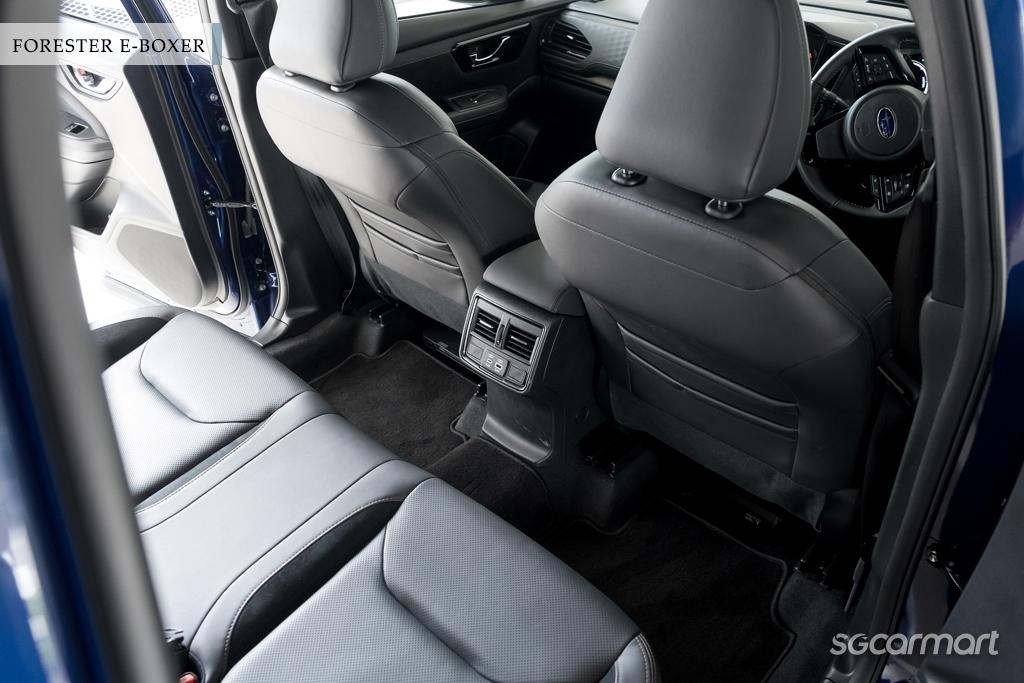
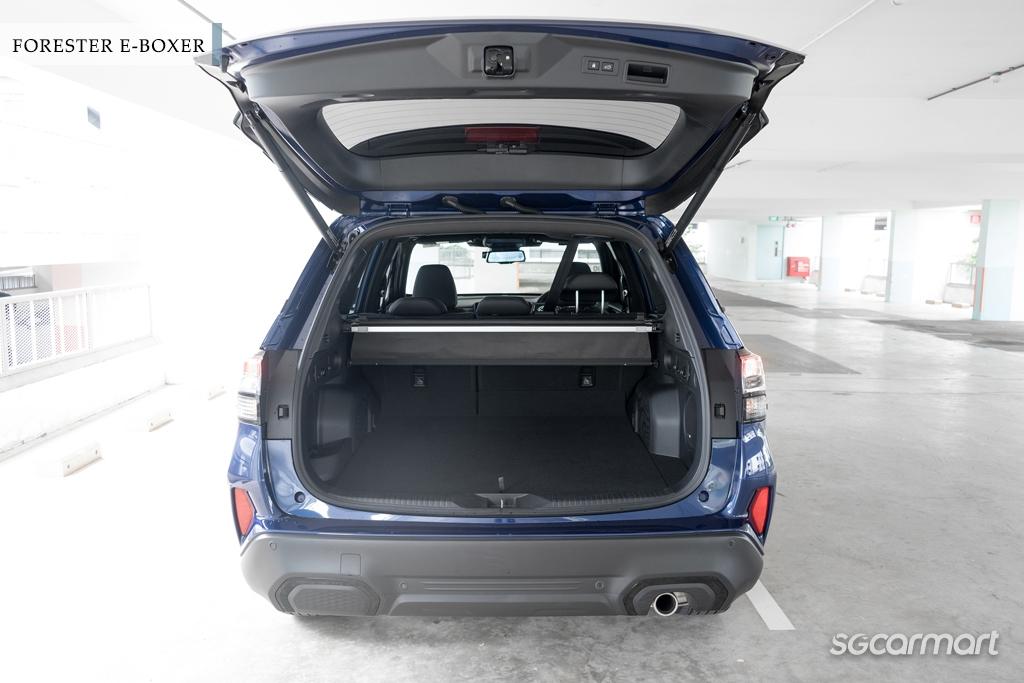
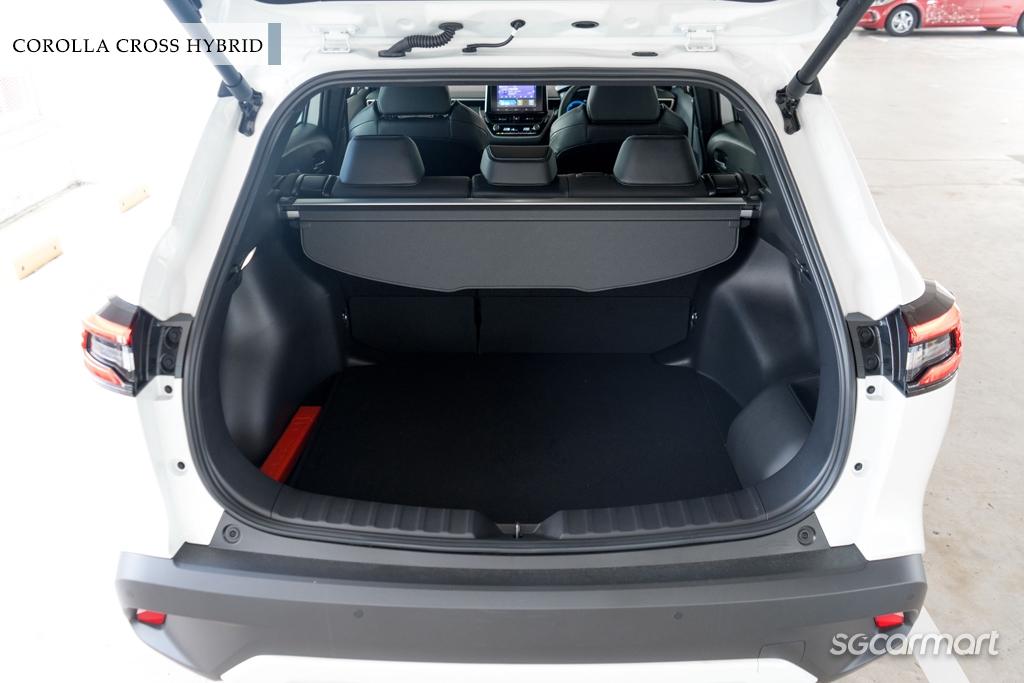
Considering the Forester's larger size, it should be unsurprising that it feels like the more spacious of the two on the inside too, with its wider and longer rear bench, and large windows allowing light to flood in. The sense of airiness is also accentuated by a panoramic sunroof that stretches into the second row - effectively a Forester-staple at this point.
But those qualities do not change the fact that the Corolla Cross is a solid family-hauler in its own right.
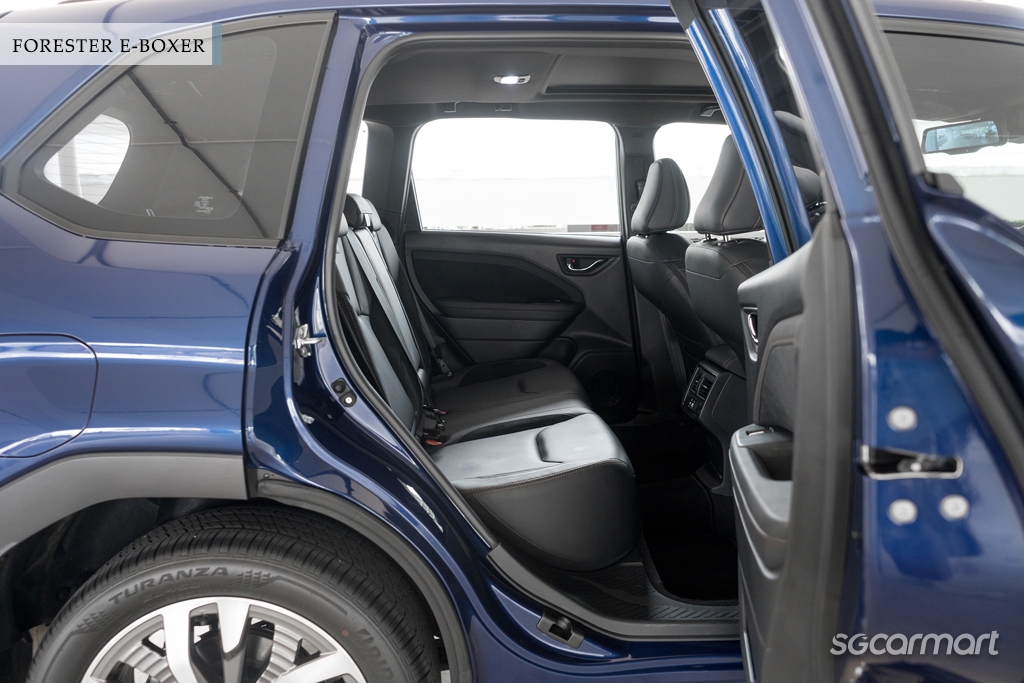
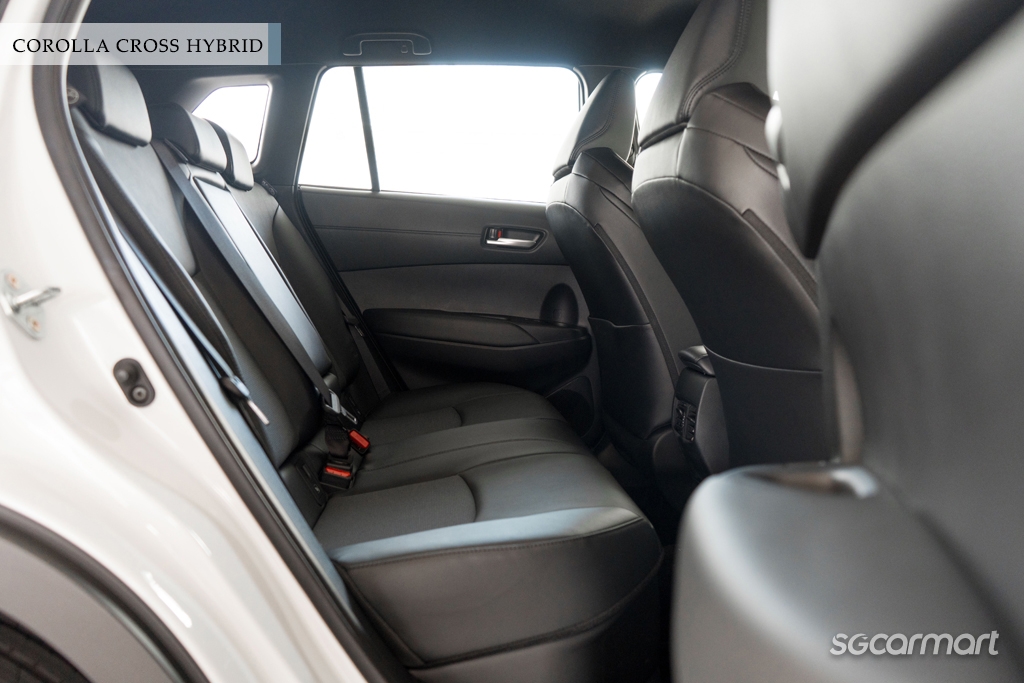
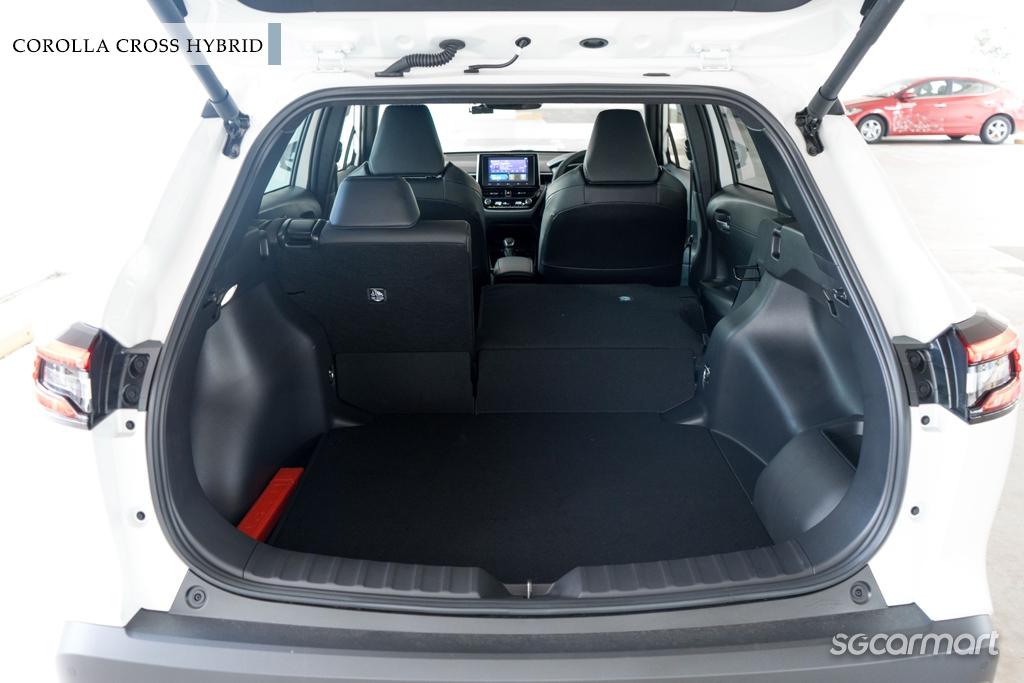
While the Forester’s larger dimensions naturally equate more room, the Corolla Cross offers commendable space to rear passengers too
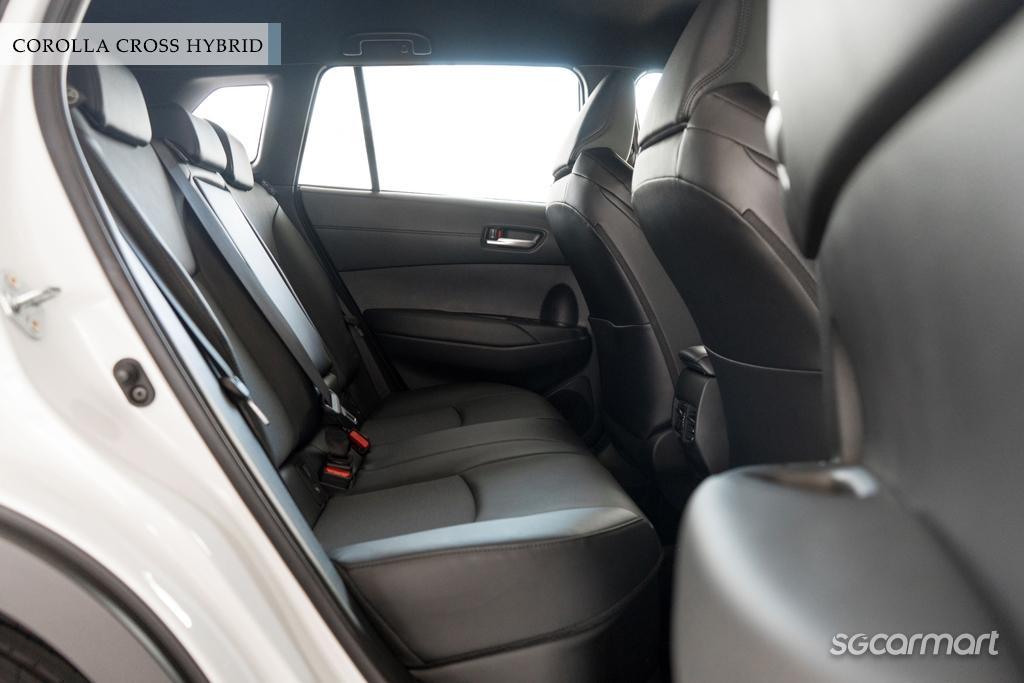
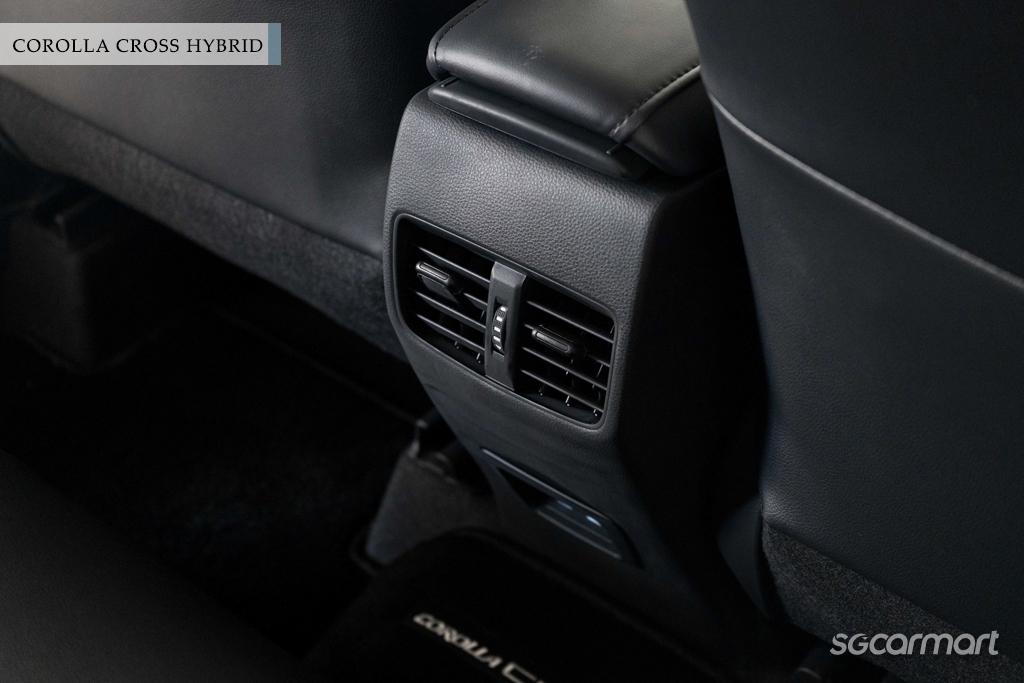
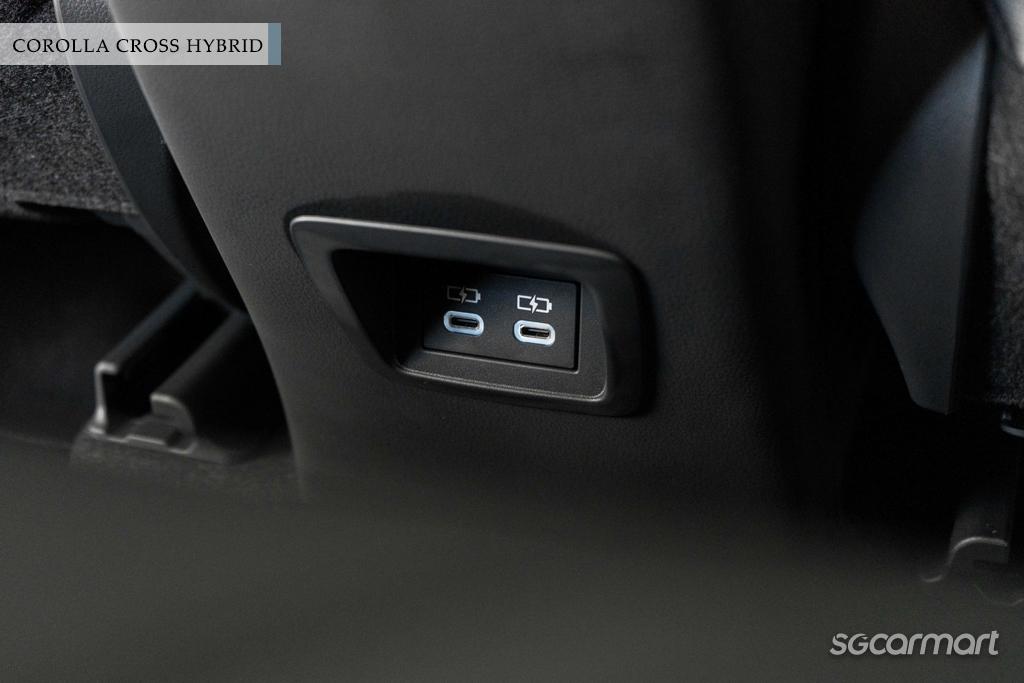
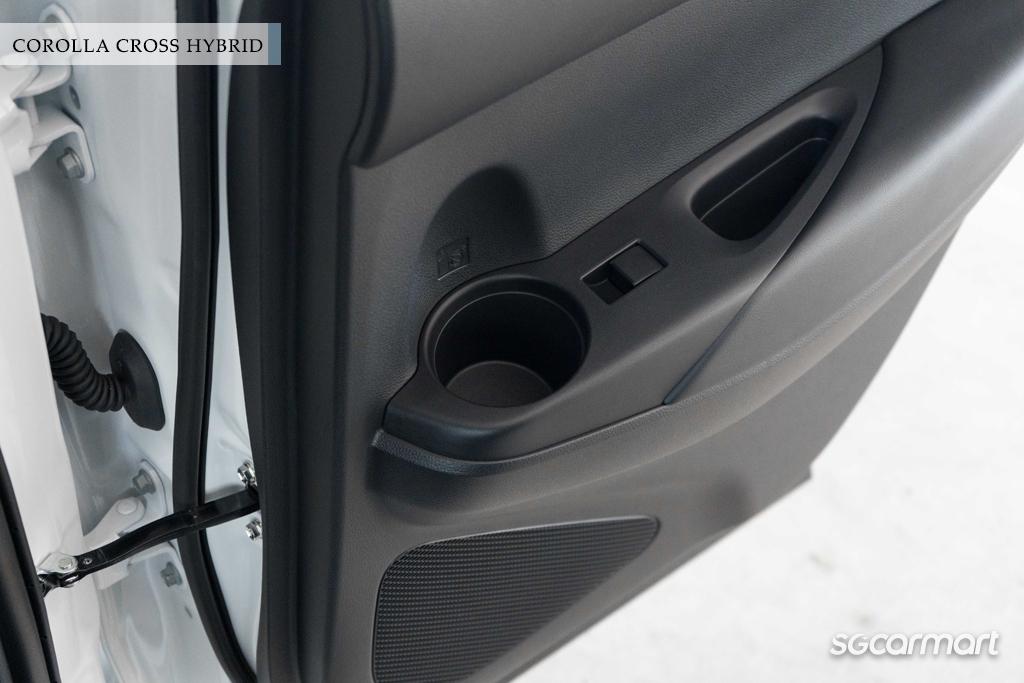
As with the Forester, rear passengers here are treated to their own air vents and USB-C charging ports. And even if the Corolla Cross' smaller dimensions naturally mean less space all around, headroom and legroom in the second row are still more than plentiful - especially considering that it has a flatter rear floor.
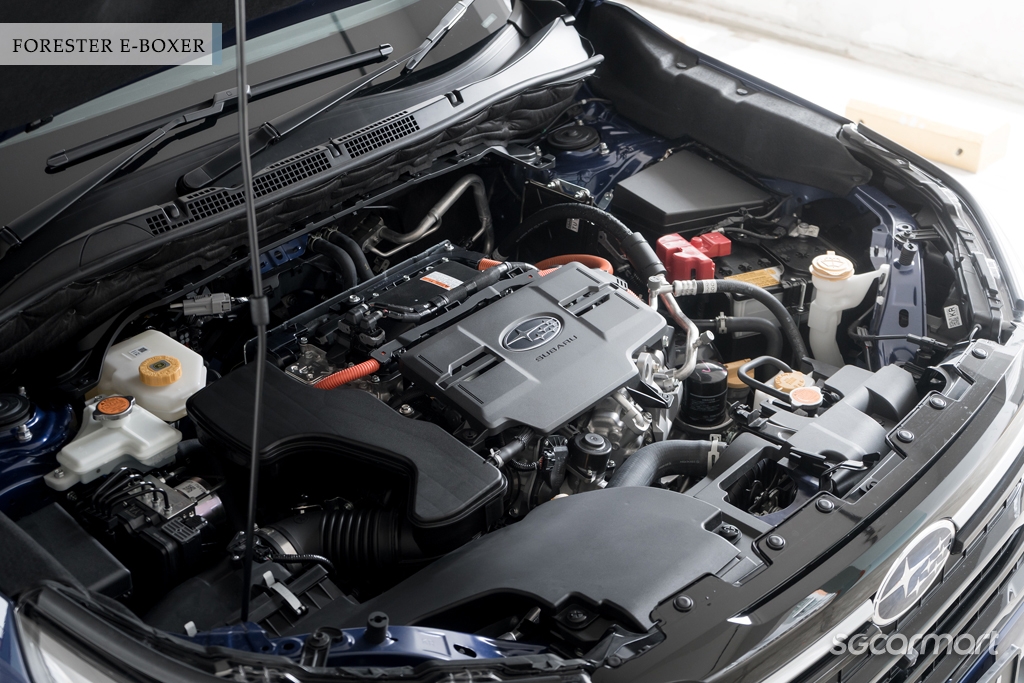
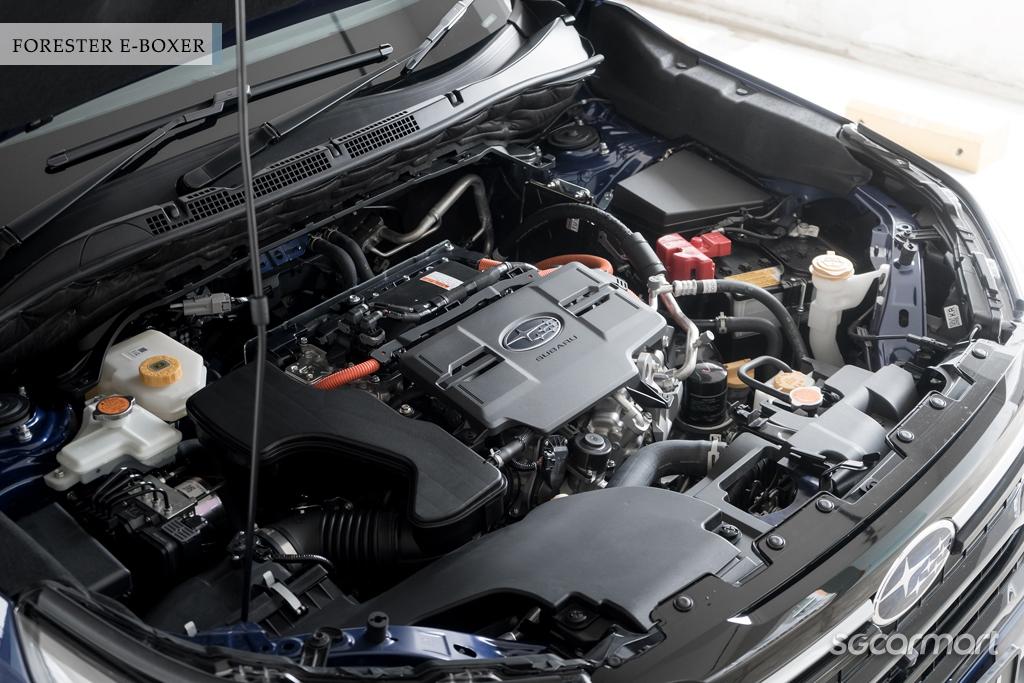
Equipped with Subaru's signature all-wheel drive, the Forester gets a larger 2.5-litre boxer engine that, in combination with a 90kW (121bhp) electric motor, puts out 194bhp
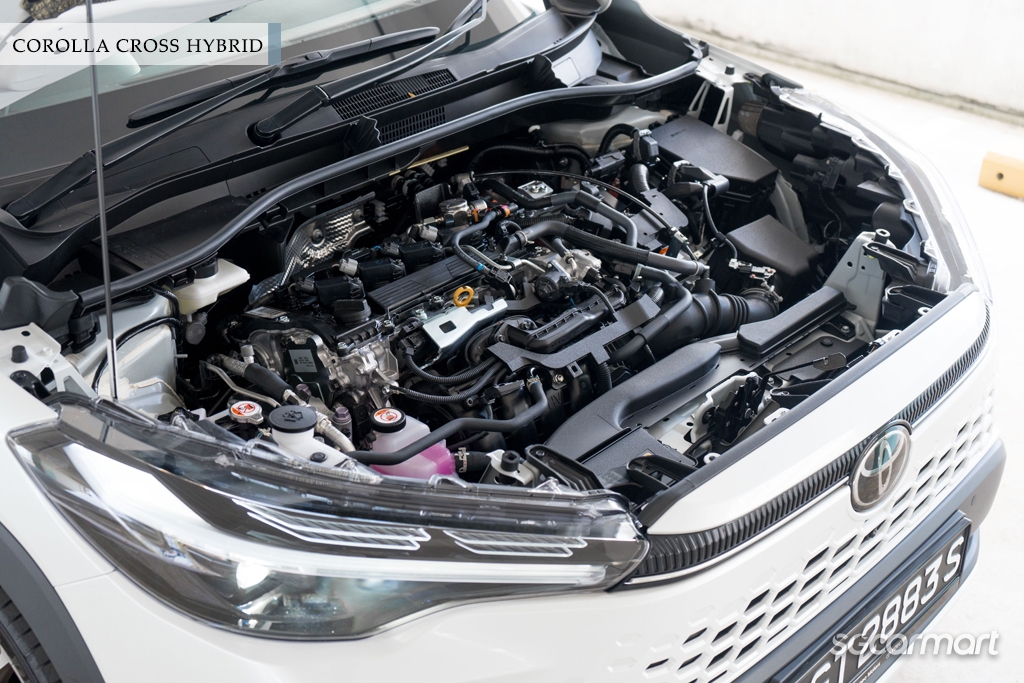
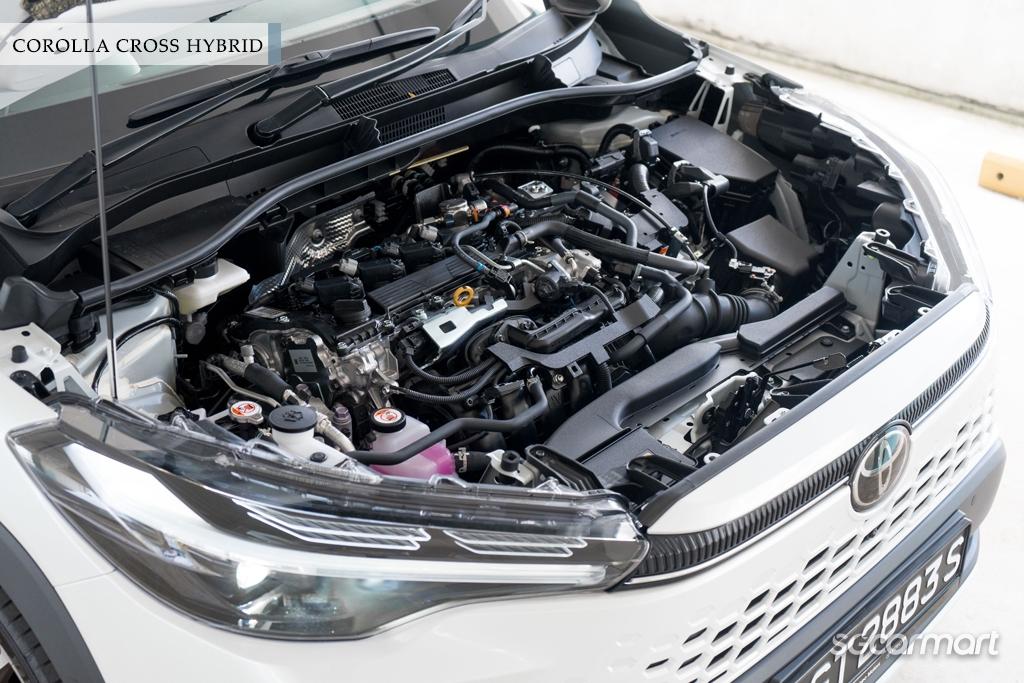
The front-wheel driven Corolla Cross Hybrid boasts a bit more power despite its smaller 2.0-litre engine, with system output standing at 196bhp
Unsurprisingly for family-oriented SUVs, neither the Forester nor the Corolla Cross will set your heart racing on the road.
Both their hybrid powertrains are mated to uninspiring CVTs, and both place a more overt emphasis on comfort. But they do achieve the latter with remarkable conviction, their softly-damped suspensions making even extended cross-island drives a pleasant and relaxing affair.
It’s worth noting that the Japanese carmakers have grown fairly adept at infusing just the right amount of stiffness into the ride qualities of their cars to inspire confidence behind the wheel. And in their own right, the Forester and Corolla Cross are no exception too, both standing just above the pack on this front.
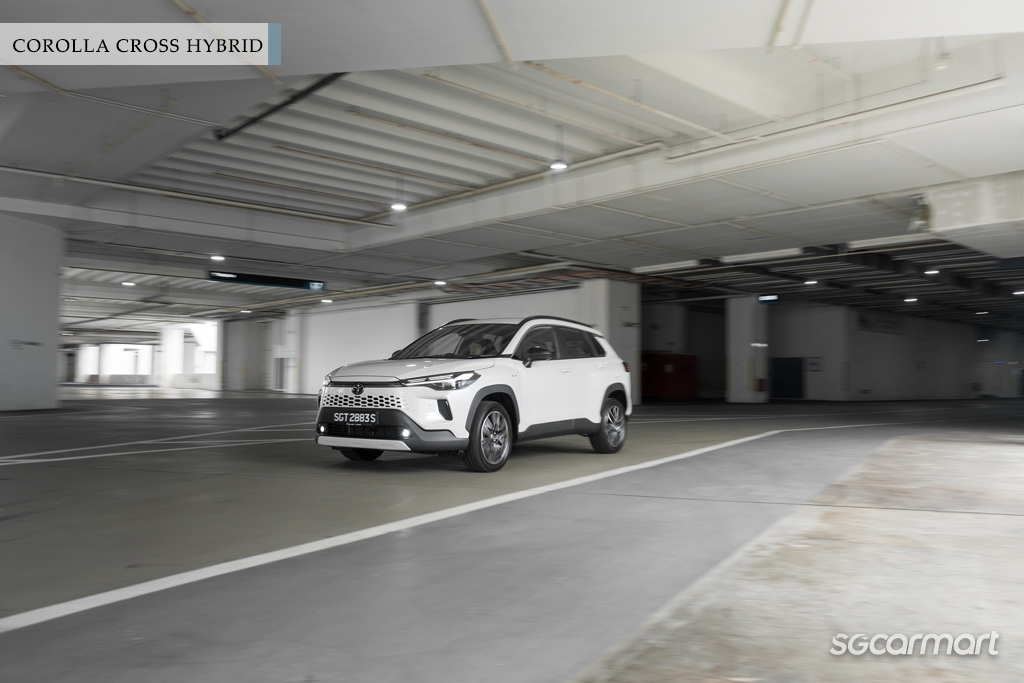
Lighter, smaller, and tighter overall, the Corolla Cross feels like the more eager and more involving car between the two. Its fuel efficiency is also virtually impossible to supersede
Drive them both back to back, however, and you’ll find that the Corolla Cross has just the slightest sporting edge. Nearly every part of the experience feels that bit tighter and more focused, with its steering rack offering a tad more weight and directness than on the Forester, especially just immediately off centre.
Considering that both cars are nearly matched in power output (both offering nearly 200bhp), the Corolla Cross’ smaller size and lighter weight are also already definite boons for a more rewarding drive. It’s quicker off the line, and certainly nimbler too. The additional upshot is that since it gets up to speed more readily than the Forester, you can also settle into a cruise more quickly - at which point its electric motor is more than ready to take over.
On the other hand, the Forester’s longer wheelbase and extra width help it feel a bit more settled on the move. It may not be as eager a machine as the Corolla Cross, but you do feel more a bit distanced from the drone of its CVT - and besides, its boxer engine is also easier on the ears when stretched. There’s no doubt that its new hybrid powertrain is superior to the one on its predecessor, offering improvements in refinement and pep, thanks especially to the instant electric kick from its electric motor.
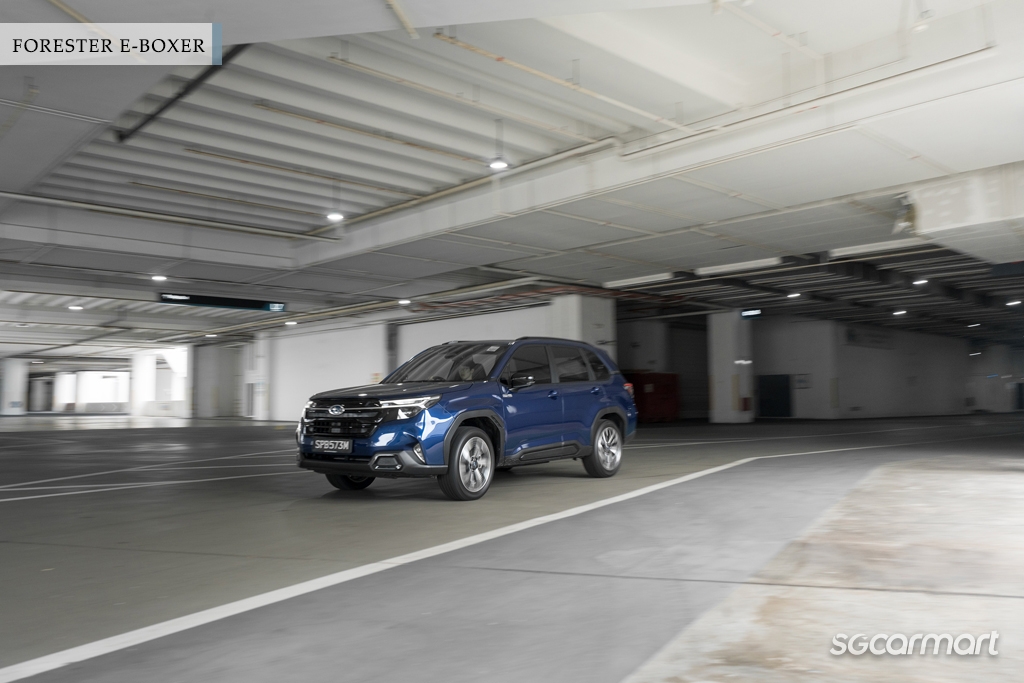
The larger Forester is more leisurely on the move, but still more pleasant to pilot than your average SUV thanks to its unusual setup. Fuel efficiency bests that of predecessors, but still falls short of its rival here
And while the Forester may not offer as focused a driving experience as the Corolla Cross, its unique layout - with its boxer engine and mechanical all-wheel drive - does give it a heightened sense of balance around bends against its front-wheel driven rival. The second evening of our drive brought with it a steady and sustained drizzle, and in those sorts of wet conditions, it’s undeniably the Forester you’ll feel happier to be at the helm of.
But hybrids are ultimately judged quite harshly on their ability to sip fuel. And here, the Corolla Cross takes the crown by a long shot. Against Toyota’s official claim of 20.8km/L, we managed a remarkably-close consumption figure of 20.6km/L during our time with the car, translating to over 800km of mileage with the car’s 43-litre fuel tank.
With the Forester, on the other hand, we were only able to eke out around 14km/L - in itself not a bad result (especially when compared against Subarus of old), but still far off the Corolla Cross. You’ll also get more than 800km of mileage on a full tank with the Forester, but that’s also only because it’s significantly larger, at 63 litres.
The question of going the distance
If getting the most mileage out of a full tank of petrol were the number one priority for a family SUV, there’s no question that the Corolla Cross Hybrid stands as the superior pick.
If the price gap between both cars continues to hold, Toyota’s contender is ultimately the one that’s likely to offer more savings over the longer term. It’s more fuel-efficient, has a smaller tank, and is slapped with a lower road tax bill. Furthermore, resale values for Toyotas typically tend to hold stronger than those for other brands in Singapore too.
And that’s not where it ends - exceptional fuel efficiency aside, it even manages to edge out its larger foe on the road with its better manoeuvrability and more involving driving experience.
Buyers seeking a reliable and fuel-sipping family SUV won’t go wrong with the Corolla Cross, but the Forester ultimately feels like more car for the money
But for the same amount of money up front, it’s ultimately the Forester that feels like the more compelling car. What it may lack in efficiency and (just by the tiniest of margins) in driver engagement, it more than makes up for with its extra space, more impressive cabin, and generous feature list - all of which promise to satisfy deeply too over the longer run.
Best of all, the Forester does this while serving up newfound refinement and pep on the move with its fuller embrace of electric power. Late to the hybrid SUV game, the car may admittedly be. Still, there’s no doubt that in making it a Strong Hybrid now, Subaru has crafted a stronger contender all around too.
Subaru Forester e-BOXER
More rugged exterior; extra presence as larger car
Larger and more upmarket cabin packing more features
Slightly smoother driving experience, but also more leisurely performance
Has the edge in in all-weather versatility, but sacrifices fuel efficiency as a result
Toyota Corolla Cross Hybrid
Sharper styling, more interesting to look at
Muted interior still has plentiful space for a family
More responsive drivetrain; nimbler and more involving to drive
Superior fuel efficiency of more than 20km/L
The rules of automotive journalism would have it that you'd typically pit two similarly-sized cars - separated by mere millimetres in length and width and height - against each other in a group test. But in Singapore especially, different sorts of numbers dictate buying decisions: Not necessarily those derived from measuring tapes, but those that you see on price lists.
That brings us to the two unlikely foes we've gathered: The all-new Subaru Forester e-BOXER, and the recently refreshed Toyota Corolla Cross Hybrid. The latter is ultimately a smaller car, one segment down by conventional metrics. But both are united in their goal of wooing over those hunting for a spacious family SUV, and who have a budget of over $200,000 that they're willing to stretch upwards slightly (accurate at time of writing).
With its new full-hybrid powertrain, the Subaru Forester can now more confidently take on more established names in the hybrid space, such as the Toyota Corolla Cross
There's another layer to this unexpected rivalry, of course. While the Corolla Cross Hybrid's green credentials are fairly well established at this point, the Forester, in latest-generation guise, is now charging into the scene wielding a full hybrid drivetrain for the first time.
You'll note that the 'e-BOXER' label had already been tagged to its predecessor previously - but that was a mild hybrid, whose fittingly mild dose of electric assistance served refinement more than it did fuel-sipping. Subaru Singapore has thus seen fit to emphasise the new Forester's identity as a 'Strong Hybrid'. And so, for the first time, Subaru - a brand that many likely still associate with 'soft-roading' and WRC - is entering a shootout against a fellow Japanese brand where fuel efficiency is one of the key considerations too.
The Forester is still brawny and boxy, but its design is less aggressive than its predecessor’s
For the most part, the Forester is still the rugged machine that you remember it to be: Square-jawed and all boxy brawn, with the standard design checklist items for a modern SUV ticked off (unpainted matte wheel arches and roof rails being some of the key ingredients).
Once you remember its pioneering status in the segment and the fact that it actually boasts some off-roading prowess, its sturdy suit actually feels honest to its identity, and is thus easy to appreciate. Nonetheless, the Forester has grown more understated and less aggressive in this rodeo too, with its gloss black front grille and tinier tail light clusters.
The Forester’s larger stature is hard to miss when the two rivals are parked next to each other
Sheer dimensions do not lie, and it's unmistakably the bigger car of the pair, stretching out at 195mm longer and 110mm taller than the Corolla Cross Hybrid (although interestingly, just 5mm wider). Side by side, the differences in length and height are impossible to miss, with the Forester cutting a more hunkering figure and having more ground clearance.
Between the two, however, it's surprisingly still the Corolla Cross that you'll find yourself spending more time looking back at involuntarily, especially post-refresh.
The Corolla Cross, however, still feels like the more interesting machine to look at, especially with the design flourishes brought out by its facelift
It's not exactly the textbook example of 'handsome', but it's certainly interesting to look at. The faded honeycomb patterns on its updated grille call to mind some of Lexus' recent designs - notably, the LM and the RX - while the new blade-shaped daytime running lights lend it a powerful air too.
Its rear end is also a sharper affair, thanks to those bracket-shaped taillights with their darkened casings. What it may lack in size, it more than makes up with unique style.
With the exception of its instrument cluster, the Forester’s dashboard feels like the more modern one between the two
On the inside, though, it's the Forester that takes the lead comfortably. Shedding the more utilitarian air of its predecessors, its cabin now exudes a degree of sophistication, interweaving different textures and materials for a more upmarket ambience.
The dark hard plastics haven't disappeared entirely, but thrown into the mix now are suede-like finishes on the door cards and dashboard (which even has parametric indentations), as well as faux-wood panels. While the Corolla Cross feels solidly screwed together on the inside and also offers its own share of soft-touch surfaces, the proceedings there are undeniably more austere, and thus also less impressive.
The portrait-style 11.6-inch HD infotainment touchscreen of the Forester is more responsive, of a higher resolution, and offers sharper graphics than the Corolla Cross’ 8.0-inch item
Furthermore, the Forester also has the edge when it comes to both equipment and tech.
With its sharper graphics and ability to support wireless phone mirroring, its 11.6-inch portrait-style infotainment touchscreen is far superior to the 8.0-inch one on the Corolla Cross. The latter is not only of a lower resolution - a reality you are reminded of especially when the surround-view camera is activated at lower speeds - but also requires you to pack a cable for both Android Auto and Apple CarPlay.
The Corolla Cross, however, boasts a delightful 12.3-inch digital instrument cluster with vibrant colours and configurable layouts. The Forester still sticks to analogue gauges, with a small LCD screen sandwiched between
Where the Corolla Cross claws back weighty points, however, is with its gorgeous 12.3-inch full-digital instrument cluster, whose variety of configurations and intuitive pathways are unceasingly charming. The Forester, on the other hand, sticks to an older-school layout with two analogue dials flanking a 4.2-inch LCD display.
Typically, you'd give the win to Toyota's camp for the ergonomic excellence of its cabins - a quality that still holds true in the Corolla Cross. Its driver's seat is comfortably set-up, and its plethora of well-damped and well-labelled buttons mean you'll rarely have to take your eyes off the road.
Both cars (thankfully) preserve a good quantity of physical controls
But the Forester puts up a strong fight here. Its retention of physical controls for controlling temperature and volume means it splits the difference between vibrant digitalisation and analogue sensibility even more confidently.
Elsewhere, the Forester boasts a premium Harman Kardon sound system that makes you want to turn up the volume to savour your favourite tunes; the Corolla Cross' six speakers feel feeble by contrast. Its driver's seat even comes with memory functions, and powered adjustment - features which are lacking on the Corolla Cross. On the equipment-list front, then, the Forester places far ahead.
The Forester’s impressive equipment list included a premium Harman Kardon sound system; its large sunroof is also a staple feature at this point
Considering the Forester's larger size, it should be unsurprising that it feels like the more spacious of the two on the inside too, with its wider and longer rear bench, and large windows allowing light to flood in. The sense of airiness is also accentuated by a panoramic sunroof that stretches into the second row - effectively a Forester-staple at this point.
But those qualities do not change the fact that the Corolla Cross is a solid family-hauler in its own right.
While the Forester’s larger dimensions naturally equate more room, the Corolla Cross offers commendable space to rear passengers too
As with the Forester, rear passengers here are treated to their own air vents and USB-C charging ports. And even if the Corolla Cross' smaller dimensions naturally mean less space all around, headroom and legroom in the second row are still more than plentiful - especially considering that it has a flatter rear floor.
Equipped with Subaru's signature all-wheel drive, the Forester gets a larger 2.5-litre boxer engine that, in combination with a 90kW (121bhp) electric motor, puts out 194bhp
The front-wheel driven Corolla Cross Hybrid boasts a bit more power despite its smaller 2.0-litre engine, with system output standing at 196bhp
Unsurprisingly for family-oriented SUVs, neither the Forester nor the Corolla Cross will set your heart racing on the road.
Both their hybrid powertrains are mated to uninspiring CVTs, and both place a more overt emphasis on comfort. But they do achieve the latter with remarkable conviction, their softly-damped suspensions making even extended cross-island drives a pleasant and relaxing affair.
It’s worth noting that the Japanese carmakers have grown fairly adept at infusing just the right amount of stiffness into the ride qualities of their cars to inspire confidence behind the wheel. And in their own right, the Forester and Corolla Cross are no exception too, both standing just above the pack on this front.
Lighter, smaller, and tighter overall, the Corolla Cross feels like the more eager and more involving car between the two. Its fuel efficiency is also virtually impossible to supersede
Drive them both back to back, however, and you’ll find that the Corolla Cross has just the slightest sporting edge. Nearly every part of the experience feels that bit tighter and more focused, with its steering rack offering a tad more weight and directness than on the Forester, especially just immediately off centre.
Considering that both cars are nearly matched in power output (both offering nearly 200bhp), the Corolla Cross’ smaller size and lighter weight are also already definite boons for a more rewarding drive. It’s quicker off the line, and certainly nimbler too. The additional upshot is that since it gets up to speed more readily than the Forester, you can also settle into a cruise more quickly - at which point its electric motor is more than ready to take over.
On the other hand, the Forester’s longer wheelbase and extra width help it feel a bit more settled on the move. It may not be as eager a machine as the Corolla Cross, but you do feel more a bit distanced from the drone of its CVT - and besides, its boxer engine is also easier on the ears when stretched. There’s no doubt that its new hybrid powertrain is superior to the one on its predecessor, offering improvements in refinement and pep, thanks especially to the instant electric kick from its electric motor.
The larger Forester is more leisurely on the move, but still more pleasant to pilot than your average SUV thanks to its unusual setup. Fuel efficiency bests that of predecessors, but still falls short of its rival here
And while the Forester may not offer as focused a driving experience as the Corolla Cross, its unique layout - with its boxer engine and mechanical all-wheel drive - does give it a heightened sense of balance around bends against its front-wheel driven rival. The second evening of our drive brought with it a steady and sustained drizzle, and in those sorts of wet conditions, it’s undeniably the Forester you’ll feel happier to be at the helm of.
But hybrids are ultimately judged quite harshly on their ability to sip fuel. And here, the Corolla Cross takes the crown by a long shot. Against Toyota’s official claim of 20.8km/L, we managed a remarkably-close consumption figure of 20.6km/L during our time with the car, translating to over 800km of mileage with the car’s 43-litre fuel tank.
With the Forester, on the other hand, we were only able to eke out around 14km/L - in itself not a bad result (especially when compared against Subarus of old), but still far off the Corolla Cross. You’ll also get more than 800km of mileage on a full tank with the Forester, but that’s also only because it’s significantly larger, at 63 litres.
The question of going the distance
If getting the most mileage out of a full tank of petrol were the number one priority for a family SUV, there’s no question that the Corolla Cross Hybrid stands as the superior pick.
If the price gap between both cars continues to hold, Toyota’s contender is ultimately the one that’s likely to offer more savings over the longer term. It’s more fuel-efficient, has a smaller tank, and is slapped with a lower road tax bill. Furthermore, resale values for Toyotas typically tend to hold stronger than those for other brands in Singapore too.
And that’s not where it ends - exceptional fuel efficiency aside, it even manages to edge out its larger foe on the road with its better manoeuvrability and more involving driving experience.
Buyers seeking a reliable and fuel-sipping family SUV won’t go wrong with the Corolla Cross, but the Forester ultimately feels like more car for the money
But for the same amount of money up front, it’s ultimately the Forester that feels like the more compelling car. What it may lack in efficiency and (just by the tiniest of margins) in driver engagement, it more than makes up for with its extra space, more impressive cabin, and generous feature list - all of which promise to satisfy deeply too over the longer run.
Best of all, the Forester does this while serving up newfound refinement and pep on the move with its fuller embrace of electric power. Late to the hybrid SUV game, the car may admittedly be. Still, there’s no doubt that in making it a Strong Hybrid now, Subaru has crafted a stronger contender all around too.



Car Information
Toyota Corolla Cross Hybrid 2.0 Premium (A)
$222,888
CAT B|Petrol-Electric|20.8km/L
Horsepower
146kW (196 bhp)
Torque
190 Nm
Acceleration
7.7sec (0-100km /hr)
Promotion
Stand to win lucky draw prizes worth over $20,000 and more with Toyota today.
Read moreSubaru Forester e-BOXER Hybrid 2.5i-S EyeSight (A)
$208,800
CAT B|Petrol-Electric|16.9km/L
Horsepower
145kW (194 bhp)
Torque
209 Nm
Acceleration
9.4sec (0-100km /hr)

Thank You For Your Subscription.




Tags
Products & Services

For Owners
Quick Links
About Sgcarmart