BYD Sealion 7 Cat A: The next best-seller?
11 Sep 2025|6,380 views



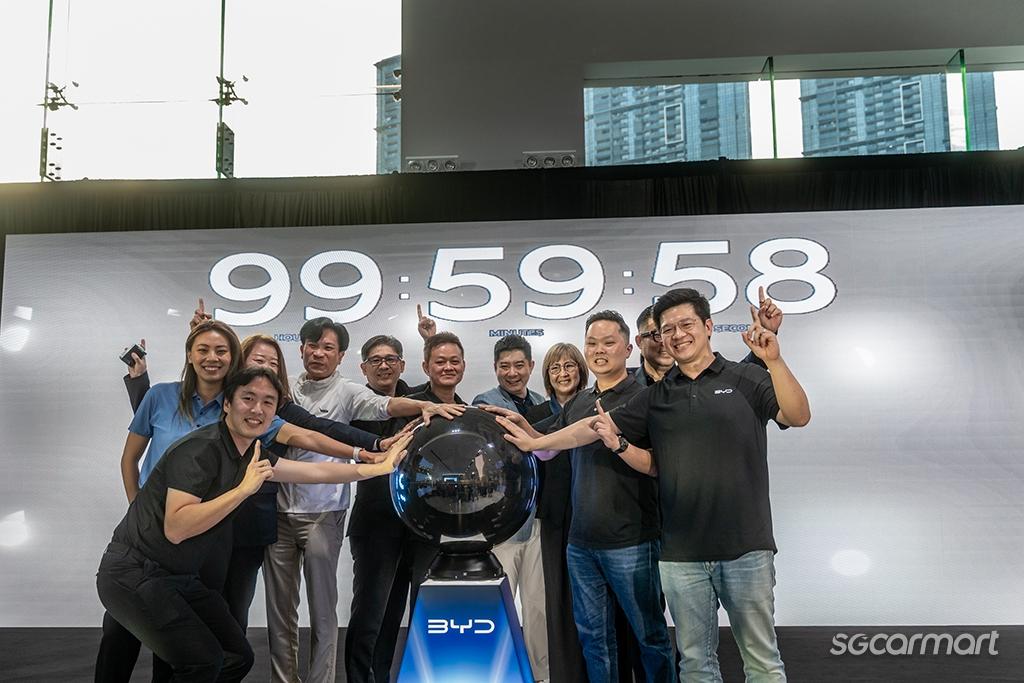
In 2025, BYD is, by a heavy margin, the best-selling car brand in Singapore. Over 7 months, the brand's 5,547 registered cars account for 19.4% of the 28,583 new cars registered in Singapore. Simply put, 1 in 5 new cars sold is a BYD.
And, SUVs make up the biggest portion of the brand's sales - the 3,112 SUVs registered make up 56% of the brand's sales. Currently, the brand's SUV lineup include the Atto 3, the Sealion 7, as well as the recently launched Atto 2.
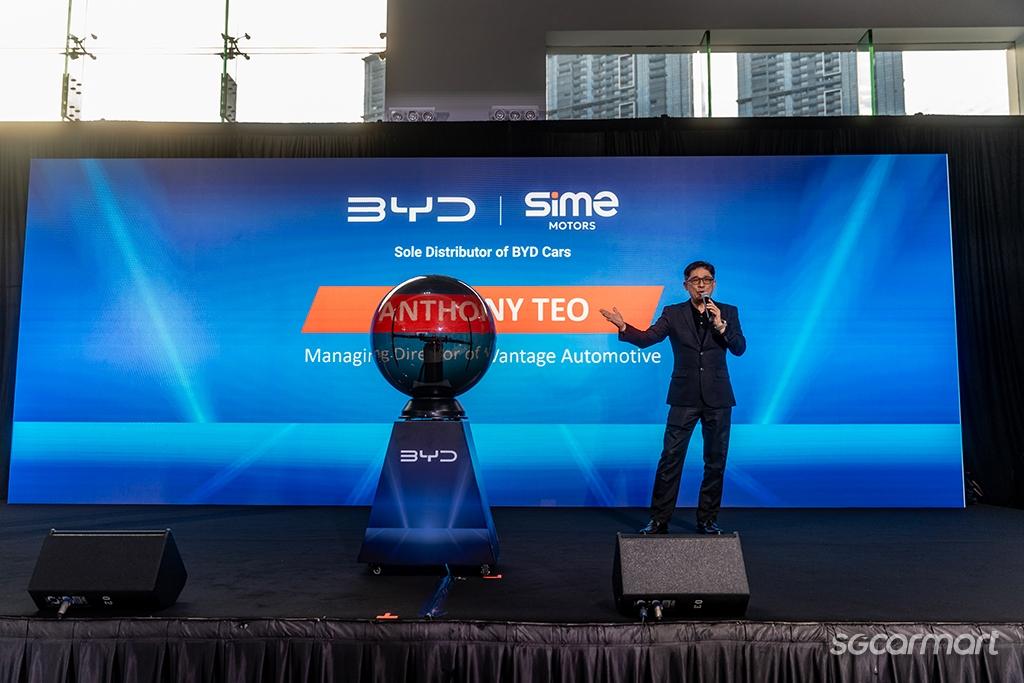
According to a BYD representative, the Sealion 7 (in its prior Cat B offerings) has been the best-selling model in 2025.
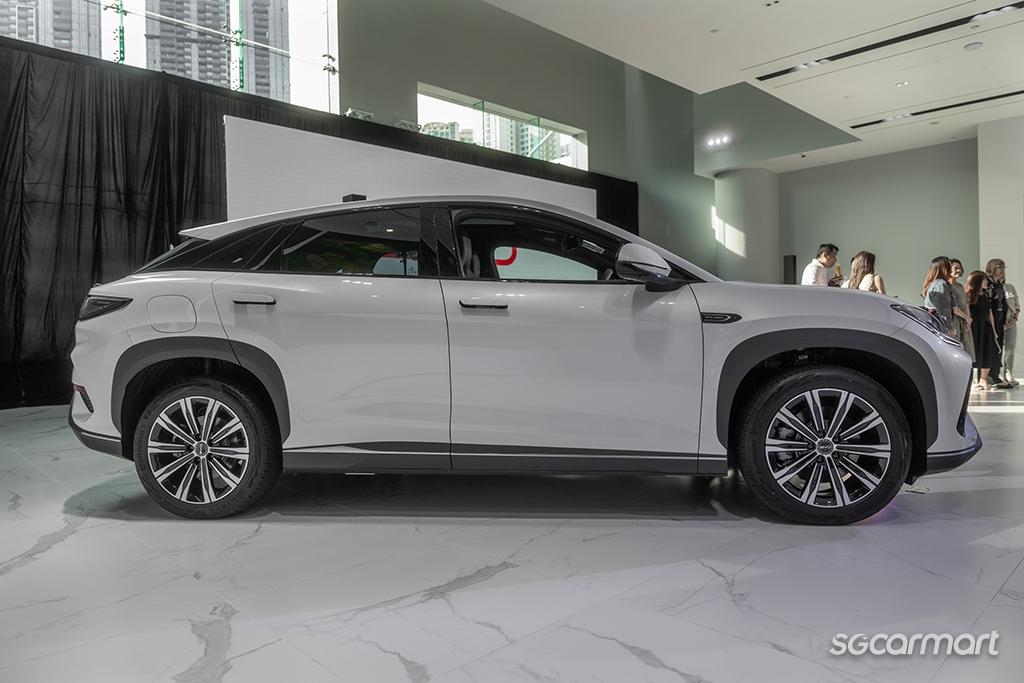
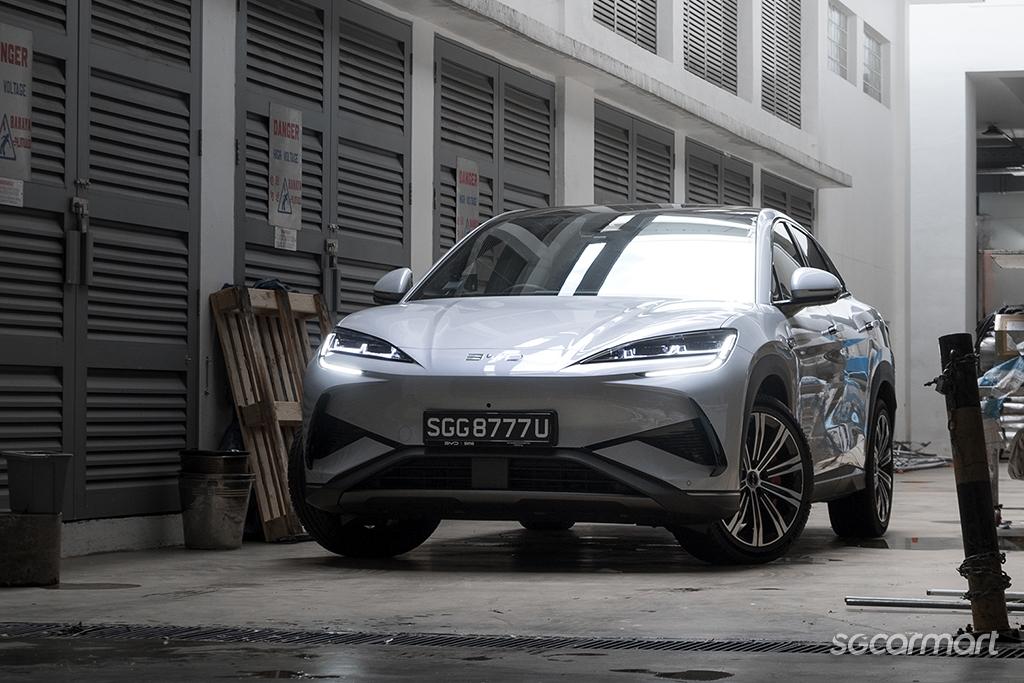
And now, there's yet one more option being offered to customers - the Sealion 7 in Cat A guise.
Will the Sealion 7 100kW become the brand's new best-seller? Here, we consider some of the factors that will impact this car's potential success.
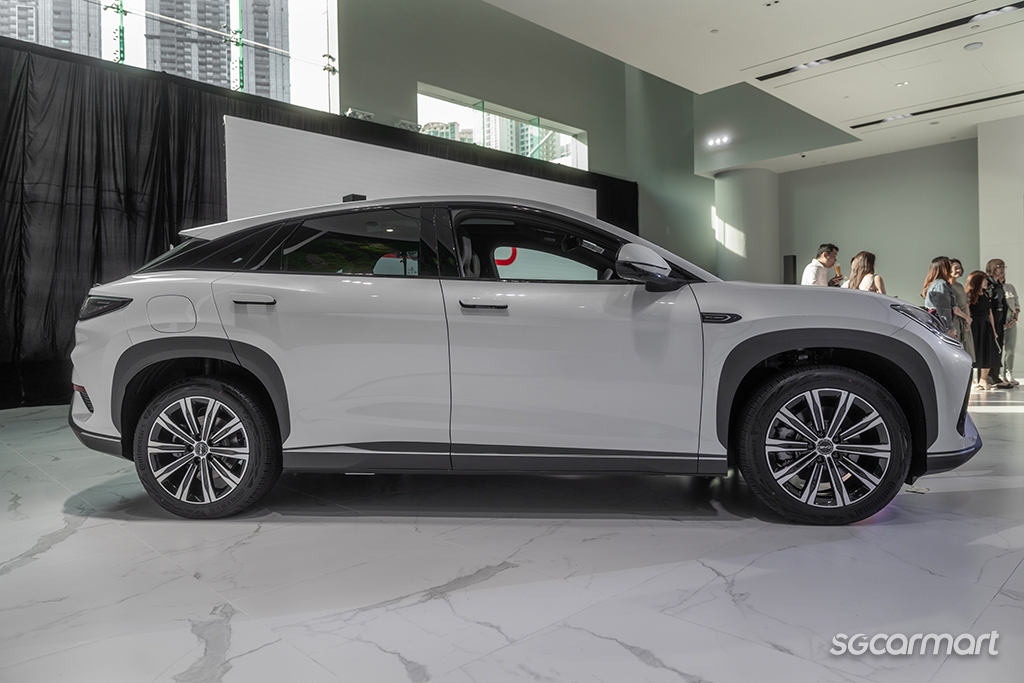
The new Cat A variant of the Sealion 7 is launched into a COE climate where Cat A premiums are at an all-time high
1. Sky-high COE premiums
Cat A COE is now at a new all-time high. On one hand, that's indicative of high customer demand for Cat A cars. On the other hand, high prices are high prices.
BYD has made its bones on delivering highly cost-effective products, and high COE premiums certainly doesn't help its cause. But then again, as its sales figures have shown us, customer interest remains high nonetheless.
2. Customer demand
The Sealion 7 was officially launched at this year's Motor Show in January, and to much fanfare. This means that many buyers who were in the market for an electric mid-size SUV would have had the best part of 7 months with this car either on their shopping list, or with their purchase already made (as the sales figures would readily suggest).
This also means that at least some proportion of that demand has already been fulfilled, the same (or at least quite similar) demand that this Cat A variant is catering to. Simply put, the pool of potential buyers of this car has probably shrunk. And maybe the model's 'sparkle' has faded slightly.
There will also inevitably be the question of potential market saturation, given the zero-sum game that is the Singapore car market. But where that point is, and whether we've reach it yet, no one really knows.
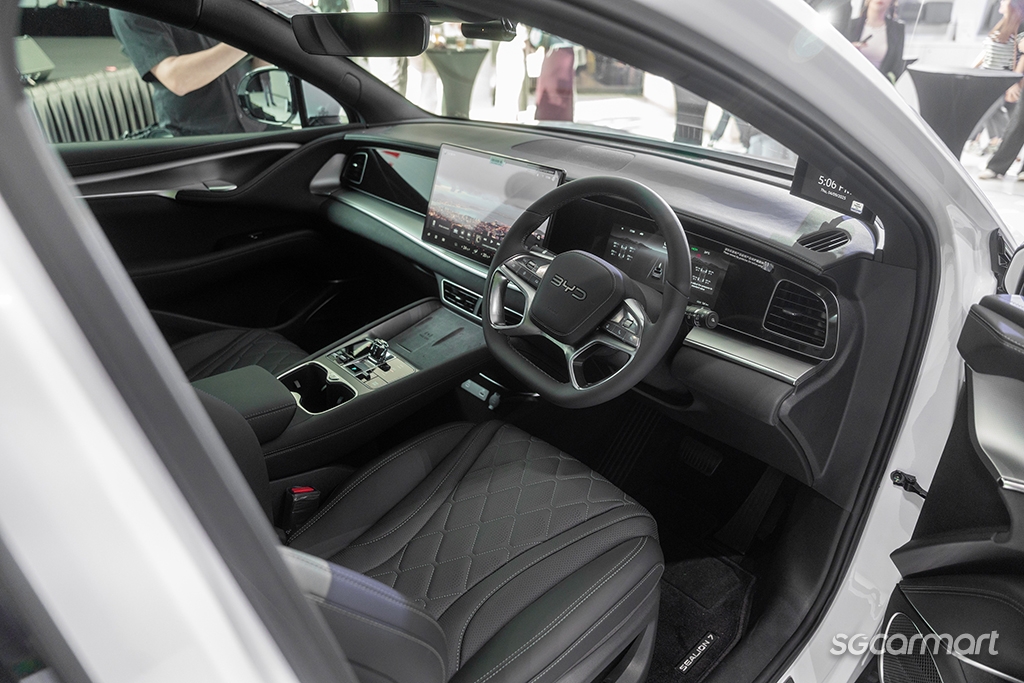
Despite being the 'entry-model', the Sealion 7 Dynamic retains much of the same equipment, quality and functionality found in the pricier Cat B models
3. EEAI and VES changes
LTA recently announced changes to the EEAI and VES. These are set to kick in in 2026. With car prices set to go up, it is entirely likely that potential buyers will want to lock in their orders before the year ends. This will certainly drive customers down to the BYD showrooms.
4. Product and pricing
With this Cat A Sealion 7, the car loses a bunch of power (going from 230kW to 110kW) and uses a smaller battery, but otherwise little else is different. A few small features have been omitted (like the head-up display), but otherwise there's still a high level of equipment and functionality, as well as the same quality that the Cat B models deliver.
In fact, the difference between the two Cat B models really comes down to the powertrain. The car's equipment levels and features are otherwise identical. The fact that this Cat A model continues to deliver a similar level of equipment is impressive.
Of course, pricing is a big factor. The car's $199,888 launch price is a $16k gap from the 'Premium' variant, at this point a smaller difference than the roughly $20k difference in COE premiums.
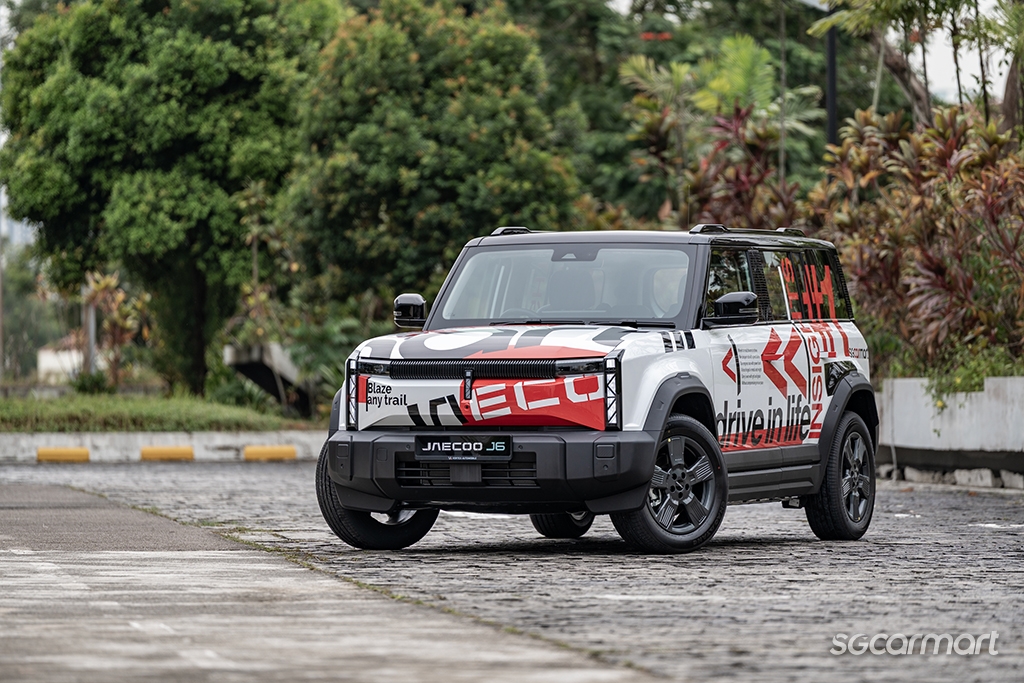
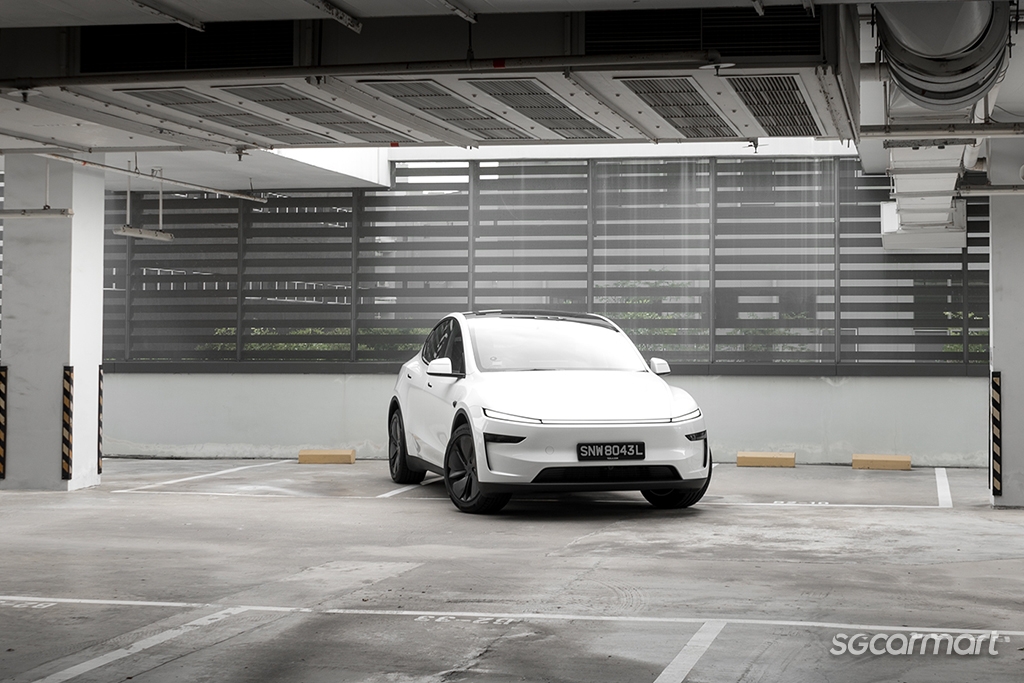
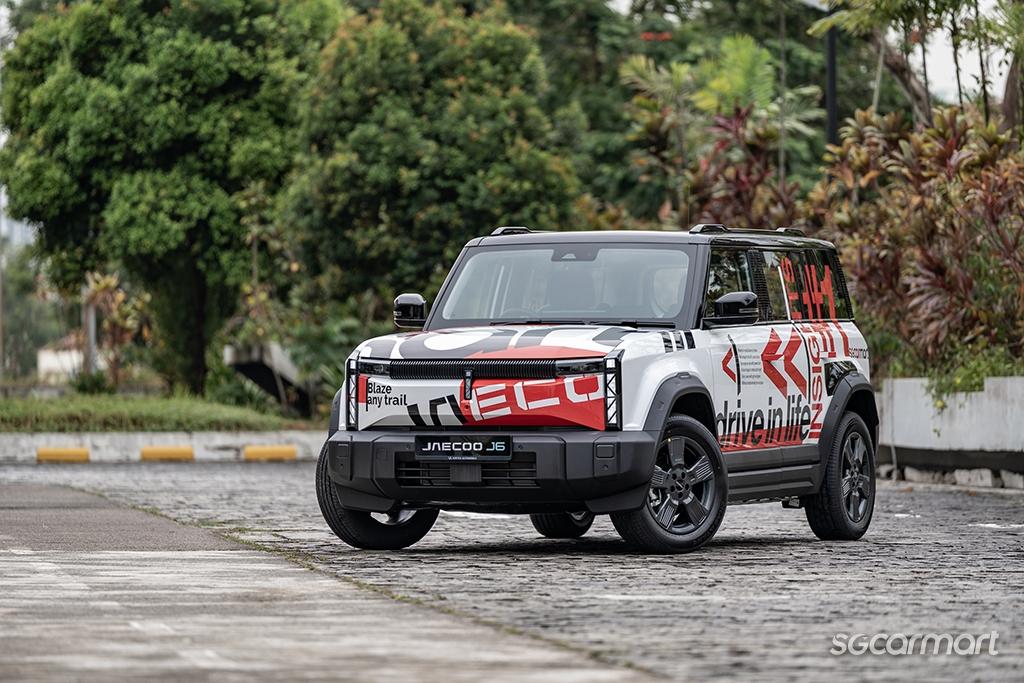
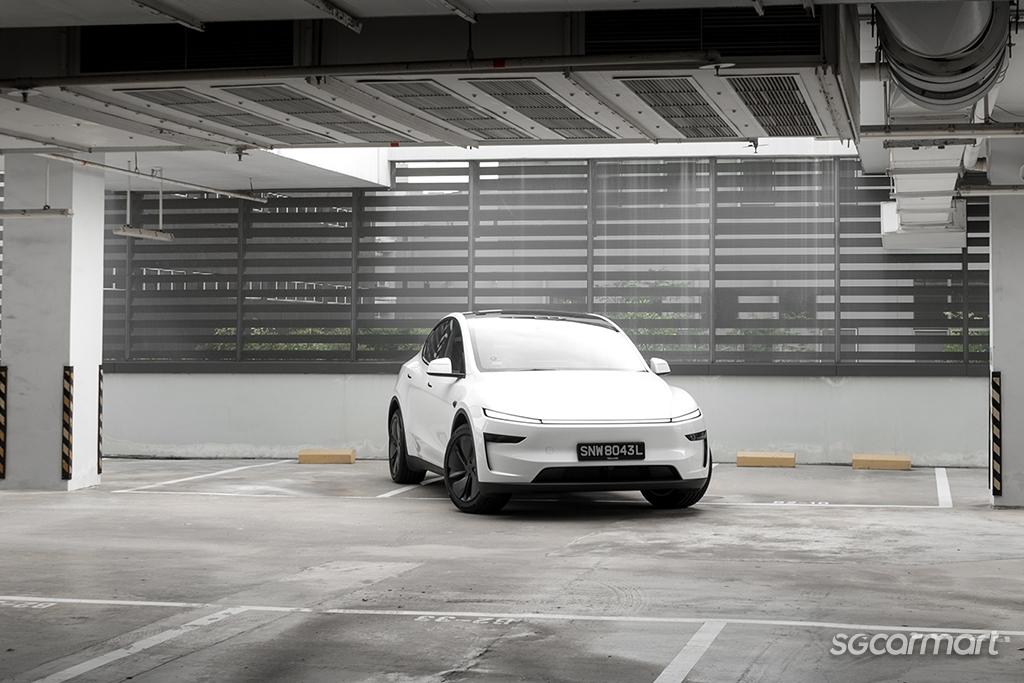
The Cat A electric mid-size SUV segment is more crowded now, with the Sealion 7 counting the Jaecoo J6 and Tesla Model Y as its direct rivals
5. The competition
Competition in the EV space has hotted up significantly, not just with new brands entering the market (like the Deepal S07), but with a greater number of Cat A offerings as well.
Tesla Model Y and Jaecoo J6 both now have Cat A variants, the Kia EV5 was launched in May, and heck there's even the Sealion 6 to potentially contend with (admittedly a PHEV and not a BEV).
So there's plenty of competition for BYD.
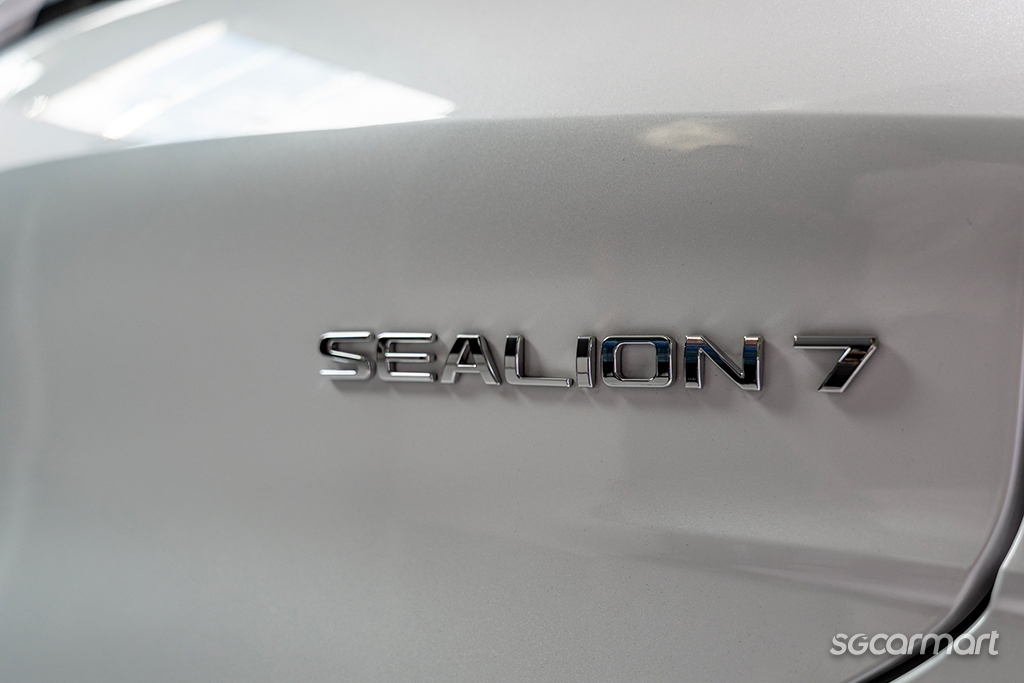
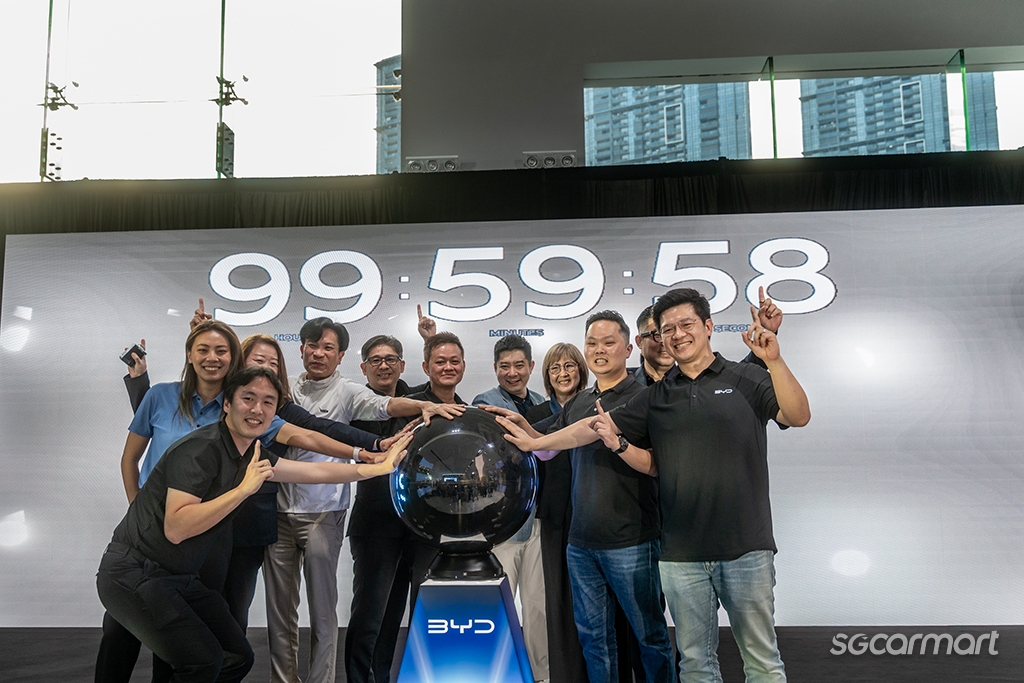
The Sealion 7 Dynamic arrives in a much more competitive landscape, but it will likely continue to bolster BYD's push as Singapore's top-selling brand
Conclusion
The Sealion 7 Cat A's arrival was inevitable - just look around at how many brands have brought in Cat A variants of their EVs. And the reality is that in the context of EVs, it's not particularly hard. After all, it's mostly a simple matter of detuning the electric motor's output (or simply dropping one electric motor altogether), while the rest of the mechanical package stays the same.
Having a Cat A model obviously provides customers a more cost-effective choice, though in this uber-high COE climate that's perhaps scant consolation. It is, however, also something of a double edged sword. As more brands bring in Cat A models, that raises competition within the segment, while consequently also likely driving premiums upwards if customers continue to bite. The recent announcement of upcoming changes to the EEAI and VES looks set to drive COE premiums further upwards.
All that's to say that the market conditions right now feel less conducive for the Sealion 7 100kW to have the same astronomical success that the Cat B models have had through the first 7 months of 2025. But in tandem with the brand's success so far, as well as with its other offerings, there's no denying that this model will help BYD cement its top positioning.
That said, one group of drivers are worth keeping an eye out for: Existing Atto 3 drivers, especially those who bought the car when it was just launched 2022, which would make those cars 2-3 years old already. Considering the car was updated over the years, existing owners may be tempted to upgrade to this Sealion 7 (the used car market in the coming months will tell us plenty).
Ultimately, it is the customers' wallets that talk. And if we've learnt anything, it is to not bet against BYD's ability to put new cars on the road.
In 2025, BYD is, by a heavy margin, the best-selling car brand in Singapore. Over 7 months, the brand's 5,547 registered cars account for 19.4% of the 28,583 new cars registered in Singapore. Simply put, 1 in 5 new cars sold is a BYD.
And, SUVs make up the biggest portion of the brand's sales - the 3,112 SUVs registered make up 56% of the brand's sales. Currently, the brand's SUV lineup include the Atto 3, the Sealion 7, as well as the recently launched Atto 2.
According to a BYD representative, the Sealion 7 (in its prior Cat B offerings) has been the best-selling model in 2025.
And now, there's yet one more option being offered to customers - the Sealion 7 in Cat A guise.
Will the Sealion 7 100kW become the brand's new best-seller? Here, we consider some of the factors that will impact this car's potential success.
The new Cat A variant of the Sealion 7 is launched into a COE climate where Cat A premiums are at an all-time high
1. Sky-high COE premiums
Cat A COE is now at a new all-time high. On one hand, that's indicative of high customer demand for Cat A cars. On the other hand, high prices are high prices.
BYD has made its bones on delivering highly cost-effective products, and high COE premiums certainly doesn't help its cause. But then again, as its sales figures have shown us, customer interest remains high nonetheless.
2. Customer demand
The Sealion 7 was officially launched at this year's Motor Show in January, and to much fanfare. This means that many buyers who were in the market for an electric mid-size SUV would have had the best part of 7 months with this car either on their shopping list, or with their purchase already made (as the sales figures would readily suggest).
This also means that at least some proportion of that demand has already been fulfilled, the same (or at least quite similar) demand that this Cat A variant is catering to. Simply put, the pool of potential buyers of this car has probably shrunk. And maybe the model's 'sparkle' has faded slightly.
There will also inevitably be the question of potential market saturation, given the zero-sum game that is the Singapore car market. But where that point is, and whether we've reach it yet, no one really knows.
Despite being the 'entry-model', the Sealion 7 Dynamic retains much of the same equipment, quality and functionality found in the pricier Cat B models
3. EEAI and VES changes
LTA recently announced changes to the EEAI and VES. These are set to kick in in 2026. With car prices set to go up, it is entirely likely that potential buyers will want to lock in their orders before the year ends. This will certainly drive customers down to the BYD showrooms.
4. Product and pricing
With this Cat A Sealion 7, the car loses a bunch of power (going from 230kW to 110kW) and uses a smaller battery, but otherwise little else is different. A few small features have been omitted (like the head-up display), but otherwise there's still a high level of equipment and functionality, as well as the same quality that the Cat B models deliver.
In fact, the difference between the two Cat B models really comes down to the powertrain. The car's equipment levels and features are otherwise identical. The fact that this Cat A model continues to deliver a similar level of equipment is impressive.
Of course, pricing is a big factor. The car's $199,888 launch price is a $16k gap from the 'Premium' variant, at this point a smaller difference than the roughly $20k difference in COE premiums.
The Cat A electric mid-size SUV segment is more crowded now, with the Sealion 7 counting the Jaecoo J6 and Tesla Model Y as its direct rivals
5. The competition
Competition in the EV space has hotted up significantly, not just with new brands entering the market (like the Deepal S07), but with a greater number of Cat A offerings as well.
Tesla Model Y and Jaecoo J6 both now have Cat A variants, the Kia EV5 was launched in May, and heck there's even the Sealion 6 to potentially contend with (admittedly a PHEV and not a BEV).
So there's plenty of competition for BYD.
The Sealion 7 Dynamic arrives in a much more competitive landscape, but it will likely continue to bolster BYD's push as Singapore's top-selling brand
Conclusion
The Sealion 7 Cat A's arrival was inevitable - just look around at how many brands have brought in Cat A variants of their EVs. And the reality is that in the context of EVs, it's not particularly hard. After all, it's mostly a simple matter of detuning the electric motor's output (or simply dropping one electric motor altogether), while the rest of the mechanical package stays the same.
Having a Cat A model obviously provides customers a more cost-effective choice, though in this uber-high COE climate that's perhaps scant consolation. It is, however, also something of a double edged sword. As more brands bring in Cat A models, that raises competition within the segment, while consequently also likely driving premiums upwards if customers continue to bite. The recent announcement of upcoming changes to the EEAI and VES looks set to drive COE premiums further upwards.
All that's to say that the market conditions right now feel less conducive for the Sealion 7 100kW to have the same astronomical success that the Cat B models have had through the first 7 months of 2025. But in tandem with the brand's success so far, as well as with its other offerings, there's no denying that this model will help BYD cement its top positioning.
That said, one group of drivers are worth keeping an eye out for: Existing Atto 3 drivers, especially those who bought the car when it was just launched 2022, which would make those cars 2-3 years old already. Considering the car was updated over the years, existing owners may be tempted to upgrade to this Sealion 7 (the used car market in the coming months will tell us plenty).
Ultimately, it is the customers' wallets that talk. And if we've learnt anything, it is to not bet against BYD's ability to put new cars on the road.



Thank You For Your Subscription.
Tags
Products & Services

For Owners
Quick Links
About Sgcarmart