Lexus adopts 2.0-litre turbocharged engine in the new IS 200t
29 Jun 2015|7,065 views
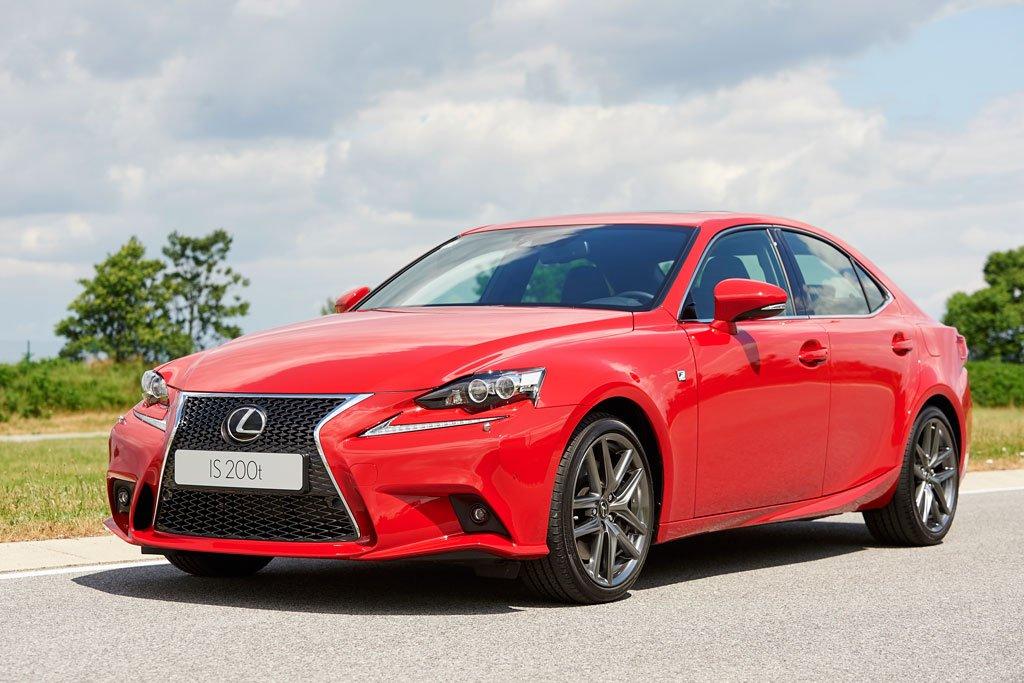
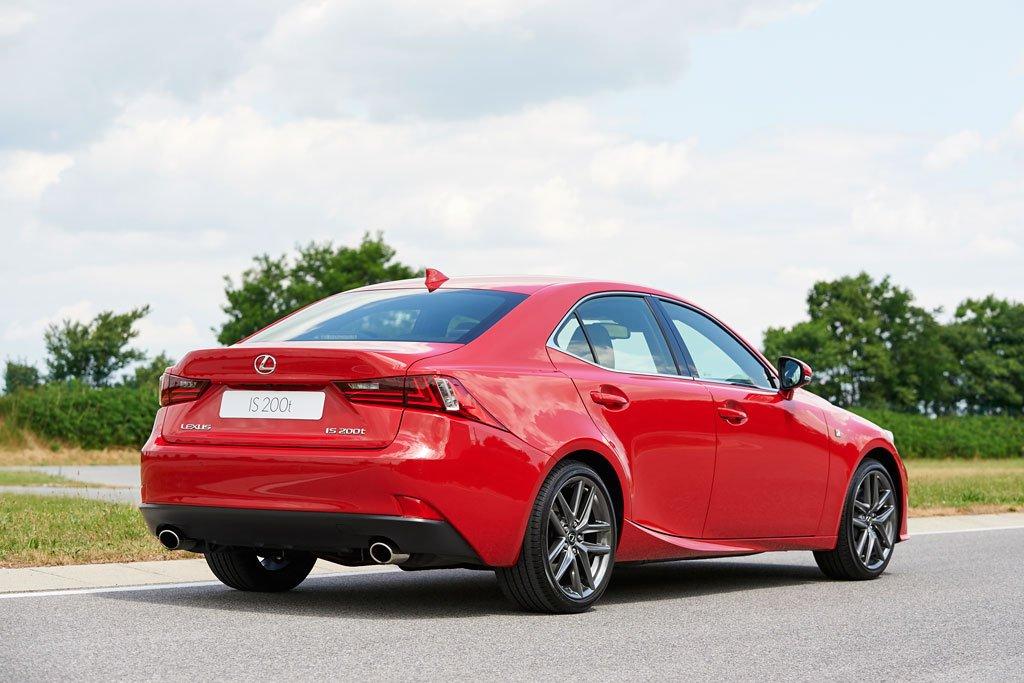
The Lexus IS saloon will adopt petrol turbo power for the first time with the introduction of the new IS 200t. It is the third model to be announced with the new Lexus engine, following the NX 200t crossover, which is already on sale, and the future new RX 200t SUV.
In the IS, the 2.0-litre unit will deliver 241bhp and maximum torque of 350Nm. It promises rapid acceleration up to a top speed of 230km/h, driving the rear wheels through an eight-speed Sport Direct Shift automatic transmission that was originally developed for the RC F high-performance coupe.
Lexus has used a world-first combination of engine technologies to achieve a high level of responsiveness, minimal turbo lag and good low-speed torque, together with excellent fuel economy.
The four-into-two exhaust manifold pairs cylinders according to their expansion or compression stroke. This innovative structure acts in conjunction with the highly efficient twin-scroll turbocharger and prevents interference between the exhaust gases from each cylinder, generating high-torque across the widest possible rev range.
The engine uses a lightweight roller rocker valvetrain and a low friction timing chain. Low friction materials have also been used for the crankshaft oil seals, and the flow of lubricating oil has been optimised, with a variable discharge mechanism reducing the oil pump flow.
The water-cooled intercooler provides strong advantages in acceleration from standstill, and delivers a 0.3-second reduction in the 0-100km/h acceleration time compared to an air-to-air unit. The acceleration curve prioritises torque delivery at low speeds.
The Lexus IS saloon will adopt petrol turbo power for the first time with the introduction of the new IS 200t. It is the third model to be announced with the new Lexus engine, following the NX 200t crossover, which is already on sale, and the future new RX 200t SUV.
In the IS, the 2.0-litre unit will deliver 241bhp and maximum torque of 350Nm. It promises rapid acceleration up to a top speed of 230km/h, driving the rear wheels through an eight-speed Sport Direct Shift automatic transmission that was originally developed for the RC F high-performance coupe.
Lexus has used a world-first combination of engine technologies to achieve a high level of responsiveness, minimal turbo lag and good low-speed torque, together with excellent fuel economy.
The four-into-two exhaust manifold pairs cylinders according to their expansion or compression stroke. This innovative structure acts in conjunction with the highly efficient twin-scroll turbocharger and prevents interference between the exhaust gases from each cylinder, generating high-torque across the widest possible rev range.
The engine uses a lightweight roller rocker valvetrain and a low friction timing chain. Low friction materials have also been used for the crankshaft oil seals, and the flow of lubricating oil has been optimised, with a variable discharge mechanism reducing the oil pump flow.
The water-cooled intercooler provides strong advantages in acceleration from standstill, and delivers a 0.3-second reduction in the 0-100km/h acceleration time compared to an air-to-air unit. The acceleration curve prioritises torque delivery at low speeds.


Latest COE Prices
May 2026 | 1st BIDDING
NEXT TENDER: 20 May 2026
CAT A$124,790
CAT B$126,236
CAT C$87,479
CAT E$127,700
View Full Results 
Thank You For Your Subscription.









Tags
Products & Services

For Owners
Quick Links
About Sgcarmart