Lexus is reimagining the LS as a six-wheeled MPV
30 Oct 2025|1,162 views
'LS' used to stand for 'Luxury Sedan' in the house of Lexus, but with the winds of change now blowing in disfavour against the three-box shape, Japan's largest luxury carmaker is seeing fit to shift gears for its flagship.
And in rather dramatic fashion too. Unveiled at the Lexus booth on Wednesday morning (29 October 2025) at Tokyo's Japan Mobility Show 2025 (JMS 2025) was a trio of concept cars all bearing the 'LS' moniker. The big kicker? None of them calls to mind the regal sedan that used to strike fear among engineers of the BMW 7 Series or the Mercedes-Benz S-Class.
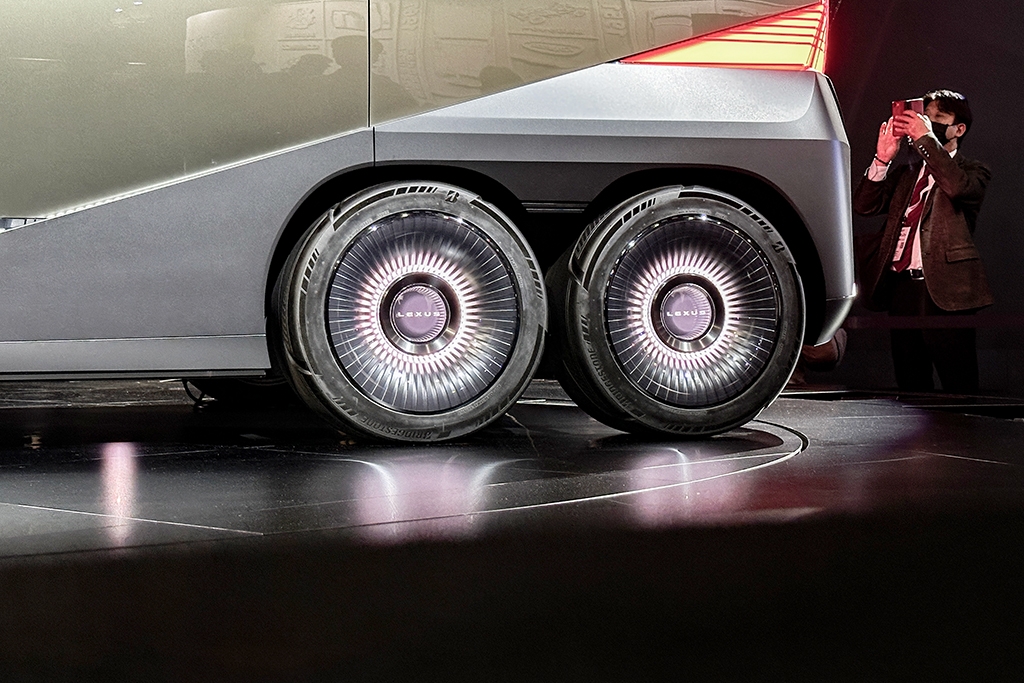
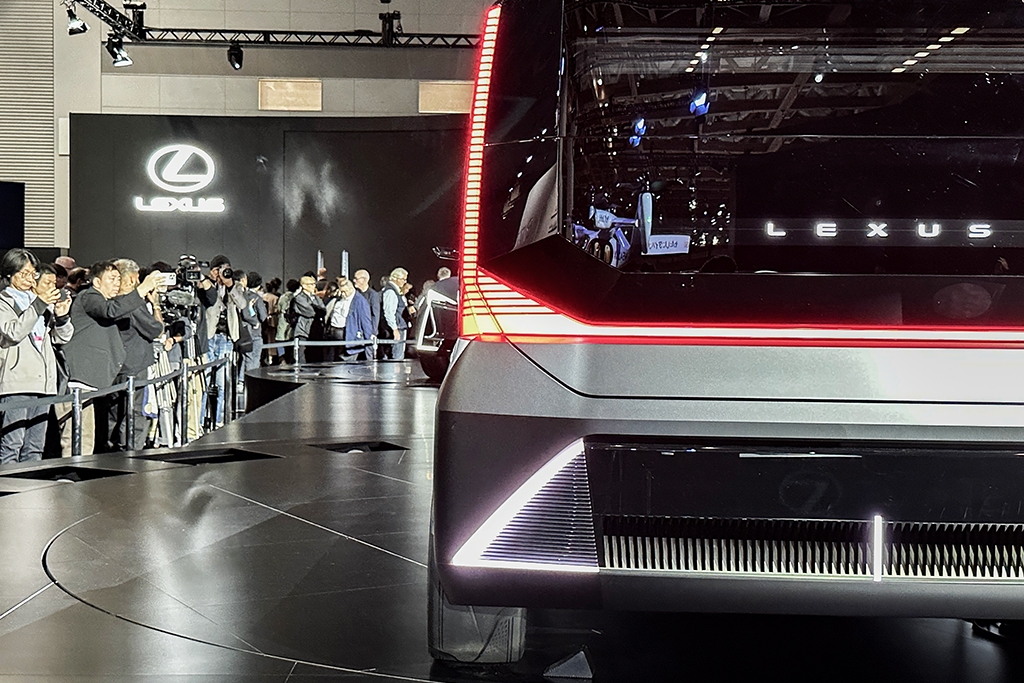
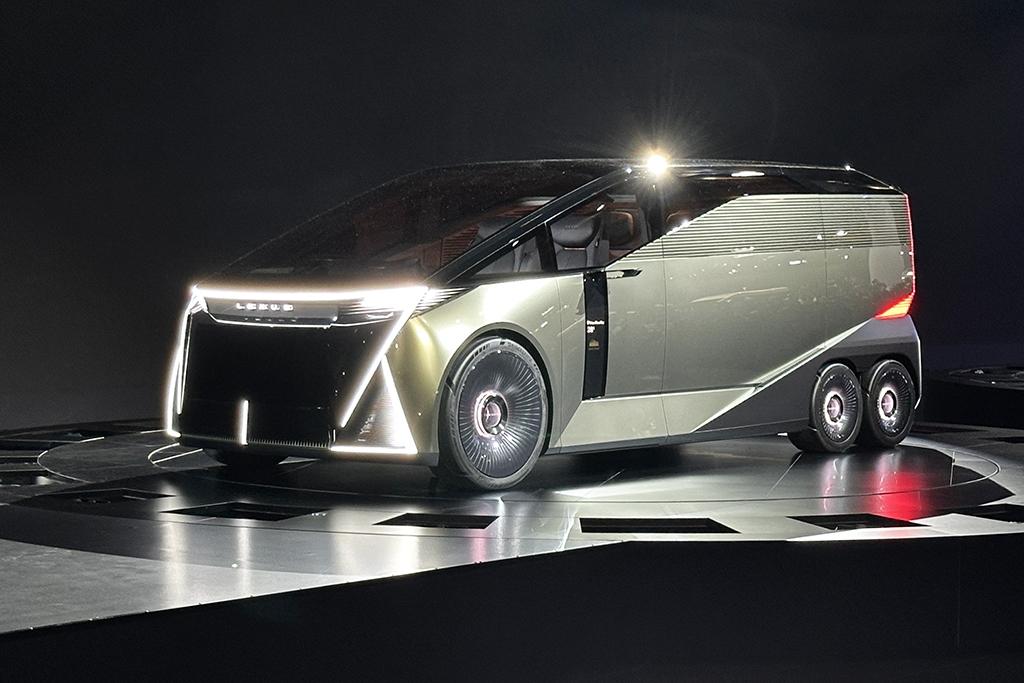
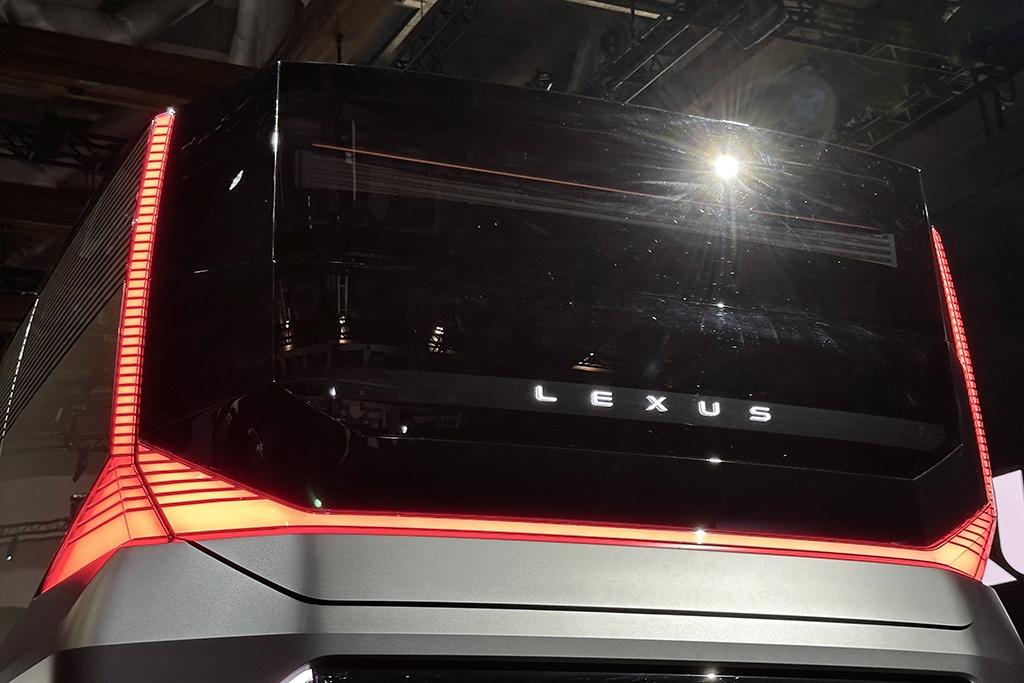
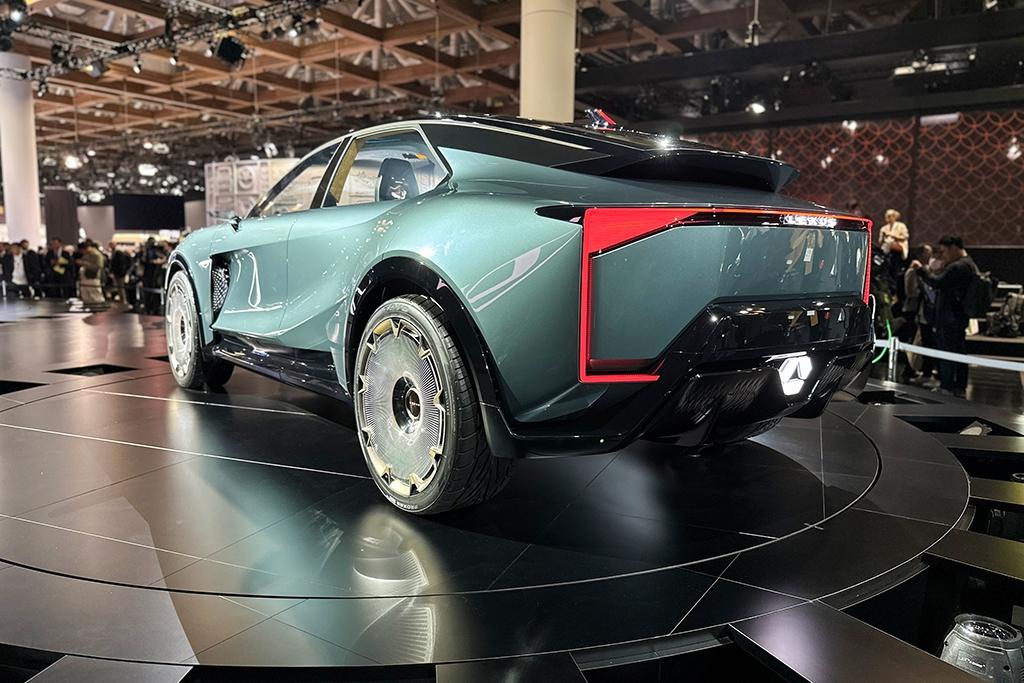
Your eyes aren't fooling you: The Lexus LS Concept is a luxury MPV with six wheels
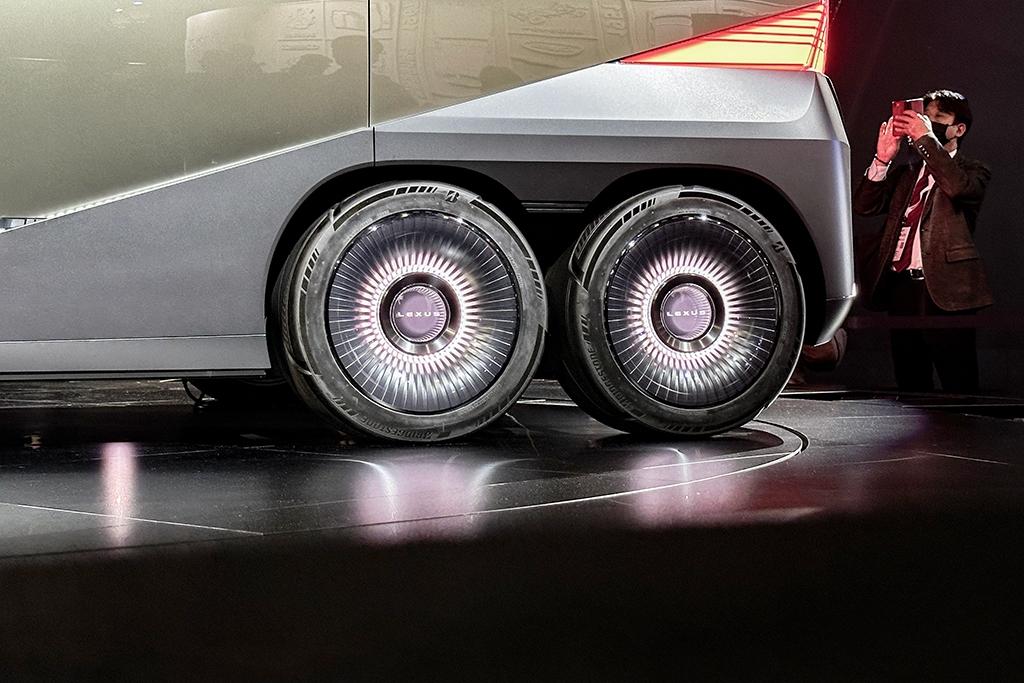
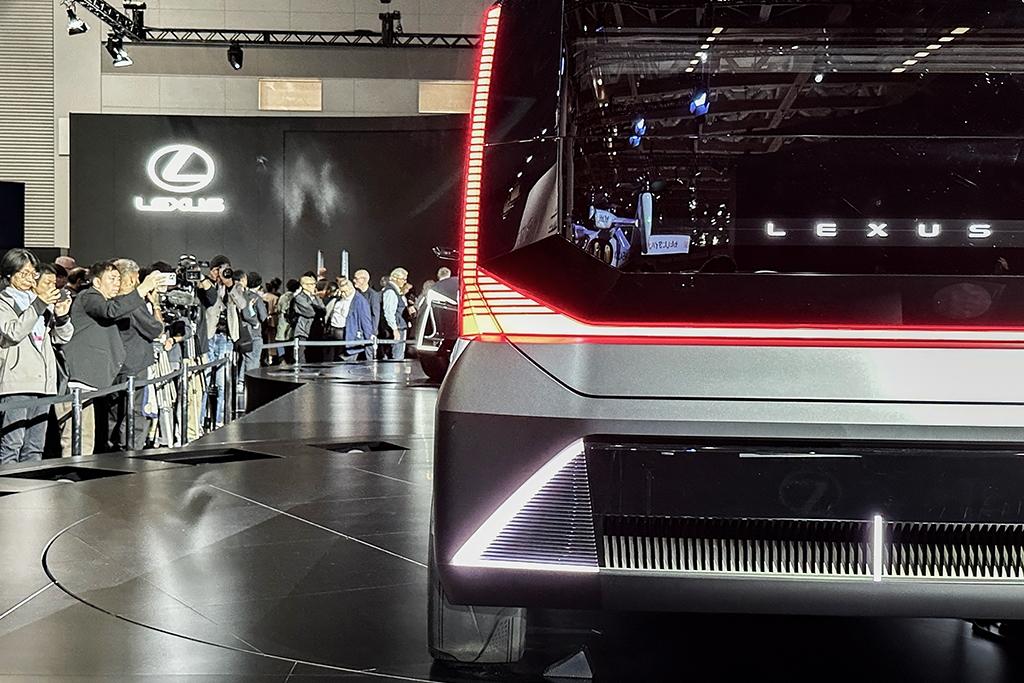
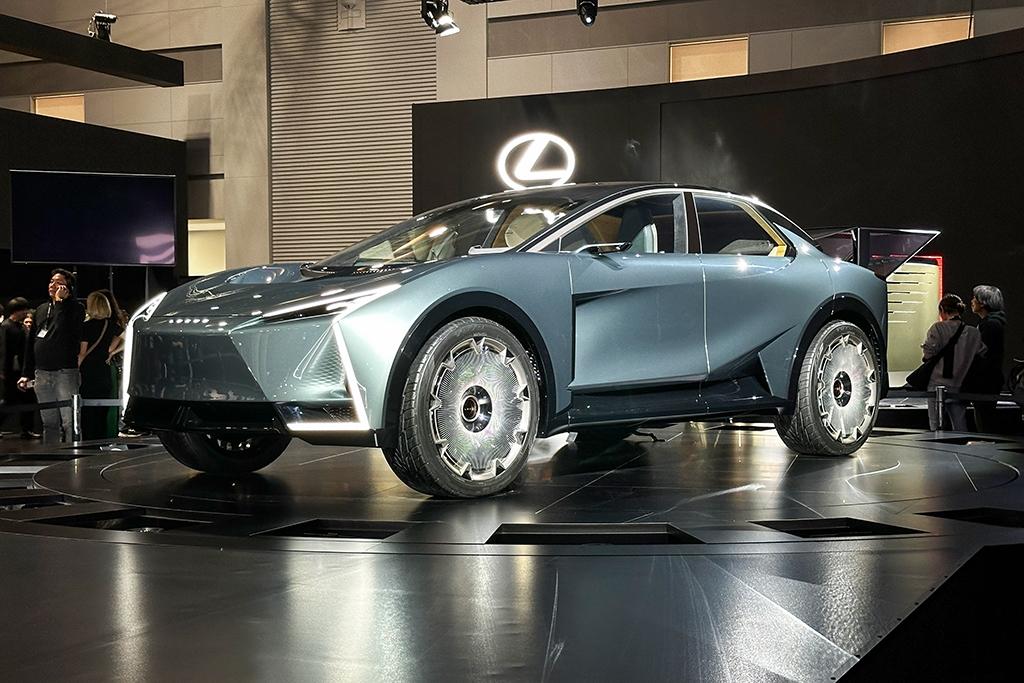
Instead, the headlining Lexus LS Concept car that visitors will find in Tokyo Big Sight is a luxury MPV with a special twist: Propping up its angular rear end are two pairs of wheels. "Lexus has always been about more than just four wheels," Simon Humphries, Chief Branding Officer of Lexus, shared at the press conference before continuing cheekily a bit later: "I did promise you the future would be about more than four wheels but you probably weren't expecting six."
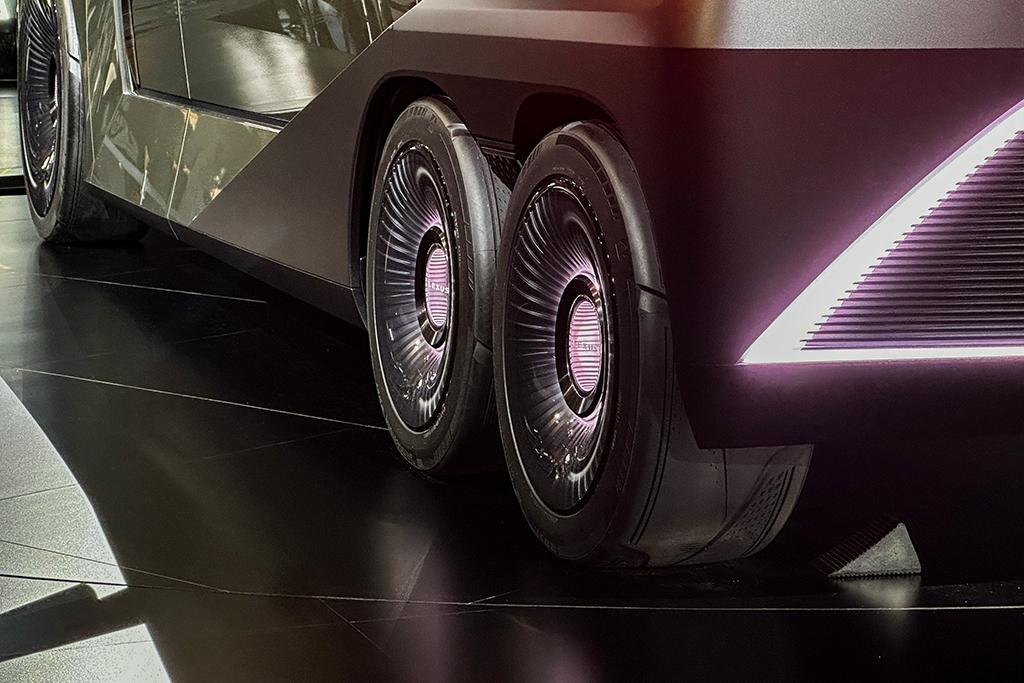
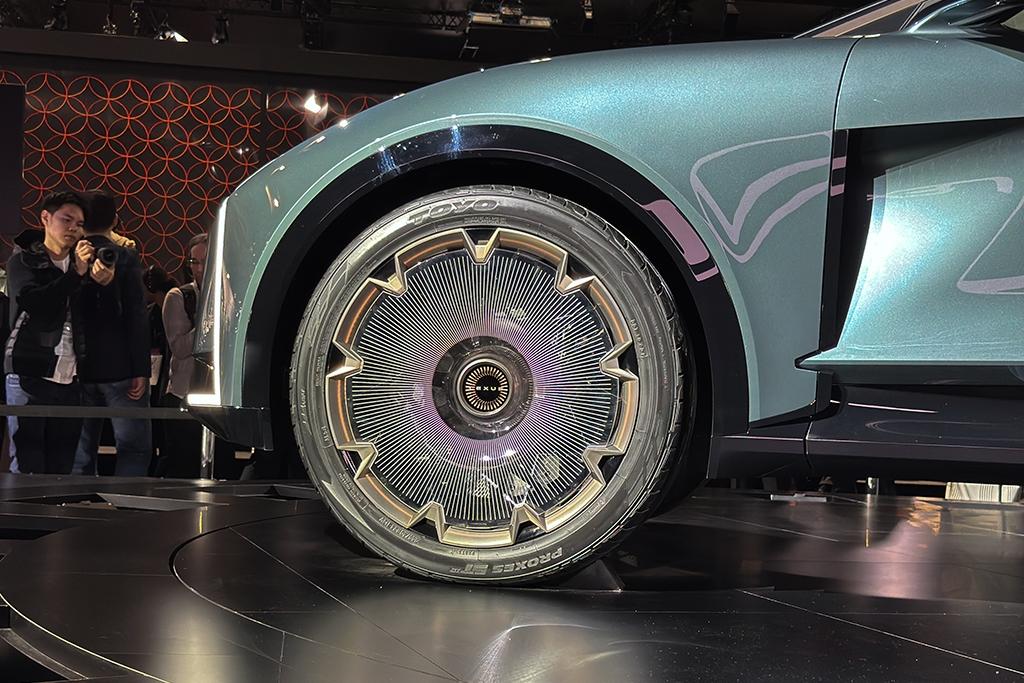
Yes, Lexus appears to be reimagining its flagship LS not just as a luxury minivan, but one with a mind-boggling six wheels; these comprise two larger ones up front and four smaller items at the rear. The end product is quite the sight to behold, throwing into question preconceptions of how exactly a car should be defined.
All of this, by Lexus' account, can be traced back to its new interpretation of what 'LS' means. No longer encompassing just sedans, the term now signifies 'Luxury Space', with models carrying these hallowed letters meant to embody different pieces of the puzzle for the brand's larger vision of a 'mobility ecosystem'.
The 'LS' philosophy has now broadened to signify 'Luxury Space', rather than just 'Luxury Sedan'
That brings us to one of the two big reasons why the LS Concept has six wheels instead of four.
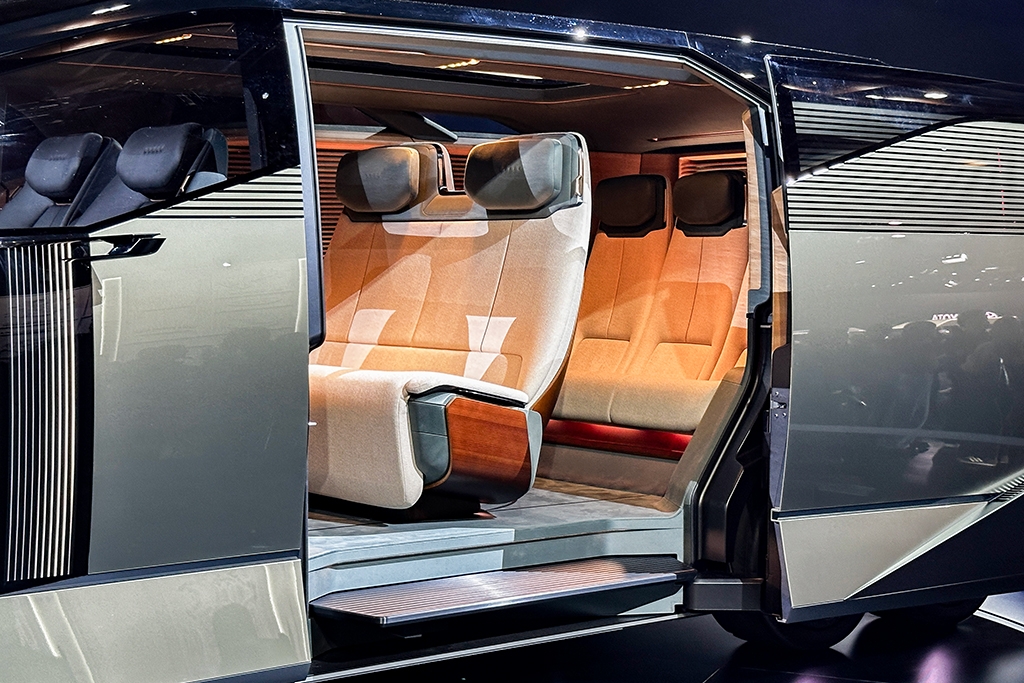
Space is the new pillar of the LS moniker, and Lexus claims that in its pursuit of maximising it, the decision to go with four rear wheels allows for smaller wheel housings that minimise intrusions into the rear quarters. A secondary benefit, the brand states, is better stability at speed - whether in a straight line or around bends - as well as improved comfort due to expected reductions in pitching and diving under hard acceleration and braking respectively. No word has been given yet, however, on whether this six-wheel layout will make it to production. (One can hope.)
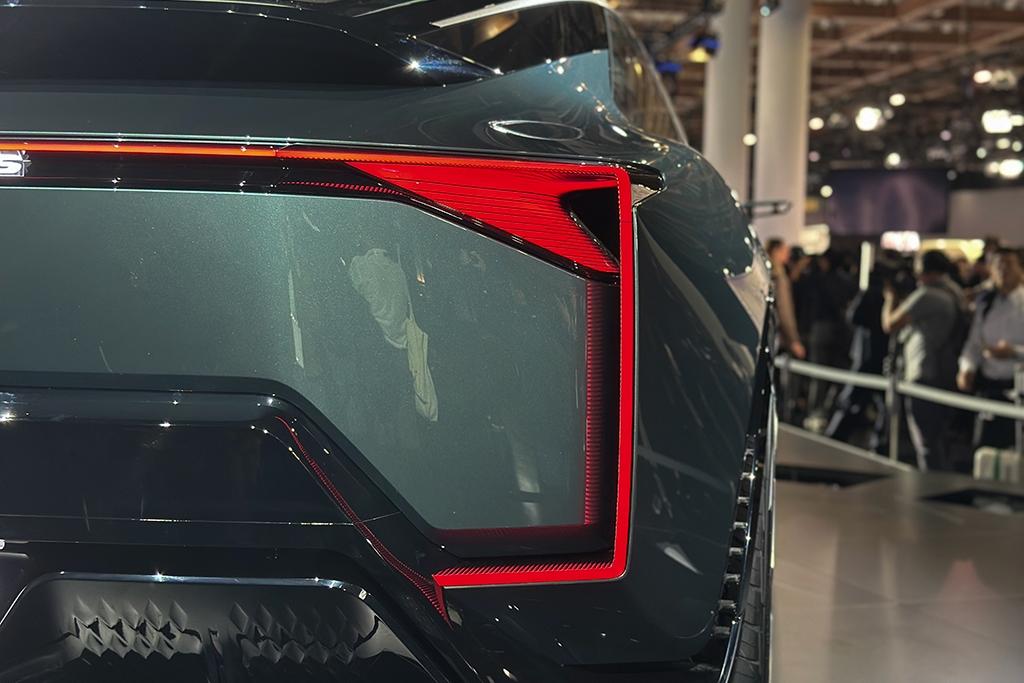
Otherwise, the design language of LS Concept is purposefully understated. There is an emphasis on sharp lines but clean surfaces, with its daytime running lights tracing its face in Lexus' signature 'spindle' shape (a rather tasteful evolution). The horizontal lines on the car's body hint at another quality Lexus is placing heavy emphasis on in the LS Concept: Privacy.
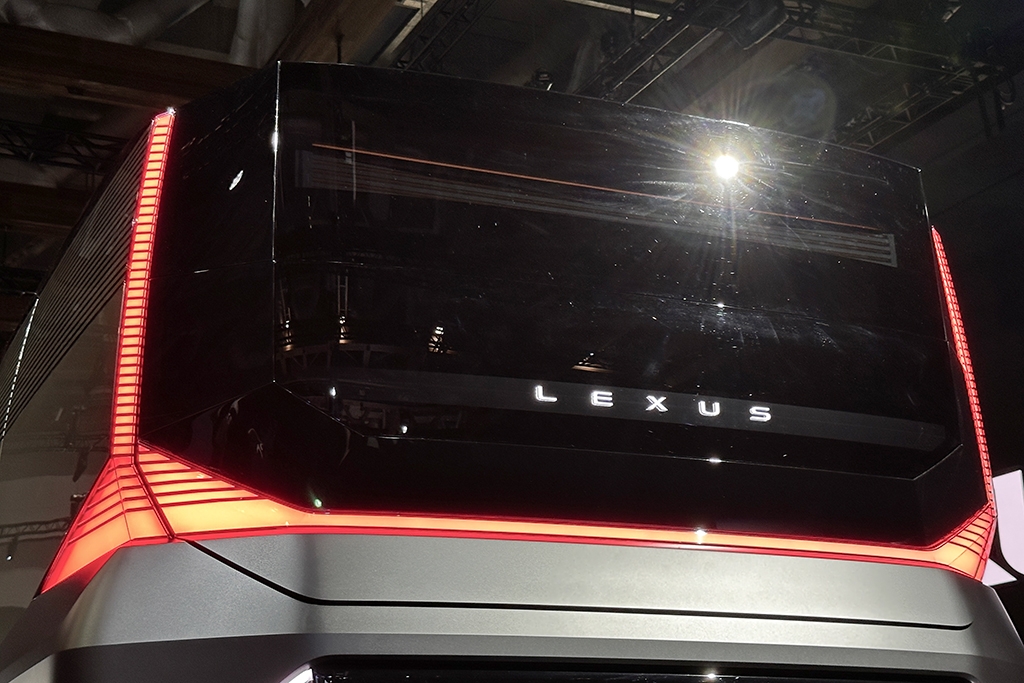
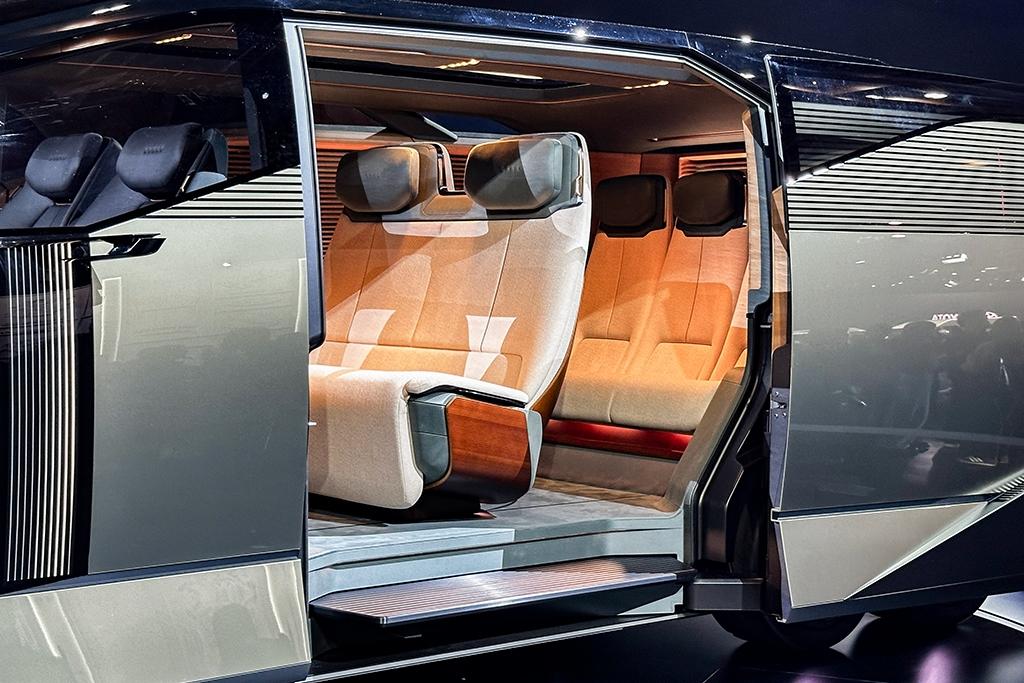
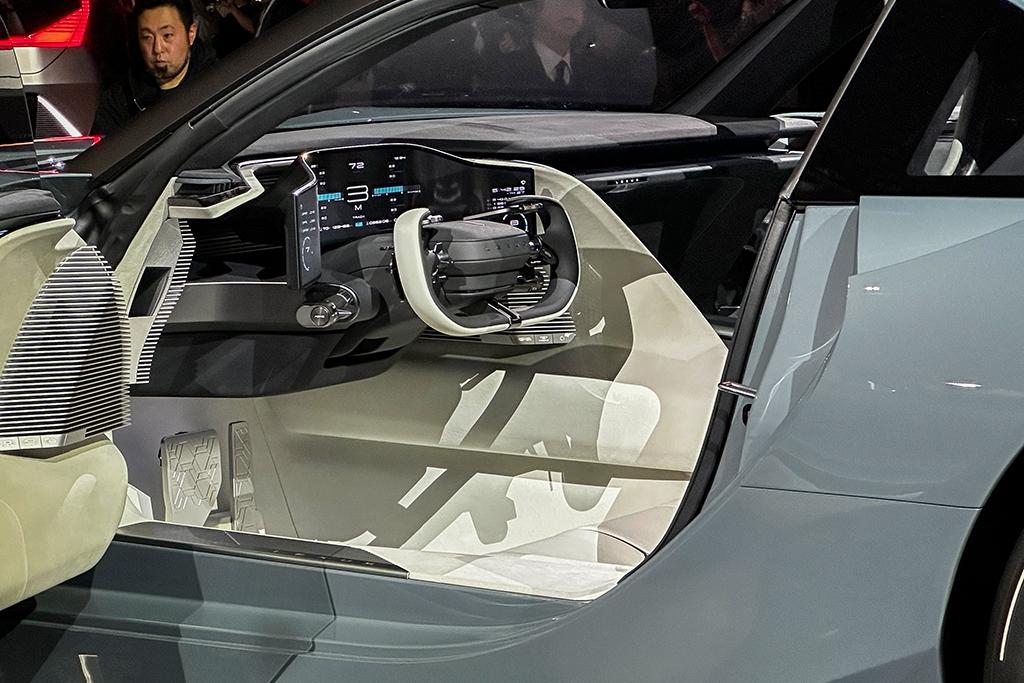
Drawing inspiration from the bamboo lattices used in traditional Japanese architecture, these are meant to protect the privacy of occupants within the car, while still allowing them a window to the world outside. Speaking of which, the LS Concept's interior also sticks faithfully to Lexus' philosophy of craftsmanship with its mixture of bamboo-inspired horizontal surfaces and fine materials used on the seat surfaces.
The LS Concept is just the beginning of the reimagination, though.
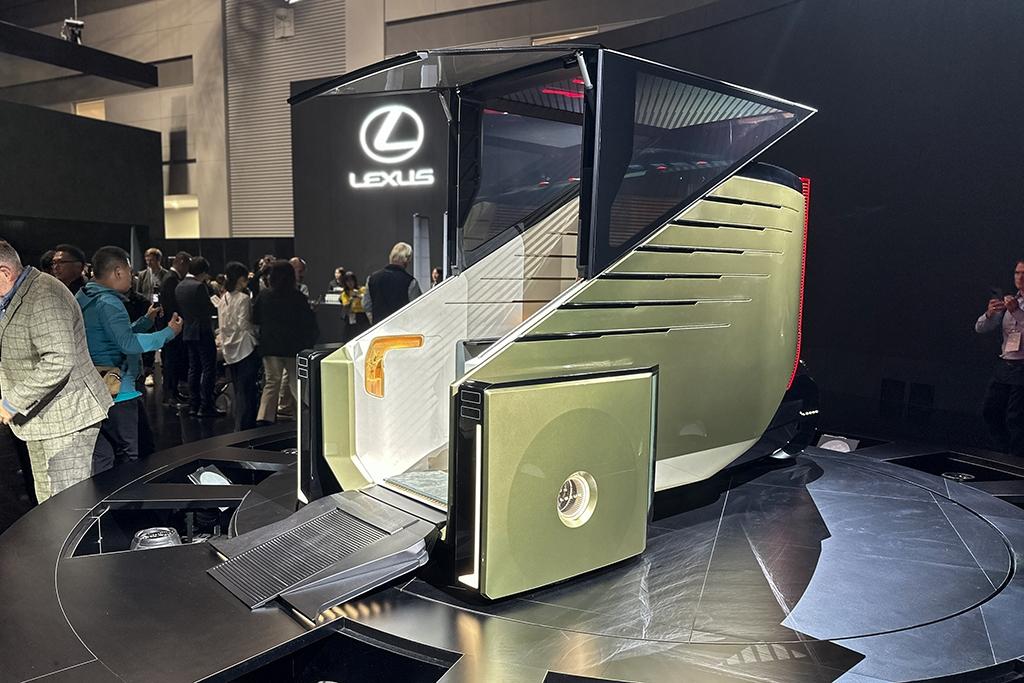
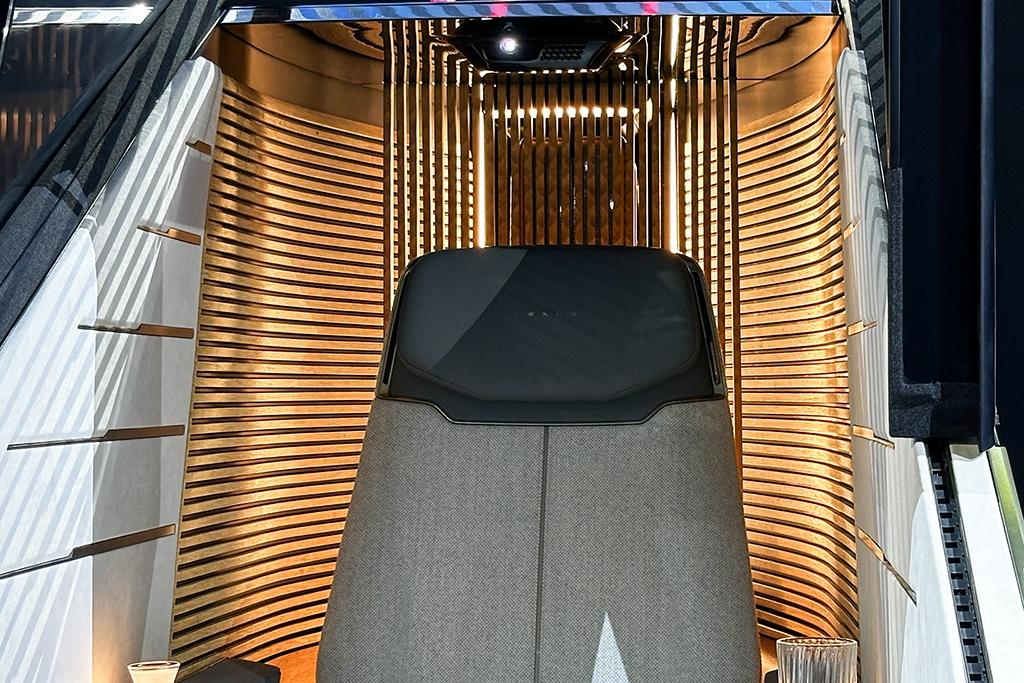
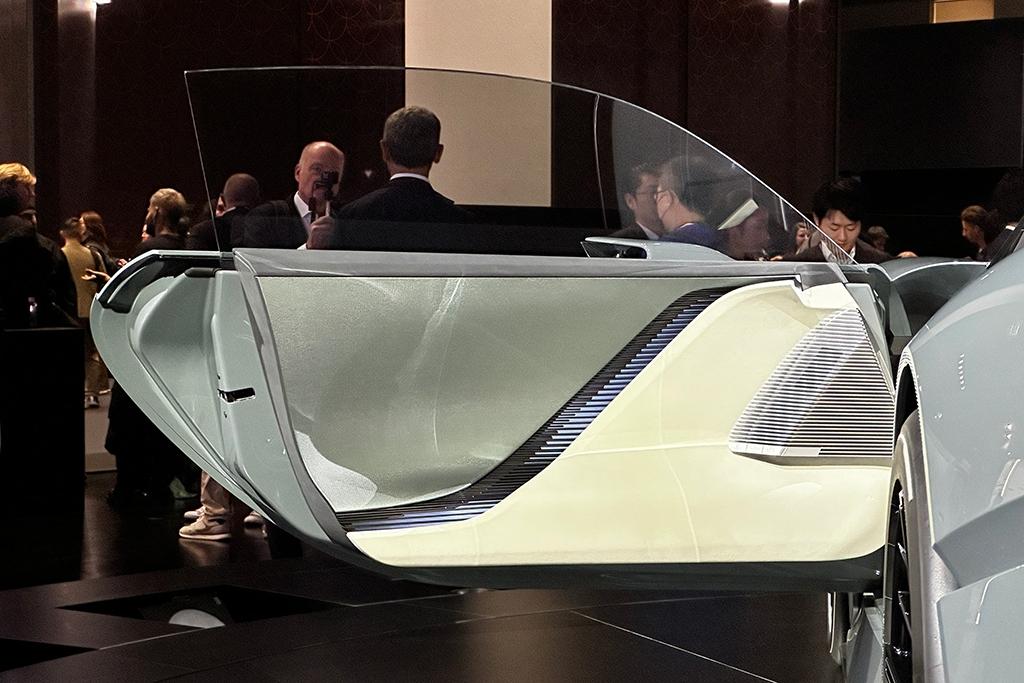
True to the 'mobility ecosystem' promise, Lexus also unveiled the LS Micro Concept in Tokyo: A single-seater three-wheeler that effectively serves as an autonomous first-class lounge. With its smaller proportions, the vehicle has been envisioned as a form of last-mile transport; Lexus also imagines it could service narrow streets where conventional cars would simply not fit, or are banned altogether.
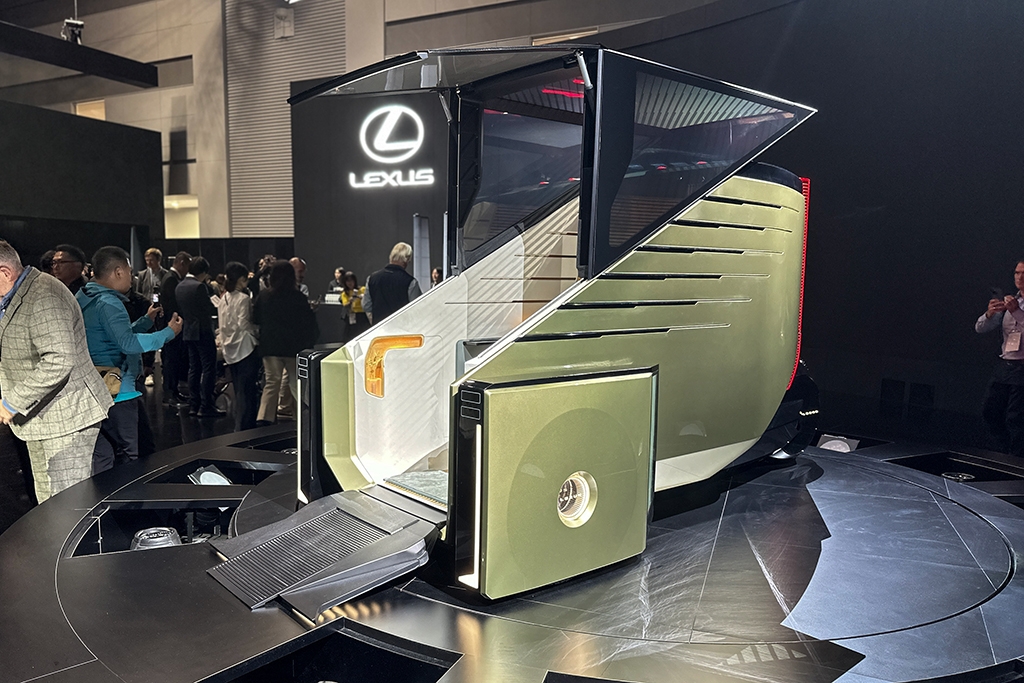
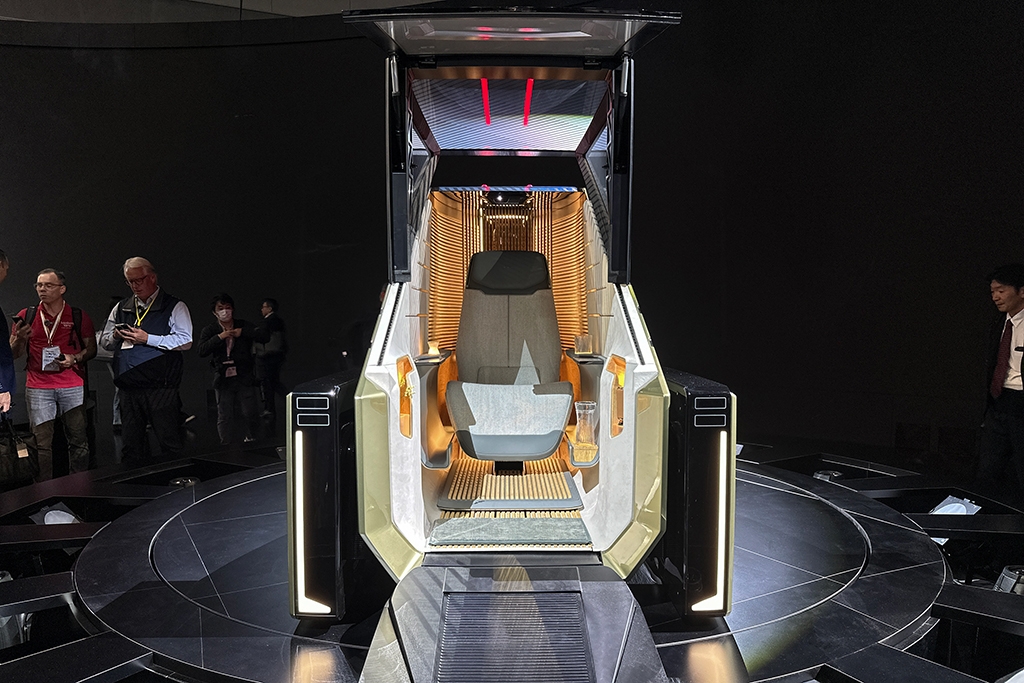
Inspired by modern architecture and jewel boxes: The LS Micro Concept is effectively an autonomous first-class lounge
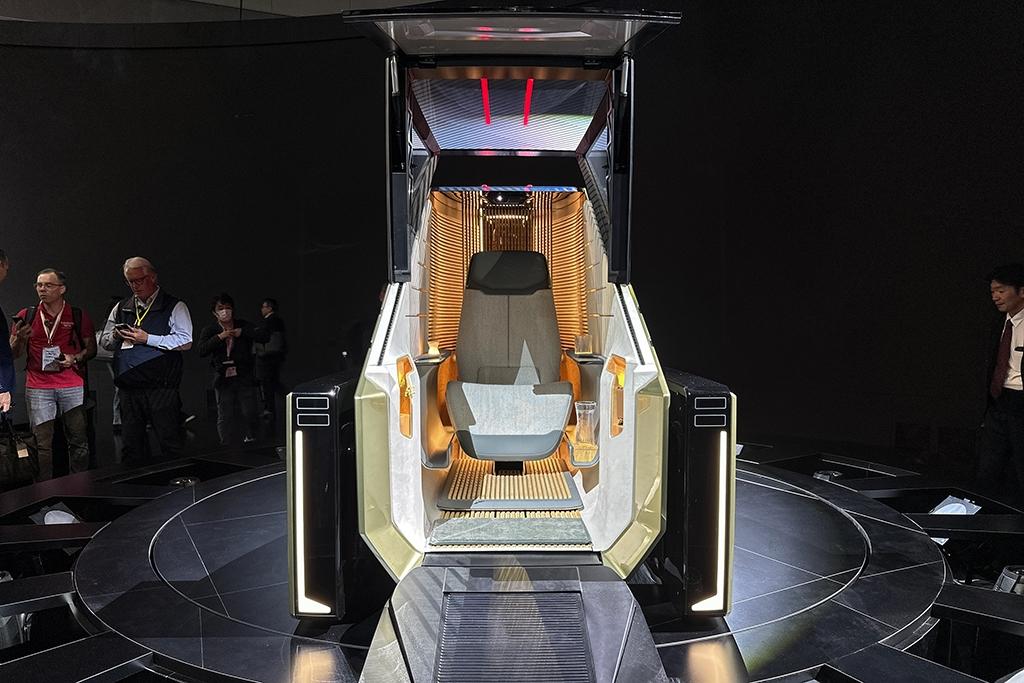
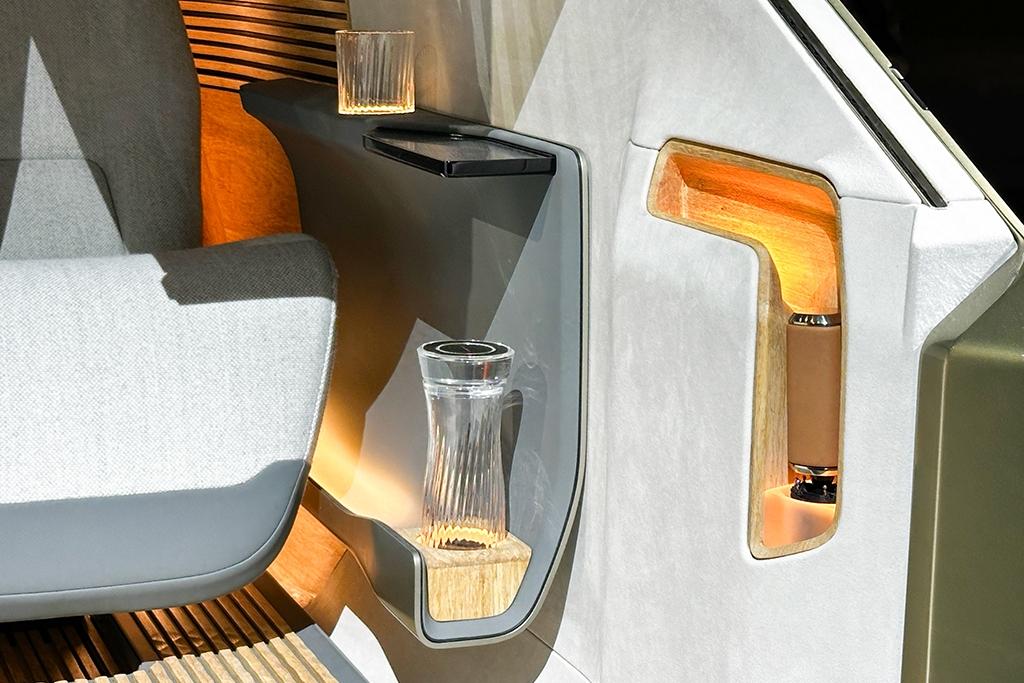
While the LS Micro Concept's intricate interior (same bamboo-inspired surfaces; detailed glass surfaces) mirrors that of the LS Concept, its Tron-esque exterior is something else altogether.
Speaking to the media, Ian Cartabiano, President of CALTY Design Research, noted that the diminutive proportions of the LS Micro Concept necessitated that the team move away from a more automotive-centric design in order to avoid looking 'cute'.
Instead, modern architecture was tapped in the creation of its towering and glassy shape, with a vertical light strip at the rear standing out arguably as its most noteworthy exterior feature. Lexus also states that it conceived of the vehicle as a 'jewel box'; note how the 'doors' are hinged at the roof and at the vehicle's base, almost like an oyster.
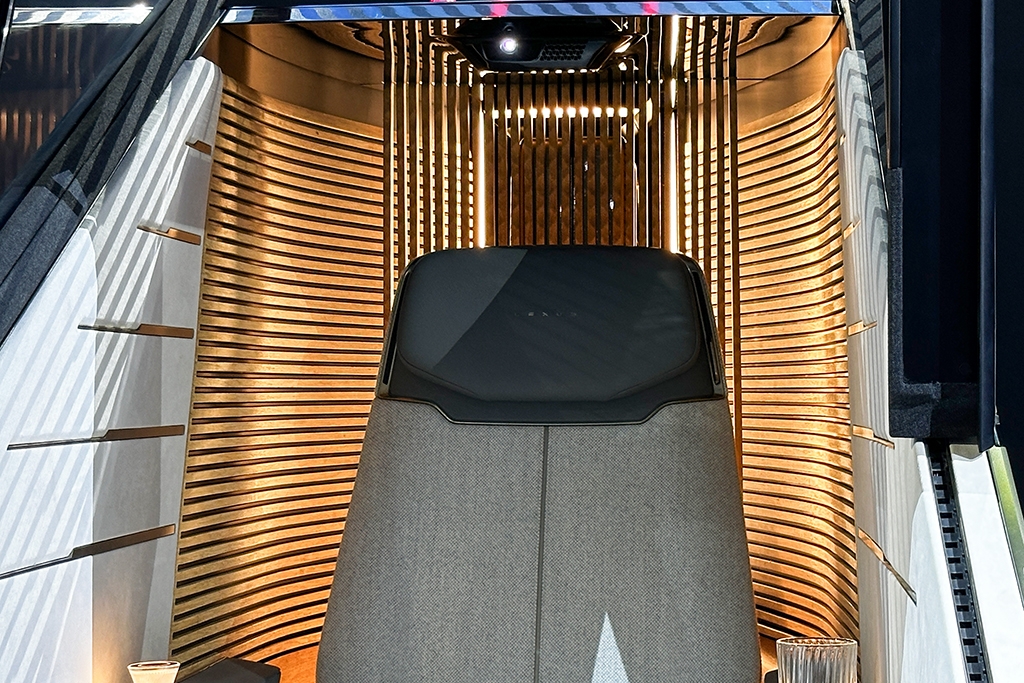
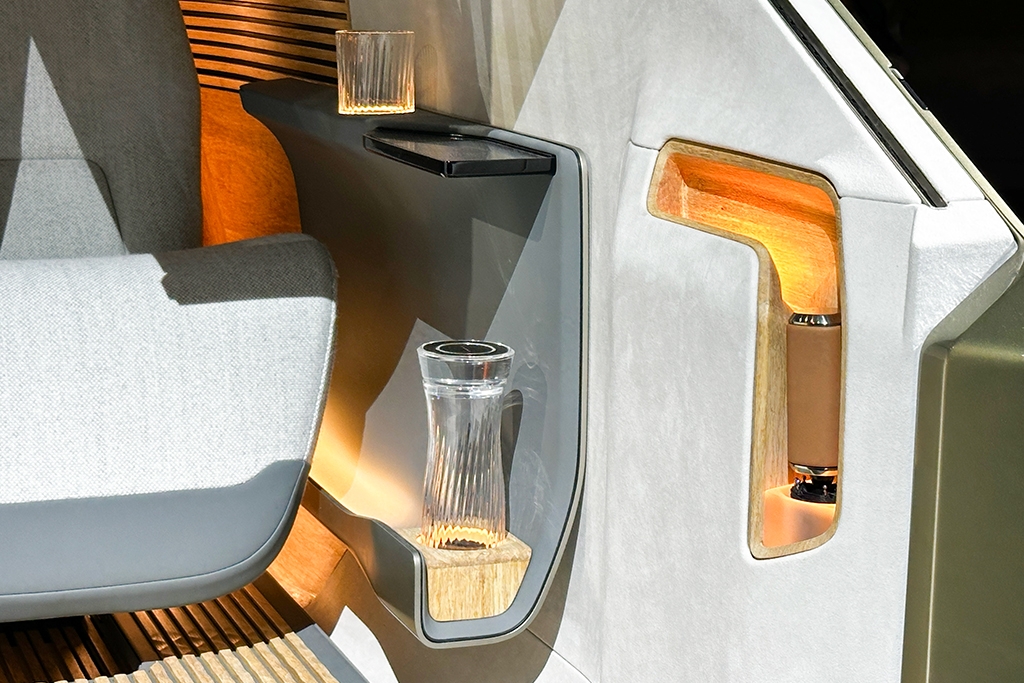
The bamboo-heavy, intricate interior of the LS Micro Concept makes it clear that this little machine is related to the more imposing LS Concept
Still, that's not where the reimagined LS family ends.
Rounding off the trio of LS concepts at JMS 2025 is the Lexus LS Coupe concept, which the brand is describing as a "balance of contradictions".
While promising the cavernous space and no-holds-barred luxury of an executive sedan, the LS Coupe is also envisioned to carry the performance, dynamism and style of a coupe. Although a spokesperson for the brand invited us to imagine it as a cross between the LS Sedan and the LC, one wouldn't be wrong to take cues from its unmistakably raised ride height, and place it more in coupe-SUV territory.
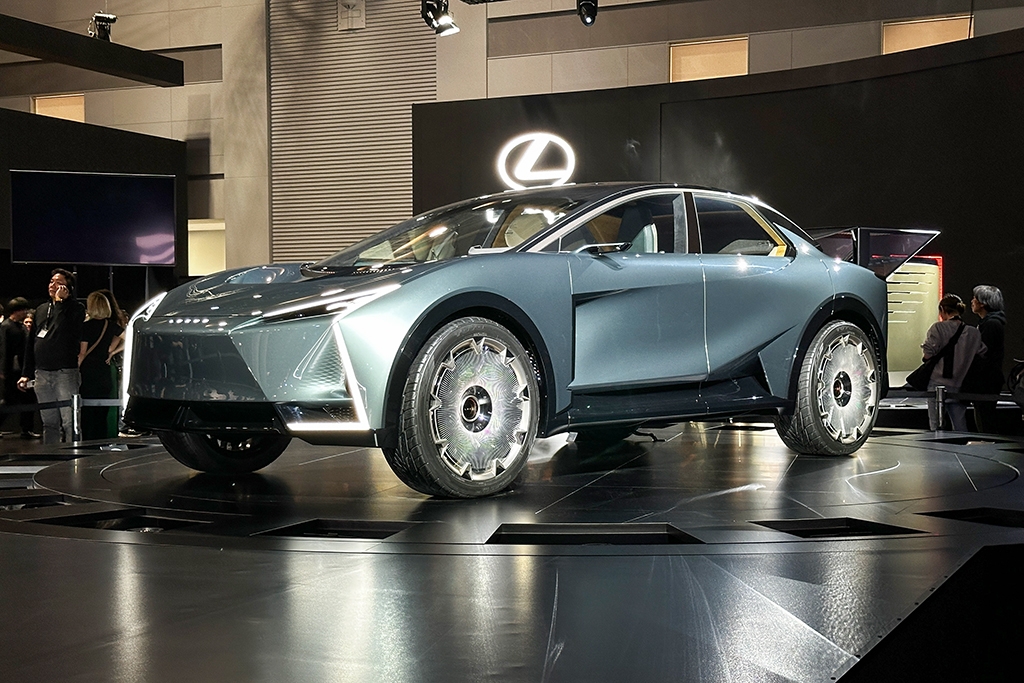
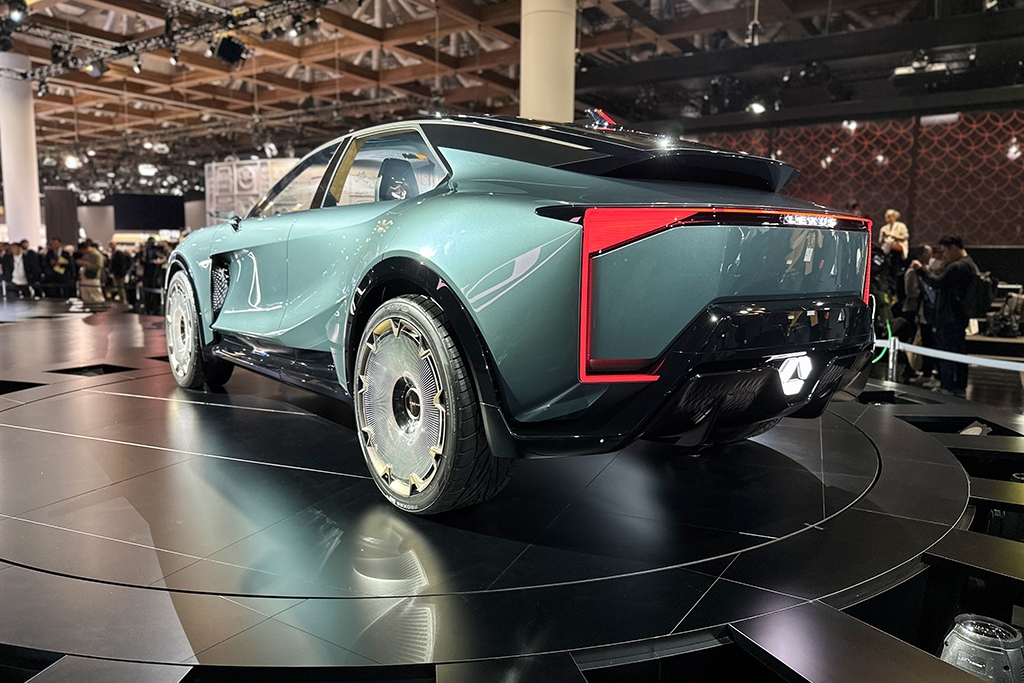
Different strokes for different folks: The LS Coupe Concept provides yet another interpretation of what top-end Lexus can look like
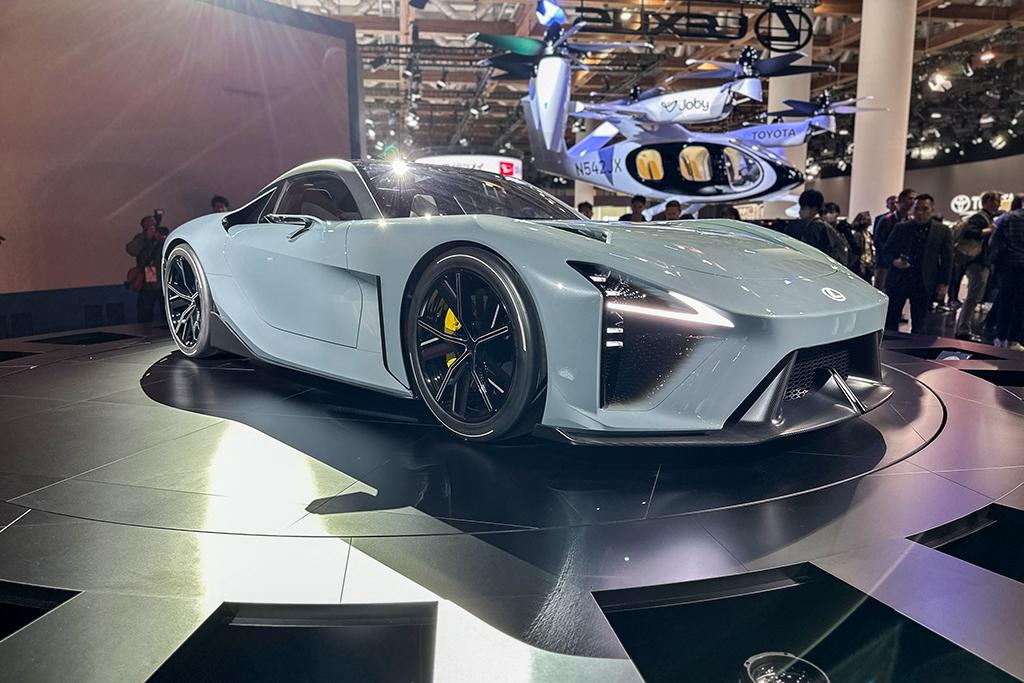
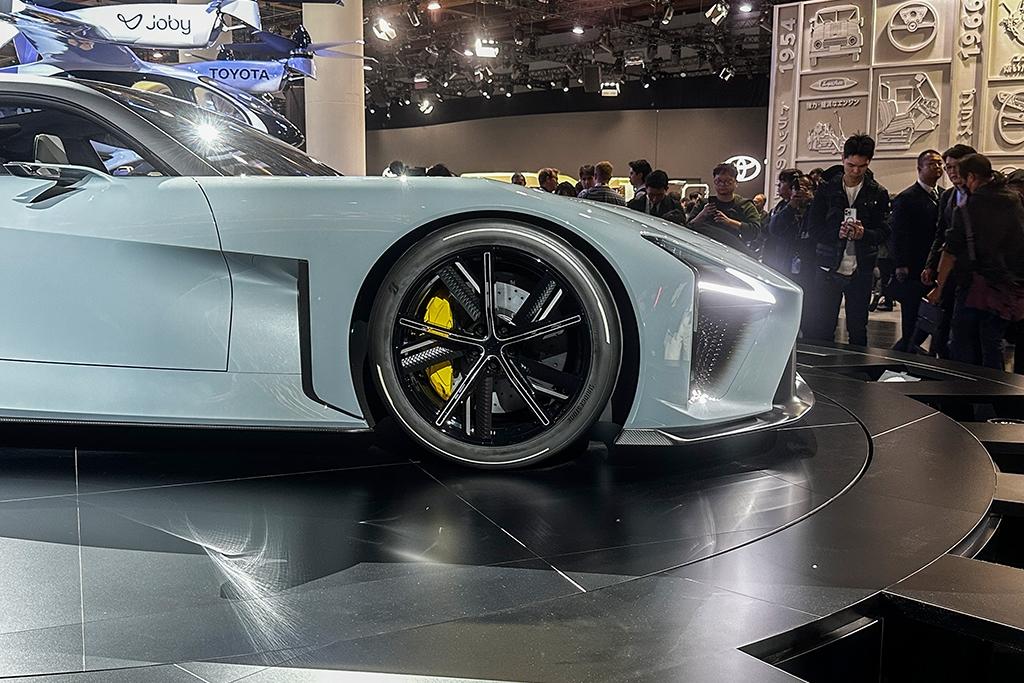
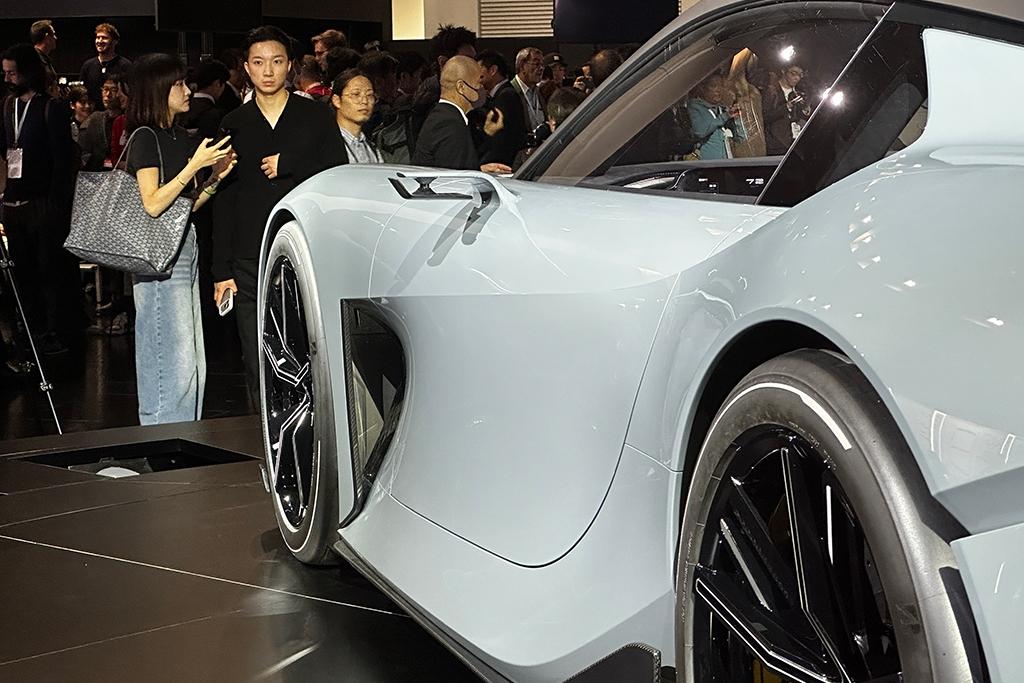
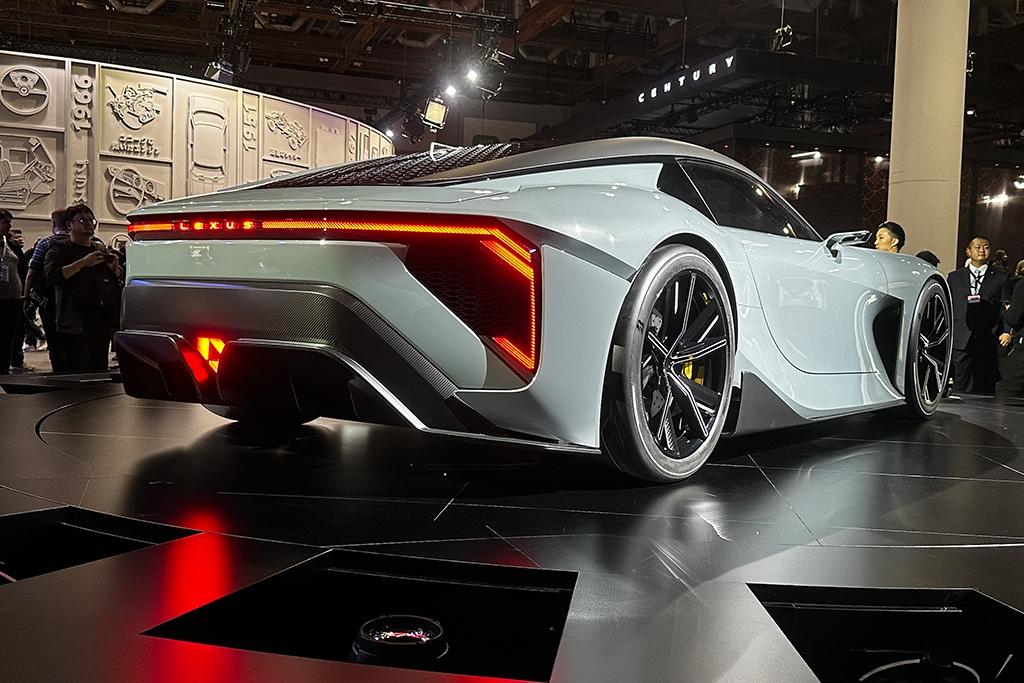
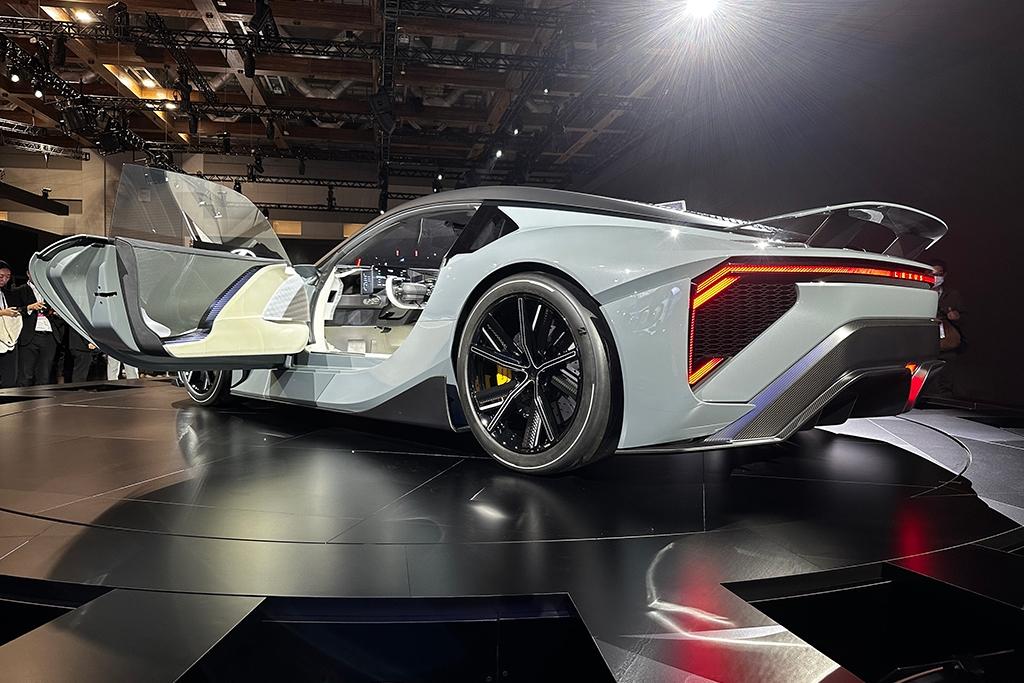
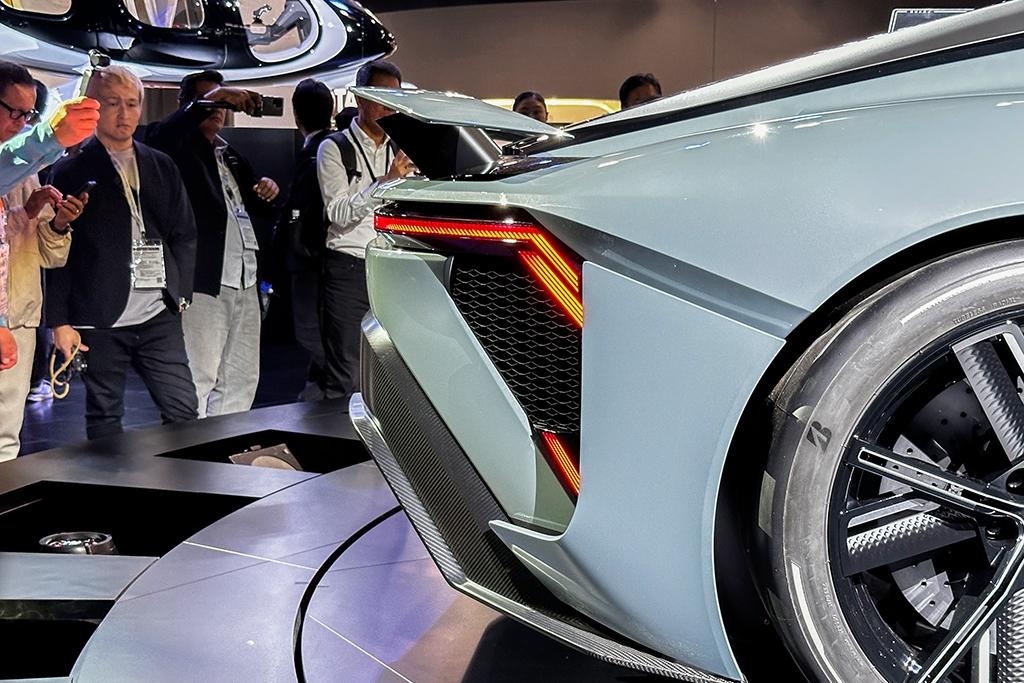
Also taking a stand at the Lexus booth in Tokyo Big Sight is an updated iteration of the Lexus Sport Concept (it originally debuted this year at Pebble Beach) with a fleshed-out interior and more detailed aero work.
While the Sport Concept doesn't bear the LS moniker, the performance coupe is nonetheless being positioned to stand alongside the trio of LS Concepts as "an arrowhead to lead the brand into the future".
Lexus' latest move to push the boundaries of its flagship model (or models) comes in the wake of parent Toyota Motor Corporation's (TMC's) groundbreaking introduction of its new Century sub-brand.
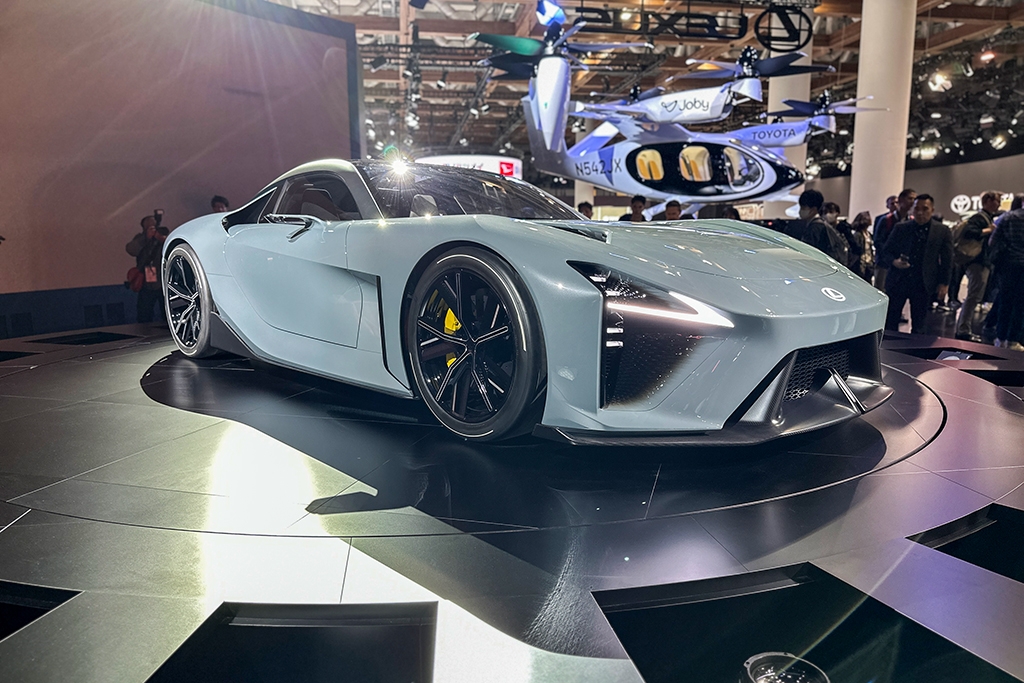
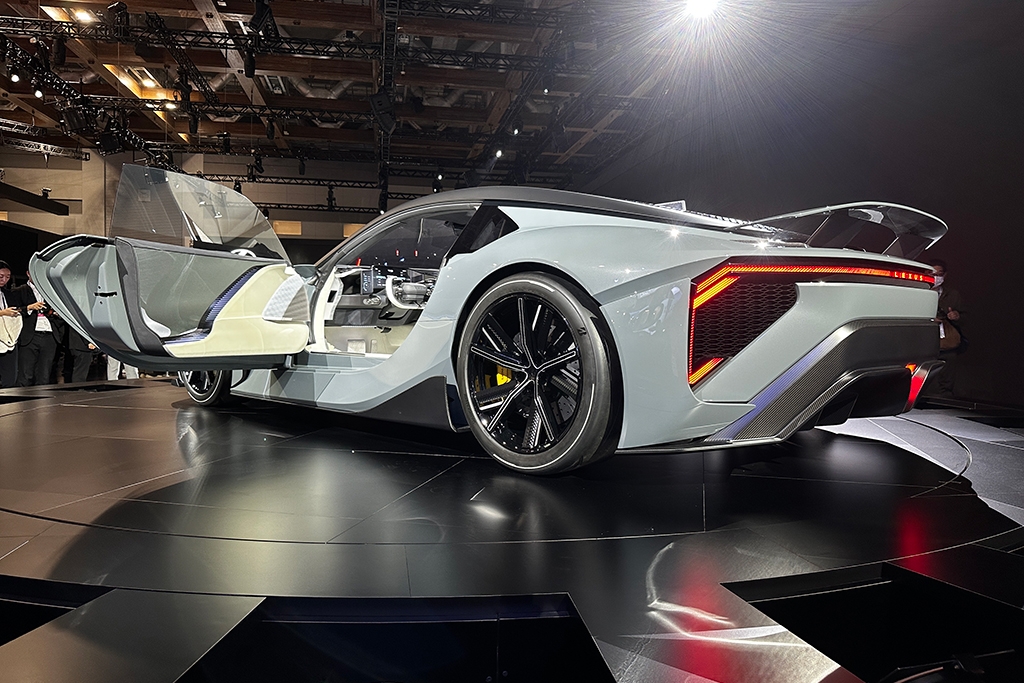
The beautiful Lexus Sport Concept (pictured) stands alongside the LS Concepts as an arrowhead to lead Lexus into the future
Built off Toyota's kingpin Century limousine, Century's independent spin-off now will see it take the fight directly to other ultra-luxe marques on the market - namely, Rolls-Royce and Bentley - with the same sort of highly-limited production volume. At least three models appear to have been confirmed, with a new coupe set to join the Century SUV that debuted last year, as well as the original Century limo.
This positioning of Century as TMC's top-end marque is said to have given Lexus the freedom to pursue a more imaginative path, with the latter teasing even more exciting and left-field concepts in the future. In true Lexus-fashion, however, its flagship onslaught at JMS 2025 is seeing it remain expectedly coy about powertrain details for each of the concepts on display, with Cartabiano only responding: "We are open [to all powertrains]."
'LS' used to stand for 'Luxury Sedan' in the house of Lexus, but with the winds of change now blowing in disfavour against the three-box shape, Japan's largest luxury carmaker is seeing fit to shift gears for its flagship.
And in rather dramatic fashion too. Unveiled at the Lexus booth on Wednesday morning (29 October 2025) at Tokyo's Japan Mobility Show 2025 (JMS 2025) was a trio of concept cars all bearing the 'LS' moniker. The big kicker? None of them calls to mind the regal sedan that used to strike fear among engineers of the BMW 7 Series or the Mercedes-Benz S-Class.
Your eyes aren't fooling you: The Lexus LS Concept is a luxury MPV with six wheels
Instead, the headlining Lexus LS Concept car that visitors will find in Tokyo Big Sight is a luxury MPV with a special twist: Propping up its angular rear end are two pairs of wheels. "Lexus has always been about more than just four wheels," Simon Humphries, Chief Branding Officer of Lexus, shared at the press conference before continuing cheekily a bit later: "I did promise you the future would be about more than four wheels but you probably weren't expecting six."
Yes, Lexus appears to be reimagining its flagship LS not just as a luxury minivan, but one with a mind-boggling six wheels; these comprise two larger ones up front and four smaller items at the rear. The end product is quite the sight to behold, throwing into question preconceptions of how exactly a car should be defined.
All of this, by Lexus' account, can be traced back to its new interpretation of what 'LS' means. No longer encompassing just sedans, the term now signifies 'Luxury Space', with models carrying these hallowed letters meant to embody different pieces of the puzzle for the brand's larger vision of a 'mobility ecosystem'.
The 'LS' philosophy has now broadened to signify 'Luxury Space', rather than just 'Luxury Sedan'
That brings us to one of the two big reasons why the LS Concept has six wheels instead of four.
Space is the new pillar of the LS moniker, and Lexus claims that in its pursuit of maximising it, the decision to go with four rear wheels allows for smaller wheel housings that minimise intrusions into the rear quarters. A secondary benefit, the brand states, is better stability at speed - whether in a straight line or around bends - as well as improved comfort due to expected reductions in pitching and diving under hard acceleration and braking respectively. No word has been given yet, however, on whether this six-wheel layout will make it to production. (One can hope.)
Otherwise, the design language of LS Concept is purposefully understated. There is an emphasis on sharp lines but clean surfaces, with its daytime running lights tracing its face in Lexus' signature 'spindle' shape (a rather tasteful evolution). The horizontal lines on the car's body hint at another quality Lexus is placing heavy emphasis on in the LS Concept: Privacy.
Drawing inspiration from the bamboo lattices used in traditional Japanese architecture, these are meant to protect the privacy of occupants within the car, while still allowing them a window to the world outside. Speaking of which, the LS Concept's interior also sticks faithfully to Lexus' philosophy of craftsmanship with its mixture of bamboo-inspired horizontal surfaces and fine materials used on the seat surfaces.
The LS Concept is just the beginning of the reimagination, though.
True to the 'mobility ecosystem' promise, Lexus also unveiled the LS Micro Concept in Tokyo: A single-seater three-wheeler that effectively serves as an autonomous first-class lounge. With its smaller proportions, the vehicle has been envisioned as a form of last-mile transport; Lexus also imagines it could service narrow streets where conventional cars would simply not fit, or are banned altogether.
Inspired by modern architecture and jewel boxes: The LS Micro Concept is effectively an autonomous first-class lounge
While the LS Micro Concept's intricate interior (same bamboo-inspired surfaces; detailed glass surfaces) mirrors that of the LS Concept, its Tron-esque exterior is something else altogether.
Speaking to the media, Ian Cartabiano, President of CALTY Design Research, noted that the diminutive proportions of the LS Micro Concept necessitated that the team move away from a more automotive-centric design in order to avoid looking 'cute'.
Instead, modern architecture was tapped in the creation of its towering and glassy shape, with a vertical light strip at the rear standing out arguably as its most noteworthy exterior feature. Lexus also states that it conceived of the vehicle as a 'jewel box'; note how the 'doors' are hinged at the roof and at the vehicle's base, almost like an oyster.
The bamboo-heavy, intricate interior of the LS Micro Concept makes it clear that this little machine is related to the more imposing LS Concept
Still, that's not where the reimagined LS family ends.
Rounding off the trio of LS concepts at JMS 2025 is the Lexus LS Coupe concept, which the brand is describing as a "balance of contradictions".
While promising the cavernous space and no-holds-barred luxury of an executive sedan, the LS Coupe is also envisioned to carry the performance, dynamism and style of a coupe. Although a spokesperson for the brand invited us to imagine it as a cross between the LS Sedan and the LC, one wouldn't be wrong to take cues from its unmistakably raised ride height, and place it more in coupe-SUV territory.
Different strokes for different folks: The LS Coupe Concept provides yet another interpretation of what top-end Lexus can look like
Also taking a stand at the Lexus booth in Tokyo Big Sight is an updated iteration of the Lexus Sport Concept (it originally debuted this year at Pebble Beach) with a fleshed-out interior and more detailed aero work.
While the Sport Concept doesn't bear the LS moniker, the performance coupe is nonetheless being positioned to stand alongside the trio of LS Concepts as "an arrowhead to lead the brand into the future".
Lexus' latest move to push the boundaries of its flagship model (or models) comes in the wake of parent Toyota Motor Corporation's (TMC's) groundbreaking introduction of its new Century sub-brand.
The beautiful Lexus Sport Concept (pictured) stands alongside the LS Concepts as an arrowhead to lead Lexus into the future
Built off Toyota's kingpin Century limousine, Century's independent spin-off now will see it take the fight directly to other ultra-luxe marques on the market - namely, Rolls-Royce and Bentley - with the same sort of highly-limited production volume. At least three models appear to have been confirmed, with a new coupe set to join the Century SUV that debuted last year, as well as the original Century limo.
This positioning of Century as TMC's top-end marque is said to have given Lexus the freedom to pursue a more imaginative path, with the latter teasing even more exciting and left-field concepts in the future. In true Lexus-fashion, however, its flagship onslaught at JMS 2025 is seeing it remain expectedly coy about powertrain details for each of the concepts on display, with Cartabiano only responding: "We are open [to all powertrains]."



Latest COE Prices
May 2026 | 2nd BIDDING
NEXT TENDER: 04 Jun 2026
CAT A$124,229
CAT B$129,501
CAT C$92,223
CAT E$130,000
View Full Results 
Thank You For Your Subscription.






Tags
Products & Services

For Owners
Quick Links
About Sgcarmart