BMW IX3: IMPRESSIVE ALL-ROUNDER
The BMW iX3 comes with an appealing new exterior while delivering a pleasing drive experience. Is this now the premium compact SUV to get?

MAXUS MIFA 7 ELITE: BUILT FOR THE FAMILY
Big on space, comfort, and value, the Maxus MIFA 7 Elite is hard to beat when it comes to accommodating your family.

THE BEST OFF-ROADER YOU CAN BUY TODAY?
Everyone wants an SUV nowadays. But for those who enjoy more than some mud and water, nothing but the best 4x4 will do. Which of these would you pick?

COE ANALYSIS: IS REAL CHANGE ON ITS WAY?
COE premiums were lower on average in Q1 2026 than in Q4 2025, but the past quarter was still packed with massive industry shifts.

DENZA B5: BIG IS BEST
The DENZA B5 looks tough and rugged on the outside, but those in its cabin will be treated to nothing short of high comfort.

POTENTIAL FIXES TO OUR COE SYSTEM
From categorisation tweaks to radical overhauls, here are some ideas that we have about possible fixes to our COE system.

IM6 TAKES ON THE TESLA MODEL Y
The Model Y continues to be popular among Cat A SUV buyers, but can it hold off the competition posed by the IM6?

WHY THE BMW 2 SERIES GRAN COUPE SHINES
Just like your favourite combos, the BMW 2 Series Gran Coupe brings together the best of both worlds. Join us as we find out why!

SITRAK LIGHT ETRUCK: FUTURE-READY
An electric drivetrain alongside plenty of safety features make the Sitrak Light eTruck perfect for your firm!

CONTI SPECIALIST: MIRAGE MOTORWERKZ
Backed by 12 years of experience, Mirage Motorwerkz has built a strong reputation as a reliable workshop dedicated to European vehicles.

BMW I3: MOST IMPORTANT 3 SERIES YET?
The i3 promises driving pleasure at its core. But that's not all BMW has invested in to ensure the 3 Series continues soaring to greater heights.

AVATR 07: MADE TO PAMPER THE DRIVER
The AVATR 07 belongs to a new generation of cars - one where driving dynamics take a back seat to the convenience and comfort of the driver.

PIRELLI GOES BEYOND DELIVERING TYRES
We have a chat with the Managing Director of Pirelli Asia to find out more about what the brand is all about and what its future looks like.

A NAME YOU CAN TRUST: WHO IS ECICS?
As it celebrates its 50th anniversary, Singapore's leading homegrown general insurer is a special name that continues to place its customers first.

WHY MG'S LATEST CAR MAY BE A PACESETTER!
Should we be paying more attention to the MG4 Urban? The brand seems to think so.

SKODA ENYAQ: STYLE MEETS SUBSTANCE
The updated Skoda Enyaq pairs a sleek new exterior with plenty of new features. But is that enough to make this your next all-electric family SUV?

7 SERVICING PACKAGES ON SGCARMART E-SHOP
Besides protecting your engine, choosing the right engine oil and servicing package also promises better fuel efficiency and performance!

13 FASCINATING CONCEPTS AT AUTO BEIJING
Spanning all the way from the revived Freelander to a new Xiaomi supercar, these are some of the most exciting visions of the future in Beijing!

LEAPMOTOR B03X IMPRESSES ON MOST FRONTS
The Leapmotor B03X is a compact SUV that faces strong competition here in Singapore. Will Singaporeans bite?

A FEAST FOR THE EARS: ALPINE CAR AUDIO
Alpine Car Audio has brought its complete 2026 range on our sunny shores, offering drivers the chance to spruce up their in-car audio experience!

JAECOO 8 OFFERS EXTRA UTILITY
The Jaecoo 8 delivers 7-seater utility in a package that promises comfort and ample equipment.

DEEPAL G318 AT CHANGAN PROVING GROUND
Proving grounds are where vehicles go to get stress tested to ensure their mechanical worthiness, but is also an opportunity for some driving fun.

GLE400E IS FOR DRIVERS WHO WANT IT ALL
The GLE400e is a palatial and powerful coupe-SUV, but despite its mass, can be surprisingly efficient, and quick as well.

JAECOO 5: STYLISH AND PRACTICAL
The Jaecoo 5 offers plenty of space within its handsome shell. See just how it drives here!

FUEL-SAVING TYRES FOR YOUR DAILY DRIVES!
With fuel prices seemingly on the rise for the foreseeable future, why not consider these fuel-saving tyres to get more bang for your buck?

LEARNINGS FROM BEIJING MOTOR SHOW 2026
Julian heads to the 19th Beijing Motor Show and learns a thing or two about how it'll impact brands here in Singapore.

MYCARFORUM VISITS THE MAXUS MIFA 7 ELITE
Those who attended the latest Mycarforum hangout with Maxus got up close with the MIFA 7 Elite and experienced all that it has to offer!

MERCEDES-BENZ CLA180 VS AUDI A3 SEDAN
Merc's bestselling CLA180 is refreshed, and back in town. Can it beat Audi's A3 Sedan in delivering a downsized premium experience?

ZEEKR 9X: NEW HEIGHTS OF LUXURY
Boasting presence, power and tech in spades, the plug-in hybrid 9X is a stunning vision of a flagship that promises to push Zeekr to new heights.

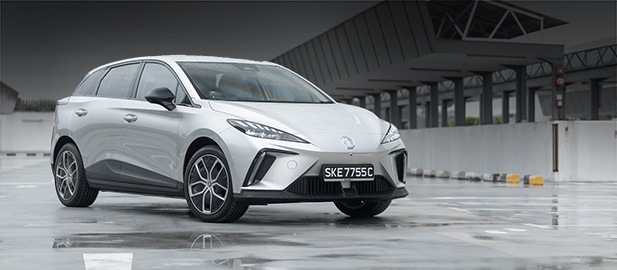
MG 4 URBAN: STILL PLENTY TO LIKE
The second-generation MG 4 Urban delivers improved equipment, practicality and affordability in a competent EV package. Pity our taxes.

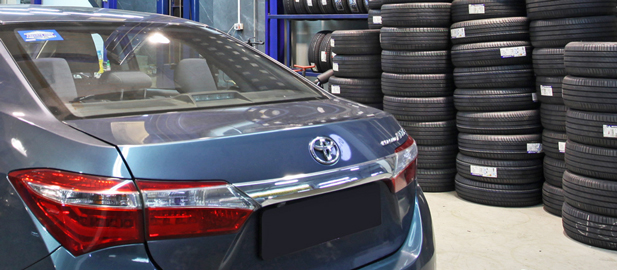
BMW ODOUR LAB: BEYOND THE NEW CAR SMELL
BMW's fascinating facility fuses complex testing methods for interior air quality with the best noses in Bavaria.
ICAUR: NEW FUN-LOVING KID ON THE BLOCK
With charming retro-inspired designs and technology from Chery Group, the fresh new iCaur brand is making waves with its range of off-roaders.

EXPLORING THE CHANGAN AUTOMOBILE FAMILY
With a wide-spanning range of products, the Changan Automobile Group is set to make further headway in Singapore.

MIRAI AUTO: YOUR TRUSTED EV SPECIALIST
Electric cars require specific expertise to work on - Mirai Auto performance is an EV specialist that will keep your EV safe and reliable.
IS MAZDA QUIETLY RISING BACK TO THE TOP?
With Mazda climbing one spot on our 2025 car registrations list, and with new models incoming, is this its steady rise back to the top? Find out here!
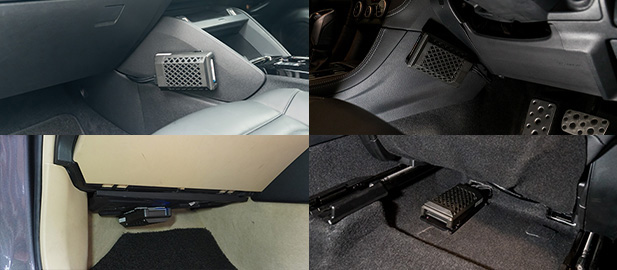
ENGINE ADDITIVES THAT BOOST PERFORMANCE
Looking to get more out of your engine without tampering with it too much? Here are some additives we think you should consider!
DEFENDER TROPHY EDITION: STYLE APLENTY
The Defender Trophy Edition gets plenty of tasty exterior features to go along with its practical electrified drivetrain.
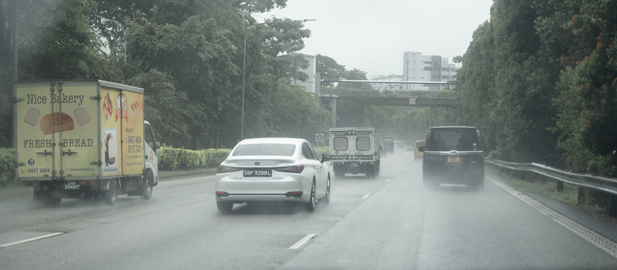
SGCARMART EXPLORES: TANJONG PAGAR!
Colonial shophouses, Korean BBQs, and trendy bars. Is that really all Tanjong Pagar is known for? Join us as we seek to disprove that stereotype!
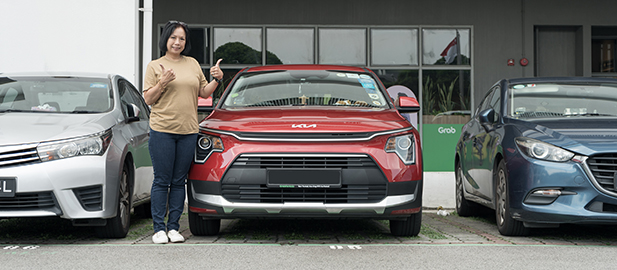
THE EX60 MIGHT BE THE BEST EV VOLVO YET
The EX60 might sit between the EX30 and EX90, but it is the first to be built on the new SPA3 platform and packs the most technology in Volvo’s range.
DRIVING A FORESTER WHERE IT BELONGS
Driving the Subaru Forester in Japan gives this writer perspective on what it means to be on home ground.
LICENSED TO THRILL: THE DONGFENG 007
With a name reminiscent of one of Hollywood's most famous movie character, the 007 brings Bond-level elegance and performance to every drive.
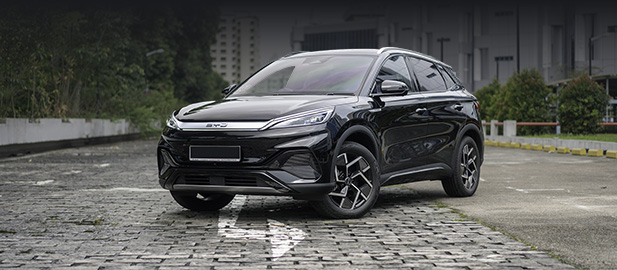
TOP RUN-FLAT & SEAL-INSIDE TYRES
Avoid the inconvenience of a puncture by fitting your car with one of these run-flat and seal-inside tyres that can help you remain on the road.
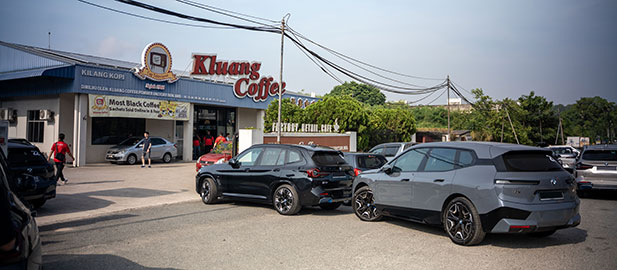
THE 911 FLAGSHIP IS NOW ELECTRIFIED!
The new 911 Turbo S has been updated with Porsche's T-Hybrid system, making it a performance-focused hybrid, not an efficiency-focused one.
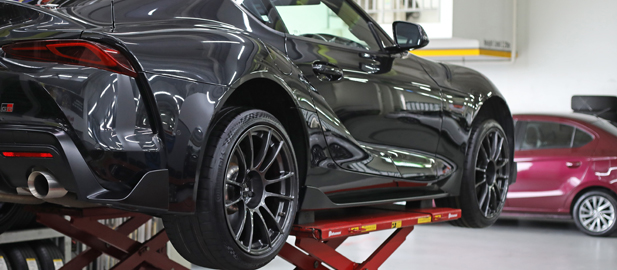
SUBARU E-OUTBACK: RUGGED AND COMPETENT
The Subaru E-Outback may look rugged on the outside, but its cabin is one comfortable place to sit in
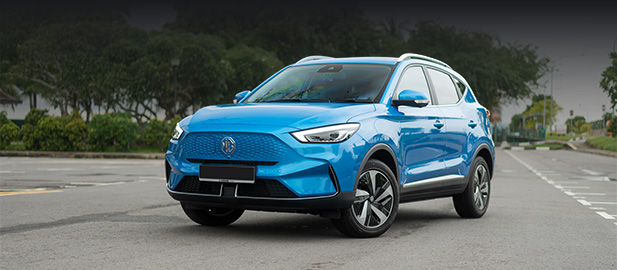
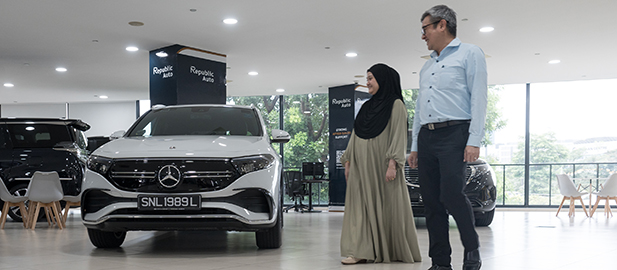
REPUBLIC AUTO: SMARTER USED CAR CHOICE
With Budget 2026 quietly rewriting the long term cost of owning a new car, used cars are fast becoming the smarter choice.
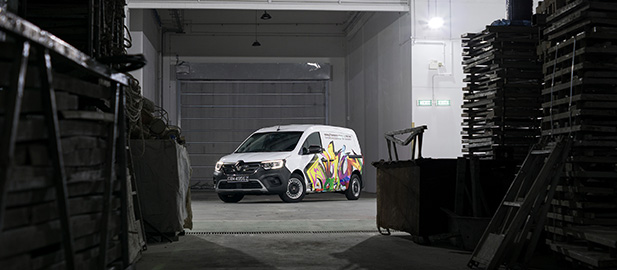
ABSOLUTELY INSANE WITH PORSCHE'S NEW SUV
A coupe variant of the popular Porsche SUV now comes fully electric, fully loaded and fully bonkers.
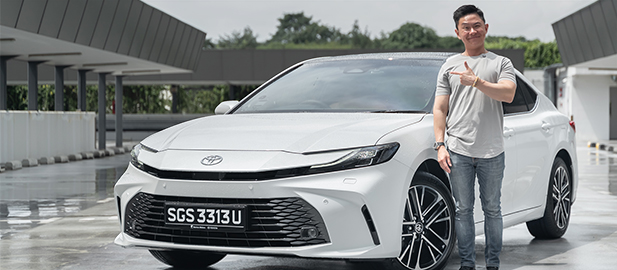
NEW 911 TURBO S: WHAT YOU NEED TO KNOW
The updated Porsche 911 Turbo S now utilises the firm's T-Hybrid system and it's all the better for it. Here are five things you should know about it.
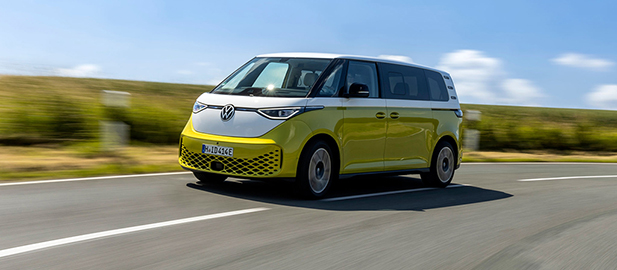
WHAT YOU NEED TO KNOW ABOUT THE EX60
The EX60 is Volvo’s latest and smartest car, here are five interesting features about it that makes it unique and lovable.

BENTLEY BLENDS TRADITION WITH PRECISION
The luxury marque has been around for over a century and continues to evolve, but a key question remains unanswered.

THE DONGFENG 007 IS OUR 2025 ESOTY!
Standing out as an EV that balances luxury, performance, and everyday usability, here's why the Dongfeng 007 Electric is our 2025 Sedan of the Year!

THE DONGFENG BOX IS OUR 2025 EHOTY!
Easy to drive and surprisingly well-equipped, here's why the Dongfeng Box is our 2025 Electric Hatchback of the Year!

HERE'S THE NEW PIRELLI CINTURATO ROSSO!
The new Pirelli Cinturato Rosso with Seal Inside technology: A tyre designed for things drivers never see coming.

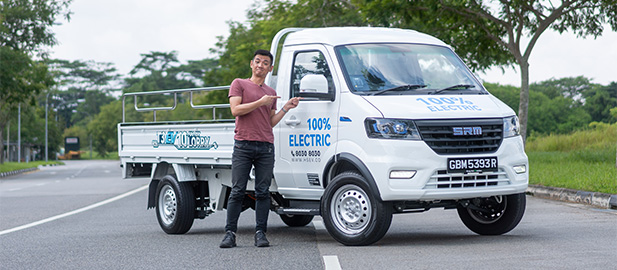
A FIRST LOOK AT THE SITRAK LIGHT ETRUCK!
See just how the Sitrak Light eTruck can transform your business logistics here!

THE ZEEKR DYNAMIC EXPERIENCE AT SEPANG
Racetracks aren’t only for races - Zeekr invited its owners for an engaging and educational experience on the track.

GLC200 COUPE: AN OLDIE BUT A GOODIE
The GLC200 Coupe blends a swanky design with respectable performance and a versatile cabin.

8 EVS THAT CAUGHT OUR EYE AT SEPANG
We were invited to an all-EV track day at Sepang International Circuit by Dongfeng Singapore, and surprised by the intriguing roster of cars.

THE NEW PORSCHE CAYENNE COUPE ELECTRIC!
Following the Cayenne Electric SUV is the coupe version that impresses on all fronts. Here's what you need to know about the new model.

TRUSTY ROADSIDE HELP WITH NEW BATTERIES
Breakdowns are normal, but proper upkeep can ensure that it happens less. Here are some roadside assistance workshops that only uses new batteries!

CAT A XPENG G6 AIR WORKS A TREAT
The entry-level G6 may have less equipment, but it still manages to deliver the high-tech experience buyers expect from the brand.

GLC COUPE FACES OFF AGAINST Q5 SPORTBACK
Two well-known 'coupe-SUVs' duke it out to see which model deserves to be considered by stylish suburbanites.

FOR CAR AND COUNTRY: WORLD CUP EDITION
We've chosen a car to "represent" a select few countries currently dueling it out at the 2026 FIFA World Cup. Check out our picks here!

THIS MIGHT BE THE BEST ELECTRIC SUV YET
Equipped with Porsche Active Ride, and a four-digit horsepower output, the Cayenne Turbo Electric's performance exceeds all expectations.

ELECTRIC MERCEDES CLA250+ DELIGHTS
Despite the presence of several gremlins, the range-topping electric CLA is one of the most sparkling Mercedes models to date.
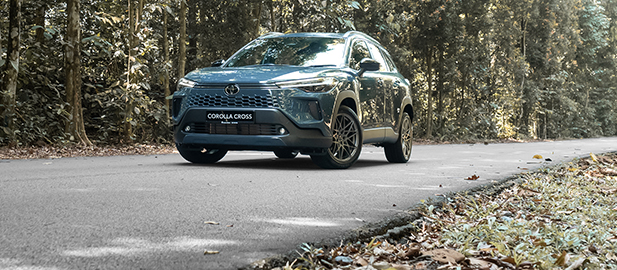
8 CARS NOT TO MISS AT KLIMS
We visited the KL International Mobility Show for the first time, and here are the interesting cars that demanded a closer look.
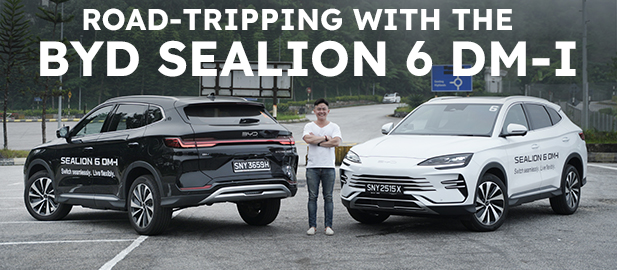
TOYOTA RAV4: RUGGED AND READY
The Toyota RAV4 impresses with its strong exterior, fuel efficiency, and practical cabin.
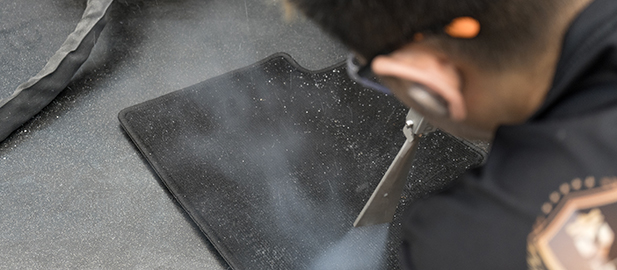
TOP ACCESSORIES FOR EV OWNERS TODAY
While EVs may require less maintenance than ICE vehicles, EV ownership still comes with its own set of needs. Here are some must-haves to consider!
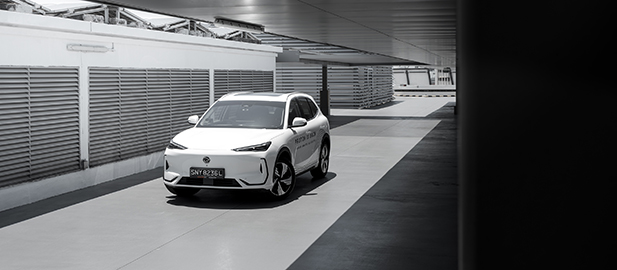
HONDA ZR-V HYBRID IS CAPABLE BUT COSTLY
Though its looks are unusual, the ZR-V delivers the comfort, efficiency, and driving enjoyment that the Honda brand is known for.

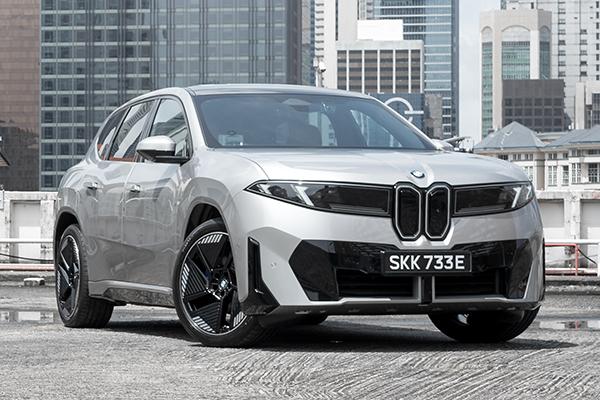


Mercedes-Benz CLA250+ AMG Line Review
RATED 4.0/5

Porsche Cayenne Turbo Electric First Drive Review

XPENG G6 Air RWD Review
RATED 4.0/5

Mercedes-Benz GLC200 Coupe Review
RATED 3.5/5

Porsche Cayenne Turbo Coupe Electric First Drive Review

Subaru E-Outback Review
RATED 4.0/5

Porsche 911 Turbo S First Drive Review
RATED 4.0/5

Volvo EX60 P6 Ultra First Drive Review


Mercedes-Benz GLC200 Coupe vs Audi Q5 Sportback

Mercedes-Benz CLA180 vs Audi A3 Sedan
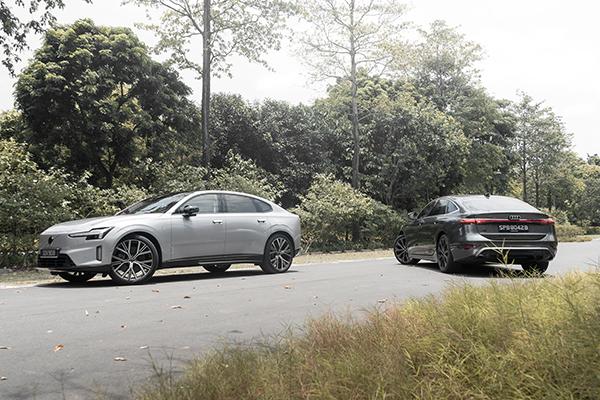
Audi A6 Sportback e-tron vs Volvo ES90
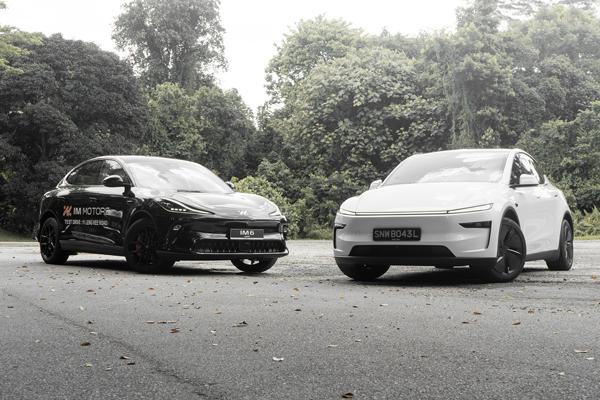
IM6 Luxury vs Tesla Model Y RWD 110
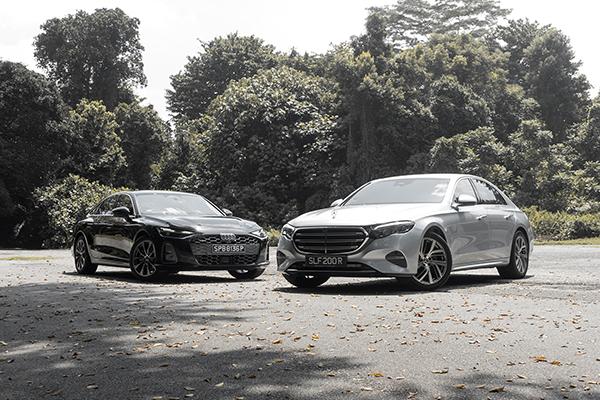
Audi A6 Sedan vs Mercedes-Benz E-Class Saloon
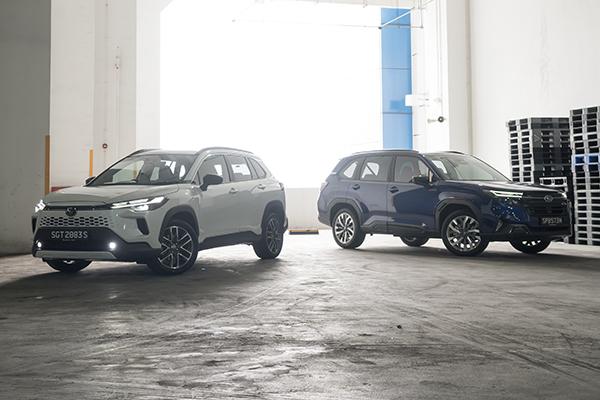
Subaru Forester e-BOXER vs Toyota Corolla Cross Hybrid
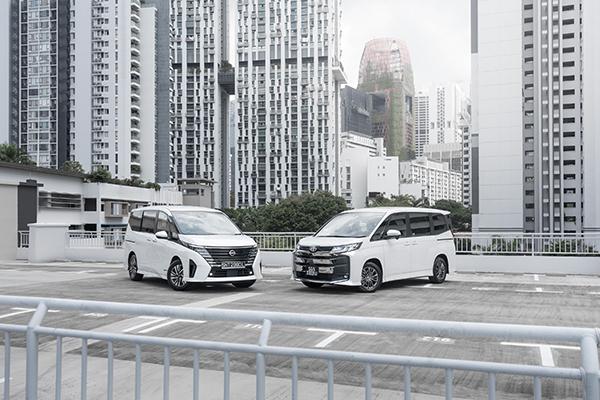
Toyota Noah Hybrid vs Nissan Serena e-POWER
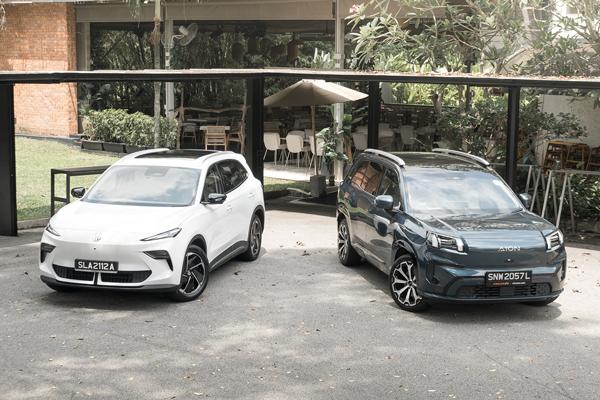
MGS5 Luxury vs Aion V Luxury

The 8 cars that caught our attention at KLIMS
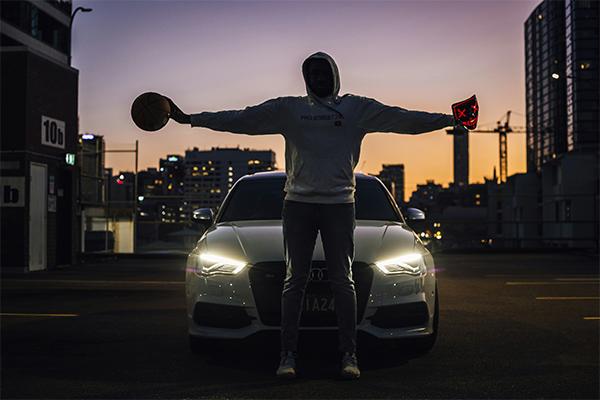
2026 FIFA World Cup special: For car and country
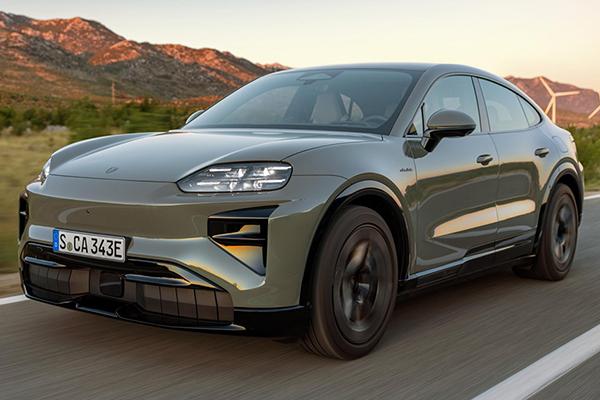
The Porsche Cayenne Coupe Electric - What you should know

8 cars that caught our eyes at an EV Track Day at Sepang
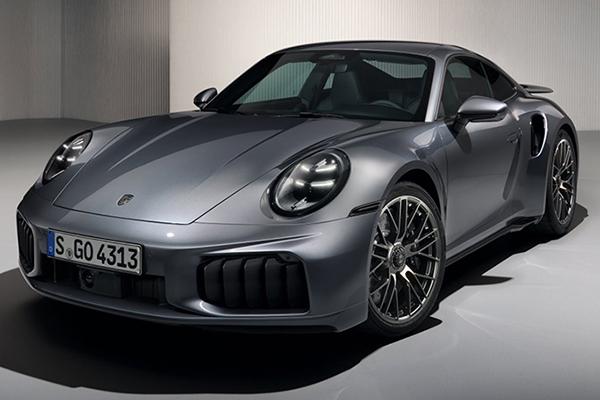
What you should know about the updated 911 Turbo S
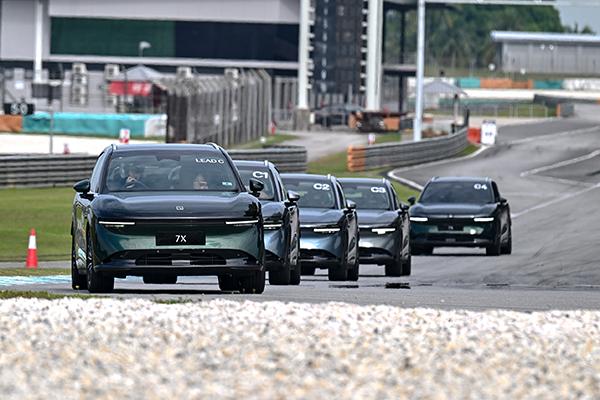
The Zeekr Dynamic Experience at Sepang Circuit
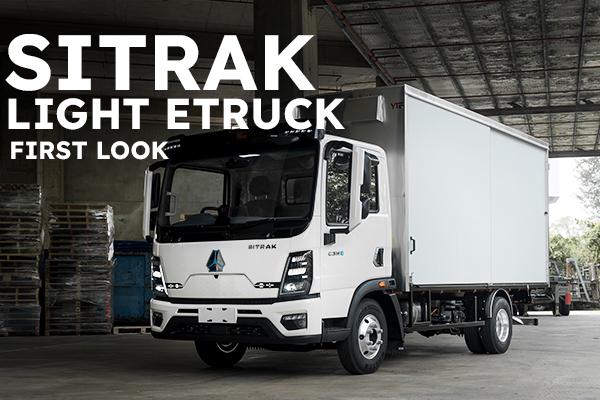
A first look at the Sitrak Light eTruck!
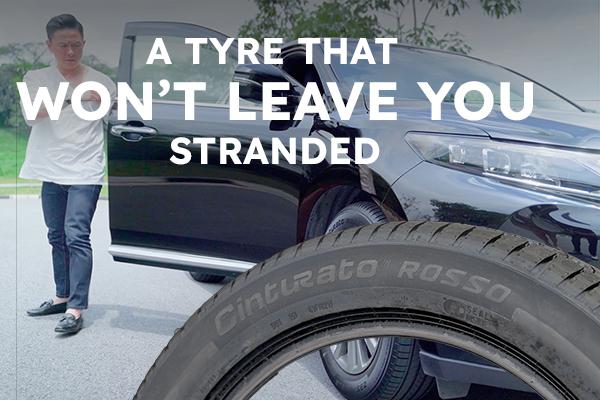
The new Pirelli Cinturato Rosso with Seal Inside Tech!

Must-Have Car Accessories Every EV Driver Should Own

Roadside Assistance Workshops Using Only New Batteries
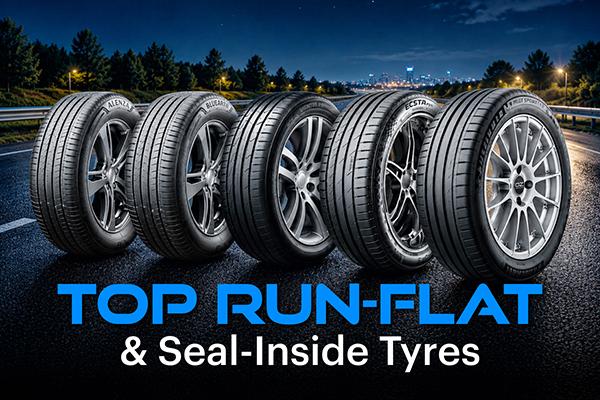
Best Run-Flat & Seal-Inside Tyres for Your Peace of Mind

Additives that improve your vehicle's engine health
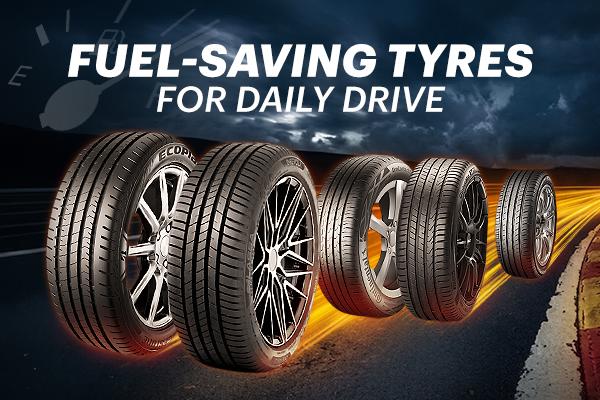
Recommended Fuel-Saving & Eco-Friendly Tyres for Daily Drive
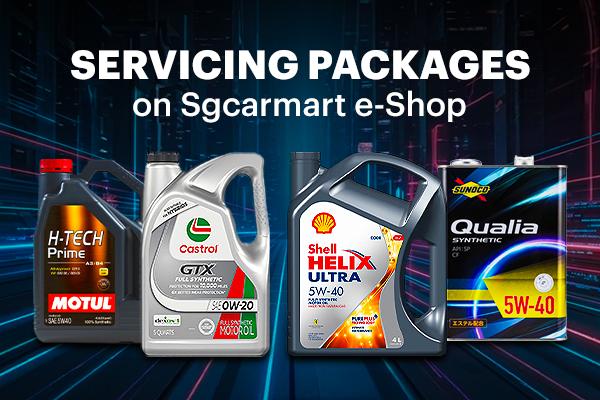
Top vehicle servicing packages available on Sgcarmart e-Shop
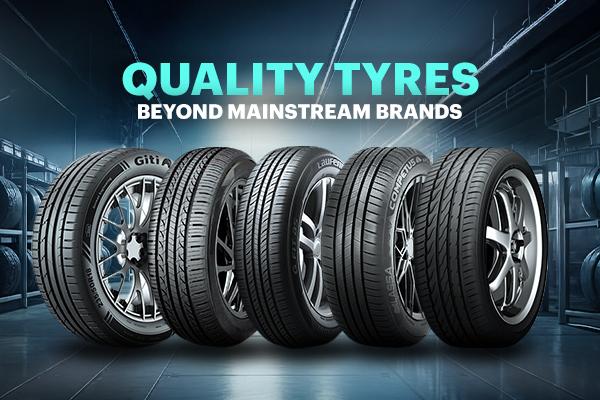
Quality tyre brands beyond mainstream names you should know!

Top car care and accessories brands you should know in 2026

Mercedes-Benz brings the all-electric GLB to Singapore

Changan launches the Deepal S05 in Singapore

The all-new ORA 5 eSUV arrives on Singapore's shores
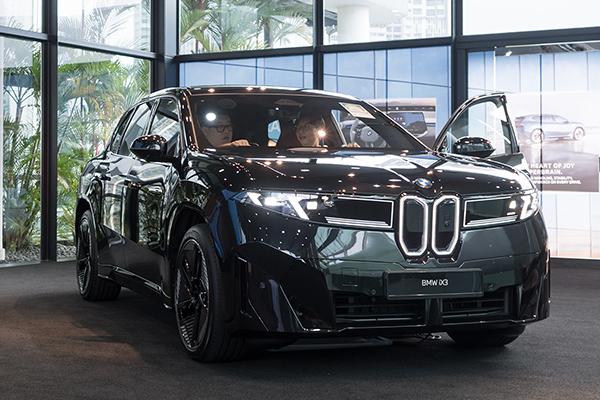
BMW iX3 arrives in Singapore

The all-new Toyota RAV4 Hybrid is finally here in Singapore

The Honda ZR-V e:HEV can now be viewed and test driven in SG
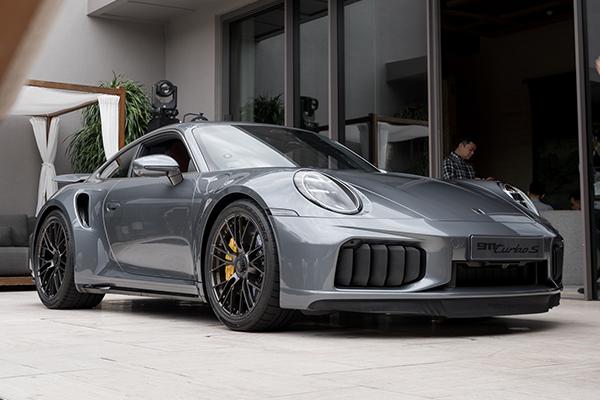
The most powerful 911 Turbo S is here

Zenvo showcases its 1,850bhp Aurora hypercar in Singapore
Latest Discussions
Popular Discussions
Blog