Getting a used car gets a bad rep as past owners and second hand car dealers seize every opportunity to rip every dime you have when in fact things aren't as complicated as they seem to be.
Finding a real gem of a used car doesn't depend solely on luck. You've got to know what to look out for and how to spot potential trouble. Here are some crucial points you might want to go through when considering a used car.
Exterior
Always look at the car in bright light to check for uneven or distorted reflections and mismatched colours or poorly aligned body panels. Look for corrosion or rust too. Rust is probably the most damaging thing of all on cars over five years old.
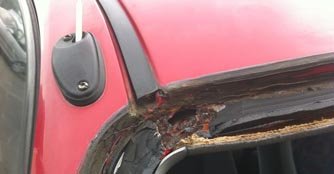
 Many used cars appear fine at first glance, but look closer and you might find rust, which will cause bigger problems down the line
Interior
Have a thorough look inside the cabin to see if there are any signs of problems such as a cracked dashboard or missing knobs, handles and buttons. Ensure that you turn on every switch to make sure all the electrical components such as windscreen wipers, electrical windows and side mirrors, air-conditioning, audio system and lights are working.
An air bag warning light that stays lit after the engine has been started may indicate that a bag has deployed, was improperly replaced or was not replaced at all. Also, the time interval between the engine starting and when the low oil pressure lamp lights up on the instrument panel should be no more than two to four seconds.
Engine
Check the engine oil
Check the engine oil level, it should be between the 'Maximum' and the 'Minimum' markers on the dipstick. Extremely contaminated (black) oil indicates lack of maintenance.
Look out for engine repairs
If you find evidence that the engine has been repaired with inaccuracy (too much bulging of a gasket maker, loose bolts, stripped treads, altered wiring, broken fastenings, missing bolts or covers), avoid buying the car. Just imagine how the engine has been repaired on the inside if it looks like this on the outside?
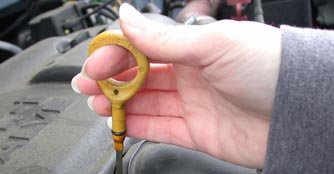 If the engine oil level is below the 'Minimum' marker on the dipstick, it could be an indicator of oil leakageCheck the coolant
Do not attempt to remove the radiator cap while the engine is hot. Unscrew the radiator cap slowly to check the coolant level and colour. Green means it is fresh while a pinkish or rusty shade means the coolant needs changing.
Check the transmission fluid
Start the engine and let it warm up, pull out the automatic transmission dipstick and check the fluid level and the colour. It should be reddish-pink. If it looks brown or orange, this could mean expensive transmission trouble. As a further test, sniff the dipstick. If it has a burnt odour, you are smelling trouble.
Look out for leaks
Check the ground under the car for any fresh-looking fluids. If you see any, beware. Try to identify the type of fluid so that you can link it back to the source.
Finding a real gem of a used car doesn't depend solely on luck. You've got to know what to look out for and how to spot potential trouble. Here are some crucial points you might want to go through when considering a used car.
Exterior
Always look at the car in bright light to check for uneven or distorted reflections and mismatched colours or poorly aligned body panels. Look for corrosion or rust too. Rust is probably the most damaging thing of all on cars over five years old.
Interior
Have a thorough look inside the cabin to see if there are any signs of problems such as a cracked dashboard or missing knobs, handles and buttons. Ensure that you turn on every switch to make sure all the electrical components such as windscreen wipers, electrical windows and side mirrors, air-conditioning, audio system and lights are working.
An air bag warning light that stays lit after the engine has been started may indicate that a bag has deployed, was improperly replaced or was not replaced at all. Also, the time interval between the engine starting and when the low oil pressure lamp lights up on the instrument panel should be no more than two to four seconds.
Engine
Check the engine oil
Check the engine oil level, it should be between the 'Maximum' and the 'Minimum' markers on the dipstick. Extremely contaminated (black) oil indicates lack of maintenance.
Look out for engine repairs
If you find evidence that the engine has been repaired with inaccuracy (too much bulging of a gasket maker, loose bolts, stripped treads, altered wiring, broken fastenings, missing bolts or covers), avoid buying the car. Just imagine how the engine has been repaired on the inside if it looks like this on the outside?
Do not attempt to remove the radiator cap while the engine is hot. Unscrew the radiator cap slowly to check the coolant level and colour. Green means it is fresh while a pinkish or rusty shade means the coolant needs changing.
Check the transmission fluid
Start the engine and let it warm up, pull out the automatic transmission dipstick and check the fluid level and the colour. It should be reddish-pink. If it looks brown or orange, this could mean expensive transmission trouble. As a further test, sniff the dipstick. If it has a burnt odour, you are smelling trouble.
Look out for leaks
Check the ground under the car for any fresh-looking fluids. If you see any, beware. Try to identify the type of fluid so that you can link it back to the source.
Check the engine bay, ignore ordinary road grime and look for fresh oil, which glistens. An oil-covered engine suggests big trouble. Some types of oil include:
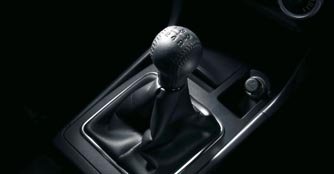 Manual or automatic, the car's gears should not be making weird noises while shifting
Test drive
Never be too shy to request for a test drive. This way, you'll be able to spot any damages to the suspension or steering wheel if there are any. Plus, it's always important to get familiarised with the car that you're about to buy.
Be sure to look out for any warning lights on the display panel. There should not be any warning lights lighted up when you start the engine. Furthermore, listen out for any kinds of whining or humming noises. Regardless of the car's transmission, the gears should shift seamlessly and quietly.
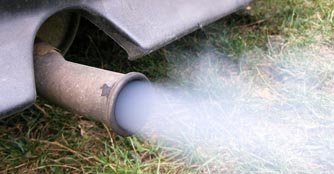 Check for any smoke being emitted from the tailpipe while the engine is runningDuring the test drive, depress the brake pedal a couple of times to make sure it's not overly spongy. The brake pedal should offer good resistance and not sink most of the way to the floor when applied. And if the car vibrates heavily upon applying the brakes, the front brake discs could be distorted.
Additionally, check for smoke emitting from the tailpipes. The common ones are usually black or white smoke, which can be signs of problems to come.
*This article was updated on 11th May 2018.
- Black or dark-brown slippery fluid - This is probably motor oil. A few drops once in a while is acceptable, but if your car starts to leave puddles, have it checked.
- Clear, oily liquid with a pungent odour - This is usually brake fluid that shows up around the wheels.
- Pink, red or clear drops - It may be either automatic transmission fluid or power steering fluid.
- Green, yellowish or reddish spots with a faint, sweet smell - This indicates that anti-freeze is leaking from the cooling system and is usually found under the front centre of the car.
- Heavy, light tan or black oily liquid - This indicates gear oil leaking from the steering gearbox, manual transmission, axle or differential.
- A dark stain on the shock absorber body - The dark stain gives this away as shock absorber fluid.
- Thin fluid that smells like fuel - This could be due to leak from the tank (generally in the rear of the car), from a fuel line that runs from the tank to the engine, or from the engine itself.
- Light oil that smells like home heating oil - It is diesel and should be treated like a fuel leak as mentioned above.
- Blue or pink tinted water - This tinted water points to a leak of windshield washer solution and will be found in a broad area under the engine compartment.
- A clear fluid that smells like rotten eggs - This is probably sulphuric acid leaking from the battery and can appear in a number of locations under a vehicle.
Test drive
Never be too shy to request for a test drive. This way, you'll be able to spot any damages to the suspension or steering wheel if there are any. Plus, it's always important to get familiarised with the car that you're about to buy.
Be sure to look out for any warning lights on the display panel. There should not be any warning lights lighted up when you start the engine. Furthermore, listen out for any kinds of whining or humming noises. Regardless of the car's transmission, the gears should shift seamlessly and quietly.
Additionally, check for smoke emitting from the tailpipes. The common ones are usually black or white smoke, which can be signs of problems to come.
Looking to save some real money with a used car? You just might find a gem right here.
*This article was updated on 11th May 2018.